REVIEW · TOKYO
Nihonbashi Ningyocho Tour Seven Lucky Shrines and Treats
Book on Viator →Operated by Tomo · Bookable on Viator
Tokyo has a shrine mood you can actually feel.
This Nihonbashi Ningyocho tour strings together seven Shichifukujin shrines on a tight 2.8 km route, so you get that Edo-era neighborhood vibe without turning your day into a marathon. I especially like the chance to stop at the famous Koami Shrine for big-fortune prayers, and I like how the pace stays relaxed thanks to the private guiding style from Tomo, with easy-to-follow visuals and smart, flexible timing. One thing to consider: the walk is short, but you’ll still be on your feet for about 3.5 hours, and extra shrine costs (amulets, fortune slips, goshuin) can add up if you collect everything.
At each shrine, you’re doing the full ritual set: prayers, wishing, and the option to buy items and collect stamps/fortunes. That’s great if you want keepsakes and a proper “I did the whole thing” feeling. Just go in knowing the tour price covers the guided experience and two included snacks, while coin offerings, amulets, goshuin fees, and omikuji/fortune slip fees are not included—so keep a little extra cash ready.
In This Review
- Key things to know before you go
- Nihonbashi Ningyocho and the Seven Lucky Gods vibe
- Why the route works: 7 shrines in 3 hours 30 minutes
- Tomo’s private guiding style (and why it helps)
- Stop-by-stop: your Seven Lucky Shrines circuit
- Koami Shrine: fortune energy first
- Suitengu: prayers for safe childbirth and healthy babies
- Suginomori Shrine: shorter stop, still a full ritual
- Kasama Inari Shrine Tokyo Bessha: another quick-and-pray moment
- Suehiro Shrine: steady luck on a tight schedule
- Matsushima Shrine: quick prayers, real continuity
- Chanoki Shrine: finish with calm closure
- Omikuji and goshuin: plan your keepsakes without getting surprised
- The included snacks: a real break, not a random add-on
- Price and value: is $68 worth it?
- Logistics that actually matter: meeting point and comfort
- Who should book this Ningyocho Seven Lucky Shrines tour
- Should you book it?
- FAQ
- How long is the Nihonbashi Ningyocho tour?
- How many shrines do we visit?
- What is the tour route length?
- What’s included in the $68 price?
- Are shrine fees like amulets, goshuin, or fortune slips included?
- Is this tour private?
- Where does the tour start?
- Can I choose the starting time?
- What if the weather is bad?
Key things to know before you go
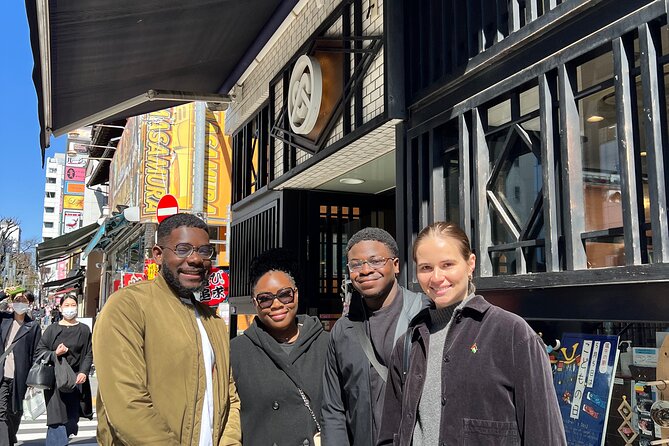
- Seven shrines on one compact route (about 2.8 km), planned for an easy, efficient stroll.
- Private tour means it’s just your group, with a start time you can request by messaging.
- Koami Shrine and Suitengu get extra attention in the schedule, so you won’t feel rushed.
- Omikuji and goshuin are part of the visit, but the fees for stamps/fortune slips aren’t included.
- Two traditional snacks are included, giving you a real break instead of just walking through temples.
- Tomo’s guidance is a big plus: friendly, practical, and helpful for what to do next at each stop.
Nihonbashi Ningyocho and the Seven Lucky Gods vibe
Nihonbashi Ningyocho is the kind of Tokyo pocket where you can slow down and let the street life do its thing. Instead of chasing the loudest sights, you’re walking a quieter neighborhood that still feels anchored to older rhythms. That matters on a shrine tour, because shrines are not just photo stops. They’re places where people line up, make wishes, and move at a calm tempo.
This tour is built around the Shichifukujin, the Seven Lucky Gods. The tour doesn’t treat them like a history lecture. It treats them like what they are for locals: a reason to pray for specific kinds of good luck and well-being, one shrine at a time. You’ll see how different shrines feel different even when they’re close together, from layout to atmosphere.
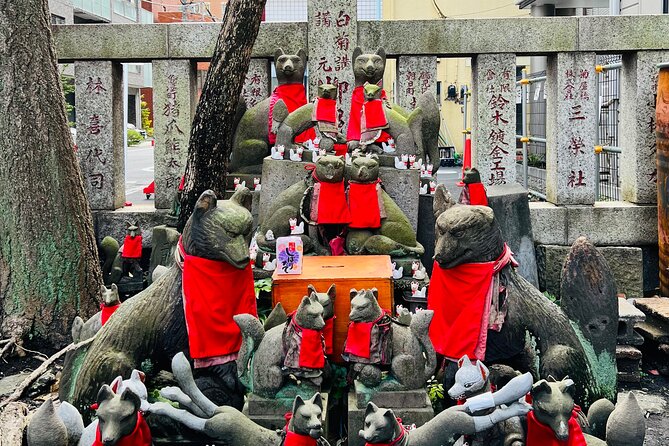
And yes, one stop is a crowd magnet. Koami Shrine is known for fortune, and you’ll feel that energy as you get your own turn to pray, draw, and collect a keepsake.
You can also read our reviews of more tours and experiences in Tokyo.



Why the route works: 7 shrines in 3 hours 30 minutes
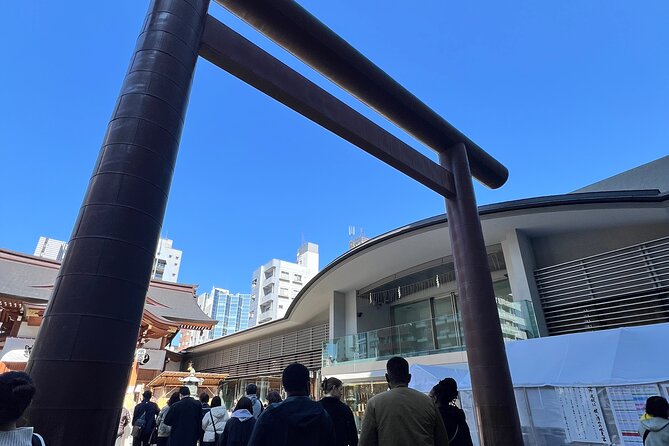
The whole experience is about 3 hours 30 minutes with a 2.8 km walking route. That’s the sweet spot for most people. You’re getting variety—seven different shrine visits—without spending your whole day commuting between far-flung areas.
The schedule is also balanced. Koami Shrine and Suitengu are both allotted about 15 minutes each, while the other shrines usually get 10 minutes each. In plain terms: the tour gives you enough time to actually do what you came for—prayers, wishing, and the option to draw or collect—without endless waiting.
Because it’s private, Tomo can keep the pace human. In the best case, you don’t feel like you’re getting herded through a checklist. Instead, you get a guided rhythm: arrive, participate, pause, move on.
Tomo’s private guiding style (and why it helps)
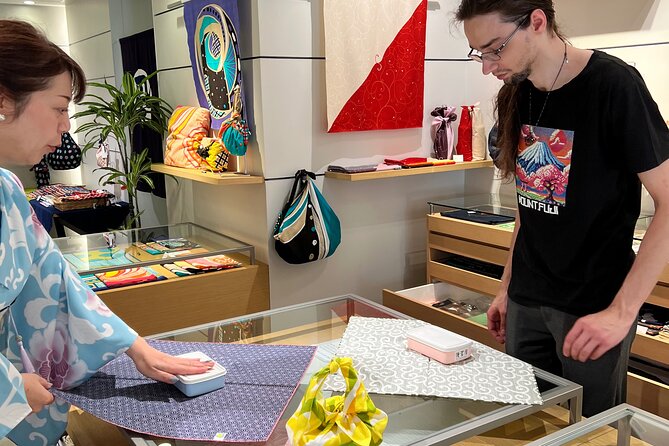
A good shrine guide isn’t just about knowing what’s where. It’s about helping you feel confident enough to do the ritual parts without guessing. That’s where Tomo stands out from the start.
From what you can expect on this tour, Tomo is friendly and easy to follow, with simple visuals that make the steps feel less mysterious. That matters because if you’ve never done things like omikuji or goshuin before, the first few minutes can either feel smooth—or stressful.
There’s also flexibility after the tour. Tomo can point you toward nearby shops for local souvenirs and restaurants once you’re done walking. That kind of follow-through is useful in Tokyo, where you can otherwise wander for a long time before landing on something good.
Stop-by-stop: your Seven Lucky Shrines circuit
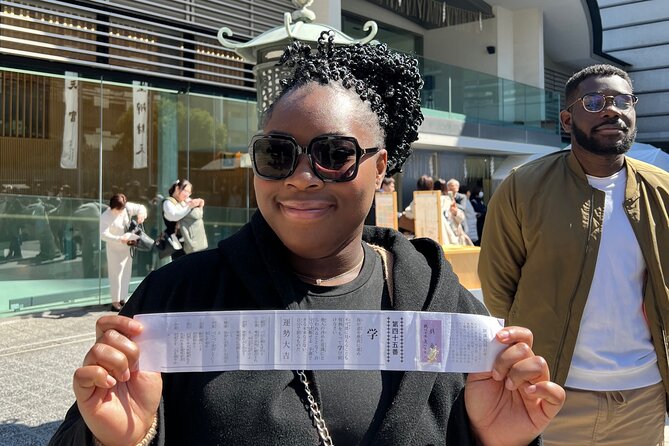
Here’s what your visit looks like, and what you do at each shrine. At every stop, you’ll follow the same core pattern: offer prayers, make a wish, and you’ll have the option to buy a protective amulet, draw an omikuji fortune slip, and receive a goshuin stamp. The exact timing is what varies.
Koami Shrine: fortune energy first
You start with Koami Shrine, one of the best-known stops on this route. The visit is about 15 minutes. You’ll have time to offer prayers, make a wish, and then take part in the optional parts—amulet, omikuji, and a goshuin stamp.
If you like “big deal” shrines that people travel to for luck, this is your anchor stop. It sets the tone for the rest of the walk.
Tip: if you plan to collect omikuji or goshuin, it helps to decide early whether you want to do it at every shrine or only at a few. The options stack quickly.




Suitengu: prayers for safe childbirth and healthy babies
Next is Suitengu Shrine, another 15-minute stop. The focus here is on luck tied to family wellbeing. The tour includes the same actions: prayers, a wish, and the chance to get amulets, an omikuji, and a goshuin stamp.
This is a meaningful contrast to Koami. Even if you don’t know every detail of the seven gods’ domains, you’ll feel the intention through what people come to pray for.
Suginomori Shrine: shorter stop, still a full ritual
Suginomori Shrine gets about 10 minutes. That time window is usually enough for the core steps: prayers, wishing, and the optional keepsakes like the omikuji and goshuin.
This is a good stop if you want to keep momentum. The tour doesn’t let you get bogged down, but it also doesn’t skip the ritual framework.
Kasama Inari Shrine Tokyo Bessha: another quick-and-pray moment
Kasama Inari Shrine Tokyo Bessha is also about 10 minutes. You’ll do the same set of actions: prayers, wishing, and the optional amulet/fortune/stamp choices.
Because this is an Inari-linked stop, it often feels different from the main fortune-focused shrines. Even without chasing explanations, the vibe changes as you move.
Suehiro Shrine: steady luck on a tight schedule
Suehiro Shrine runs for about 10 minutes. Again, you’ll be praying and wishing, with options to collect an amulet, draw an omikuji, and receive a goshuin stamp.
This is one of those stops that can feel small—but in a good way. The tour is compact, so you get a “present moment” feel at each place, rather than thinking about the next train or the next landmark.
Matsushima Shrine: quick prayers, real continuity
Matsushima Shrine is another 10-minute visit with the same ritual options. You’ll offer prayers, make a wish, and choose whether to collect keepsakes.
Continuity matters here. With seven shrines, it’s easy to feel like you’re repeating the same thing. Tomo’s pacing helps it feel like a sequence, not a blur.
Chanoki Shrine: finish with calm closure
Your last stop is Chanoki Shrine, also about 10 minutes. You’ll finish the tour with prayers and the same optional steps, including the goshuin and/or omikuji choices depending on what you want to collect.
Coming at the end, it feels like closing a loop. If your day has been rushed, this final stop is a gentler landing back into regular Tokyo life.
Omikuji and goshuin: plan your keepsakes without getting surprised
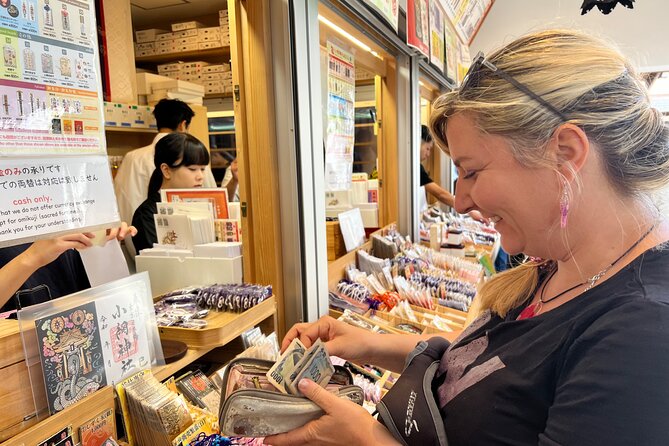
This tour gives you the option to do both omikuji and goshuin at each shrine. That’s great because those items become souvenirs that actually mean something to the moment you were in.
Just note what the tour price covers versus what it doesn’t. The tour includes the visits and the guided experience, but coin offerings, amulet fees, goshuin fees, and fortune slip fees are not included. So if you’re the type who wants a stamp and a slip at every stop, budget for that.
My practical advice: decide on a collection style before you start. For example:
- If you want a light souvenir plan, you could focus on goshuin at a couple of shrines and skip the rest.
- If you want the full set, expect to spend extra at multiple stops.
Either way, having Tomo with you makes the process feel straightforward, and the “what do I do next” moments are handled.
The included snacks: a real break, not a random add-on
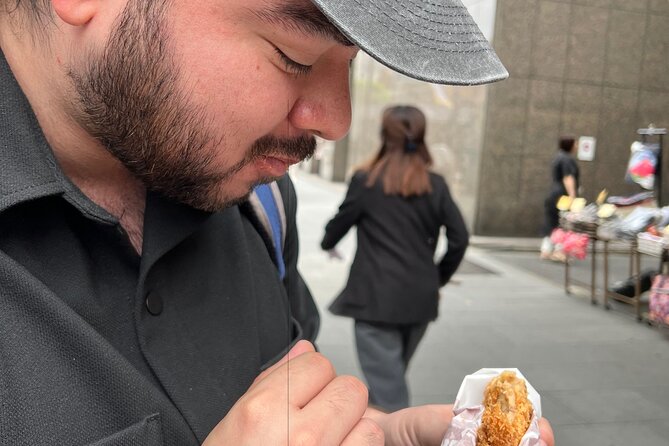
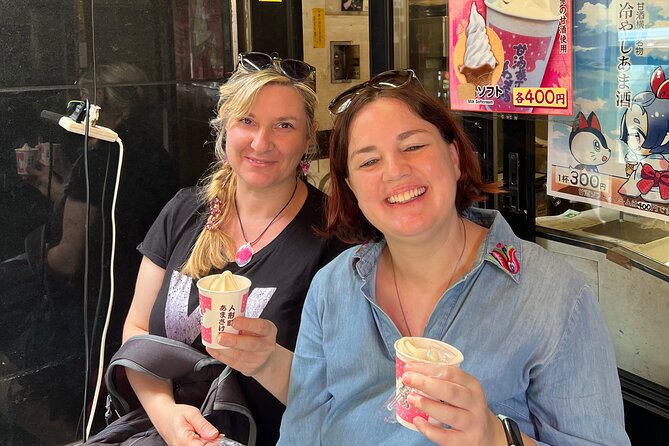
You’ll get two traditional snacks included during the tour. The best part about this is timing: food breaks help shrine walks feel like an actual experience, not just a series of errands.
Also, snacks in Tokyo can be the most satisfying way to taste local street-level culture—small, convenient, and tied to the area you’re in. You don’t have to hunt for a place. You get a planned pause and keep moving.
Since the specific snacks aren’t listed, treat the included snacks as an experience feature rather than something you can pre-shop.
Price and value: is $68 worth it?
At $68 per person, you’re paying for a few important things:
- Private guiding through a tight route with seven shrine stops
- Time built for prayers and optional ritual keepsakes
- Two included snacks
- Mobile ticket convenience
What you might pay additionally is the shrine-related stuff that isn’t included: amulets, goshuin fees, fortune slip fees, and coin offerings. In other words, the base price buys the tour framework, and your “collector level” determines the final total.
If you like structured experiences—where someone helps you do it correctly and efficiently—this price feels reasonable. If you already know exactly which shrines you want to visit and you’re confident doing everything solo, you could DIY for less. But most people doing this type of ritual tour prefer the guidance, especially the first time.
Logistics that actually matter: meeting point and comfort
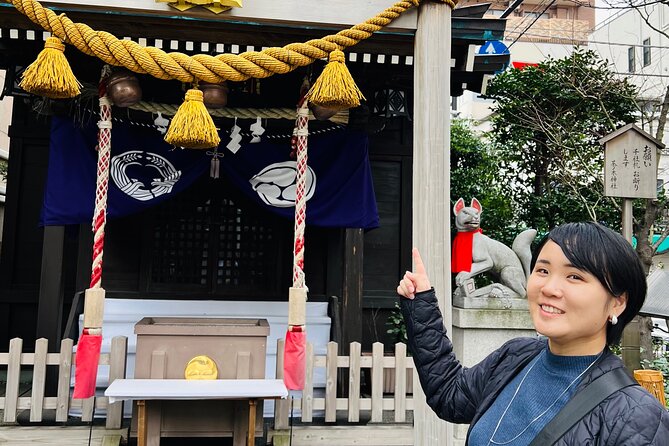
The meeting point is at 人形町しずか皮ふ科 Japan, 103-0013 Tokyo, Chuo City, Nihonbashiningyōchō, 1-chōme1410 三原堂本店ビル 5F. The activity ends back at the meeting point.
A few practical notes:
- Expect the tour to be walk-based. Even though the distance is short, you’ll still cover it over 3.5 hours.
- The route is 2.8 km, so comfortable shoes are a good idea.
- You can set your starting time by messaging, if you want to tailor the day.
- It’s a private tour/activity, so it’s just your group.
- Most travelers can participate, and service animals are allowed.
Also, the tour works best in good weather. If weather turns, you may be offered a different date or a refund, so check the day of.
Who should book this Ningyocho Seven Lucky Shrines tour
This is a strong fit if you:
- Want a calm, local-feeling Tokyo walk instead of major-sight hopping
- Like ritual experiences and want help with omikuji and goshuin
- Prefer a private guide who can adapt pacing and offer practical next steps
- Appreciate a small area where the details stack up: different shrines close together, changing feel as you go
It might not be ideal if you:
- Don’t want to pay extra for offerings, amulets, stamps, or fortune slips
- Want a strictly sightseeing tour with no ritual participation
- Hate any walking longer than a quick stroll (this is still about 2.8 km)
Should you book it?
Yes, I think this tour is worth booking if you want Tokyo that feels human and spiritually minded, with a guide who makes the steps easy. The biggest value is the combination of seven shrine visits in a compact route, Tomo’s supportive guidance style, and two snacks included so you don’t lose the day to hunting.
If you’re a shrine collector, this can turn into an excellent keepsake day. If you’re not, you can still enjoy it by treating omikuji/goshuin as optional picks rather than a must-do at every stop.
Just go in with a clear idea of your souvenir plan, bring a little extra budget for shrine items, and wear shoes you trust. Then you’ll get the best of what Nihonbashi Ningyocho offers: calm streets, meaningful prayers, and a day that doesn’t feel rushed.
FAQ
How long is the Nihonbashi Ningyocho tour?
It’s about 3 hours 30 minutes.
How many shrines do we visit?
You visit seven local shrines tied to the Seven Lucky Gods.
What is the tour route length?
The route is about 2.8 km.
What’s included in the $68 price?
The tour includes the experience and two snacks.
Are shrine fees like amulets, goshuin, or fortune slips included?
No. Coin offering, amulet fee, goshuin fee, and fortune slip fee are not included.
Is this tour private?
Yes. It’s a private tour/activity with only your group participating.
Where does the tour start?
The meeting point is 人形町しずか皮ふ科 Japan, Chuo City, Nihonbashiningyōchō, 1-chōme1410 三原堂本店ビル 5F.
Can I choose the starting time?
Yes, you can request the starting time by messaging.
What if the weather is bad?
The experience requires good weather. If it’s canceled due to poor weather, you’ll be offered a different date or a full refund.