REVIEW · TOKYO
From Tokyo: Mount Fuji Full Day Private Tour (Customizable)
Book on GetYourGuide →Operated by Info Visit Nippon Jp · Bookable on GetYourGuide
A private day to Mount Fuji feels like getting the road to yourself. You get a door-to-door ride from Tokyo plus a flexible plan that can work around weather and timing. I like that you’re not stuck in a group schedule, and you can choose how you want to see Lake Kawaguchi. The only real catch: this tour climbs to high viewpoints, so it’s not a good fit for people with altitude sickness.
What really makes this feel like a tailored day is the human factor. Your English-speaking chauffeur supports photos, handles routing, and helps you squeeze in the right stops even when visibility isn’t perfect. I also appreciate the comfort touches like complimentary tea, coffee, and bottled water, plus onboard Wi‑Fi so you can check connections and map your timing. One consideration: entrance fees for attractions are not included, so you’ll want to budget a bit for tickets once you’re there.
In This Review
- Key reasons this private Fuji day works
- Why a private Mount Fuji day feels different
- Door-to-door pickup in Tokyo: the comfort and the reality
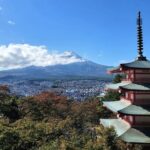
- Arakurayama Sengen Park and Chureito Pagoda: the postcard view, paced
- Mt. Fuji 5th Station: where timing and weather make or break the day
- Lake Kawaguchi: choose your pace—boat, ropeway, or calm time
- Oshino Hakkai: the quiet village stop that adds character
- Lunch, Oishi Park ice cream, and Kitaguchi-hongu Fuji Sengen Shrine
- Hakone add-ons: how to decide when you add them
- Gotemba Premium Outlets: a practical finish, not just a detour
- Value and price: what $353 gets you for up to 6 people
- Weather changes and the reschedule promise that actually matters
- Should you book this private Fuji-and-Fuji-region tour?
- FAQ
- How long is the Mount Fuji full day private tour?
- What is the price for this tour?
- What parts of the day are customizable?
- Is Hakone included, or is it optional?
- What is included in the price?
- Are meals included?
- Where does pickup happen?
- Is the tour wheelchair accessible?
Key reasons this private Fuji day works
- Customization with real flexibility so your driver can adjust timing based on weather and views
- Photography help in motion, with assistance for angles and video moments across multiple stops
- Comfort-first private vehicle (Toyota Vellfire, Crown, or Land Cruiser options) with Wi‑Fi and drinks
- A focused Fuji loop plus optional Hakone add-ons when conditions allow
- Extra service time built in to help you feel un-rushed, not clock-watched
Why a private Mount Fuji day feels different
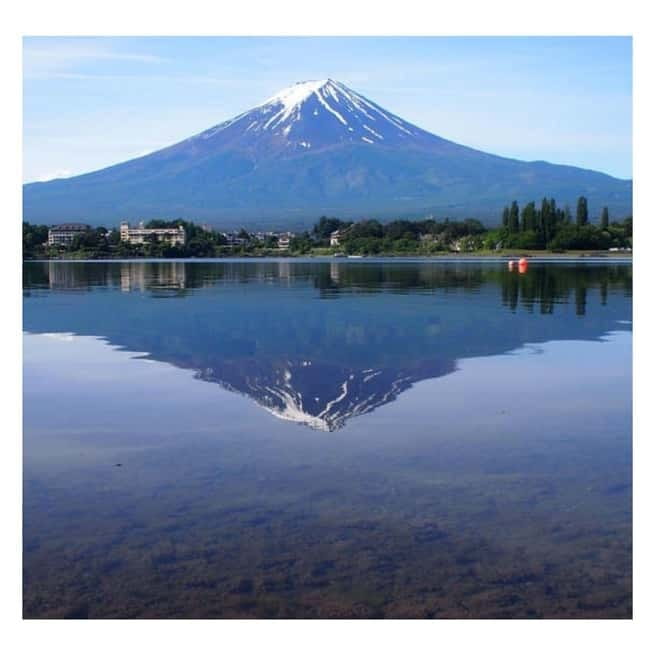
Mount Fuji days can be chaotic if you’re squeezing it in with public transport and crowds. With a private setup, you’re not negotiating trains, transfers, or packed meeting points. You’re riding straight to the best viewpoints and then spending your energy where it matters: looking up at the mountain.
This tour is built for people who care about timing. You’ll hit classic photo areas like Arakurayama Sengen Park and Chureito Pagoda, but you’re also working with a driver who can help you choose the best moments for pictures. When the weather shifts, that skill matters more than people expect.
The value question is simple: you pay for convenience and control. If you hate rushing, hate crowd math, or want the freedom to swap in Hakone when it’s a good visibility day, this private format makes the whole experience feel smoother.
You can also read our reviews of more private tours in Tokyo

Door-to-door pickup in Tokyo: the comfort and the reality
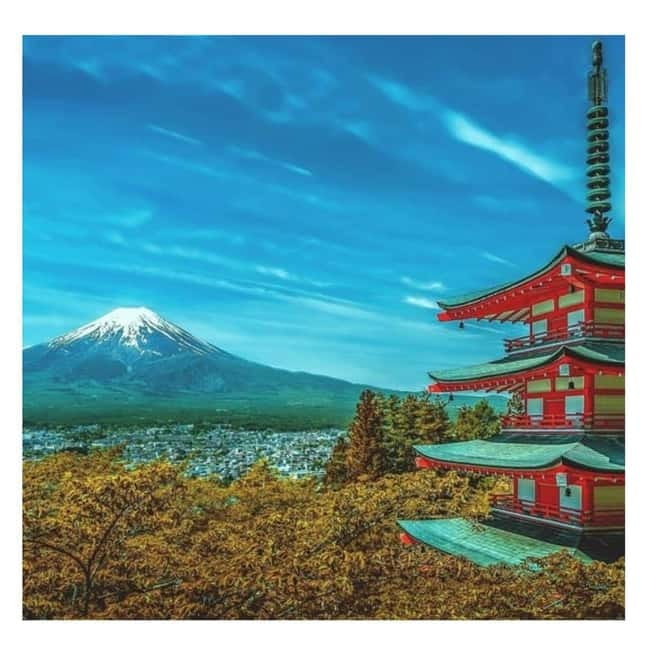
You’re picked up from accommodations within Tokyo’s 23 wards (so this is ideal if you’re staying inside the city). The provider also lists multiple pickup areas across Tokyo, including major zones like Shinjuku, Shibuya, Minato, Shinagawa, and Yokohama-type proximity.
The car is climate-controlled, and you can match your comfort level with vehicle options such as Toyota Vellfire, Crown, and Land Cruiser. That matters on a long day like this, because you’ll be spending real time in the vehicle between viewpoints.
Two practical details help your day stay sane:
- You can choose a clear meeting point like your hotel lobby or a station exit.
- The driver waits up to 60 minutes beyond the scheduled pickup time.
Also note the limits: pickup isn’t available from airports or ports. If you’re landing and hoping to start with Fuji immediately, you may need a city hotel night or a separate transfer plan.
Arakurayama Sengen Park and Chureito Pagoda: the postcard view, paced
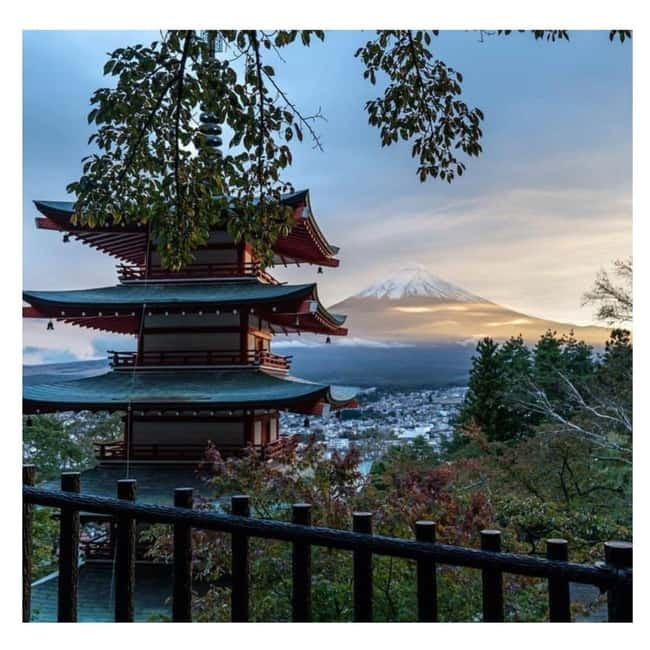
This is where most people first feel the scale of Fuji. At Arakurayama Sengen Park, you’ll do a photo stop and a walk, with a safety briefing before you head out. The idea is simple: you want to get your bearings, then spend time framing shots without feeling hurried.
From there, you move to Chureito Pagoda for another visit and photo stop. This area is famous for a reason: the pagoda-and-Fuji composition is one of Japan’s most recognizable views. With a private driver, you’re not standing in a giant group line hoping timing works out. You can pause, step aside for a better angle, and take breaks when your legs need them.
One small reality check: these walks are best done with comfortable shoes. If you’re the kind of person who takes photos every two minutes (you probably are), plan for some walking up and around.
Mt. Fuji 5th Station: where timing and weather make or break the day
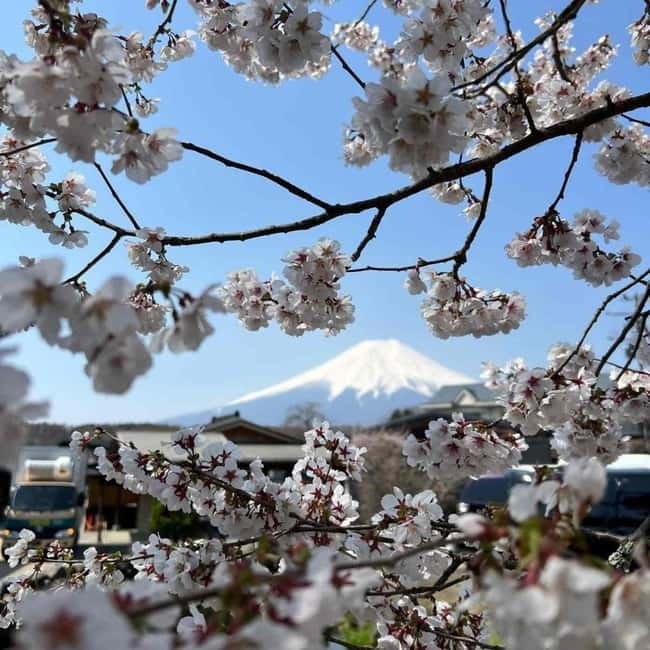
The Mt. Fuji 5th Station stop is the heart of the day for many people. It’s your highest big viewpoint on this route, so it gives you a more dramatic sense of the mountain’s slopes than lower observation spots.
You’ll get a viewpoint time plus walking, and the tour includes a safety briefing. Expect to dress warm. Even in seasons that feel mild in Tokyo, Fuji’s higher areas can feel colder and windier, especially if visibility is thin.
Is this stop always perfect? Not necessarily. Clouds can roll in. Mist can erase the summit line. That’s why the private part matters: your driver can help manage the order and timing of other stops so you still leave with strong views and solid photo results.
Also, if you have altitude sickness concerns, this tour isn’t suitable. The whole point of going higher is great for views, but it’s not a good idea for everyone.
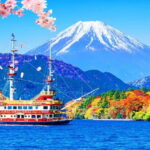
Lake Kawaguchi: choose your pace—boat, ropeway, or calm time
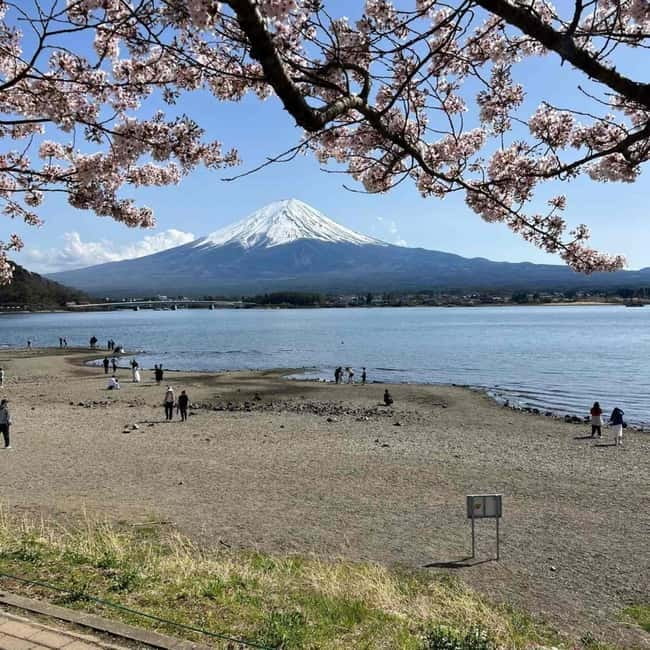
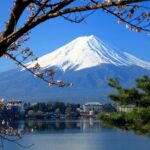
After Fuji, you drop into a more relaxed rhythm at Lake Kawaguchi. This is one of the best ways to cool down from the mountain intensity without losing the Fuji connection.
You’ll get a visit and sightseeing time here with safety support, and you can choose among options like:
- a speedboat ride,
- a ropeway glide,
- or a cruise boat experience.
What I like about this setup is that it lets you match your energy level. If you want motion and views, pick the boat options. If you want fewer physical demands, the ropeway can be a better compromise. Either way, Lake Kawaguchi gives you that wider “Fuji in the frame” perspective that many people miss when they only do viewpoints.
Also, you’ll be grateful for the breaks. A full-day private tour is still a full day, and this is where you can sit back, breathe, and let your photos shift from close-up mountain shots to calmer reflections.
You can also read our reviews of more tours and experiences in Tokyo

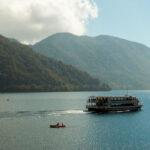
Oshino Hakkai: the quiet village stop that adds character
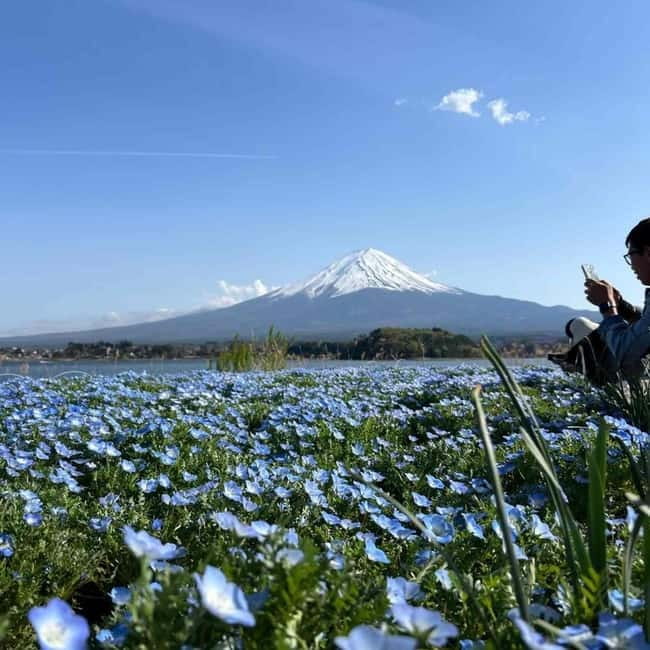
Oshino Hakkai brings things down to human scale. You’ll visit a traditional village area and spend time walking and sightseeing with guidance.
This stop works because it adds context. Fuji isn’t only a single view angle. It’s also the surrounding culture and water sources that support daily life. Oshino Hakkai is the kind of place where you can slow down, grab a snack if you find something that fits, and take photos that feel more local than postcard-only.
A practical tip: this is another walking stop, so keep your energy for later. If you overdo the photo climb earlier, you’ll feel it here.
Lunch, Oishi Park ice cream, and Kitaguchi-hongu Fuji Sengen Shrine
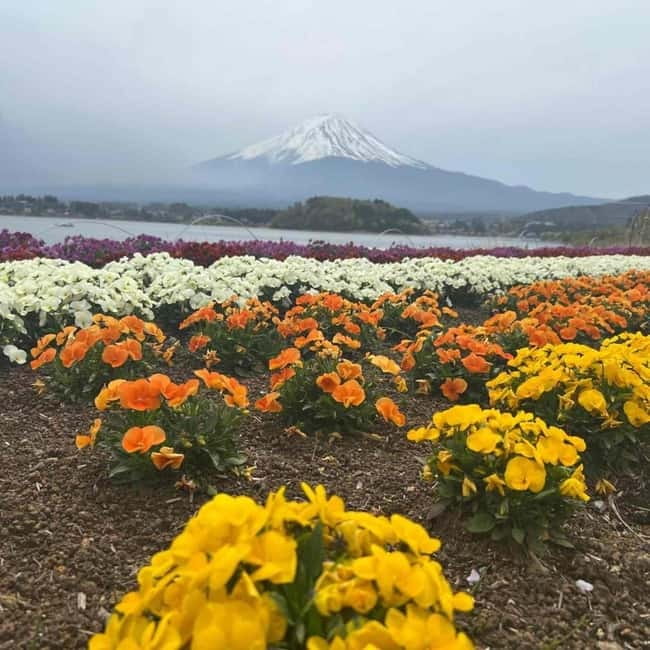
The day includes a local restaurant lunch break for about 30 minutes, and the tour notes vegetarian and kid-friendly options. That’s not a guarantee that every meal will be adventurous, but it helps you avoid the most stressful part of day trips: searching for food you can actually eat on time.
After lunch, Oishi Park gives you another photo stop and time to enjoy the area. It’s also described as a flower park with an ice cream stop. If you’re traveling with kids, this kind of predictable treat stop can keep everyone cooperative.
Then you’ll visit Kitaguchi-hongu Fuji Sengen Shrine, which includes a photo stop, shopping time, and walking. Shrines can feel hit-or-miss on timed tours if you don’t know what to look for, but a guided stop helps you understand what you’re seeing and why it matters. Even if you’re not a shrine person, Fuji shrine culture is part of the mountain story.
Hakone add-ons: how to decide when you add them
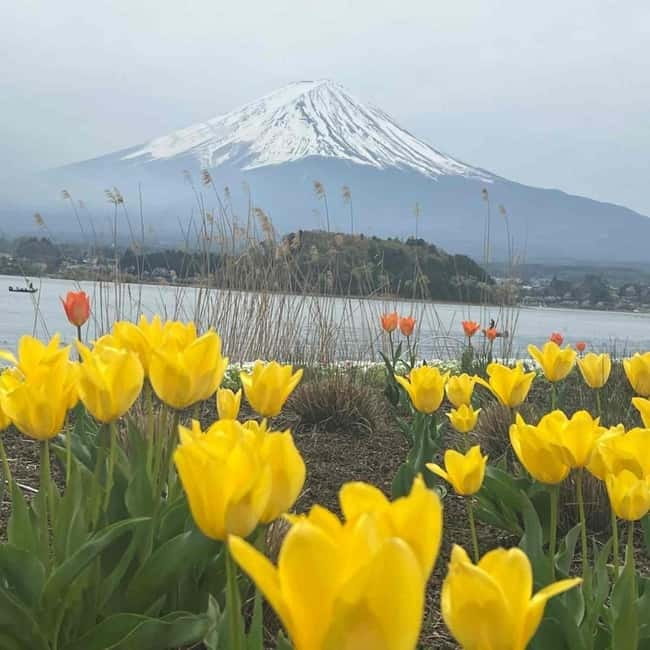
The tour is customized, and Hakone can be added depending on timing and weather. The options listed include:
- Hakone Shrine
- Hakone Open Air Museum
- Lake Ashinoko
- Owakudani Valley
- Hakone Ropeway
The important point is that Hakone is a lot of movement and switching scenery. If Fuji visibility is strong that day, I’d lean toward keeping the day focused on Fuji first, then adding one or two Hakone highlights rather than trying to do everything.
When Hakone is included on your route, the day can include a Hakone Ropeway stop, plus Hakone Shrine, Lake Ashi, and Owakudani Valley. That gives you a strong variety: aerial views, lakeside Fuji angles (when weather cooperates), and the geothermal vibe at Owakudani.
Why this matters for your decision:
- If clouds hide Fuji earlier, you may still get great atmosphere and views in Hakone.
- If visibility is excellent, you’ll want extra attention on Fuji angles so you don’t spend your best sighting time stuck in transfers.
Your driver’s job is to manage this tradeoff. Guides named like Waqas Ahmad and Sarfraz are described as attentive and photo-focused, including helping find good viewpoints even when conditions weren’t ideal. That type of flexibility is the real benefit of private planning.
Gotemba Premium Outlets: a practical finish, not just a detour
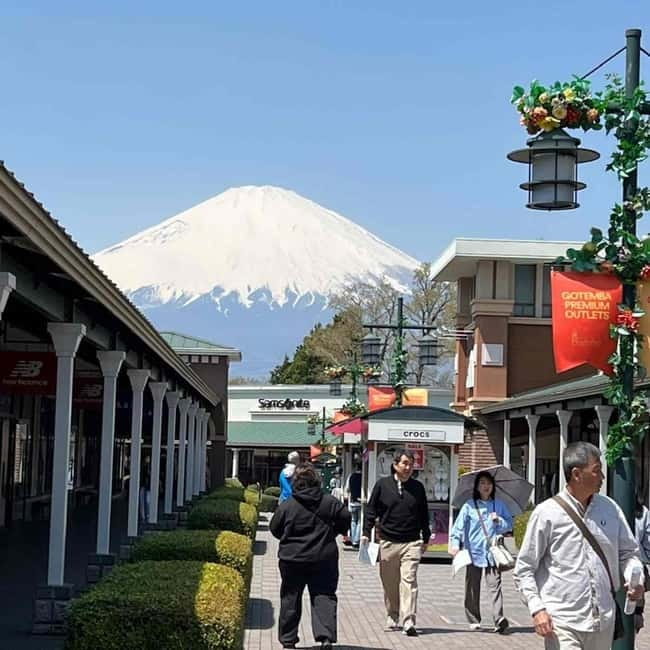
By the later part of the day, the schedule often includes Gotemba Premium Outlets. It’s a logical way to end a long day if you want something tangible after all the viewpoints.
You get a photo stop and time for shopping, with about 1.5 hours noted for outlet time. This isn’t the cultural heart of the day, but it can be a win if your group includes people who want a break from walking and just want a convenient place to shop before returning to Tokyo.
If shopping isn’t your thing, treat this time like breathing room. You can also use it to recharge before the ride back, especially if you’ve been outside on cold mornings or windy afternoons.
Value and price: what $353 gets you for up to 6 people
At $353 per group up to 6, you’re paying less per person than a lot of private experiences when you travel with family or friends. The price makes sense if you compare it against:
- the cost of taxis between multiple far-apart stops,
- the time lost dealing with trains and transfers,
- and the frustration of weather randomness without any flexibility.
You also get several “small” inclusions that add up on a day like this:
- English-speaking chauffeur (with support across multiple languages like Urdu, Japanese, Hindi, and Punjabi),
- onboard Wi‑Fi hotspot,
- complimentary tea, coffee, and bottled water,
- toll fees and parking covered,
- and help with photography and videography.
There’s also mention of an extra one hour of service, which is a big deal in practice. On day trips, the problem isn’t only destinations—it’s whether you have time to enjoy them without sprinting from one point to the next.
Entrance fees and meals are not included, so you still control some costs. But the heavy logistics are handled, which is where private value usually lives.
Weather changes and the reschedule promise that actually matters
Fuji days are weather-dependent. The provider states that if conditions are bad or unexpected incidents affect the day, your tour can be rescheduled to a date of your choice. If pickup delays happen, the tour duration is extended at no extra charge.
That’s reassuring, because visibility is often the make-or-break factor. A plan that can pivot based on conditions is more useful than a rigid checklist.
Also, a note on rules: smoking, alcohol and drugs, fireworks, and making fire are not allowed. It’s a typical safety and comfort policy, but it’s good to know if you’re thinking about drinks or celebrations.
Should you book this private Fuji-and-Fuji-region tour?
Book it if you want a comfortable, customizable Mount Fuji day with door-to-door pickup, help with photos, and the option to add Hakone when timing and weather line up. It’s especially good for families, couples, and groups of up to six who care about convenience and hate the stress of public transport day trips.
Skip it if you’re sensitive to altitude or if you’re traveling solo with no one to split the group cost. Also, if you’re trying to do Fuji only and you love hiking far more than viewing, you might find this style more “guided scenic circuit” than “serious climb.”
If you can handle a long day, wear warm layers, bring comfortable shoes, and show up ready to adjust with your driver, this tour format is one of the smoother ways to experience Fuji from Tokyo without turning your trip into a logistics puzzle.
FAQ
How long is the Mount Fuji full day private tour?
The tour runs for about 11 hours, including travel time.
What is the price for this tour?
The price is $353 per group, up to 6 people.
What parts of the day are customizable?
You can customize your itinerary by choosing from optional activities and adding Hakone spots depending on timing and weather.
Is Hakone included, or is it optional?
Hakone add-ons are optional. The listed options include Hakone Shrine, Hakone open air museum, Lake Ashinoko, Owakudani Valley, and Hakone Ropeway, depending on timing.
What is included in the price?
Included items cover an English-speaking chauffeur, private climate-controlled vehicle pickup and drop-off, fuel expenses, parking, toll fees, complimentary tea/coffee/bottled water, onboard Wi‑Fi, and assistance with photography/videography.
Are meals included?
Meals are not included. Lunch is described as an optional local restaurant stop with a meal break (vegetarian and kid-friendly choices are mentioned).
Where does pickup happen?
Pickup is available from accommodations within Tokyo’s 23 wards. Pickup is not available from airports or ports.
Is the tour wheelchair accessible?
Yes, the tour is listed as wheelchair accessible. If you have mobility concerns, you should inform the provider in advance.