REVIEW · TOKYO
Free Choice of Itineraries Tokyo Private Tour
Book on Viator →Operated by Fulfilling Inc. · Bookable on Viator
Tokyo feels big when you land.
This private tour lets you choose 4 destinations from major sights like Tsukiji, Senso-ji, Skytree, and Meiji Jingu, then tie them together with an English-speaking guide (I especially liked seeing how guides can shape the flow, like Yoki did in one review). The format is built for real planning: you’ll reply with your site choices after booking, and you’ll get a day that matches your vibe. One trade-off to keep in mind: several of the most famous stops are not included on admission, so your final total depends on which four you pick.
The “private” part matters here. You’re not squeezed into a big group pace, and you can ask questions on the move instead of saving everything for a scripted lecture. For the logistics-minded, the tour is designed around public transportation, with meeting in your hotel lobby and a guide who handles transit between sites. Still, public transit for you is listed as not included, so you should plan on paying your own train/subway fares.
In This Review
- Key Highlights You’ll Actually Use
- A Private Tokyo Day Built Around Your 4 Stops
- Price and What’s Actually Included (and What Isn’t)
- Included (good news)
- Not included (watch your total)
- Admission snapshot for the sites you might choose
- Hotel Lobby Pickup and Public Transport: The Real-World Rhythm
- What to expect day-of
- Tsukiji Outer Market: Start With Food and Energy
- Senso-ji Temple: Classic Tokyo, Built for Walking
- Tokyo Skytree: Views Worth Budgeting For
- Ueno Zoo: A Kid-At-Heart Break That’s Also Very Tokyo
- Shibuya Scramble Crossing: Quick, Simple, and Still Fun
- Meiji Jingu Shrine: A Quiet Pause From the City Noise
- Tokyo Tower: The View With a Tokyo-Sized Personality
- Shinjuku Gyoen National Garden: Gardens Made for All Seasons
- Owl Café and Hedgehog Café: Small, Pay-to-Play Tokyo Quirk
- Maid Café: A Loud, Theatrical Option in Akihabara
- Hamarikyu Gardens and the Imperial East Gardens: Calm Between Icons
- Hamarikyu Gardens
- Imperial Palace East Gardens
- How to Choose the Best 4 for Your Style
- If you want first-timer classics
- If you want city energy plus a reset
- If you want quirky fun without losing the day
- If you want a calmer, nature-leaning day
- A small caution that pays off
- The Guide Makes the Day: Yoki’s Effect on What You See
- Should You Book This Tour?
- FAQ
- How do I choose which 4 destinations I want?
- How long is the tour?
- Is this tour private?
- Do you pick up guests from hotels?
- What language is the guide?
- Are admission tickets included?
- Do we use public transportation?
- What tickets do I get?
- When will I get confirmation after booking?
- Can I cancel for free?
Key Highlights You’ll Actually Use
- Free pick-your-4 flexibility: You steer the day by choosing four destinations from a real menu of Tokyo classics and quirky cafés.
- Hotel lobby meeting: You start easier than the usual meet-at-a-station chaos.
- English-speaking professional guide: You get context and direction while you’re walking, not after you’re back in your hotel.
- Big-name sights with varied ticket costs: Some stops are free to enter (like Senso-ji and Meiji Jingu), while others require tickets.
- Public transport, not private car routing: Great for traffic-proof sightseeing and Tokyo-style movement.
- Good value for a private day: The price makes more sense when you pick a mix of top free sights plus 1–2 paid attractions.
A Private Tokyo Day Built Around Your 4 Stops
Here’s the core idea: you choose four destinations you want, and you do them on a private schedule with a guide. That small detail changes the whole experience. Instead of “show up and hope the day works,” you decide what matters most—food, temples, views, gardens, animals, or the weird-cute café scene in Akihabara.
The tour is listed as about 8 hours, which is long enough to cover meaningful ground without turning the day into a sprint. In practical terms, that means you can pair major icons (like Senso-ji or Tokyo Skytree) with a calmer break (like Shinjuku Gyoen or Hamarikyu) and still have time to actually enjoy the neighborhoods between stops.
You’ll get an email after booking asking you to reply with your chosen destinations. Do this promptly so the day is organized around your preferences. The “private” format also means the guide can shape walking order to reduce backtracking.
You can also read our reviews of more private tours in Tokyo


Price and What’s Actually Included (and What Isn’t)
The tour costs $191.14 per person and averages booking about 81 days in advance. Since it’s private and you’re choosing four stops, the value depends on two things: (1) which attractions you pick, and (2) how many of those require paid admission.
Included (good news)
- English-speaking professional guide
- Private tour
- Meeting in your hotel lobby
- Public transportation to/from (guides)
- Mobile ticket
- Group discounts are listed as a feature
Not included (watch your total)
- Food and drinks
- Public transportation to/from (customers)
- Admission fees for customers (and guides)
Admission snapshot for the sites you might choose
Based on the tour options, some stops are free to enter, such as:
- Tsukiji Outer Market (admission ticket free)
- Senso-ji Temple (admission ticket free)
- Shibuya Scramble Crossing (free)
- Meiji Jingu Shrine (free)
Others are not included and will cost extra, such as:
- Tokyo Skytree
- Ueno Zoo
- Tokyo Tower
- Shinjuku Gyoen National Garden
- Owl Cafe / Hedgehog Cafe / Maid Cafe
- Hamarikyu Gardens
- Imperial Palace East Gardens of the Edo Castle Ruin
So the “value math” works like this: if you pick four that are mostly free, you’ll spend less day-of. If you pick multiple ticketed attractions (Skytree + zoo + garden, for example), you’ll pay more, but you’ll also get more of the big-ticket Tokyo experiences.






Hotel Lobby Pickup and Public Transport: The Real-World Rhythm
This tour uses public transportation and meets you in the hotel lobby. That’s a smart match for Tokyo, where trains and subways are usually faster than trying to drive.
But here’s the practical catch: public transit for you is listed as not included. The guide’s transit is included, which usually means the guide can navigate routes and transfers smoothly—but you should budget for your own fare.
What to expect day-of
- You’ll start at your hotel lobby with the guide.
- You’ll move between neighborhoods by train/subway and walk at each site.
- The pace is designed for sightseeing blocks that fit within about 8 hours.
If you like moving through a city by foot and rail, you’ll probably find this style comfortable. If you dislike public transit or get stressed by train changes, pick destinations that cluster well (example: temple + shrine + garden in nearby areas) so you don’t burn time switching lines.
Tsukiji Outer Market: Start With Food and Energy
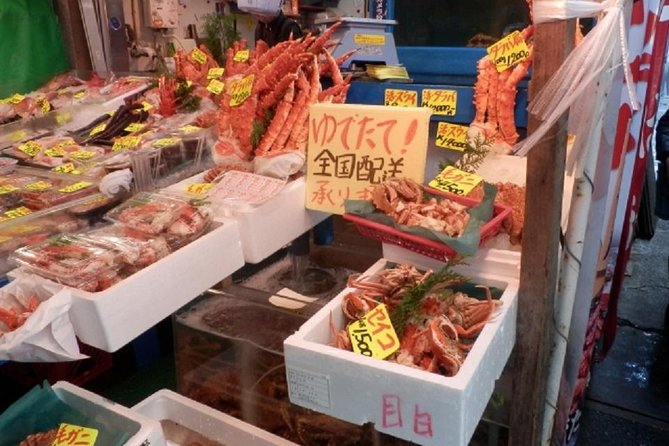
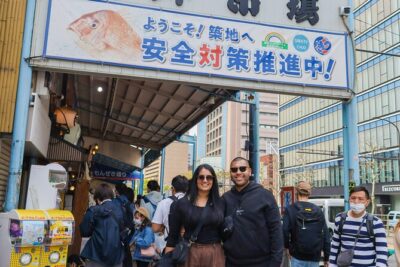
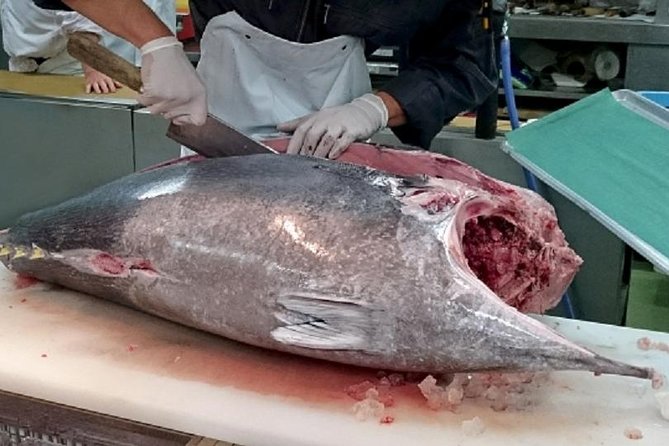
Tsukiji Outer Market is often where Tokyo tastes like itself. It’s not a polished museum stop; it’s a real food area with a mix of wholesale-style stalls, retail shops, and restaurants along the streets.
This is one of the best “first stop” choices because it sets the mood instantly. You can graze as you go, and it’s easy to turn the visit into breakfast or an early lunch without the formality of a reservation.
What I like about this stop for a private tour: your guide can help you find the kinds of foods you’re actually interested in, instead of you wandering aimlessly in a sea of menus. Also, since admission is free, you’re not burning your budget just to enter.
Consideration: it’s a very popular area. If you’re sensitive to crowds, ask your guide to plan your time around your ideal food style—quick bites vs. longer tastings.
Senso-ji Temple: Classic Tokyo, Built for Walking
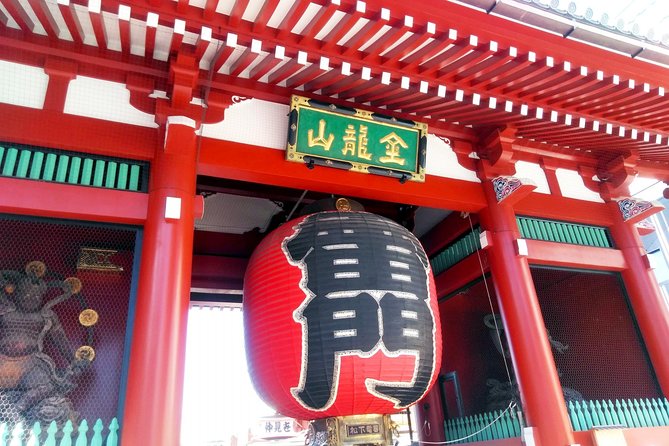
Senso-ji is one of Japan’s most famous temple complexes, and it’s famous for a reason. You get major religious architecture, plus a walking experience that pulls you through the area naturally.
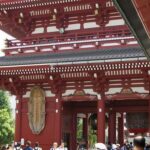
This is the kind of stop where a guide helps more than you think. The site is big enough that context matters: you’ll see historic structures like the five-story pagoda and the Hozo-mon Gate (Treasure-House Gate) inside the grounds.
Admission is free, so this is a high-value choice for your four stops. It also pairs well with nearby areas, since the “walk and wander” energy matches the rest of the old-city vibe.
Tip: if you want photos, plan for a few short photo pauses rather than long stand-stills. It keeps your day from feeling like you’re only waiting for light.
Tokyo Skytree: Views Worth Budgeting For
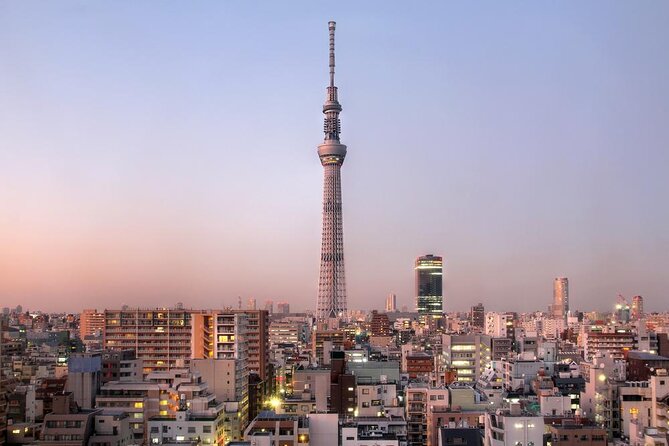
Tokyo Skytree is the world’s tallest tower at 634 meters, and it’s a proper view stop—not just a quick exterior photo. The observation levels are at 340 meters and 450 meters, and there’s a café on the observation deck.
That café detail matters. It gives you a way to slow down, sip something, and actually look across the city instead of rushing through the viewing platform like it’s a conveyor belt. On sunny days, you can even see Mount Fuji, which is the kind of payoff you remember later.
The catch: admission isn’t included, so this is one of the ticketed stops that can raise your total. If you’re okay paying for the skyline, Skytree is a strong pick.
Consideration: you’ll want clear weather. If skies are hazy, the experience can still be fun, just less dramatic. If clear-day views are your top goal, Skytree is the place to spend your paid admission.
Ueno Zoo: A Kid-At-Heart Break That’s Also Very Tokyo
Ueno Zoo is a Tokyo Metropolitan Zoo, opened in 1882. It’s also known for animal variety—about 400 species—including rare animals such as the Sumatra tiger.
If your four-stop mix includes more urban landmarks, the zoo can act like a reset. It’s a different rhythm: walking paths, animal exhibits, and stops that pull you into quieter corners of Ueno.
Admission is not included, but the value is in the breadth of exhibits. The tour lists highlights like the Giant Panda Building and areas featuring Japanese wild birds and animals, plus a forest where animals live.
Consideration: this is a longer ticketed stop on paper (listed as about 2 hours 30 minutes). Since you’re choosing only four destinations, be mindful that a zoo visit can take up more of your day than, say, Shibuya Crossing.
Shibuya Scramble Crossing: Quick, Simple, and Still Fun

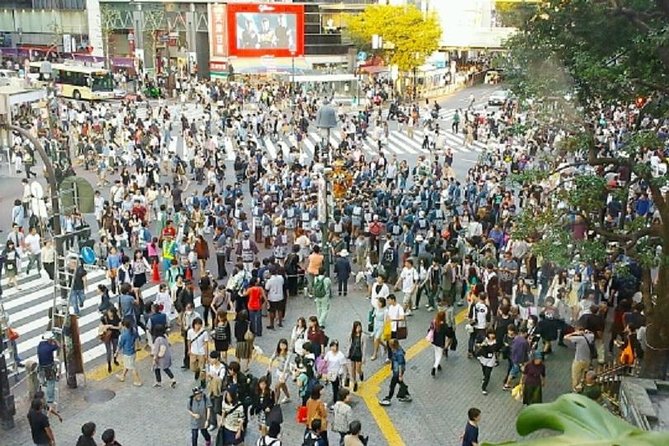
Shibuya Scramble Crossing is one of those places you either love instantly or you just pass through. Either way, it’s an easy win because it’s free and short.
The numbers in the tour description give you a sense of scale: about 500,000 users per day, with roughly 3,000 people moving during one green light. It’s a real-life choreography moment where many people cross without getting hit.
With a private guide, this isn’t just about standing at the corner. You can time it to when you want your photos and your photos don’t turn into a multi-hour waiting game.
Consideration: if you want calm and quiet, don’t build your day around Shibuya. Use it as a brief energy spike.
Meiji Jingu Shrine: A Quiet Pause From the City Noise
Meiji Jingu Shrine is a powerful contrast to Tokyo’s high-speed streets. Built in 1920, it enshrines Emperor Meiji and Empress, and it’s visited year-round by both Japanese worshipers and foreign tourists.
One of the most useful details in the tour description is the sense of atmosphere: it’s called a power spot, and your fortune may rise. Also, you may even see couples dressed in traditional Japanese wedding attire.
Since admission is free, this is another high-value stop for your four selections. It gives you space to slow down, breathe, and reset after busier sights.
Tip: go with the mindset of walking and noticing. The experience often feels better when you don’t rush for a single photo.
Tokyo Tower: The View With a Tokyo-Sized Personality
Tokyo Tower is a classic radio tower standing at 333 meters, built in 1958. Like Skytree, it’s a place to take in skyline views, but it has its own style and energy.
The tour also notes there’s a view café and a shrine on site. It mentions two different lighting patterns:
- Landmark Light shines outward or toward Tokyo Tower depending on the name
- Diamond Veil emits light outward from the tower
Season changes the color, with white in summer and orange in winter.
This stop is not included for admission, so it’s another paid “choose this if you want it” decision. If you’re a “one tower is enough” kind of person, Tokyo Tower might be the easier paid add-on compared to Skytree—depending on what you care about more: height and modern observation decks vs. classic tower vibes.
Shinjuku Gyoen National Garden: Gardens Made for All Seasons
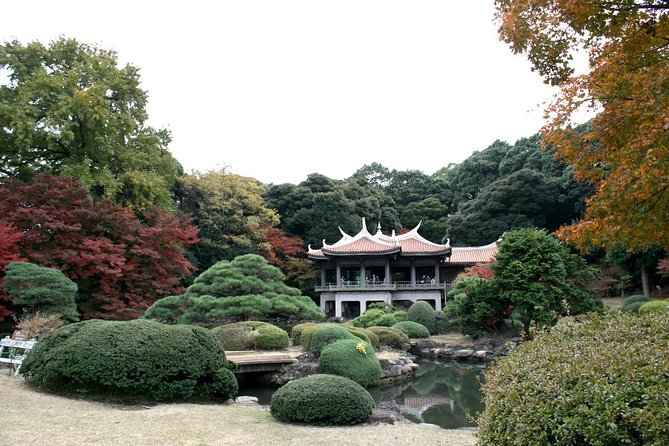
Shinjuku Gyoen combines different garden styles—well-formed, landscaped, and Japanese garden design. It’s tied to Meiji-era planning and was built in 1906 as an imperial garden. The grounds are surrounded by over 10,000 trees, which is why it offers seasonal scenery.
If you choose it, the value is in variety: the tour also mentions several historic buildings inside the garden grounds, which can give you a feel for imperial-era planning and how the area was used.
Admission is not included, so this is a paid stop that makes sense if you want a break from the city’s pace. For a lot of people, gardens are the part of Tokyo they wish they did more of.
Consideration: the garden experience is time-based. Build your day so you don’t feel rushed inside the grounds.
Owl Café and Hedgehog Café: Small, Pay-to-Play Tokyo Quirk
Akihabara has a reputation for eccentric indoor experiences, and these cafés are exactly that. The tour offers:
- Owl Café Tokyo Akiba Fukurou: interact with owls, with classical music and chandelier lighting described as creating healing effects
- Hedgehog Café HARRY: interact with hedgehogs; it’s drinks-only and described as cute, with hedgehogs playing or sleeping on hands
These stops are not included in admission, and the time is listed as about 1 hour each.
This is the right choice for you if you like light, silly, human-scale experiences where you’re doing something instead of just walking. Also, these cafés are often easier to fit into a four-stop plan than a long museum visit because the time block is manageable.
Consideration: these are not the type of experiences that give you a deep sense of Tokyo’s outer culture. They’re fun, but don’t let them crowd out temples, markets, or parks if that’s what you came for.
Maid Café: A Loud, Theatrical Option in Akihabara
The tour also lists a Maid Café at an at-home cafe Akihabara Main, where you enjoy a meal with maid staff who play, sing, and dance. The tour description also notes themed food presentation like drawings made with ketchup and chocolate on items.
Admission is not included, and the tone is clearly performance-heavy. This can be a memorable, goofy evening story—if that’s your style.
Consideration: if you prefer calm sightseeing, you may not love this as one of your four choices. If you’re curious though, it’s a very distinct slice of contemporary Tokyo culture.
Hamarikyu Gardens and the Imperial East Gardens: Calm Between Icons
Two of the best “breathing room” options on the list are:
- Hamarikyu Gardens
- East Gardens of the Imperial Palace (Edo Castle Ruin)
Hamarikyu Gardens
Hamarikyu is set around Shioiri Pond, with a seawater moat and a size listed as 250,165 square meters. It was remodeled as a public garden on the site of a villa connected to the Tokugawa family.
Admission is not included. For a private tour, this stop can be a relief from crowds because it’s about walking and lingering around water and gardens.
Imperial Palace East Gardens
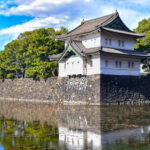
The Imperial Palace is in Chiyoda Ward. The tour description points to the Emperor and Empress-related areas, the palace, and the Imperial Household Agency office, plus the historic context that in the Tokugawa period it was used as Edo Castle. It also mentions Nijyubashi bridge and notes the area can feel nature-filled even with skyscrapers around.
Admission is not included here too.
This pairing works well if you want Tokyo’s “power and planning” side without turning your day into nonstop photos. The gardens give you a sense of space, and the palace grounds give you a sense of place.
How to Choose the Best 4 for Your Style
You get to pick four destinations, so you should pick based on your travel personality. Here are a few practical mixes you can aim for—using the types of stops that fit your day.
If you want first-timer classics
Pick: Tsukiji Outer Market + Senso-ji + Meiji Jingu + one major paid view (Skytree or Tokyo Tower).
This keeps your paid spending focused on the skyline while your other time stays high-value and mostly free.
If you want city energy plus a reset
Pick: Shibuya Crossing + Skytree + Shinjuku Gyoen + Meiji Jingu.
You’ll get big-city motion, then step into calmer green spaces.
If you want quirky fun without losing the day
Pick: Tsukiji Outer Market + Senso-ji + Owl Café (or Hedgehog Café) + Hamarikyu Gardens.
This balances the cute indoor experiences with at least two grounded Tokyo neighborhood stops.
If you want a calmer, nature-leaning day
Pick: Meiji Jingu + Shinjuku Gyoen + Hamarikyu Gardens + Imperial East Gardens.
You’ll trade some big ticket views for walking space and slower rhythms.
A small caution that pays off
Ticketed stops aren’t just about cost—they’re also about time. If you choose Ueno Zoo plus multiple other paid admissions, your “8 hours” can fill quickly with lines and internal navigation. I’d rather see you pick one or two ticket-heavy anchors and let the free stops do the rest.
The Guide Makes the Day: Yoki’s Effect on What You See
One of the most positive signals from the tour feedback is the guide impact. In one note, Yoki was praised for showing highlights like the Imperial Palace, Tokyo Skytree, and Tsukiji Outer Market in a way that made the day feel organized and interesting.
That doesn’t mean every stop will feel equally story-heavy. One piece of feedback flagged that Japanese history knowledge may not always land the way you want. If history storytelling is your main goal, you can fix that by asking your guide a simple question early on: how they plan to frame each place beyond the basics. A private format gives you that chance.
Should You Book This Tour?
If you want an easy Tokyo plan with flexibility, I think this is a strong booking. The private, pick-your-4 format is the real selling point, and the hotel lobby start helps you avoid wasting the first day on logistics. The value also works well when you use the free entries (Tsukiji, Senso-ji, Shibuya, Meiji Jingu) to stretch your budget and choose only a couple paid attractions.
I would skip or rethink it if:
- You hate paying for admissions and prefer tours where everything is fully included.
- You want a deeply history-focused guided narrative at every stop without any variation.
- You prefer a car-based itinerary and don’t like public transit at all, since customer transit fares aren’t included.
If your goal is a well-planned Tokyo day that you can customize, this tour makes a lot of sense.
FAQ
How do I choose which 4 destinations I want?
After booking, you’ll receive an email and you should reply with the tourist sites (destinations) you want to visit. The tour is built around your four picks.
How long is the tour?
The duration is listed as about 8 hours.
Is this tour private?
Yes. It’s a private tour/activity, so only your group participates.
Do you pick up guests from hotels?
Hotel pick up is offered, and the meeting point is listed as the hotel lobby.
What language is the guide?
The tour includes an English speaking professional guide.
Are admission tickets included?
Some stops are listed as free (like Tsukiji Outer Market, Senso-ji, Shibuya Scramble Crossing, and Meiji Jingu Shrine), while others are not included (like Tokyo Skytree, Ueno Zoo, Tokyo Tower, Shinjuku Gyoen, and the cafés).
Do we use public transportation?
The tour is described as using public transport. Public transportation to/from is included for the guides, while public transportation to/from is listed as not included for customers.
What tickets do I get?
You’ll receive a mobile ticket.
When will I get confirmation after booking?
You’ll receive confirmation at time of booking unless you book within 2 days of travel, in which case confirmation is received within 48 hours, subject to availability.
Can I cancel for free?
Yes, the tour offers free cancellation up to 24 hours in advance for a full refund.
If you tell me which four destinations you’re leaning toward, I can help you map a smart order so your day feels smooth and your paid admission choices hit the most important spots for you.