REVIEW · TOKYO
Matcha table tea ceremony experience in Tokyo
Book on Viator →Operated by Shuminavi Inc. · Bookable on Viator
Frothy matcha at a tabletop in Meguro. This matcha table tea ceremony is a rare chance to learn from Masumi Matsumoto, a master tea instructor, with an English-forward lesson and a true hands-on practice. I like that it’s designed for comfort with a chair setup instead of floor sitting, and I like how the class keeps the tone relaxed and approachable. One consideration: it’s the table-and-chair version, so if you want the full floor-seiza vibe, you’ll miss that.
For me, the sweet spot here is the mix of story and skill. In about two hours, you start with explanations, then you enjoy matcha and seasonal wagashi, and finally you make and serve your own tea. You’ll also learn the etiquette side—how to move, how to present the drink, and why the room feels quiet and focused.
This is also practical Tokyo sightseeing logistics. The meeting point is a short walk from Toritsudaigaku Station in Meguro-ku, and the class caps at 5 travelers, which helps the instructor keep things interactive without racing people through.
In This Review
- Quick hits before you go
- Table tea ceremony at a table, with a chair (not seiza)
- Meet Masumi Matsumoto and learn the point of matcha
- The 2-hour flow: sweets, matcha lessons, then you whisk and serve
- Meguro-ku logistics: easy walk from Toritsudaigaku Station
- Price and value: is $65.04 worth it?
- Who should book this matcha table tea ceremony (and who might skip it)
- Should you book this matcha table tea ceremony in Tokyo?
- FAQ
- How long is the matcha table tea ceremony experience?
- Is the tea ceremony done on the floor?
- How many people are in the group?
- Who teaches the session?
- What happens during the first half of the class?
- What do you do during the second half?
- Where does the experience take place and how do I get there?
- What’s the cancellation policy?
Quick hits before you go
- Master Instructor-led lesson: Masumi Matsumoto is a Master Instructor with the Japan Table Tea Ceremony Association.
- Chair seating at a table: Table tea ceremony format means you don’t have to sit on the floor.
- Two-stage experience: first enjoy matcha and seasonal sweets, then you make and serve matcha yourself.
- Tea whisk practice: you get instruction on how to use the special matcha whisk, not just watch.
- Small group size: maximum 5 people helps with questions and attention.
- Meguro location with easy access: a 2-minute walk from Toritsudaigaku Station keeps this low-stress.
Table tea ceremony at a table, with a chair (not seiza)
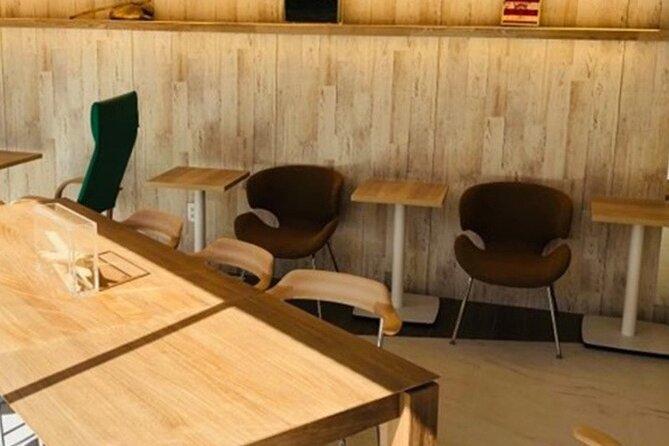
In a lot of popular tea ceremony ideas, you picture sitting on the floor. Here, the format is the table tea ceremony style. That matters more than it sounds. Tokyo can be a lot on your body—walking, stairs, crowded trains—so having a chair option lets you focus on the lesson instead of fighting your legs.
The table setup also changes your perspective. Tea ceremony isn’t only about being still; it’s about careful movements and respectful presentation. When you’re seated comfortably at a table, you can actually slow down and pay attention to what your hands are doing. That’s exactly what this class aims for: learn the rhythm of matcha prep and serving, then try it yourself.
You’ll still be following etiquette cues. Even when the class is friendly and not stiff, tea manners are part of the point. Expect the instructor to guide you through how to enjoy the tea and how to handle the experience with care.
You can also read our reviews of more tours and experiences in Tokyo.



Meet Masumi Matsumoto and learn the point of matcha
This session is led by Masumi Matsumoto, listed as a Master Instructor of the Japan Table Tea Ceremony Association. That credential matters because you’re not just sampling matcha—you’re being taught a system: the history behind matcha, the meaning behind manners, and the practical how-to of preparing tea.
The teaching approach is also part of the value. The session is taught in English, and the instructor explains things in detail while keeping the mood light. That combination is useful if you’re traveling solo or bringing family. The class doesn’t assume you already know the vocabulary of tea ceremony.
From the way the lesson is described, you’ll also get the “why” behind the actions. You’ll learn about the spirit and manners of the tea ceremony, not just the steps. That’s what helps the experience feel authentic and not like a quick cooking demo.
One thing I appreciate here: the atmosphere is presented as more casual than what people sometimes expect from Japanese ceremonies. You’re guided to be comfortable, then encouraged to be attentive. That lets beginners feel at ease while still getting a real cultural activity.
The 2-hour flow: sweets, matcha lessons, then you whisk and serve
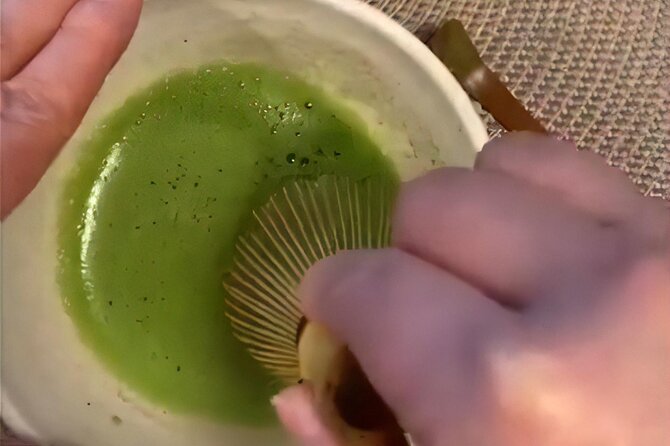
Plan for a tight, well-paced lesson. It runs about 2 hours, and it’s split into two clear halves.
First half: enjoy matcha and seasonal sweets
You start with an explanation of how to enjoy tea—how to take in the aroma, how to think about the moment, and how the etiquette shows respect. Then you taste matcha green tea made by the instructor, along with seasonal Japanese sweets (wagashi) that change with the time of year.
That sweet-and-tea combo isn’t random. It sets the tone and gives your palate something to notice while you’re learning. Wagashi flavors shift seasonally, so the class can feel like it belongs to the current month rather than being the same script year-round.
Second half: make and serve your own matcha
After you’ve tasted, you get to do it yourself. This is the practical part: you’ll prepare and serve tea using a matcha whisk, guided by the instructor as you practice.
If you’ve ever watched someone whisk matcha and thought, I can’t imagine that being easy—that’s the point of this lesson. You get instruction on how to use the special whisk, and you’ll learn how to present your tea properly at the table. You’re not left to figure it out alone.
This two-stage structure is good value because it gives you context first, then hands-on practice. A lot of classes either start with making too soon or focus too heavily on theory. Here, you get to taste, then learn, then try again with real feedback.
Meguro-ku logistics: easy walk from Toritsudaigaku Station
You’re in Meguro-ku, Tokyo—an area with strong local energy and plenty of places to wander after your lesson. The big practical win is getting there.
The meeting point is a short walk from Toritsudaigaku Station, about a 2-minute walk. That makes this a great activity on a day when you also want to see sights without adding extra transfer stress. The class begins and ends back at the meeting point, so there’s no complicated route or “start here, finish somewhere else” confusion.
If you’re planning around it, this neighborhood gives you options. Meguro-ku includes the Meguro River area, Jiyugaoka has a sweets theme park vibe, and Nakameguro has park space for a calm post-lesson stroll. You can keep it simple: do the tea ceremony, then walk off the experience with a relaxed neighborhood route.
Price and value: is $65.04 worth it?
At $65.04 per person for about 2 hours, you’re paying for more than a drink. You’re paying for (1) a certified master instructor, (2) a small group setting—maximum 5—and (3) hands-on practice with teaching focused on both matcha making and etiquette.
Here’s the practical way to judge value. If a class is mostly observation, the price can be hard to justify. If you’re tasting and then actively whisking and serving yourself, you’re getting skill-building time. This one is built around that second half.
Also, you’re not just getting tea. You get matcha plus seasonal wagashi and an English-taught explanation of matcha history and ceremony spirit. In Tokyo, the cost of food and instruction can add up fast, so a lesson that packages tasting + instruction + practice tends to feel fair.
One more value signal: it’s booked far in advance on average (around 98 days). That usually suggests the class has a steady draw, likely because it stays small and interactive.






Who should book this matcha table tea ceremony (and who might skip it)
This works especially well if you want a genuine cultural activity without the stress of complicated logistics. The table-and-chair setup is a big help if you’re not interested in spending part of your day dealing with floor seating.
It’s also a strong fit if you like structure. The class has a clear flow: explanation and tasting first, then making and serving. You’ll know what’s coming next rather than guessing through it.
You might want to choose another style if:
- You specifically want a floor-seiza, traditional setting.
- You’re looking for a long multi-course ceremony experience rather than a compact 2-hour lesson.
For families, it also makes sense. The tone is described as friendly and beginner-friendly, with English explanations and humor. That combination helps kids and adults learn the etiquette without feeling out of place.
If you’re a solo traveler, the small group size can make it easier to ask questions and not feel like a spectator.
Should you book this matcha table tea ceremony in Tokyo?
If you’re craving something more authentic than just a matcha tasting, I think this is a smart booking. You get real instruction from Masumi Matsumoto, a chair-friendly table format, seasonal sweets, and the chance to make and serve matcha yourself.
I’d book it if you want:
- hands-on matcha whisk practice
- etiquette and context for what you’re drinking
- an easy Meguro location you can reach quickly from Toritsudaigaku Station
I’d hesitate only if you’re chasing the full floor-seiza look and you feel strongly about that specific traditional setup. Otherwise, this is a compact, well-taught cultural experience that leaves you with something practical you can recreate later at home.
FAQ
How long is the matcha table tea ceremony experience?
It’s about 2 hours.
Is the tea ceremony done on the floor?
No. This is a table tea ceremony experience where you can sit on a chair instead of on the floor.
How many people are in the group?
The activity is limited to a maximum of 5 travelers.
Who teaches the session?
The instructor is Masumi Matsumoto, a Master Instructor of the Japan Table Tea Ceremony Association.
What happens during the first half of the class?
You’ll receive an explanation on how to enjoy tea, and you’ll taste matcha green tea along with seasonal Japanese sweets prepared by the instructor.
What do you do during the second half?
You’ll make and serve your own matcha tea using a tea whisk, with guidance from the instructor.
Where does the experience take place and how do I get there?
It takes place in Meguro-ku, Tokyo. The meeting point is a 2-minute walk from Toritsudaigaku Station, and the start address is 1-chōme-9-1 Nakane, Meguro City, Tokyo 152-0031, Japan.
What’s the cancellation policy?
You can cancel for a full refund if you cancel at least 24 hours in advance of the experience start time. Free cancellation is offered up to that point.