REVIEW · TOKYO
Tokyo: Taiko Drumming Experience
Book on GetYourGuide →Operated by Japanticket Inc. · Bookable on GetYourGuide
Taiko hits you fast. One hour of loud, physical drumming makes Japanese tradition feel immediate. I like the focus on learning the basics from scratch and the chance to make real sound with deep drum vibrations you can feel in your body. The class is designed for beginners, not performers.
One thing to consider: the value depends on smooth session delivery. With a small company and limited group size, you’ll want to arrive early and keep an eye on timing, since one reported issue was an instructor no-show that led to a rebooking.
In This Review
- Key Takeaways Before You Hit the Drums
- First Drums: What This Taiko Hour Actually Feels Like
- Meeting at Ōkubo Station: Quick Logistics, Big Impact
- How the Lesson Starts: From Blank Slate to Real Strikes
- The Instructor Factor: Technique, Encouragement, and Hands-On Feedback
- The Physical Part: Power, Movement, and Those Drum Vibrations
- Small Group Energy: Max 6 Means Less Waiting
- Price and Value: Is $35 Worth It in Tokyo?
- Practical Tips to Make Your Session Go Smoothly
- Who Should Book This Taiko Drumming Experience
- The Booking Decision: Should You Try It?
- FAQ
- Where is the meeting point?
- How long is the taiko drumming experience?
- Do I need prior experience to join?
- What languages will the instructor use?
- What should I wear or bring?
- Is it refundable if I need to cancel?
Key Takeaways Before You Hit the Drums
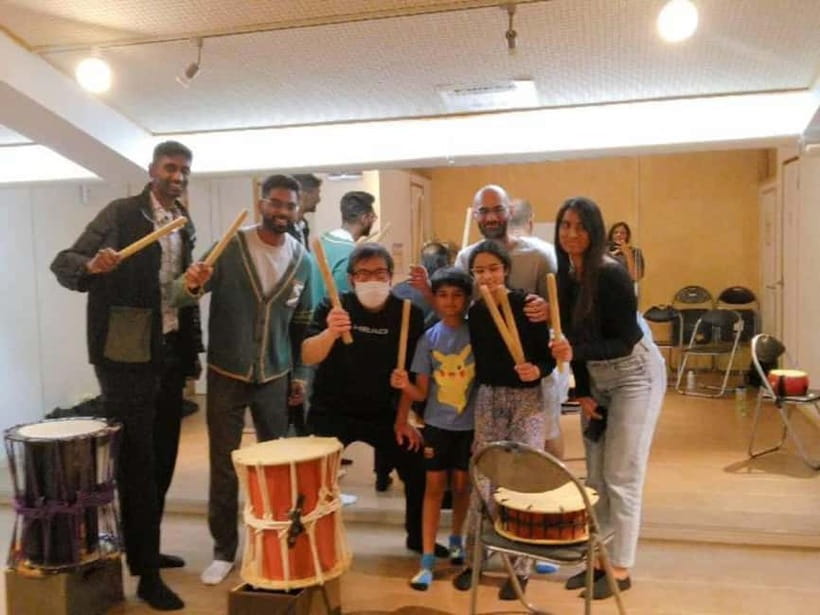
- Small group (max 6) means less waiting and more hands-on time
- English and Japanese instruction helps if your Japanese is rusty
- Beginner-friendly start from scratch covers grip, striking, and rhythm basics
- Power + movement training is part of the lesson, not just hitting a drum
- All equipment provided so you can show up ready to play
First Drums: What This Taiko Hour Actually Feels Like
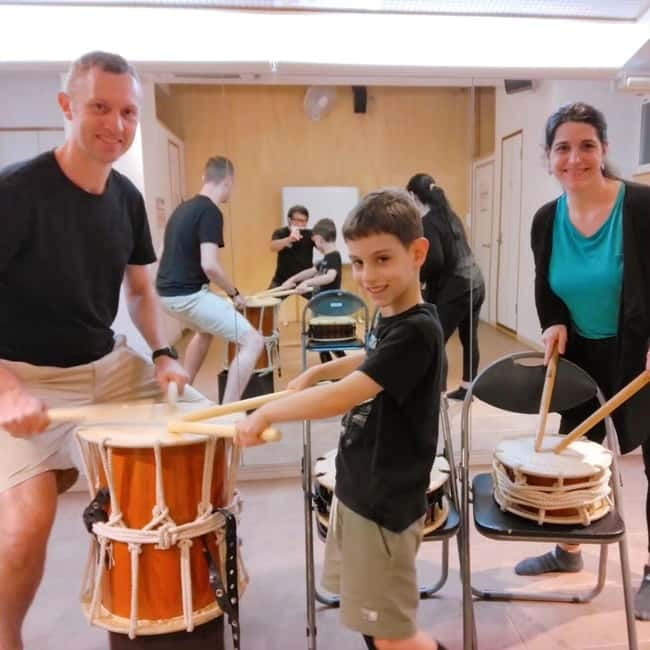
Taiko is not the background music kind of experience. It’s hands-on, physical, and loud in the good way—like your shoulders and heartbeat are part of the rhythm. In a 1-hour session, you’ll spend enough time practicing that the drumming stops feeling random and starts feeling repeatable. That’s what makes it special for first-timers: you’re not just watching.
The lesson is built around three core skills: how to hold the drumsticks, how to strike with power, and how to move with the rhythm. You’ll also get a chance to experience the sound in the way taiko is meant to be heard—through vibration and force, not just volume.
If you’re hoping for a calm, sit-and-listen cultural program, this won’t be it. This is an active class. Bring comfortable clothes and expect you’ll sweat a bit, even if you’re only “learning the basics.”
You can also read our reviews of more tours and experiences in Tokyo.



Meeting at Ōkubo Station: Quick Logistics, Big Impact
Your meeting point is specific: South Exit of Ōkubo Station. Plan to arrive 15 minutes early for check-in. In Tokyo, small timing gaps matter. If you show up right on time, you may lose the little buffer the activity clearly expects.
You can also expect skip-the-line style help. The activity notes that you’ll skip the ticket line, which matters in Tokyo when lines can eat into your schedule. It doesn’t remove the need to arrive early, but it reduces one kind of hassle.
What to wear is also part of the success equation here:
- Comfortable shoes (you’ll want stable footing)
- Comfortable clothes suitable for physical activity
The session is not suitable for everyone. If you have back problems, I’d skip it. The class includes movement and striking with power, and that combination is exactly what your back will notice.
How the Lesson Starts: From Blank Slate to Real Strikes
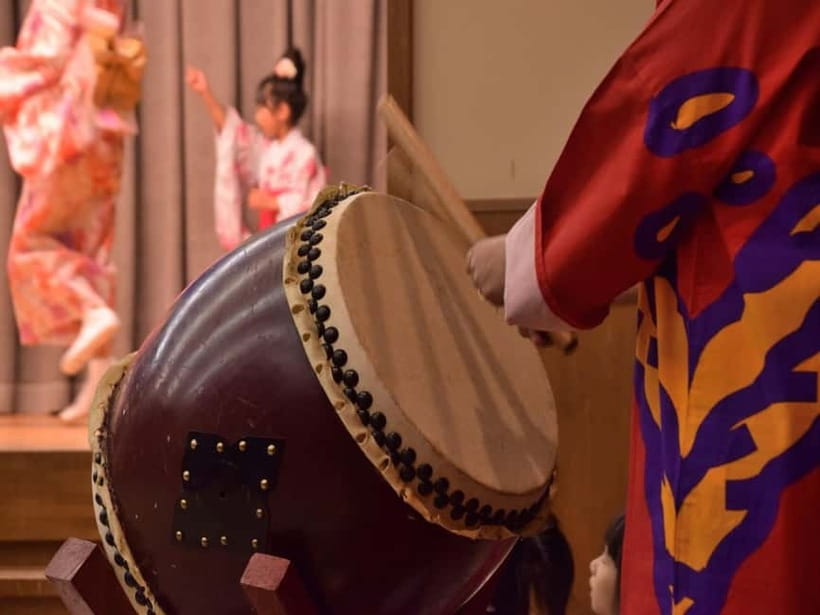
Good beginner experiences do two things: they explain clearly and they reduce intimidation. This one is advertised as starting from scratch, so you’re not expected to already know how to play taiko.
In practice, that usually means you’ll learn the foundational mechanics before you’re asked to do anything fancy. The course focuses on:
- Grip and control of the sticks
- Where and how to strike for power (not just noise)
- Rhythm basics that you can follow without prior training
The instructor team is listed as English and Japanese, so you’re not stuck translating everything in your head. That’s huge for beginners. Even if instruction is mostly in one language, the presence of both languages signals they’re used to mixed international groups.
And yes, you can still enjoy this even if your rhythm sense is best described as creative. The point is that you’ll get structured practice long enough to feel improvement by the end of the hour.
The Instructor Factor: Technique, Encouragement, and Hands-On Feedback
An instructor is where this experience earns its ticket price—because taiko isn’t just pounding a drum. It’s technique plus body movement. The activity includes expert instruction and equipment, and you’ll be taught how to strike with power and move with the beat.
One of the best parts of this type of class is feedback. You can feel when you’re hitting correctly: your stick control improves, your strikes land with more purpose, and your timing tightens. The format is also a small group limited to 6 participants, which typically gives the instructor a better chance to watch what you’re doing rather than give generic directions to a crowd.
There’s also a practical consideration: the overall rating from the limited reviews is on the low side. One report described an instructor no-show on a scheduled day and another described an improvised setup approach. I can’t predict whether that will affect your session, but it’s smart to treat this like a hands-on class with occasional operational quirks—so arrive early, stay alert to timing, and be ready to contact the provider if something seems off.
The Physical Part: Power, Movement, and Those Drum Vibrations
Taiko is loud. But it’s the vibration that really sticks with people. The description promises the sensation of deep vibrations from the drumbeats and the physical effect of moving with rhythm. That matters because it changes your learning: you’re not only hearing the beat; you’re feeling it.
The lesson includes:
- Striking with power
- Moving with the rhythm
- Learning the basics of technique so your body supports the sound
For many first-timers, that combination is the surprise. You might think the hardest part is hitting the drum. It’s often coordinating your stance, timing, and stick control so the sound feels controlled instead of chaotic.
This is also why the dress code is practical, not fussy. If you’re in shoes with no grip or clothes that restrict movement, you’ll struggle. Taiko rewards solid footing and free arm motion.






Small Group Energy: Max 6 Means Less Waiting
A small group (up to 6 participants) is a big deal for a one-hour workshop. With fewer people, the instructor can:
- Demonstrate with everyone watching
- Give more individual corrections
- Keep practice time moving
You’re less likely to spend the hour waiting your turn. That’s important when the duration is only 1 hour. In short classes, every minute counts.
If you’re traveling solo, that small group can also be a good thing. You’ll still get the shared experience of playing together, but you’re not swallowed by a giant group dynamic.
If you prefer quiet activities or minimal physical interaction, this might feel intense. But if you want something active, social in a focused way, and culturally grounded, the small size supports that.
Price and Value: Is $35 Worth It in Tokyo?
The price is $35 per person for 1 hour, and it includes expert instruction plus all necessary equipment. That inclusion is key. If you had to rent drums, find a venue, or pay for staff time separately, your real cost would be higher. Here, you’re paying for the teaching moment and the tools to make sound.
What’s not included:
- Transportation to the venue
- Meals and drinks
So the honest value question becomes: does a $35, 1-hour, equipment-included class deliver enough technique and actual drumming time for your taste? For many people, it will. Taiko is one of those activities where the payoff is immediate. You don’t need weeks of practice to leave feeling like you did something real.
Still, be realistic about the length. One hour is not a complete mastery path. You’ll learn the basics and walk away with an understanding of how grip, power, and rhythm fit together. If you want a long-form performance training track, this isn’t that.
Practical Tips to Make Your Session Go Smoothly
Here are the things I’d do to get the most from the hour and reduce stress:
- Arrive 15 minutes early at Ōkubo Station South Exit. Don’t cut it close.
- Wear comfortable shoes and clothes for movement. You’ll thank yourself later.
- Go in expecting physical effort. Your arms and shoulders will work.
- If anything feels off right before start time, act quickly—ask for confirmation and follow up with the provider. One reported issue in past sessions was an instructor no-show, so it’s worth being alert.
- If you have any back issues, skip this. It’s listed as not suitable.
Also, keep a small expectation in mind. This class is about learning the basics well enough that you can follow rhythm and hit with control. It’s not about leaving with a polished routine for the next festival.
Who Should Book This Taiko Drumming Experience
You’ll likely enjoy this if you want:
- An active cultural activity that’s not just a museum stop
- A beginner-friendly way to learn a Japanese tradition
- A short, intense experience that leaves you with a story and some muscle memory
It’s especially good for people who learn by doing. If you get bored with lectures, this fits you. If you like music, rhythm, and coordinated movement, you’ll probably have a great time.
You should think twice if you:
- Have back problems
- Want a passive or seated experience
- Are sensitive to loud noise and vibration
The Booking Decision: Should You Try It?
With a low rating score (2.4 across a small number of reviews), I’d call this a worth trying, but verify the details kind of booking. The potential upside is strong: the class is structured around beginner basics, includes equipment, and focuses on learning grip, power, and rhythm with a small group.
If your biggest goal is a fun, hands-on introduction to taiko—done in a focused 1-hour format—then it’s a solid value at $35, especially because you’re not paying extra for equipment.
My advice: book it if you can be flexible and you’re comfortable with the active nature of drumming. Arrive early, double-check the meeting point (Ōkubo Station South Exit), and be ready to get physical. If the session runs as intended, you’ll leave with a real sense of rhythm—and a new respect for how much body control taiko requires.
FAQ
Where is the meeting point?
Meet your instructor at the South Exit of Ōkubo Station.
How long is the taiko drumming experience?
The session lasts 1 hour.
Do I need prior experience to join?
No. The class starts from scratch, so prior experience is not required.
What languages will the instructor use?
The instructor speaks English and Japanese.
What should I wear or bring?
Bring comfortable shoes and comfortable clothes suitable for physical activity.
Is it refundable if I need to cancel?
Yes. You can cancel up to 3 days in advance for a full refund.