REVIEW · TOKYO
Basic Japanese Home Cooking with Fermented Foods(Teriyaki & Miso)
Book on Viator →Operated by Coji Life Cooking · Bookable on Viator
Koji helps miso make sense. This 2-hour Tokyo class turns fermented ingredients into simple, home-style cooking you can actually repeat later. The kitchen setup is central Tokyo and the focus is Japanese home cooking with fermentation basics that go beyond recipes.
I really like the small-group format, where you get more hands-on guidance and feedback while you work. I also appreciate the in-depth lecture on fermented foods, including ingredients like miso, koji, and mirin, plus a take-home lecture handout.
One thing to plan for: the menu changes by season, so you can’t expect the exact same dishes every time. And if you choose the vegan option, it uses deep fried tofu and the cooking space is shared with the non-vegan version.
In This Review
- Key Points You’ll Care About
- Fermented Foods, Made Practical (Not Just a Food Trend)
- Finding the Kitchen: Akasaka-Mitsuke to Central Tokyo Cooking
- The 2-Hour Flow: Lecture, Cooking, Then You Eat What You Made
- Fermentation 101 with Real Ingredients: Miso, Mirin, Koji
- Lunch or Dinner You Cook: What You’ll Get on Your Plate
- Vegan Option: Deep Fried Tofu and a Shared Kitchen
- Price and Value: Why $70.36 Makes Sense Here
- Bonus If You Pair It: Fermented Food Dessert Class Gift
- Who This Class Is Best For (And Who Might Skip It)
- Should You Book It?
- FAQ
- What is the duration of the class?
- Where does the class start and end?
- Is lunch or dinner included?
- What fermented foods will we focus on?
- Is there a vegan option?
- Is mirin safe for children?
- How large is the group?
- Does the menu stay the same?
- Does weather affect the experience?
Key Points You’ll Care About
- Small group (max 6): more instructor feedback while you cook, not just a demo
- Central location near Akasaka-Mitsuke: about 10 minutes from Shibuya Station with a short walk
- Seasonal menu: recipes shift, but the fermented-food focus stays the same
- Vegan option exists: deep fried tofu, shared kitchen with the non-vegan menu
- Everything included for the experience: lunch/dinner, apron rental, coffee/tea, and lecture handout
- Health-meets-practical: you learn about fermentation benefits and how to use the ingredients
Fermented Foods, Made Practical (Not Just a Food Trend)
Tokyo has plenty of great meals. But they’re still meals—mostly something you eat, then move on from. This class is different because it’s built around how Japanese fermented ingredients work in real cooking.
You’ll be cooking recipes that use familiar staples like miso and the fermented world around it—plus topics such as koji and how fermentation influences flavor. Instead of treating miso as a mystery paste, you get the “how it’s made and why it behaves that way” explanation from a certified instructor (Naoko).
And that matters, because fermented foods don’t just taste salty, sweet, or savory. They also affect aroma, texture, and how dishes hold together. Once you understand what fermentation is doing, you can improvise at home. You’re not stuck following a single dish forever.
The class also frames fermented foods in terms of health benefits. It’s not presented like a miracle claim; it’s more like a guided education so you can make your own decisions about what fits your diet.
You can also read our reviews of more cooking classes in Tokyo



Finding the Kitchen: Akasaka-Mitsuke to Central Tokyo Cooking
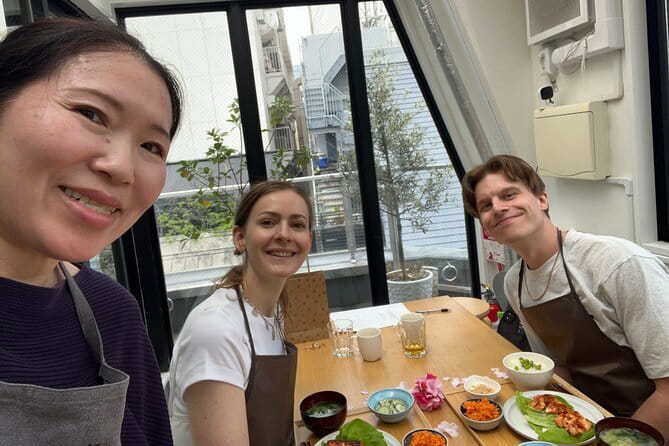
Meeting point is Akasaka-Mitsuke Station (3-chōme-1-6 Akasaka, Minato City). The kitchen is described as central Tokyo, with a route that takes about 10 minutes from Shibuya Station including a short walk.
That’s a big deal for two reasons:
1) You’re not burning your day crossing the city.
2) You’re less at the mercy of Tokyo weather, since the walking time is limited.
You’ll also get a mobile ticket, which is convenient if you’re bouncing between neighborhoods with your phone acting as your whole travel plan.
One more note: the class may take place at a different kitchen location within central Tokyo. If that happens, you’ll be notified after booking, so it’s worth double-checking messages close to your date.
The 2-Hour Flow: Lecture, Cooking, Then You Eat What You Made
The whole experience is about 2 hours. That short length is perfect if you want something hands-on without sacrificing your afternoon sightseeing.
Here’s the structure you should expect:
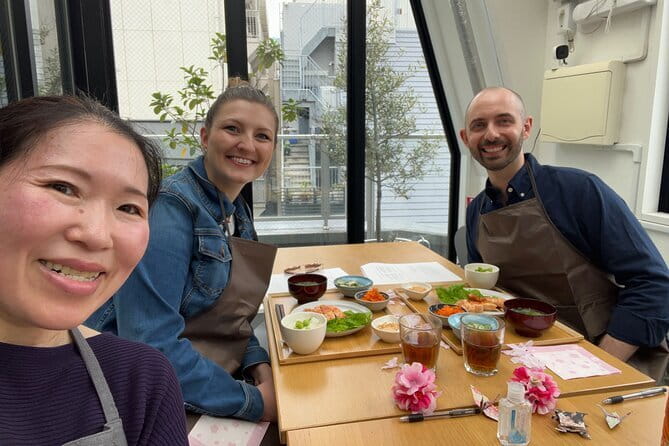
- You start with an instructor-led lecture in a small-group setting. The focus is traditional Japanese fermented ingredients and why they matter.
- Then you cook easy home-style recipes using those fermented components. The recipes are designed so beginners can keep up.
- Finally, you share the meal you made, with coffee and/or tea (including green tea or another Japanese tea).
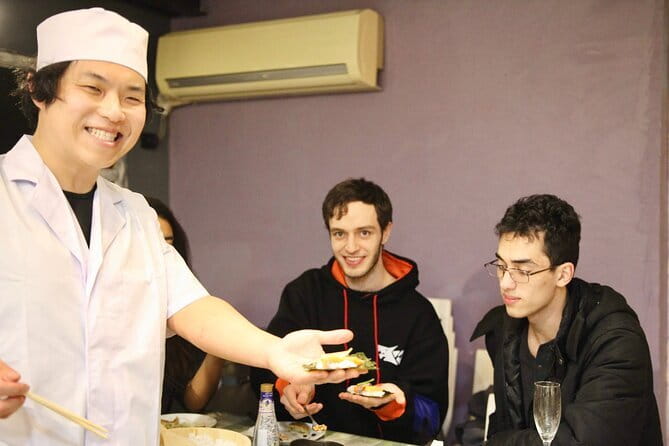
Because the group size maxes out at 6 travelers, you’re more likely to get direct help while you chop, mix, simmer, or adjust seasoning. That’s also where the learning sticks. You don’t just hear about fermentation—you see how it changes the dish while you’re working.
The class ends back at the meeting point area, so you don’t have to figure out a new route after eating.
Fermentation 101 with Real Ingredients: Miso, Mirin, Koji
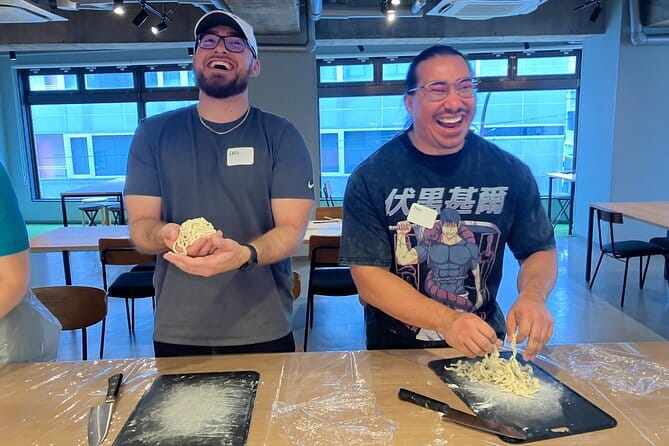
If you’re the type who likes knowing why something tastes the way it does, this is your sweet spot.
The teaching centers on traditional Japanese fermented ingredients. You’ll learn about:
- Miso: what it is, how it functions in cooking, and how it shows up in classic flavors
- Koji: discussed as a key part of the fermentation process and part of how Japanese fermentation develops flavor
- Mirin: used as a seasoning (a small amount) and explained in context
A practical detail you might care about: the class notes that mirin contains alcohol, but the alcohol is removed during cooking, so the dish is considered safe for children. The tasting itself is not available for children.
That’s the kind of clarity that makes a class easier to trust. You’re not guessing what’s going into your food—you’re understanding the role of each ingredient.
The instructor also ties in history and food culture alongside the chemistry-ish parts. You’ll walk away with more than a shopping list. You’ll know how to pick ingredients and what to look for when you’re back in your own kitchen.
Lunch or Dinner You Cook: What You’ll Get on Your Plate
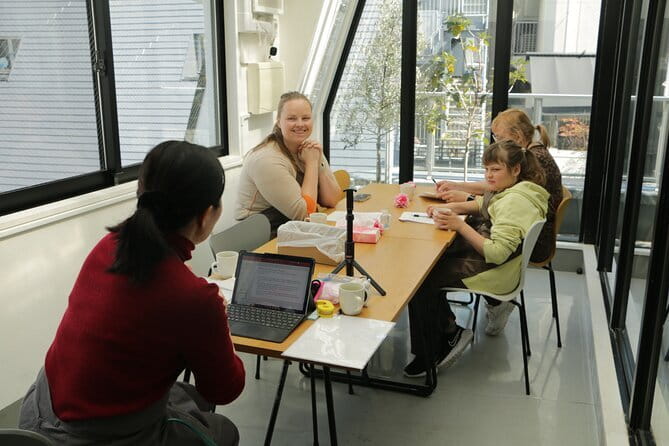
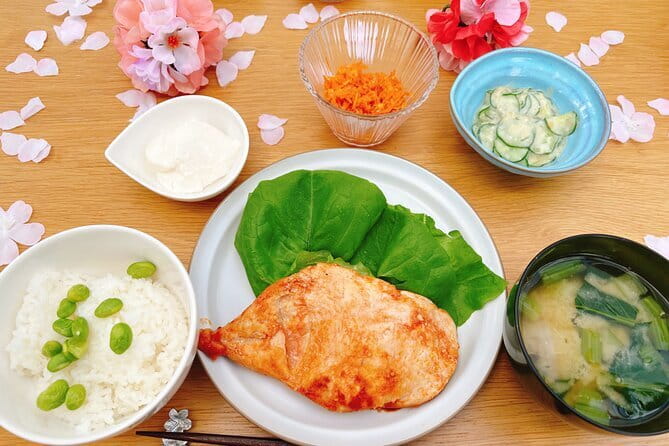
This class is described as a vegan lunch or dinner option available by request, and the menu changes depending on the season. That means you should expect variety rather than a single fixed set of dishes every time.
What does stay consistent is that:
- You cook a meal for the group (lunch or dinner)
- You get coffee and/or tea
- You receive a lecture handout (presentation material of the lecture)
- You go home with a better idea of what to buy and how to use it
If you’ve ever been to a cooking class where you spend most of the time watching and then eat something unrelated, this isn’t that. The value here is that your meal is the lesson. You’re tasting the outcome of your work, right then.
And that’s how you learn fastest. You’ll remember the smell and the texture of how the fermented ingredient behaves, not just the explanation.






Vegan Option: Deep Fried Tofu and a Shared Kitchen
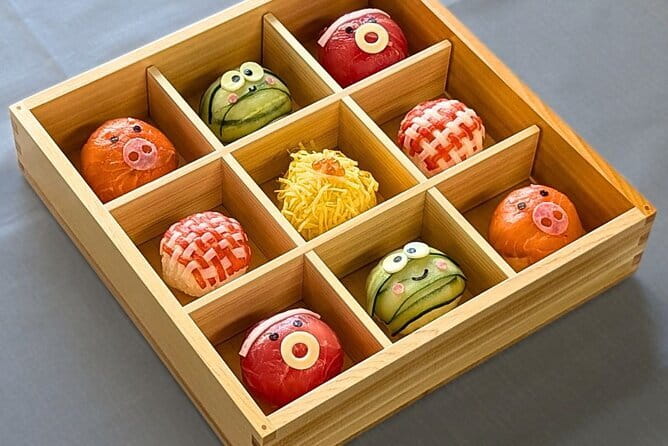
This is one of those “good to know now” details.
A vegan lunch or dinner option is available, and it uses deep fried tofu. However, the class shares the kitchen with the non-vegan version, so it’s not described as a fully separated kitchen environment.
So how should you think about it?
- If you’re vegan and want a vegan meal that fits the class, this option is built for you.
- If you have strict restrictions beyond vegan preferences (for example, specific concerns about cross-contact), you’ll want to say so when applying and ask the team about your needs.
The class also asks you to let them know about allergen restrictions. If you have allergies, message ahead so you don’t arrive hoping they can swap ingredients on the fly.
Price and Value: Why $70.36 Makes Sense Here
The price is $70.36 per person, and it’s booked on average about 14 days in advance.
Cooking classes vary a lot. What you should focus on here is what’s included:
- Meals (lunch or dinner)
- Rental apron
- Coffee and/or tea (green tea or another Japanese tea)
- Lecture handout
- A certified instructor plus small-group coaching (max 6)
In other words, you’re not just paying for a meal. You’re paying for instruction, fermentation education, and a set of practical skills you can reuse at home. In a city where eating out can add up fast, this can be a smart way to balance restaurant meals with something more “learnable.”
Also, the location is central. Central Tokyo plus a short class length plus meal included is usually where value hides.
Bonus If You Pair It: Fermented Food Dessert Class Gift
There’s a neat extra incentive if you’re staying in Tokyo long enough to do more than one session.
The provider offers another class called Fermented Food Dessert Class at 2pm. If you join both classes on the same day, you’ll receive a special gift: rice koji amazake, the one used in the dessert class.
Even if you’re not a dessert person, that gift can be handy. It connects directly to the fermentation theme of the main class, and it’s an ingredient you can recognize from the cooking education.
Who This Class Is Best For (And Who Might Skip It)
This is an ideal fit if you want:
- a small-group cooking class where you can ask questions while you cook
- a guided education about Japanese fermented foods like miso, koji, and mirin
- a break from eating out while still eating something you made
- a meal plus instruction that’s short enough to fit between sightseeing blocks
It’s also a good choice if you’re the kind of traveler who likes to shop with purpose. The class experience is built to help you understand what to buy and how to cook with it once you’re back home.
Who might skip it? If you strongly dislike fermented flavors or don’t want any ingredient education at all, you might prefer a more general cooking class. This one is fermentation-first. The recipes are easy, but the theme is specific.
Should You Book It?
Yes—if you’re curious about fermentation and want practical skills, this is the kind of class that actually changes what you cook next time. The small group, the included meal and tea, and the fermentation lecture are a strong match for value-minded travelers.
Book it especially if you like to go beyond “tasty” and understand what’s happening in your food. And if you’re vegan, request the deep fried tofu option when you apply, while keeping in mind the shared kitchen setup.
If you want a hands-on Tokyo memory that’s more than a photo, this one can do that.
FAQ
What is the duration of the class?
The class lasts about 2 hours.
Where does the class start and end?
It starts at Akasaka-Mitsuke Station (3-chōme-1-6 Akasaka, Minato City, Tokyo 107-0052, Japan) and ends back at the meeting point.
Is lunch or dinner included?
Yes. The experience includes a meal (lunch or dinner) plus coffee and/or tea (including green tea or another Japanese tea).
What fermented foods will we focus on?
The class uses traditional Japanese fermented ingredients, including miso and koji, and it discusses mirin as part of the cooking process.
Is there a vegan option?
Yes. A vegan option is available using deep fried tofu. The class shares the kitchen with the non-vegan version, and you should ask for the vegan option when you apply.
Is mirin safe for children?
The class uses a small amount of mirin that contains alcohol, but the alcohol is removed during cooking, so the dish is safe for children. The tasting is not available for children.
How large is the group?
The experience has a maximum of 6 travelers.
Does the menu stay the same?
No. The menu changes depending on the season.
Does weather affect the experience?
The experience requires good weather. If it’s canceled due to poor weather, you’ll be offered a different date or a full refund.