REVIEW · TOKYO
10-Day Private Tour with more than 60 Attractions in Japan
Book on Viator →Operated by Sluzeb Tours · Bookable on Viator
Tokyo-to-Kobe in 10 days feels like a plan.
This private tour strings together 60+ standout sights with a driver, starting in Tokyo and ending in Kobe. You get enough structure to avoid transit stress, plus room to adjust stops when crowds or traffic get weird.
I really like two things about the experience. First, the guide, Newton, brings the sites to life with clear stories and history—especially noticeable in how he frames places like Senso-ji. Second, a lot of the day-to-day highlights are low-cost or free, so your budget doesn’t get wiped out just because you picked a famous stop.
One thing to consider: paid attractions add up, and some of the flashiest options (like Skytree or teamLab) depend on time and what day you’re doing. If you’re sensitive to costs, watch the list of ticket add-ons and decide which paid experiences you truly want.
In This Review
- Key highlights to notice before you go
- A Tokyo-to-Kobe route that mixes icons with everyday Japan
- Getting around: private car, 7:00 am starts, and why it matters
- Tokyo Day 1: Tsukiji, temples, and the skyline in one tight loop
- Kamakura and Yokohama Day 2: bamboo, the Great Buddha, and street-level food
- Mt. Fuji Day 3: viewpoint hopping with a reality check
- Hakone Day 4: lake views, ropeways, and hot-spring egg energy
- Nikko Day 5: ornate Toshogu and the scenic Lake Chuzenji circuit
- Kyoto Days 6–7: classic temples, markets, and Gion at night
- Osaka Day 8: Osaka Castle, markets, and teamLab Botanical Garden at night
- Nara Day 9: temples, deer, and a quieter garden-and-museum finish
- Kobe Day 10: waterfalls, shrine calm, Chinatown food, and Rokko views
- Price and value: $9,000 per group (up to 5) plus ticket add-ons
- Heat, crowds, and weather: when Japan refuses to cooperate
- Should you book this private tour?
- FAQ
- How many people are in the private group?
- What is the total duration of the tour?
- Where does the tour start and when?
- Where does the tour end?
- Is pickup included?
- What’s included in the price?
- Are ticketed attractions included?
- Do you receive mobile tickets?
- Can the itinerary change during the tour?
- What happens if the weather is poor?
Key highlights to notice before you go
- A private, air-conditioned car covers long distances without you figuring out trains or driving
- Newton’s storytelling style turns famous stops into something you actually remember
- Icon-heavy days, with many free entries keep the trip feeling good value
- A 7:00 am start helps you beat some lines and heat, especially in summer
- 10 hours per day (including commuting) is a real commitment, but it saves planning work
- Itinerary flexibility means you can skip stops if traffic or crowds slow things down
A Tokyo-to-Kobe route that mixes icons with everyday Japan
This tour is built for first-timers who want the big names, but also want the rhythm of Japan—shrines, temples, markets, and scenic pauses. You’re not just collecting photos. Each day is arranged so you see a theme: Tokyo neighborhoods, Kamakura temples, Fuji viewpoints, Hakone scenery, Nikko sacred architecture, and then the Kyoto-Osaka-Nara triangle.
You’ll also notice the pacing: the stops are packed, yet you’re not wandering blindly on your own. A driver handles the hard parts, and the guide handles the “what am I looking at?” part.
You can also read our reviews of more private tours in Tokyo


Getting around: private car, 7:00 am starts, and why it matters
The tour meets in Shinjuku at 7:00 am, and each day runs about 10 hours including commuting. That might sound intense, but it’s exactly what saves you from long station-to-station days, especially when you’re moving between regions like Tokyo to Kamakura, or Kyoto to Osaka, or Hakone to Nikko.
The private vehicle is air-conditioned, which becomes a big deal in warm months. Newton’s approach also helps: he stays aware of the group, keeps everyone together, and (based on what I’ve learned from the experience) helps you manage heat and walking when you have a tight schedule.
Tokyo Day 1: Tsukiji, temples, and the skyline in one tight loop
Tokyo Day 1 is “you get your bearings fast.” You start at Tsukiji Fish Market (about 45 minutes). Even if you’ve seen fish market videos, the energy is different in person. Go with the mindset of browsing and watching, not trying to do everything at once.
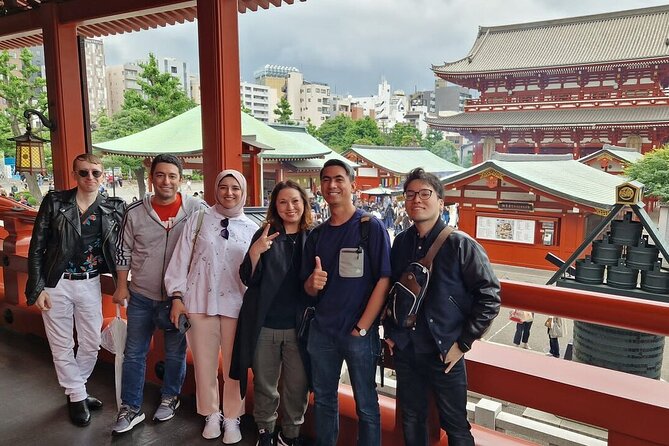
Then you shift to old Tokyo at Senso-ji in Asakusa (about 1 hour). This temple is one of the city’s oldest religious buildings, and you’ll feel it in the crowd flow and street vibe. The guide’s storytelling style really helps here—Senso-ji isn’t just a temple stop, it’s a cultural anchor.
From there you get modern views with Tokyo Skytree (1 hour, ticket not included). It’s an optional-feeling add-on, so it works best if you’re the type who loves a bird’s-eye panorama. Next is the Imperial Palace East Garden (45 minutes, free), which is a nice breather after the busy streets.
Akihabara (about 30 minutes) is the electronics and anime shopping hub, and it’s a quick dose of Tokyo’s pop culture world. After that, you’ll see the Statue of Liberty replica at Odaiba (possible if you have time) and then move to a quieter contrast at Meiji Jingu (about 30 minutes), where the green forest surrounds you in the middle of the city.
You’ll hit the two big “Tokyo TV moments” next: Shibuya Crossing (about 20 minutes) and Takeshita Street in Harajuku (about 1 hour). Shibuya is about watching motion—thousands crossing at once—while Takeshita is about snacks and youth fashion, plus crepes if you want a sweet break.
The day closes with Tokyo Tower (about 10 minutes, free). It’s short, but it gives you a different Tokyo silhouette than Skytree. If you still have energy, you can add teamLab Planets TOKYO (about 30 minutes, ticket not included). This is the “walk through art” experience that feels like a tech-meets-nature daydream, but you’ll want to reserve it for a moment when you’re not rushing.
Kamakura and Yokohama Day 2: bamboo, the Great Buddha, and street-level food
Day 2 is a classic combo: Kamakura’s temples and Yokohama’s waterfront city feel. You start with Hōkoku-ji Bamboo Temple (about 1 hour, ticket not included). The bamboo isn’t just a photo setting—it changes the soundscape and makes it feel like you entered a different time.
Next is Hase-dera (about 45 minutes, ticket not included), known for the large wooden Kannon statue. Then you go to the open-sky wonder of Kotoku-in, the Great Buddha of Kamakura (about 30 minutes). It’s a stop where the scale does the talking.
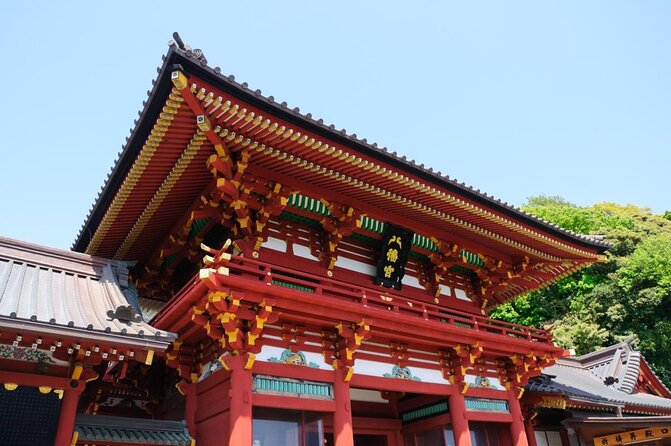
You’ll also see Tsurugaoka Hachimangu Shrine (about 1 hour, ticket not included). It’s a cultural center for festivals, with ponds representing old family lineages. After that, the pacing turns more casual with Kamakura Komachidori (about 1.5 hours, free), a shopping-and-snack corridor that helps you actually enjoy the day instead of sprinting between landmarks.
For city atmosphere, you’ll head to Yokohama Chinatown (about 1 hour, free). It’s older than most people expect, and even if the neighborhood doesn’t feel like a theme park, it still gives you a vivid sense of food culture.
If time allows, you can add Sankeien Gardens (ticket not included) for a traditional garden reset, plus Minatomirai (possible if time permits). Minatomirai is the futuristic waterfront vibe, with stylish shopping and skyline views.
Mt. Fuji Day 3: viewpoint hopping with a reality check
Day 3 is about Mount Fuji—eight out of ten people come for the photos, but you’ll enjoy it more if you treat it as a series of perspectives. You start with Oshino Hakkai (free, about 30 minutes), a cluster of springs connected to Fuji’s aquifer water. It’s scenic in a quiet way, and it’s a helpful warm-up before the bigger viewpoint stops.
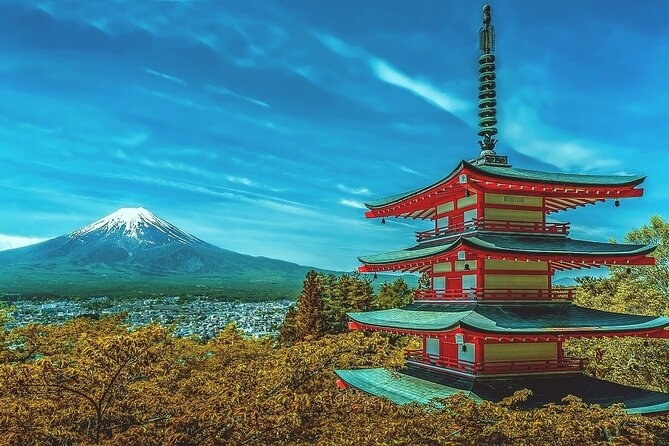
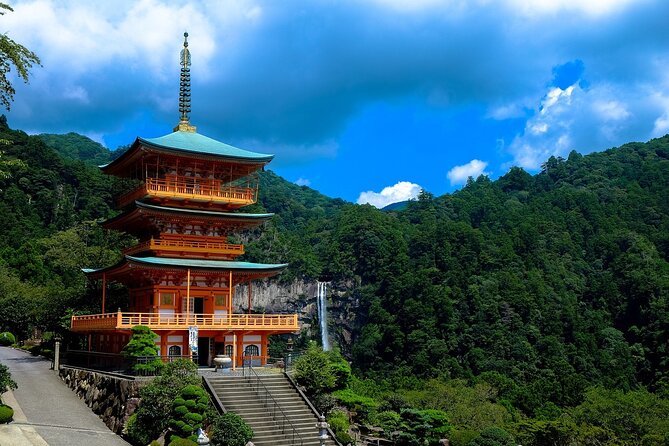
Then it’s the famous Chureito Pagoda (free, about 30 minutes). This is where you get that postcard Fuji + pagoda framing. After that, you move to Lake Kawaguchiko (free, about 30 minutes). It’s the most accessible Fuji-five-lakes area, and it’s set up for visitors.
From there you have a mix of free and paid views: Mt. Fuji Panoramic Ropeway (ticket not included) gives you a raised observation perspective. Oishi Park (free, about 30 minutes) is one of the classic Fuji-view spots, with the lake and background mountains in frame.
A special feel comes from Saiko Iyashi no Sato Nemba (ticket not included). It’s a village-style reconstruction where you can slow down and wander rather than constantly staring uphill.
You’ll also visit Arakura Fuji Sengen Shrine (free, about 30 minutes), where the hillside setting adds drama to the view. Then there’s Mt. Fuji 5th Station (ticket not included, about 2 hours). This one depends a lot on conditions, but it’s one of the most meaningful stops if you want the atmosphere at halfway up Japan’s icon.
The day ends with Gotemba (free, about 2 hours). It’s described as a tea-growing area, and that’s a nice close: a less “postcard” stop that adds texture to your Fuji day.





Hakone Day 4: lake views, ropeways, and hot-spring egg energy
Hakone is one of those regions where transportation itself is part of the experience. You start with Hakone Shrine / Kuzuryu Shrine (ticket not included, about 1 hour). The buildings hide in the forest setting, so you get that sense of sacred space before you move into more scenic stretches.
Next is Lake Ashinoko (ticket not included, about 1 hour). Even when clouds roll in, the lake area helps break up the day and gives you that “volcanic region” mood.
You’ll take in Hakone Ropeway (ticket not included, about 1 hour) and then go to Owakudani Valley (about 1 hour, free). This is the hot-spring zone where you’ll hear about the black eggs—eggs boiled in sulfur-rich hot springs turn dark. It’s simple, weird, and very Hakone.
After that, Gora Park (ticket not included, about 30 minutes) offers a more relaxed garden pause. Then you can add Hakone Open-Air Museum (ticket not included, about 1 hour). It pairs sculpture with mountain air, so it works well when you want something that isn’t another shrine gate.
There’s also a stop at an old-style Amazake-chaya Tea House (no timing listed on the schedule). This is a good chance to rest your legs with amazake, especially if the day feels like too much moving.
Nikko Day 5: ornate Toshogu and the scenic Lake Chuzenji circuit
Nikko day is temple architecture at full volume. You begin with Toshogu Shrine (about 2 hours, ticket not included), and it’s the big name for a reason. Colorful buildings and detailed carvings make it feel like an art museum built from shrine space.
Next is Shinkyo Bridge (free, about 1 hour). It’s a sacred river crossing, and the setting makes the bridge feel more important than a typical photo spot.
You’ll also stop for a more human-scale landmark: Narabi Jizo (free, about 30 minutes). Jizo statues are connected to guardianship of children and travelers, so it’s a spiritual stop that’s still easy to understand on the spot.
Then comes Nikko Tamozawa Imperial Villa Memorial Park (ticket not included, about 30 minutes). It’s not just “temple day,” it’s also about how power used to enjoy nature and retreat architecture across late Edo, Meiji, and Taisho styles.
The scenic side gets strong after that. Akechidaira Observation Area (ticket not included, about 30 minutes) gives you views over Kegon Falls, Lake Chuzenji, and Mt. Nantai. You then visit Kegon Falls (ticket not included, about 30 minutes) for that classic waterfall moment in the national park setting. Finally, Lake Chuzenji (free, about 30 minutes) closes the loop with a tranquil finish.
Kyoto Days 6–7: classic temples, markets, and Gion at night
Kyoto is where the tour really flexes. Day 6 mixes spiritual sites and food browsing so you don’t feel like you’re trapped in a museum loop.
Start with Kiyomizu-dera (ticket not included, about 40 minutes). The temple setting is built for drama, and you get views plus the layered feel of carved space. Then it’s Sanjūsangendō (ticket not included, about 30 minutes), known for the temple’s famed hall style and scale.
You’ll visit Yasaka Shrine (free, about 40 minutes), a shrine that connects to festivals and New Year traditions. After that, you get a different kind of Kyoto experience at Nishiki Market (free, about 2 hours). This is one of the best ways to learn Kyoto through food stalls rather than only through signs.
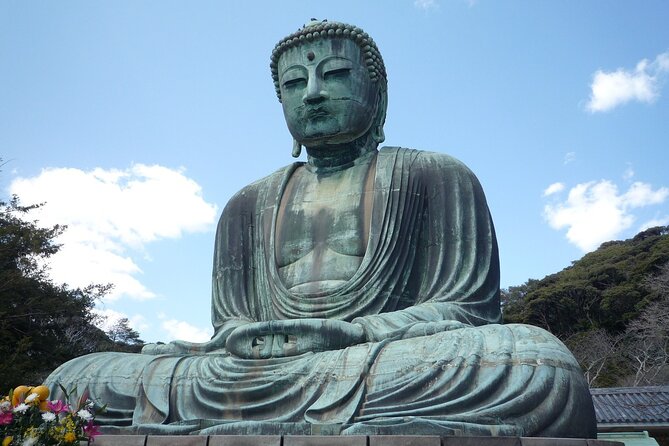
Then the star shrine experience: Fushimi Inari-taisha (free, about 1 hour). Those orange torii gate tunnels shape how you walk and how you photograph. It’s a stop that feels special even if you think you’ve seen it online.
If you still want an architectural finish, Nijo Castle (ticket not included, about 1 hour) brings palace-and-fortress energy with two rings of fortifications and garden space.
Day 7 continues with more “big Kyoto” landmarks. You start at Kinkaku-ji (Golden Pavilion) (ticket not included, about 40 minutes). The gold leaf finish reflects into the mirror pond, so it’s a visual stop that feels different depending on the angle and weather.
Then you shift into nature at Arashiyama Bamboo Forest (free, about 40 minutes). After that, Tenryuji (ticket not included, about 40 minutes) adds UNESCO-level garden-and-temple context. You’ll also visit the Arashiyama Observation Deck (ticket not included, about 40 minutes) for a higher view over the area.
If you like shopping-as-culture, Arashiyama Kimono Forest (free, about 20 minutes) gives you traditional fabric designs. Then you can go to Monkey Park Iwatayama (ticket not included, about 40 minutes), a hillside viewpoint where you may see the troop from above.
To finish, you’ll spend time in Gion (about 2 hours, free). This is the geisha district atmosphere, and the schedule specifically notes a guided night walk option. Even if you don’t chase geisha sightings, the nighttime streets and mood are a win.
Osaka Day 8: Osaka Castle, markets, and teamLab Botanical Garden at night
Osaka day is where the tour swaps calm shrine time for city energy. You begin with Osaka Castle (ticket not included, about 1 hour). The castle is one of Japan’s major landmarks, and it helps anchor Osaka’s historical role.
Next is Shitennoji (ticket not included, about 30 minutes). It’s often described as one of Japan’s oldest officially administered temples, even though the complex has been rebuilt over centuries.
Then you’ll visit Sumiyoshi Taisha Shrine (free, about 30 minutes), known as the main shrine for Sumiyoshi shrines in Japan. It’s a shorter stop, but it gives you a different shrine style than Kyoto’s.
The modern art moment is teamLab Botanical Garden Osaka (ticket not included, about 1 hour). The schedule notes that it feels more magical at night as the garden transforms. It’s a good way to make the end of the day feel less like walking through crowds and more like stepping into a designed world.
For practical food stops, you’ll hit Kuromon Market (free, about 1 hour) and then Dotonbori (free, about 2 hours). Kuromon is the fresh-produce and street-food lane. Dotonbori is the lights and canal energy, and it’s exactly why Osaka is Osaka.
Nara Day 9: temples, deer, and a quieter garden-and-museum finish
Nara day is built around two things: major temples and the park area. You start with Todai-ji’s Nigatsu-dō (ticket not included, about 1 hour). It’s one of the important structures on the Mount Wakakusa hillside approach.
Then you go to Kofuku-ji (ticket not included, about 1 hour), once one of the powerful Seven Great Temples. It’s a strong follow-up because it shifts from massive hall energy to complex temple terrain.
Nara Park (free, about 1 hour) is the heart of it. The tour highlights free-roaming deer, plus world-famous temples in the park area. Sanjo-dori Street (free, about 1 hour 20 minutes) adds a straight boulevard feel through central Nara.
For a slower finish, you can visit Isuien Garden and Neiraku Museum (ticket not included, about 1 hour). This is a museum-and-garden stop, so if you like a break from shrine crowds, it’s a nice way to end the Nara day instead of turning it into another sprint.
Kobe Day 10: waterfalls, shrine calm, Chinatown food, and Rokko views
Day 10 is a lighter-feeling finale, ending in Kobe. You start with Nunobiki Falls (free, about 30 minutes), a waterfall site connected to Japanese literature and art.
Then you’ll visit Ikuta Shrine (free, about 30 minutes). It’s one of the oldest shrines in the country, and the mention of an Ikuta Forest landmark adds a sense of historic continuity.
Next is Kobe Chinatown Nankin-machi (free, about 1 hour). If you want the last taste of street-level food energy, this is the place on your schedule.
You’ll also get a view-and-transport combo with Rokko Cable Car (about 1 hour, free per schedule). The cable car connects the mountain to the area below, using a large height difference that makes the ride part of the sight.
Finally, you can add Weathercock House (Former Thomas House) (ticket not included, about 1 hour). It’s part of the Ijinkan area vibe with historic architecture and coastal city atmosphere.
Price and value: $9,000 per group (up to 5) plus ticket add-ons
The price is $9,000 per group for up to 5 people, and it’s not just paying for a seat on a train. You’re paying for a private, air-conditioned car with a driver, bottled water, fuel and toll coverage, and help with free picture/video support when needed.
If you book as a full group of five, the base cost works out to $1,800 per person for the 10-day logistics. Then you still have ticket add-ons for many attractions—Skytree, teamLab Planets, several shrines and temples, ropeways, cruises, and garden/museum admissions. But a lot of the route includes free entry sights like Tsukiji, Senso-ji, Shibuya Crossing, Imperial Palace East Garden, and many market and shrine stops.
So the value question is simple: if you hate planning transit, want consistent comfort, and prefer someone else to map the day, this is a solid spend. If you love independent travel and already know how to chain trains efficiently, you might find better value on your own. The private-car pricing only makes sense when you value time and low stress.
Heat, crowds, and weather: when Japan refuses to cooperate
This tour is built for good pacing, but reality matters. The schedule explicitly allows changes or skipping stops due to traffic congestion or to avoid long waits at crowded locations. That matters in places like Tokyo crossings, Kyoto shrine areas, and theme-like attractions.
Also, the experience requires good weather. If weather gets bad, you’re offered a different date or a full refund. That’s especially relevant for Fuji viewpoints and the scenic portions of Hakone and Nikko.
Should you book this private tour?
Book it if you want the easiest path through Japan’s headline regions: Tokyo, Kamakura, Fuji area, Hakone, Nikko, Kyoto, Osaka, Nara, and Kobe. You’ll like the idea of starting at 7:00 am, spending your day focused on sights, and letting the driver and Newton handle timing and explanations.
Skip or rethink it if you’re traveling on a tight entry-fee budget or you want to move at your own pace with flexible hotel days. The schedule is full, and the “10 hours including commuting” rhythm means you’ll be walking and watching most days.
If your goal is less planning, more seeing—and you appreciate a guide like Newton who stays upbeat and tells stories—you’ll likely find this tour does what it promises: it turns Japan’s big highlights into a smooth, guided circuit rather than a logistics puzzle.
FAQ
How many people are in the private group?
It’s a private tour for only your group, with a maximum of up to 5 people per group.
What is the total duration of the tour?
The tour runs for 10 days (approx.).
Where does the tour start and when?
It starts in Shinjuku, Tokyo, with a start time of 7:00 am.
Where does the tour end?
The tour ends in Kobe, Hyogo. On the last day, you can be dropped off in Kobe, Kyoto, Nara, or Osaka.
Is pickup included?
Pickup is offered.
What’s included in the price?
Included items are an air-conditioned vehicle, private transportation, bottled water, fuel charges, parking fee and toll charges, and free picture/video making assistance if needed.
Are ticketed attractions included?
No. Many major stops have admission fees listed as not included, such as Tokyo Skytree, teamLab Planets, multiple temples/shrines, ropeways, and museum/garden entries.
Do you receive mobile tickets?
Yes, the tour includes mobile ticketing.
Can the itinerary change during the tour?
There is a possibility to change the itinerary or skip stops due to traffic congestion or to avoid long waiting times in overcrowded situations.
What happens if the weather is poor?
The experience requires good weather. If it’s canceled due to poor weather, you’ll be offered a different date or a full refund.

![[1 Group Only] Tokyo Shinjuku Food Tour for Family - Where you meet: starting at IKEA Shinjuku and easing into the night](https://e.thetokyoexplorer.com/wp-content/uploads/1-group-only-tokyo-shinjuku-food-tour-for-family-400x267.jpg)