REVIEW · TOKYO PREFECTURE
Little Adventure with Cycling in Tokyo No. 1 Crystal Clear River
Book on Viator →Operated by 東京裏山ベース · Bookable on Viator
Tokyo’s best quiet moment is a river ride. This half-day-outside-the-city adventure takes you from central Tokyo to the Akigawa Valley on electric bicycles, with temple stops, riverside lunch, and a hot-spring footbath built into one simple loop.
I like the easy e-bike pace and the way the guide keeps things smooth, including clear guidance from Kenji during the ride. I also love the lunch by the water: a special Cuba sandwich lunchbox set up right along the riverside.
One catch: the day includes a walk through the river to a hidden waterfall using waterproof gear, and the whole experience depends on reasonable weather. If it’s ugly out, expect a different feel than a bright, clear-water day.
In This Review
- Quick hits before you go
- Getting to Akigawa: the Tokyo-to-countryside switch
- Kotokuji Temple: that thatched gate feeling
- Kurochaya and the valley ride: bridges, gardens, and terrace views
- Akigawa Valley lunch: chairs outdoors, then you’re off again
- River trekking to a hidden waterfall
- Cycling the second half, then the suspension bridge
- 秋川溪谷瀨音之湯: hot-spring footbath and souvenir time
- Price and value: where the money goes
- Best-fit for your trip: who will enjoy it most
- Should you book this e-bike and hot-spring day trip?
- FAQ
- How long is the Little Adventure cycling tour in Tokyo?
- What time does it start, and where is the meeting point?
- How many people are in a group?
- Are the electric bikes beginner-friendly?
- What are the main activities during the day?
- What is lunch like?
- Does the tour depend on weather?
- What is the cancellation policy?
Quick hits before you go
- Electric bicycles for the cycling halves: you ride with support in the first half, then again later in the afternoon
- Temple stop with a giant ginkgo tree: Kotokuji Temple sets a calm tone right away
- Lunch at a riverside spot: chairs placed outdoors, plus a special Cuba sandwich lunchbox
- Water-trekking highlight: a walk through the river in waterproof gear to a hidden waterfall
- Hot-spring footbath and souvenirs: 秋川溪谷瀨音之湯 includes a relaxing soak plus shopping time
- Small groups (up to 6 people): easier conversation and less crowd stress than city sightseeing
Getting to Akigawa: the Tokyo-to-countryside switch
This tour is designed for an easy day trip from Tokyo—far enough to feel rural, short enough to still be back in the city afterward. The meeting point is 東京裏山ベース219-7 Tateya, Akiruno, Tokyo 190-0163, and the tour starts at 10:00 am. It runs about 6 hours total and uses a mobile ticket.
The key value here is how quickly the atmosphere changes. You’re starting with a ride area that functions like a gateway to the valley, and you go straight from there into riverside scenery rather than spending the morning only on transit. With up to 6 people, it also feels less like a bus tour and more like a guided day out.
One practical note: the experience is explicitly weather-dependent. That matters because the most memorable portion includes moving through the river. You’ll want to think of this as a “good-day outdoors” activity, not an indoor backup plan.
You can also read our reviews of more tours and experiences in Tokyo Prefecture.

Kotokuji Temple: that thatched gate feeling
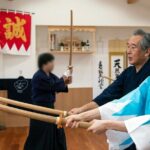
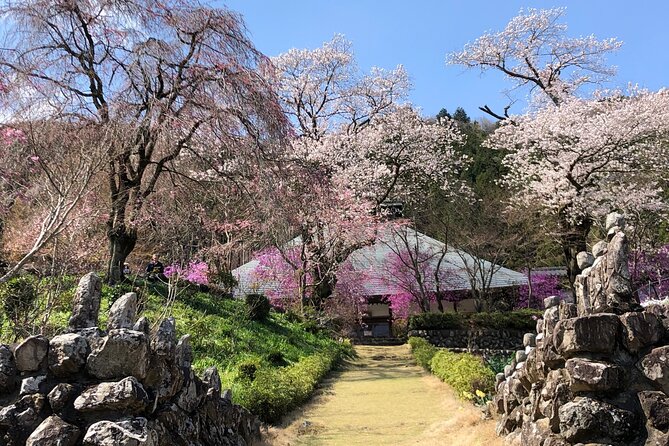
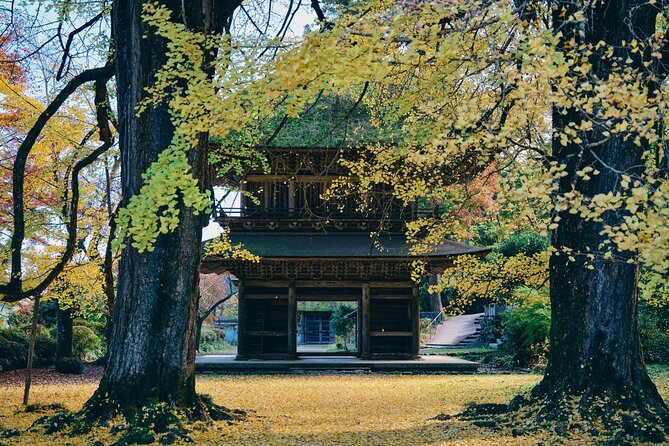
Stop 1 is Kotokuji Temple, and it’s a strong start. You can pass through the splendid thatched gate, then spend time with the big visual anchor of the stop: a giant ginkgo tree. You’ll also hear explanations about the temple’s background, which helps the visit feel more meaningful than just snapping photos.
Why this first stop works: it’s calm, short, and culturally grounding. You’re not jumping straight into water and bikes. Instead, you ease into the day with a setting that feels old and peaceful, right at the start.
What to watch for: the stop is about 30 minutes, so don’t expect a long, slow temple wander. If you’re the type who wants to linger quietly for longer, you’ll likely want to tack on extra temple time elsewhere—but for the tour format, it hits the right tempo.
Kurochaya and the valley ride: bridges, gardens, and terrace views
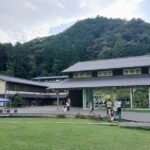
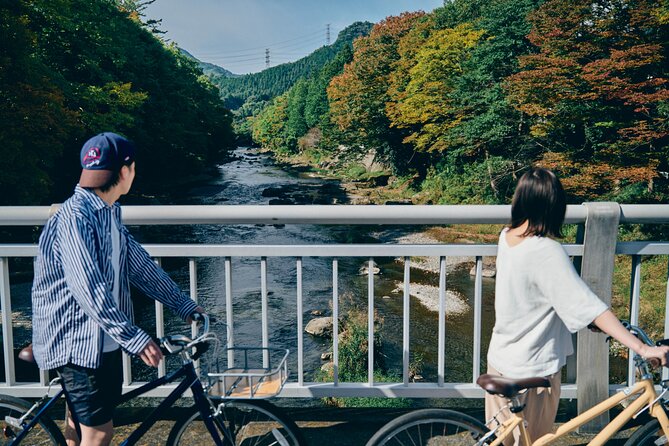
Stop 2 is Kurochaya. After prepping for departure, you ride electric bicycles with a guide for the first half of the tour. Along the way, you stop at scenic spots that break the cycling into bite-sized moments instead of one long stretch in the saddle.
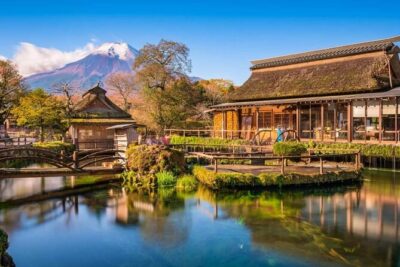
This portion is built around variety: bridges, old temples, Japanese gardens, and cafes with terraces looking out over the valley. That matters because it keeps your eyes busy, and it makes the ride feel like sightseeing rather than just transportation.
The e-bike angle is also practical. The bikes are there to help you travel farther with less fatigue, which makes the day work even if you’re not training for a cycling trip. One helpful detail from the experience is that the guide handles the “ride rhythm” for at least the first half, which is reassuring if you’re new to e-bikes.
Potential drawback: this part includes multiple stops while you’re moving, so if you prefer a minimalist itinerary, you might find it a little “stop-and-go.” The upside is you get a lot of different sights without needing to plan anything yourself.
Akigawa Valley lunch: chairs outdoors, then you’re off again
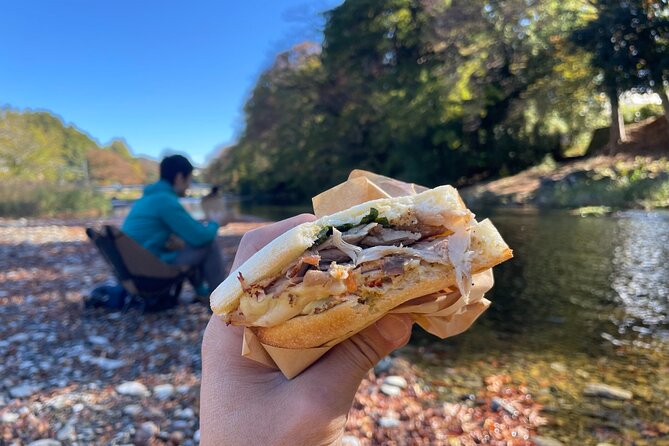
Around 12:00 to 13:00, you’ll have lunch in the Akigawa Valley. The setup is simple and very “this is how people actually eat here”: outdoor chairs placed at a special riverside spot, plus a special Cuba sandwich lunchbox.
This is one of the best value moments in the day because it’s not just food—it’s a change of pace. You’re refueling in the exact scenery you came for, instead of eating somewhere generic. Also, the fact that lunch is scheduled as its own block (not squeezed between transfers) makes the day feel less rushed.
What you may need to plan for: midday is also when the river-trekking part may start to feel real in your head. The lunch break is your time to settle your energy and enjoy the calm before the active highlight.
River trekking to a hidden waterfall
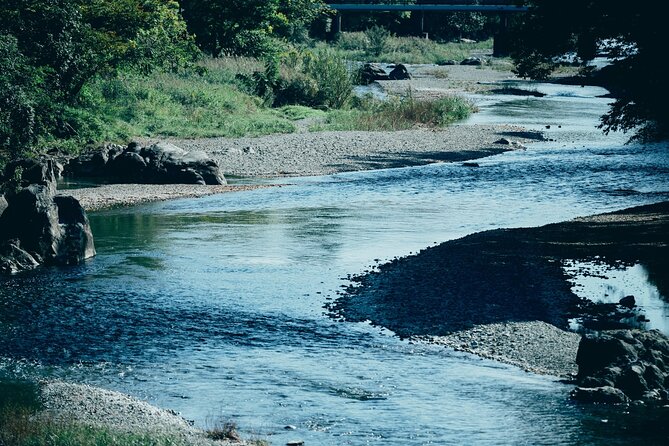
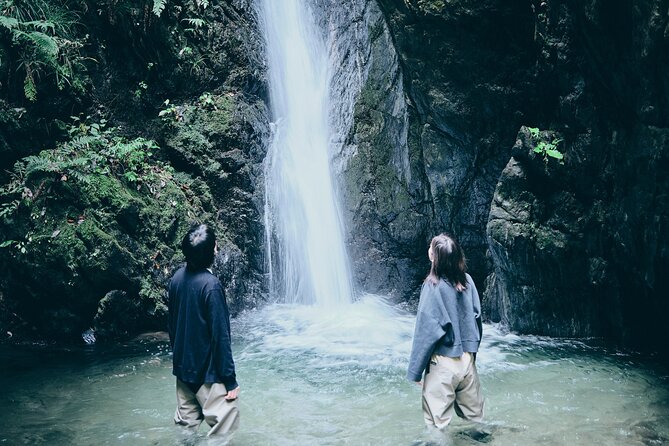
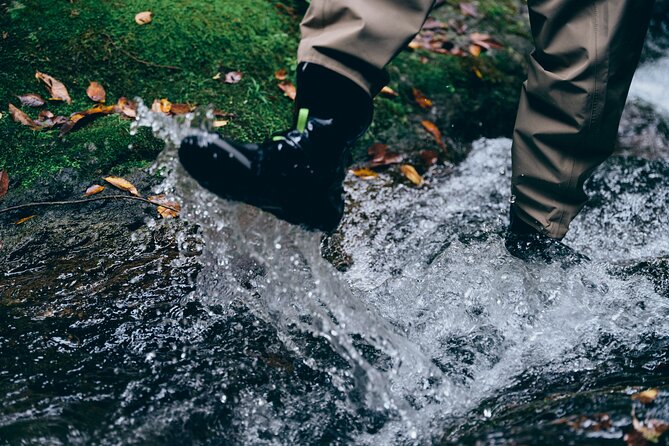
From 13:00 to 14:00, the tour turns from riding into walking: a river trekking tour with a highlight described as a walk through the river using waterproof gear to reach a hidden waterfall.
This is the most unique part of the itinerary, and it’s also the part most tied to conditions. If the day is clear and the water looks inviting, it tends to feel like a nature adventure that you would not get by staying strictly in Tokyo’s urban sights. If it’s rainy, expect the atmosphere to shift. Even so, the day is designed around this element, and the waterproof gear is part of the experience plan.
Why it’s worth doing: it’s not just a photo stop. It’s movement, texture, and sound—the river environment becomes the attraction. And because it’s paired with the earlier temple-and-gardens stops, the “nature contrast” feels earned rather than random.
What to consider: you should be comfortable with wet, uneven footing at least for short sections. The tour is only about 6 hours total, so it’s not trying to be a full-day hike, but it still requires you to be game for the river portion.
Cycling the second half, then the suspension bridge
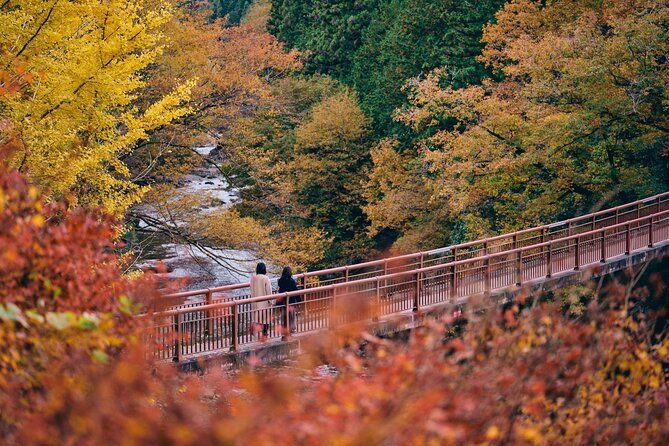
After trekking, the tour brings you back to bikes. From 14:00 to 14:40, you cycle by electric bicycle for the second half. Then from 14:40 to 15:30, you’ll cross a suspension bridge and move into the hot-spring area.
This is a smart pacing choice. You get active, then you get a short cycling segment to transition from trekking mode into relaxation mode. And the suspension bridge gives you a “progress moment”—a visible shift that signals you’re nearing the end and heading toward the soak.
The suspension bridge stop also tends to make the day feel longer in the best way: it’s another landmark you pass through, not just another bend in the river view.
秋川溪谷瀨音之湯: hot-spring footbath and souvenir time
The final stretch is 秋川溪谷瀨音之湯 (spelled out in the itinerary). You’ll visit for a hot spring footbath, followed by souvenir shopping.
This is exactly the kind of ending that makes an outdoors day trip feel satisfying. Your feet get the reset they deserve after river trekking. And the souvenir window is useful because it lets you grab small keepsakes without needing to hunt for a shop on your own.
What makes this ending especially practical is that it fits into the timeline smoothly. You’re not ending with an early “we’re done—good luck” moment. The tour wraps the day with a specific relaxation activity and a chance to look around while you’re already there.
Price and value: where the money goes
At $143.34 per person, this tour isn’t a bargain-style budget outing. But it’s also not expensive in a way that feels wasteful, because you’re paying for a bundle:
- Guide-led routing with multiple stops
- Electric bicycles used for both halves of the cycling
- A structured lunch period with a special Cuba sandwich lunchbox
- The active river trekking highlight, including waterproof gear as part of the plan
- The final hot-spring footbath plus time for souvenirs
There are also stops that list admission tickets as free, which helps keep costs predictable. Most importantly, the tour is built as a full experience, not just transport to a single attraction.
In practical terms, you’re buying time, ease, and a connected storyline. You get the temple start, the garden-and-bridge ride, the riverside lunch, the waterfall walk, and the hot-spring finish—without needing to stitch together trains, local buses, equipment, and multiple entry points.
Best-fit for your trip: who will enjoy it most
This is a great choice if you want Tokyo without the big-city crowds. The whole itinerary is designed to bring you into a different rhythm: river sound, mountain air, and quiet temple spaces in the middle of a day trip.
You’ll likely enjoy this tour most if:
- You want a less touristy Tokyo experience that still feels well organized
- You like nature and don’t mind getting a bit wet for a memorable highlight
- You’re happy with moderate activity, where e-bikes help do the work
- You appreciate guided explanations, like the context at Kotokuji Temple
It may not be the best pick if:
- You hate weather-dependent activities and want guaranteed dry conditions
- You prefer purely urban sightseeing with no river walking at all
- You’re looking for a long, leisurely exploration at each stop (this is a paced day)
Also, if rain shows up, the tour can adjust. One of the experience notes points to an itinerary adjustment due to rain, with a different atmosphere in early autumn mountain village conditions. That’s not a guarantee of comfort, but it does suggest the day isn’t ignored—it’s managed.
Should you book this e-bike and hot-spring day trip?
If you want a genuinely different side of Tokyo with minimal stress, I think this is a yes—especially for couples, solo travelers, and small groups who like structured days with a clear payoff. The combination of electric cycling + river trekking + a hot-spring footbath is the sort of mix that’s hard to build on your own in a single afternoon.
I’d skip or reschedule if you’re traveling during a period when you can’t afford weather disruption. And if you’re uncomfortable with wet, step-in-the-river moments, choose a more dry land-focused plan.
For the rest of you: you’re basically getting a whole countryside day carved out of Tokyo time—and that kind of contrast is exactly why this tour exists.
FAQ
How long is the Little Adventure cycling tour in Tokyo?
The tour runs about 6 hours.
What time does it start, and where is the meeting point?
It starts at 10:00 am. The meeting point is 東京裏山ベース219-7 Tateya, Akiruno, Tokyo 190-0163, Japan.
How many people are in a group?
The maximum group size is 6 people.
Are the electric bikes beginner-friendly?
The tour uses electric bicycles, and the first half is ridden with a guide, which helps keep things manageable.
What are the main activities during the day?
You’ll visit Kotokuji Temple, ride electric bicycles through the valley area, have lunch in Akigawa Valley, do a river trekking tour, cross a suspension bridge, and enjoy a hot-spring footbath at 秋川溪谷瀨音之湯.
What is lunch like?
Lunch is scheduled from 12:00 to 13:00 and includes a special Cuba sandwich lunchbox set up at a riverside spot with outdoor chairs.
Does the tour depend on weather?
Yes. The experience requires good weather. If it’s canceled due to poor weather, you’ll be offered a different date or a full refund.
What is the cancellation policy?
Free cancellation is available up to 24 hours in advance for a full refund. If you cancel less than 24 hours before the start time, the amount you paid will not be refunded.