REVIEW · TOKYO
Private Tokyo Tour with English Speaking Guide
Book on Viator →Operated by Abc travels · Bookable on Viator
One day, 11 Tokyo neighborhoods, zero map stress. This private tour strings together famous sights and practical shortcuts with an English-speaking guide. I like the stop-by-stop structure that keeps moving, plus the mix of modern Tokyo and classic temple culture. One possible drawback: many areas are timeboxed, so if you want long sits for shopping or slow wandering, you’ll feel the clock.
The itinerary works best when you treat it like a guided highlight sampler and then build your own follow-up day. The tour includes hotel meet-up and drop-off, and it uses a mobile ticket for easy check-in. Just plan on extra costs for Tokyo Tower and Tokyo Skytree entry, plus any transit you take between far-apart districts.
In This Review
- Key highlights worth knowing before you go
- A private Tokyo sampler that covers a lot of ground
- Starting at Tokyo Station, with hotel pickup and a mobile ticket
- Shibuya Crossing and Harajuku Station: the Tokyo people actually talk about
- Meiji Jingu Shrine: the quiet reset in the middle of the route
- Shinjuku for an hour: skyline photos, city pace, and choices
- Asakusa and Senso-ji: temple classics with traditional street energy
- Tsukiji Fish Market and Akihabara: food and tech in the same day
- Tokyo Tower and Skytree: two big view stops, tickets not included
- Odaiba in 30 minutes: a modern Tokyo bay mood
- How long the tour really feels: 2 to 8 hours
- Price and value: what $97.73 buys you (and what it doesn’t)
- Guide quality: English coordination that keeps the day smooth
- Who this tour fits best—and who should choose something else
- Should you book this private Tokyo tour?
- FAQ
- What is the price for this private Tokyo tour?
- How long is the tour?
- Does the tour include hotel pickup and drop-off?
- Is the tour walking-only, or do we use transportation?
- Are tickets included for Tokyo Tower and Tokyo Skytree?
- What’s included in the tour besides the guide?
- Where does the tour start and end?
- Is it a private tour?
- What happens if the weather is poor?
Key highlights worth knowing before you go
- Private, group-only time so you’re not squeezed into a big crowd rhythm.
- Hotel pickup and drop-off plus a clear meet point at Tokyo Station for clarity.
- Big variety in one day: Shibuya and Harajuku style, Meiji Jingu calm, Asakusa temples, Tsukiji food stops, Akihabara tech/anime, and bay views at Odaiba.
- Tokyo Tower and Skytree tickets are not included so you should budget and decide in advance.
- English support that shows up in planning; one guide named Hikari was noted as responsive ahead of time with strong English.
A private Tokyo sampler that covers a lot of ground
This tour is built for people who want a clear orientation to Tokyo fast. You get major districts in one route: Shibuya and Harajuku for modern street life, Meiji Jingu for a breather, Shinjuku for skyline energy, and then the older-feeling areas around Asakusa and Senso-ji. After that, it pivots into Tsukiji and Akihabara—two totally different Tokyo moods in the same day.
The private format matters. In a group tour, you often lose time to waiting, photos in the wrong place, and language friction. Here, your guide can adjust pacing to your group so you spend more time looking and less time figuring out which direction to walk.
The tradeoff is time. Many stops are capped around 30 minutes, with a couple longer stretches. If you hate rushing, this isn’t a do-it-all “move at your pace” plan.
You can also read our reviews of more guided tours in Tokyo
Starting at Tokyo Station, with hotel pickup and a mobile ticket
Your meet point is at Tokyo Station: 1 Chome-9 Marunouchi, Chiyoda City, Tokyo 100-0005. The experience also offers hotel meet-up and drop-off, which is a big win if you’re staying in a convenient area or you don’t want to start your day with subway math.
You’ll use a mobile ticket. That’s useful in Japan where queues can move quickly and directions can change. It also helps reduce the “where do we meet?” chaos.
One more practical note: public transportation costs are excluded. So you’ll want small cash or a loaded transit card ready for any trains/subways the guide uses between neighborhoods. The tour isn’t framed as a pure on-foot crawl across the whole city.
Shibuya Crossing and Harajuku Station: the Tokyo people actually talk about
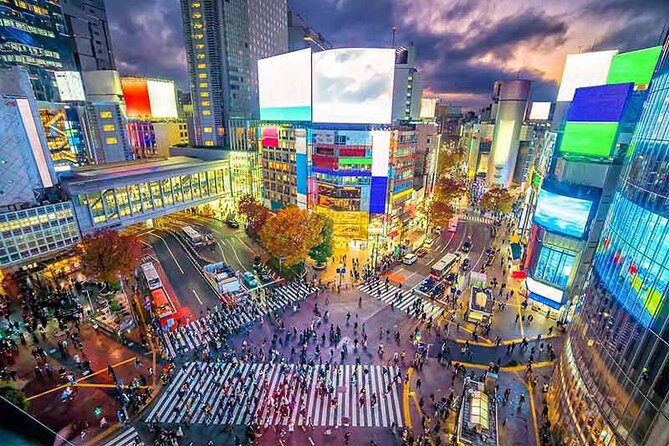
Shibuya is where Tokyo shows its scale. You’ll have a short stop centered on Shibuya Crossing, the world-famous scramble crossing that turns pedestrians into a coordinated wave. Even if you’ve seen photos, being there is different: the timing, the crowd flow, and the constant motion are part of the experience.
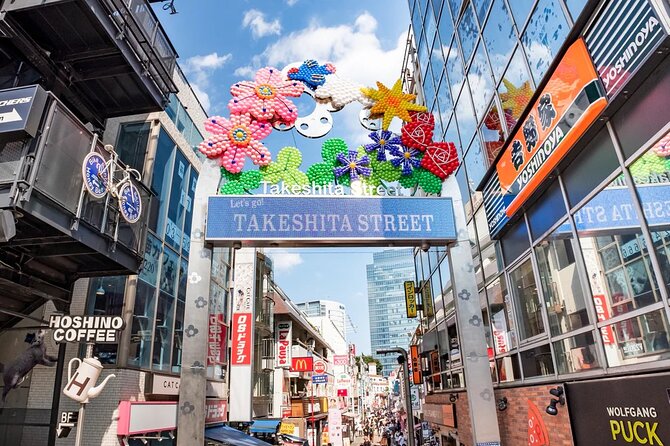
Then you shift to Harajuku around Harajuku Station. This is where street style and quirky boutiques tend to cluster, plus you get the youth-culture vibe without needing to chase specific shops first. The stop is about 30 minutes, so it’s more of a first taste than a full shopping hour.
Consider your expectations. If you want to shop deeply—make-up brands, streetwear, specialty snacks—plan to add extra time afterward. Think of these stops as orientation and inspiration.
Meiji Jingu Shrine: the quiet reset in the middle of the route
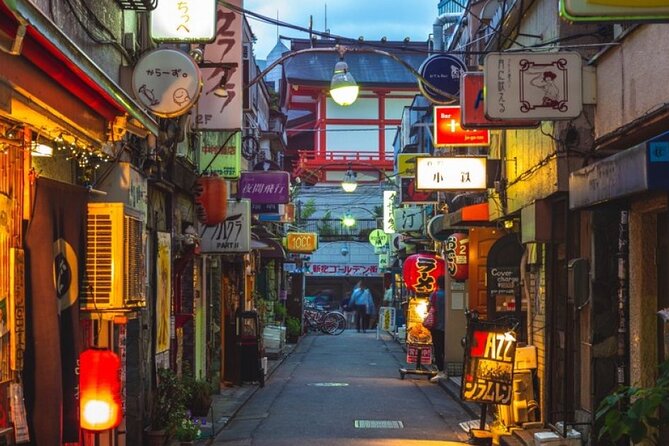
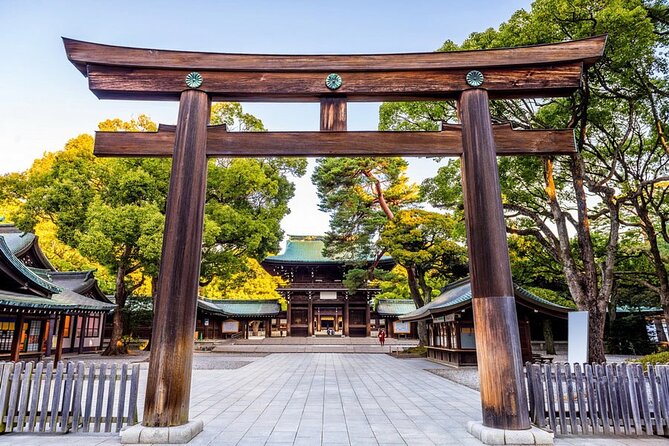
After the city buzz, Meiji Jingu Shrine gives you a reset. The grounds are organized for walking through a forest-like area, with torii gates as you enter the shrine approach. The stop is about 30 minutes, so you’ll get a calm feel without turning it into a half-day detour.
This is also a good place for a breather if your group has different energy levels. Some people love the walk and atmosphere, while others just want a quick, meaningful landmark moment.
Watch your timing. If you arrive during busy hours, you’ll still be able to move, but the shrine approach can slow your pace. Short stop means you’ll want to focus on the main path rather than trying to see every side corner.
Shinjuku for an hour: skyline photos, city pace, and choices
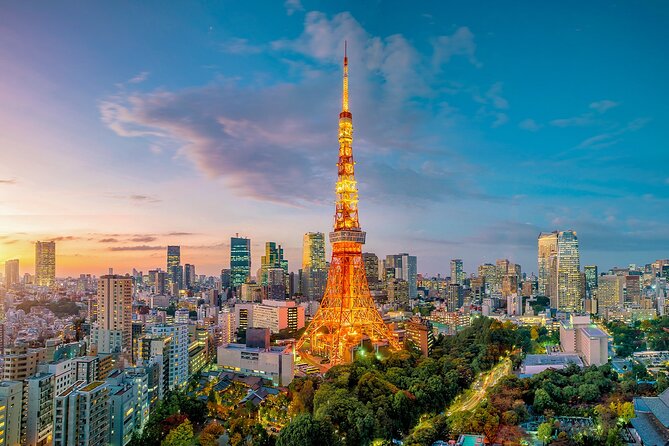
Shinjuku is one of Tokyo’s “everything at once” districts. You get about 1 hour here, which is enough for a few key viewpoints and street scenes—but not enough for deep shopping sessions or long detours.
This stop tends to work well for people who like urban scenes: tall buildings, layered streets, and plenty of places to stand, point, and take photos. It’s also a practical hub for crossing from one Tokyo style zone to another.
A small consideration: Shinjuku can be confusing if you’re left to your own devices. Having your guide keep the group moving helps a lot, especially if you’re mixing in other districts the same day.
You can also read our reviews of more private tours in Tokyo


Asakusa and Senso-ji: temple classics with traditional street energy
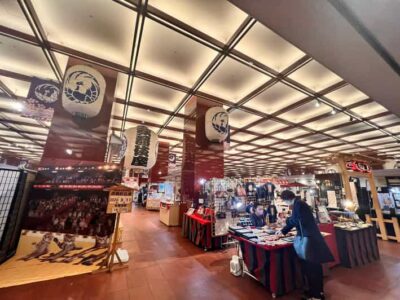
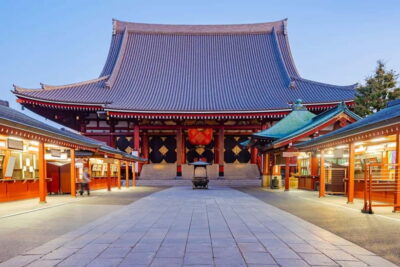
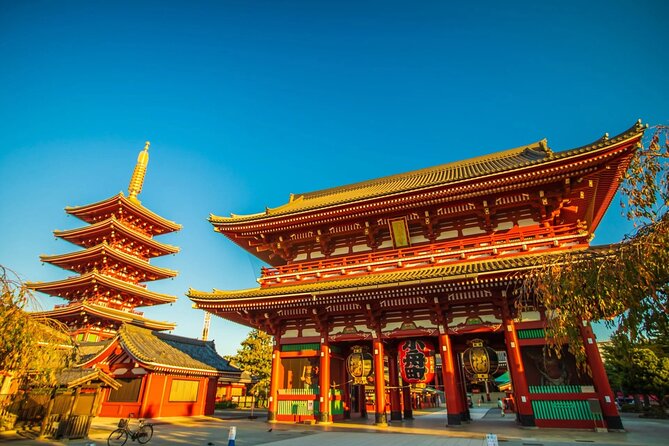
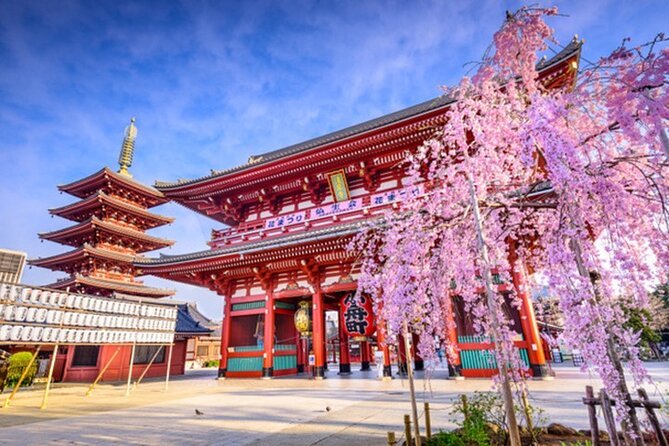
Asakusa gives you a different Tokyo feeling—more traditional streets and a clear sense of what visitors come to see. You’ll spend about 1 hour in the area, then you’ll have a separate stop at Senso-ji Temple for about 30 minutes.
Senso-ji is Tokyo’s best-known Buddhist temple, famous for Kaminarimon (the big thunder gate) and the lively Nakamise-style shopping approach leading toward the main grounds. It’s one of those sights where even a short visit feels “worth it,” because the approach itself is part of the story.
One practical tip: because this is a top destination, crowds are normal. With a shorter time box, your guide will likely steer you toward the highest-impact sightlines first. That’s a good way to avoid spending half your time just finding where the main flow goes.
Tsukiji Fish Market and Akihabara: food and tech in the same day
Tsukiji is included as a 45-minute stop. The inner wholesale market has relocated to Toyosu, but the area still works as a food-focused visit—especially if you want to experience the market neighborhood atmosphere and snack culture around it.
Then you pivot to Akihabara for another 45 minutes. This is “Electric Town” territory: electronics shops, anime-related stores, and gaming hubs. Even if you’re not a serious collector, Akihabara has a strong visual identity. It’s fun to walk through and see how commercial Tokyo can look so different block to block.
If your group splits interests, this pairing helps. Food people get Tsukiji; pop-culture and gadget fans get Akihabara. The only downside is that 45 minutes is short—so you’ll want to focus on one or two things you really want to see, not everything.
Tokyo Tower and Skytree: two big view stops, tickets not included
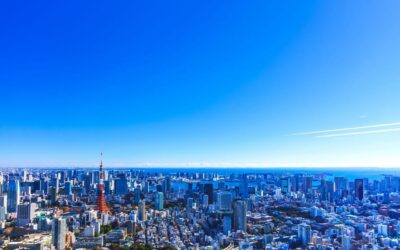
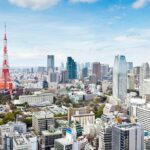
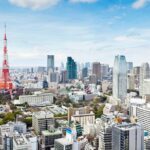
This tour includes both Tokyo Tower and Tokyo Skytree. That’s a smart move if you like city panoramas and want options without switching tours. The time at each is about 30 minutes.
Here’s the key planning point: admission ticket costs for Tokyo Tower and Tokyo Skytree are not included. That means you should budget separately and decide whether you’ll go up before the day starts. If your group has limited interest in paid observation decks, you might still get plenty from the exterior area, but that depends on what you choose to do once there.
Also, both towers can be weather-sensitive for visibility. The experience notes that it requires good weather. If conditions are poor, the plan may be adjusted or refunded later—so keep an eye on the forecast.
Odaiba in 30 minutes: a modern Tokyo bay mood
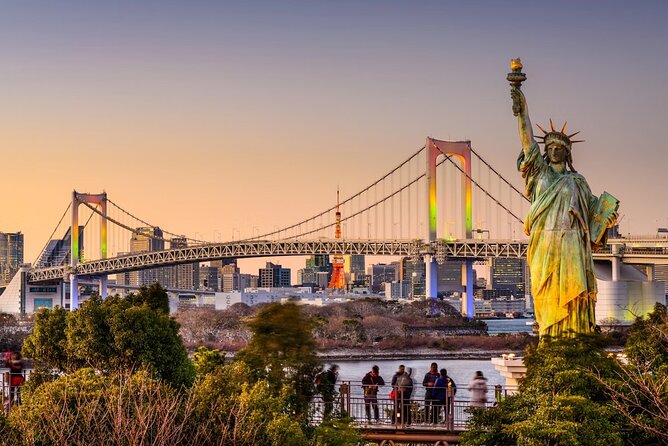
Odaiba is a futuristic entertainment and shopping area on a man-made island in Tokyo Bay. You’ll have about 30 minutes here, which is enough for a taste of the architecture and waterfront vibe.
This stop is also a nice contrast after the dense neighborhoods earlier in the day. The bay area tends to feel less gridlocked and more open for casual walking and photos.
Since Odaiba is included with a short window, treat it as a “check it off” moment rather than a full-day sightseeing plan. If you love water views, you can always extend later on your own.
How long the tour really feels: 2 to 8 hours
The duration is listed as 2 to 8 hours (approx.). In practice, the stops are timeboxed: most are around 30 minutes, Shinjuku is 1 hour, and Asakusa is 1 hour. That structure keeps the day moving, but it also means your free time for wandering is limited.
This tour is also a good “first Tokyo day” option. You’ll get multiple districts so you can decide what to repeat on day two or three. If you’re already on your second or third day, it still works because it’s efficient—but you may feel less urgency to hit everything.
If you’re traveling with kids or anyone who needs frequent breaks, ask your guide how they handle pacing. The experience states that most travelers can participate, and children aged 11 and under are free of charge if you inform them in advance.
Price and value: what $97.73 buys you (and what it doesn’t)
At $97.73 per person, this is not “budget tour” pricing, but it’s also not premium luxury. You’re paying for a private, English-speaking guide plus hotel meet-up and drop-off. That can be excellent value if you’re trying to cover many neighborhoods efficiently without spending your day negotiating transit and directions.
What isn’t included matters for your total cost:
- Tokyo Tower and Tokyo Skytree admission tickets (not included)
- Public transportation cost (excluded)
- Snacks (excluded)
So the best way to judge value is to ask yourself: will your group want to go up Tokyo Tower and Skytree? If yes, your spend adds up, but you get major skyline viewing. If no, you might still enjoy the route and landmarks but skip paid elevation.
Also, the experience offers group discounts, and it’s marked as booked about 66 days in advance on average. If you want prime timing, that planning runway can help.
Guide quality: English coordination that keeps the day smooth
The biggest difference with private guiding is communication. One guide named Hikari was specifically described as responsive before the tour and at hotel pickup, with great English. That’s the kind of support that reduces stress when you’re moving between districts with different street patterns.
Even without naming every guide, the pattern is clear: you’ll want someone who can:
- keep you from getting lost during short stop times
- explain what you’re seeing in plain English
- help the group move as a unit so you actually reach the next district on schedule
If your English comfort level is high, you may still appreciate this structure. Tokyo is easy to love, but it can be hard to navigate at speed.
Who this tour fits best—and who should choose something else
This tour suits you if:
- you want a first-pass Tokyo orientation with clear route stops
- your group has mixed interests (food market + anime/gadgets + temples + city views)
- you prefer a private guide and hotel pickup over DIY navigating
It might be less ideal if:
- your dream day is slow and flexible, with lots of shopping time
- you want one neighborhood at a deep level instead of many at a shallow level
- you’re hoping tickets are included for the towers (they are not)
A smart strategy: after the tour, pick one district you liked most—like Asakusa or Akihabara—and spend longer there the next day.
Should you book this private Tokyo tour?
I’d book it if you want structure and variety without getting stuck in transit confusion. The private format plus hotel pickup is the big value driver, and the route hits several Tokyo must-sees in a way that’s easy to build on afterward.
Skip it or look for an alternate plan if you’re mainly after one theme—deep temple time, heavy shopping, or long observation-deck sessions—because many stops are brief. Also budget for Tokyo Tower and Tokyo Skytree tickets, and keep an eye on weather since the experience notes it needs good conditions.
If your goal is a guided Tokyo snapshot that leaves you excited to return, this route does that job.
FAQ
What is the price for this private Tokyo tour?
The price is listed as $97.73 per person.
How long is the tour?
The duration is approximately 2 to 8 hours.
Does the tour include hotel pickup and drop-off?
Yes. Hotel meet-up and drop-off are included.
Is the tour walking-only, or do we use transportation?
Public transportation cost is excluded, which suggests you may need transit between some districts. The tour also includes hotel pickup and drop-off.
Are tickets included for Tokyo Tower and Tokyo Skytree?
No. Admission for Tokyo Tower and Tokyo Skytree is not included.
What’s included in the tour besides the guide?
Included items are hotel meet-up and drop-off, an English speaking guide, and children aged 11 and under are free of charge if you inform the provider in advance.
Where does the tour start and end?
It starts at Tokyo Station (1 Chome-9 Marunouchi, Chiyoda City, Tokyo 100-0005, Japan) and ends back at the meeting point.
Is it a private tour?
Yes. It’s private, meaning only your group participates.
What happens if the weather is poor?
The experience requires good weather. If it’s canceled due to poor weather, you’ll be offered a different date or a full refund.
If you tell me your travel dates and whether you plan to go up Tokyo Tower or Skytree, I can help you decide if the extra ticket cost fits your priorities.