REVIEW · TOKYO
Tokyo: Best of Shibuya Food Tour
Book on GetYourGuide →Operated by Arigato Travel KK · Bookable on GetYourGuide
Shibuya tastes like a shortcut to culture. In this 3-hour Shibuya Food Tour, you slip past Scramble Crossing and head for the lanes where people actually eat, starting at the Hachiko wall mural outside the station. I like how the focus stays on backstreet counter spots, not just big-photo scenery.
Two things I really love: the English-speaking guide who turns each bite into a story, and the variety that keeps you moving from savory classics to sweets. I kept hearing guide names like Jane and Serena come up for a reason, and the ending Depachika dessert is a sweet, very Shibuya way to wrap the night.
One consideration: portions can add up fast, and at least some stops are set up for standing or tight seating. Bring comfortable shoes, and plan for a quick departure if you’re even a few minutes late.
In This Review
- Key Highlights You’ll Feel Fast
- Why Shibuya’s Food Scene Beats Just Seeing the Famous Crossing
- Finding the Group at the Hachiko Wall Mural (Not the Statue)
- Small-Group Tour Energy and Real Guide Impact
- How the 3 Hours Work: 5 Stops Plus Drinks and Dessert
- Stop 1: Sushi at a Standing Restaurant Setup
- Stop 2: Izakaya-Style Bites and Grill Sounds in the Backstreets
- Stop 3: Okonomiyaki and the Fun of Watching It Cook
- Stop 4: Ramen Street Stops and Comfort Noodles
- Stop 5: The Finishing Savory Stop That Keeps the Variety Honest
- Ending in a Shibuya Depachika Dessert Counter
- Price and Value: What $170 Covers in Real Terms
- What to Bring, and the One Small Mistake to Avoid
- Who Should Book This Shibuya Food Tour
- Should You Book This Shibuya Food Tour?
- FAQ
- How long is the Tokyo Shibuya Food Tour?
- How many food stops are included?
- What’s included in the price?
- Where do I meet the guide?
- How big is the group?
- Is hotel pick-up included?
- What should I bring for the tour?
- Is cancellation free?
Key Highlights You’ll Feel Fast
- 5 food stops in about 3 hours so you get real variety without spending your whole day hunting for dinner
- English guide with restaurant know-how, including street-smart tips that go beyond ordering
- Backstreets first, landmark second, which helps Shibuya feel like a neighborhood instead of a theme park
- Dishes you can’t easily find on your own, often including sushi, okonomiyaki, ramen, and izakaya-style bites
- A Depachika dessert finale that finishes the tour in full-on Tokyo style
- Small group size (up to 10) which makes it easier to hear explanations and stay together
Why Shibuya’s Food Scene Beats Just Seeing the Famous Crossing
Shibuya’s most famous moment is the Scramble Crossing, but the real personality shows up after that. On this tour, you’re guided into the everyday flow of the area, where alleyways, side streets, and tiny storefronts matter more than neon backdrops.
I like that the tour is built around eating, so the neighborhood makes sense as you walk. You’ll learn the logic behind what’s popular, what’s regional, and why locals choose certain spots when they want something specific.
And yes, you still get the Shibuya energy, just with a better rhythm. Instead of rushing between sights, you slow down at counter windows and menu boards where people actually line up.
You can also read our reviews of more food & drink experiences in Tokyo


Finding the Group at the Hachiko Wall Mural (Not the Statue)
Meeting is easy once you know the trick: you meet outside Shibuya Station in front of the colorful wall mural of Hachiko at the Hachiko exit. The important part is to avoid the very crowded statue area, since that’s where it gets chaotic fast.
You should be facing the big intersection with the mural to your back. If you’re staring at your phone the second you pop out of the station, you risk missing the group.
Also, the tour doesn’t wait forever. You get only an additional five minutes after the start time, and once the tour begins the guide can’t be contacted by phone to redirect people. If your timing is even slightly uncertain, give yourself extra buffer time.
Small-Group Tour Energy and Real Guide Impact
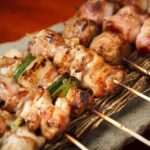
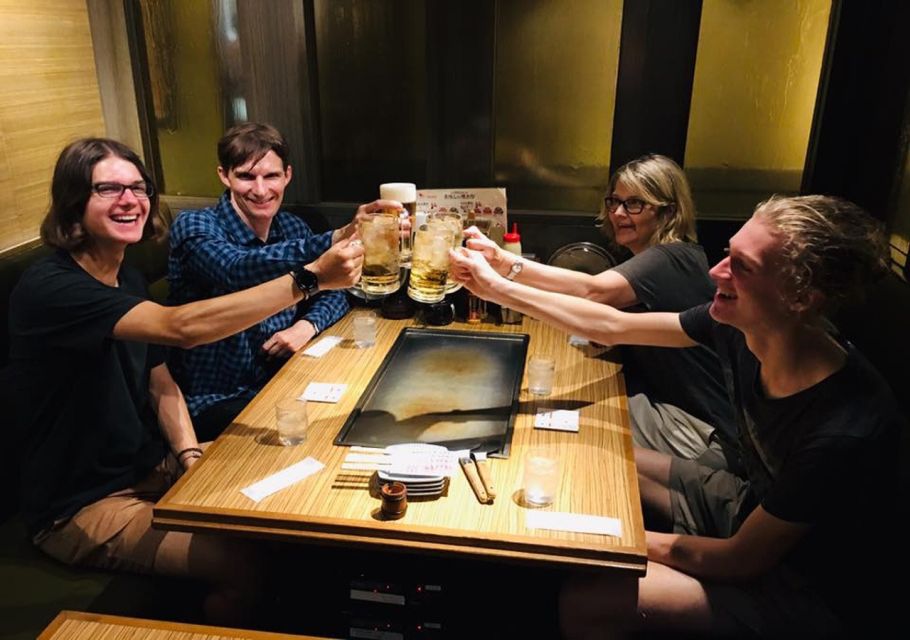
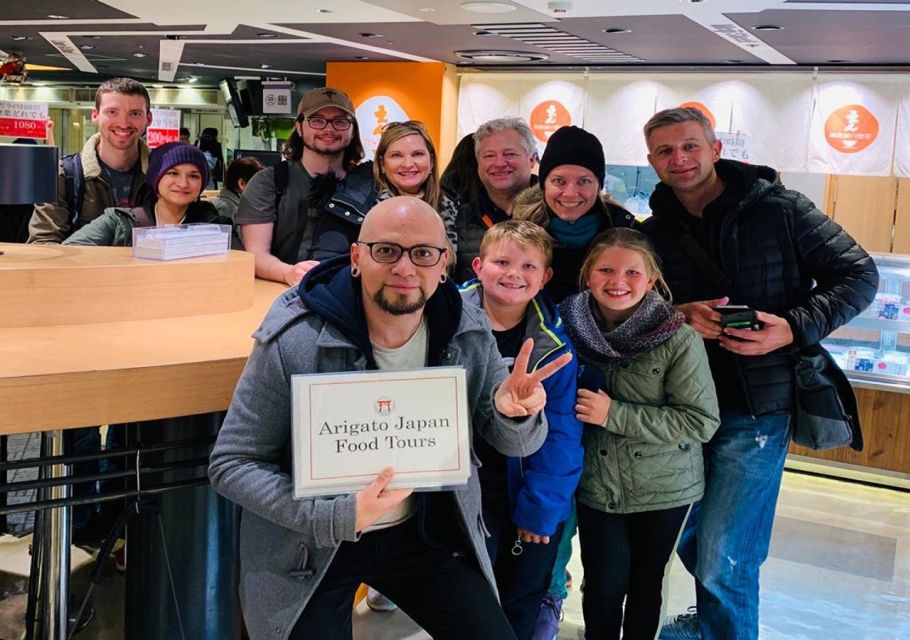
This is a live English-speaking tour with a small group limited to 10 participants. That size matters in Tokyo, because you’re often stepping into tight restaurants and busy lanes where big groups can feel like a parade.
The guide influence is one of the strongest reasons to book. People consistently mention guides like Alex, Serena, Jane, Saika, and Kumie for keeping the pace fun and the explanations clear. In a couple of cases, guides also took lots of photos for the group, which turns the night into more than just eating.
You’ll also feel the difference between a script and a human guide. For example, one guide (Alex) shared culture connections that went beyond Japan, including overlap with Mexican culture, and it made the stories stick. If you ask questions on the walk, you’ll usually get thoughtful answers back.
If you have food restrictions, I’d still plan to communicate them ahead of time. At least one guide on record (Kumie) was noted for taking restrictions into account while still making sure everyone could participate.
How the 3 Hours Work: 5 Stops Plus Drinks and Dessert
You’re out for 3 hours, paced so you eat at multiple points instead of one long meal. The tour includes dishes at five food stops, plus 2 drinks and dessert at the end.
This structure is a big deal for value. You’re not paying to walk around looking hungry while you figure out dinner. You’re paying for direction, timing, and access to places that are harder to find when you don’t read menus fast.
The stops also help you learn by comparison. You’ll get a clearer sense of what Shibuya favors by eating different styles back-to-back: counter sushi, street-style favorites, and heavier comfort foods, then a sweet finale.
Stop 1: Sushi at a Standing Restaurant Setup
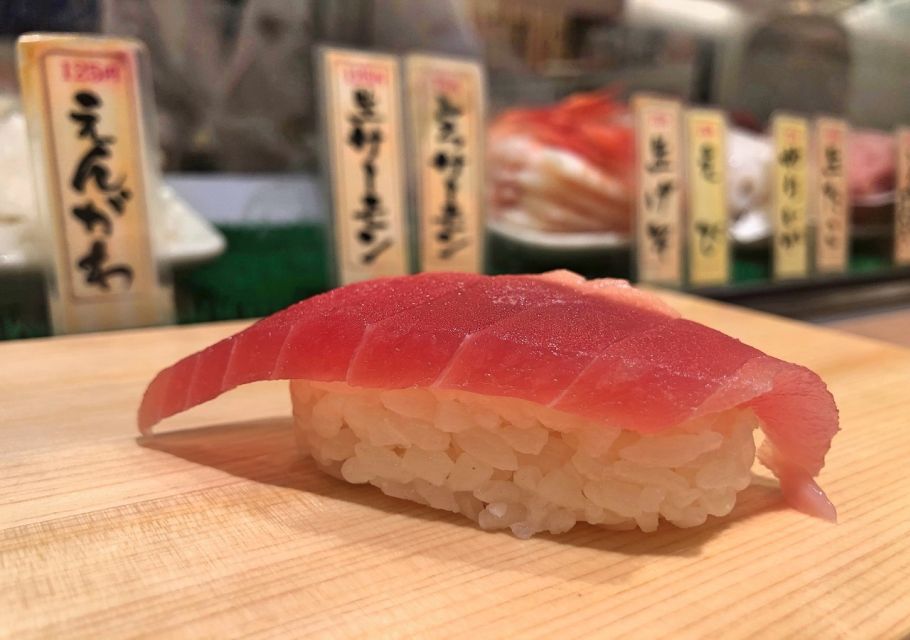
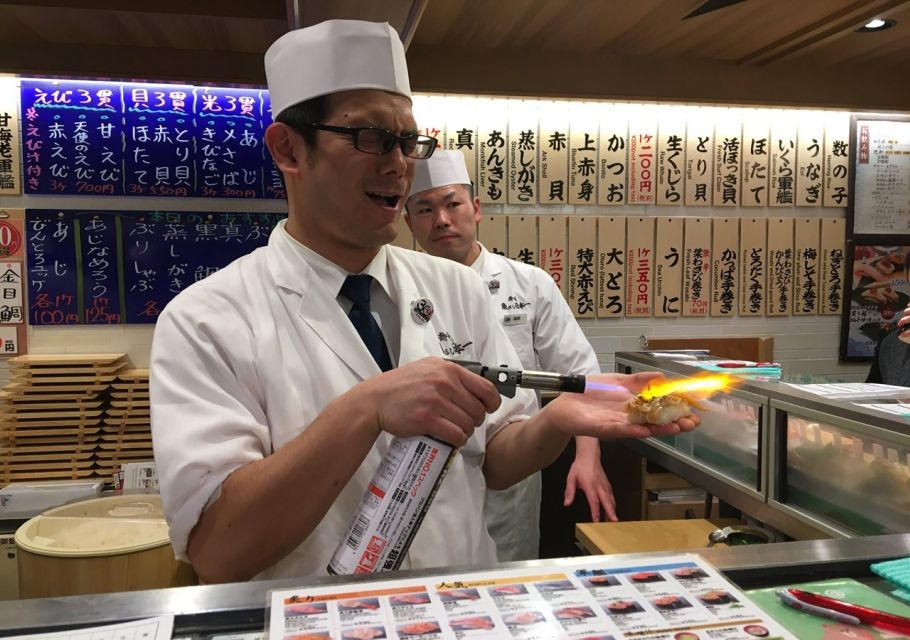
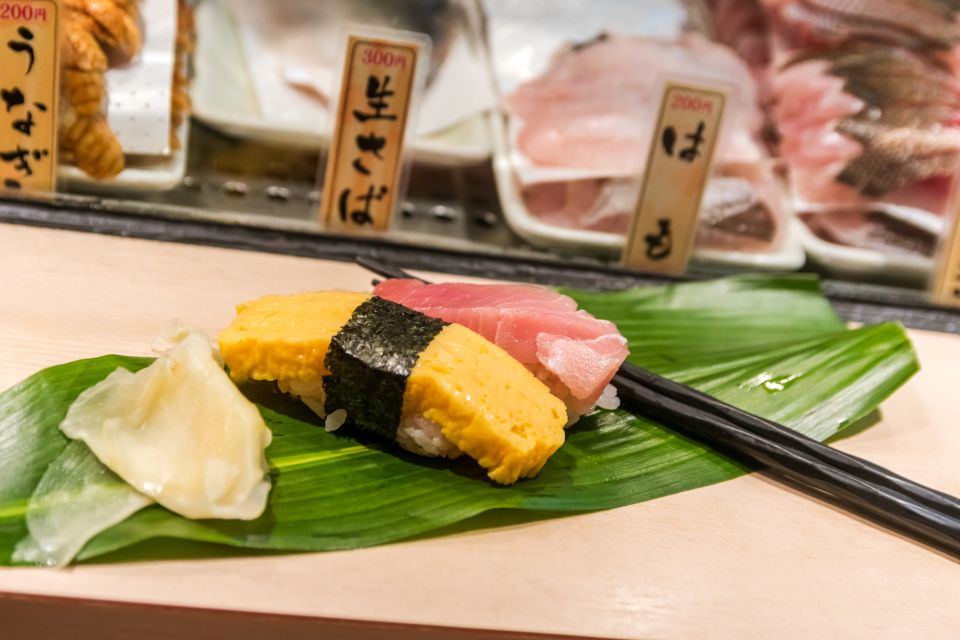
One of the most common described experiences on this tour is a standing sushi restaurant. The pitch here is simple: you get very fresh bites, often served in a quick, efficient way, and you learn what locals look for when they want quality without fuss.
You’ll likely see melt-in-your-mouth sushi and be guided on how to eat it correctly in that setting. This kind of place can feel intimidating if you’ve never eaten standing before, but the guide’s job is to remove the guesswork and help you relax into it.
Practical tip: standing restaurants are short on seating by nature. Wear shoes you can stand in for a while, and don’t overthink it—this stop is part of the experience.
You can also read our reviews of more tours and experiences in Tokyo


Stop 2: Izakaya-Style Bites and Grill Sounds in the Backstreets
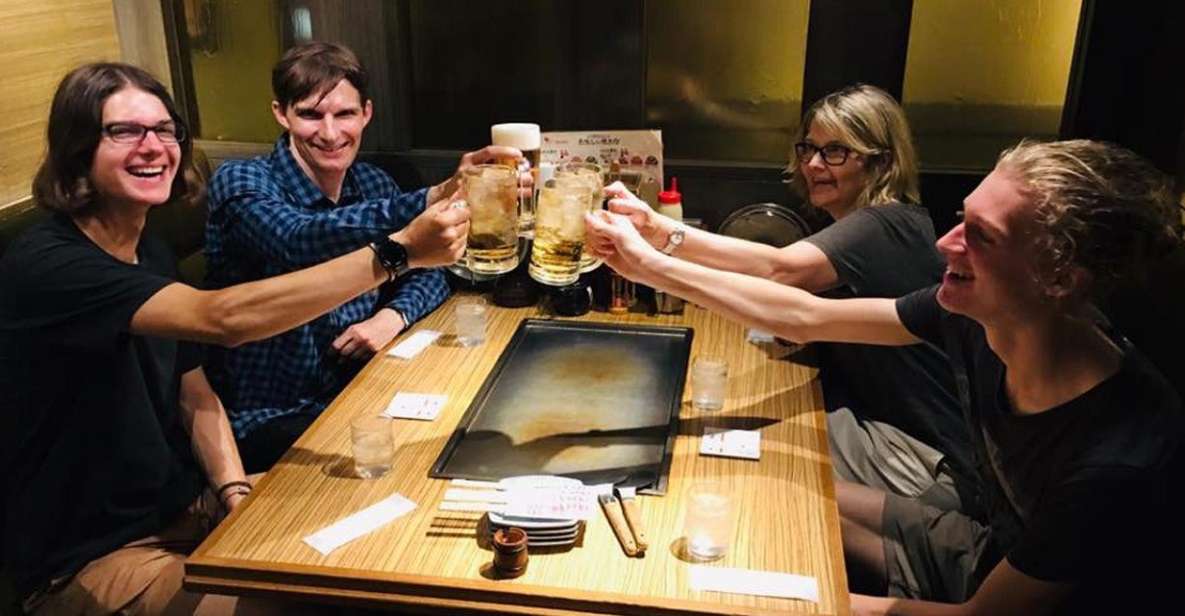
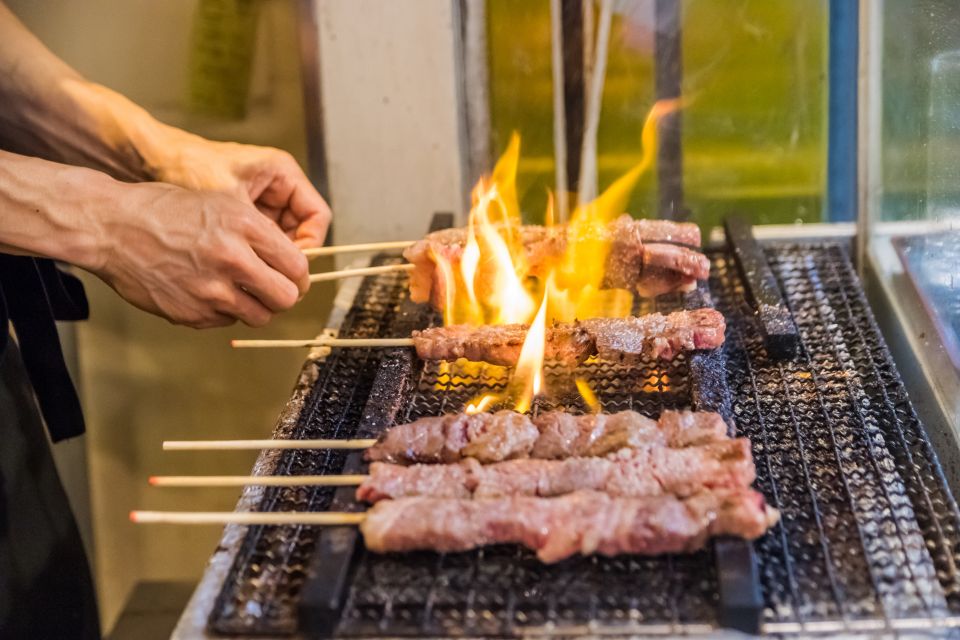
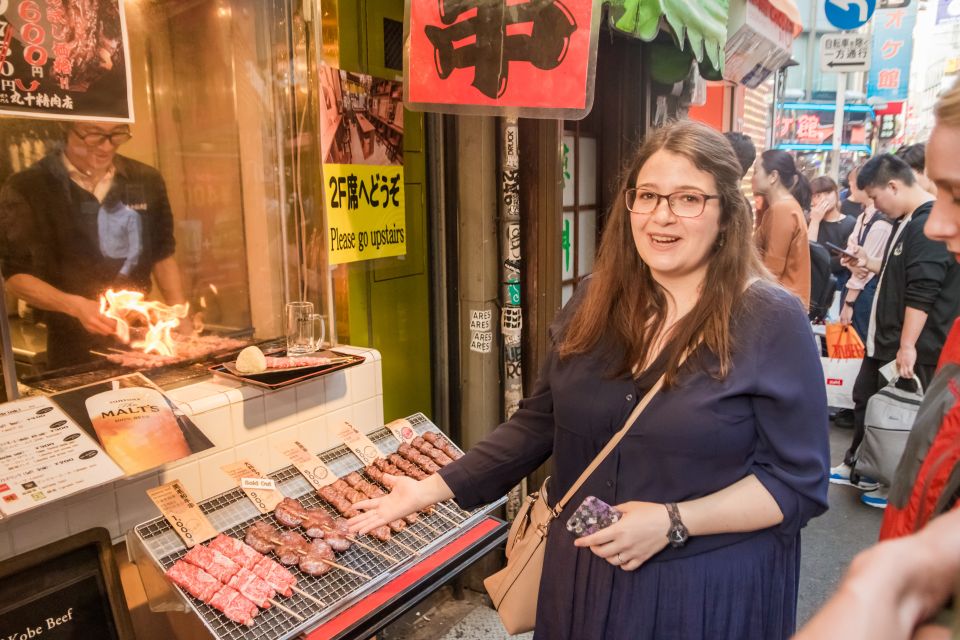
Next, the tour moves from sushi counter rhythm into the mood of an izakaya area—casual, flavorful, and built for sharing. You’ll hear the sizzle, see the food being prepared, and get explanations for what you’re tasting and why it’s a local go-to.
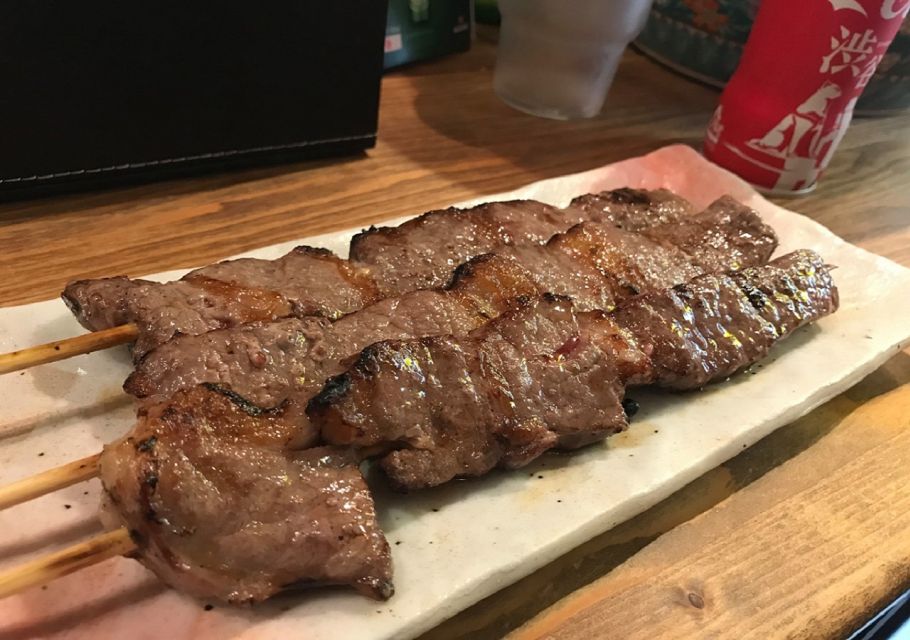
Depending on the night and rotation, you might sample items like takoyaki or other grilled/street-style snacks. Reviews also mention Kobe beef as an example of the kind of satisfying, meat-forward stop the tour can include, though you shouldn’t assume it’s guaranteed.
What I like about this portion is that you’re tasting more than one personality of Japanese food. It’s not just one cuisine lane. You’re seeing how Shibuya switches gears, from fine bites to comfort and convivial plates.
Stop 3: Okonomiyaki and the Fun of Watching It Cook
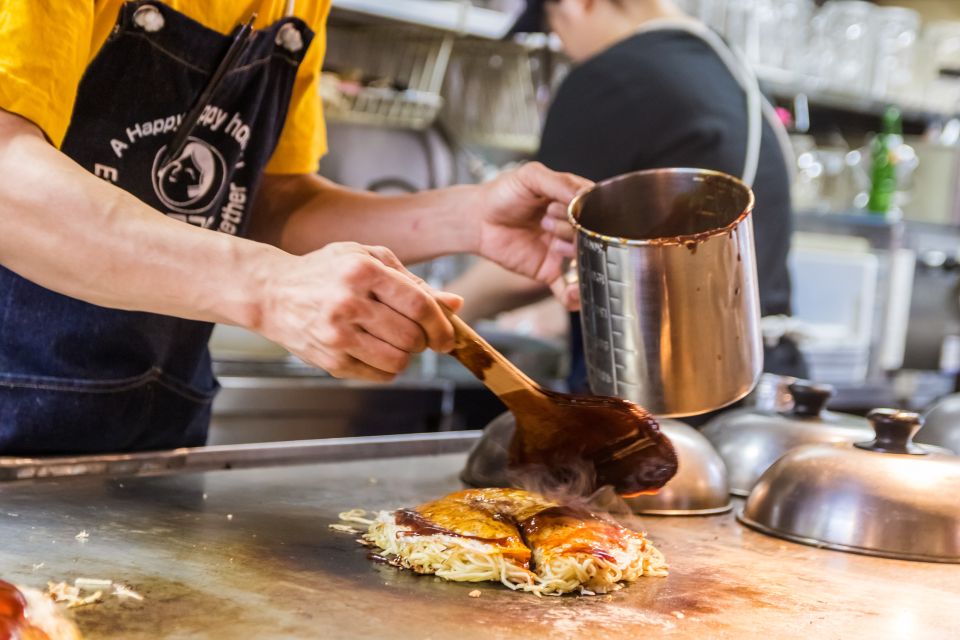
Okonomiyaki is one of those dishes that looks straightforward until you see how it’s actually made. On this tour, you get a dedicated stop for okonomiyaki, with the added bonus of learning the regional variations and how the base technique changes by place.
This is one of the most “watchable” stops, because it’s built around heat control and timing. If you’ve been curious about why some okonomiyaki tastes lighter or heavier, this is the moment to ask questions.
One more practical note: okonomiyaki can be filling. So even if you’re hungry, pace yourself and save room for what comes later, especially the dessert in the Depachika.
Stop 4: Ramen Street Stops and Comfort Noodles
Ramen in Shibuya can feel like a whole street culture, not just a single bowl. This tour includes a ramen stop—often described as a street-style setup—where you get to experience the vibe of how people line up and order quickly.
You’ll learn what to pay attention to with ramen, like broth style and toppings, and the guide ties the dish back to local food habits. The goal isn’t to memorize a glossary. It’s to give you a way to order confidently on your own later.
If you’re a ramen fan, this part is worth it alone. If you’re not, you’ll probably leave with an opinion anyway, because the tour helps you understand what makes one ramen different from another.
Stop 5: The Finishing Savory Stop That Keeps the Variety Honest
The fifth stop is where the tour keeps you from feeling like you’re eating the same category over and over. Based on the dish examples people mention—like izakaya plates, sushi, okonomiyaki, ramen, and rotating street snacks—you can expect another strong savory moment that rounds out the menu.
This is also where you feel the guide’s hand. A good guide reads the group and adjusts choices so you don’t leave with one “main dish” experience only. With a small group, it’s easier to manage that flow.
If you’re someone who fears going to one food stop that’s a dud, this structure helps. One savory stop might not be your favorite, but the variety makes it harder for the entire tour to miss.
Ending in a Shibuya Depachika Dessert Counter
The finish is sweet, and it’s very Tokyo: you end with dessert in a Shibuya Depachika. Depachika food basements are famous for a reason—they’re where you find dessert as a craft, not just a quick sugar hit.
This dessert stop is also a smart pacing choice. After five savory moments, you get a calm landing where you can taste something lighter and choose your pace for the final minutes.
If you like taking home a last treat, this is the type of experience that makes you want to come back the next day just to browse. Even if you’re not a dessert person, it’s a satisfying wrap that gives Shibuya a clearer emotional ending.
Price and Value: What $170 Covers in Real Terms
At $170 per person for 3 hours, you’re paying for more than food. You’re paying for five structured meals (with variety across multiple stops), 2 drinks, dessert, and an English-speaking guide.
The value angle is simple: Shibuya is not slow or simple to navigate. With a guide, you spend your time eating instead of searching for the right place, guessing what to order, and trying to fit dinner into the flow of a super crowded neighborhood.
You do have costs outside the tour price. Transportation costs aren’t included, and hotel pick-up can be arranged for an extra charge. Also, additional drinks or food are not included, though you can buy more at your own expense.
So I’d treat this as a planned dinner experience, not a casual snack crawl.
What to Bring, and the One Small Mistake to Avoid
You only need a few basics. Bring your passport because a copy of your passport information is required for participants aged 10 and over. Bring comfortable shoes, because a big chunk of this is walking and standing in tight spaces.
If you want the best experience, show up hungry and keep your water habits sensible. You get 2 drinks included, so don’t assume you need to add on right away—save your extra purchases for after the tour if you’re still thirsty.
Finally, stick to the meeting point instructions. The difference between arriving at the right Hachiko spot and the most crowded statue spot can be a whole lot of stress.
Who Should Book This Shibuya Food Tour
This tour fits best if you want:
- A first-time or mid-trip introduction to Shibuya food culture
- A practical way to try multiple Japanese dishes in one evening
- An English guide who can connect what you eat to local habits and stories
- A small-group pace that works in real Tokyo restaurant conditions
If you’re the kind of traveler who likes to understand why a dish is popular—rather than just checking it off—this is a strong match. If you hate walking or standing for parts of the experience, you might find it tiring, since some stops involve tight spaces.
Also, it’s a good choice for people who don’t want to stress over ordering. The guide helps you eat confidently in places you’d probably skip if you had to navigate everything alone.
Should You Book This Shibuya Food Tour?
Yes, I’d book it if you want Shibuya to feel like a real eating neighborhood in one evening. The combination of five food stops, English guidance, included drinks, and a Depachika dessert finish is exactly what makes this kind of tour practical.
My only “wait” moment would be if you know you can’t handle standing, or if you’re hoping for tiny samples only. This tour can fill you up, and the menu is meant to be eaten, not grazed.
If that doesn’t sound like you, this is a smart way to spend 3 hours in Tokyo—walking less like a tourist, eating more like someone who knows where to go.
FAQ
How long is the Tokyo Shibuya Food Tour?
The tour lasts 3 hours.
How many food stops are included?
You visit 5 food stops, plus dessert at the end.
What’s included in the price?
The price includes a variety of dishes at multiple food stops, 2 drinks, dessert, and a local English-speaking guide.
Where do I meet the guide?
Meet in front of the wall mural of Hachiko right outside Shibuya Station, at the Hachiko exit, facing the big intersection with the mural to your back. Do not meet at the crowded statue.
How big is the group?
The group is small, limited to up to 10 participants.
Is hotel pick-up included?
No. Hotel pick-up is not included, but it can be arranged for an additional charge.
What should I bring for the tour?
Bring comfortable shoes and your passport.
Is cancellation free?
Yes. There is free cancellation up to 24 hours in advance for a full refund.