REVIEW · TOKYO
Tokyo: West-Side Cycling and Food Tour with Guide
Book on GetYourGuide →Operated by DIG Tokyo Tours · Bookable on GetYourGuide
Pedal Tokyo’s West Side, not the tourist grind. I like the mix of Nakano, Koenji, and Asagaya neighborhoods and the chance to ride a real mamachari style bike through everyday streets. I also really value what guide Andy focuses on: how Tokyo works day to day, from street-level habits to the local food rhythm.
One possible drawback: this is not a slow sightseeing stroll. You’ll need to be comfortable cycling in narrow, sometimes crowded streets and over uneven surfaces for about 12–15 km, and the tour isn’t suitable for small kids or anyone under 140 cm tall.
In This Review
- Key Takeaways Before You Ride
- Tokyo’s West Side Is a Different Planet (In a Good Way)
- Mamachari Bikes: What You’re Actually Riding
- Meeting at Koenji Station and Getting Group Energy Right
- Route Logic: How Nakano, Koenji, and Asagaya Work as a Cycle Loop
- What the Bike Stops Teach You About Tokyo
- Lunch Plus Street Food: Simple, Not Complicated
- Riding Skills Needed: What Feels Comfortable vs What Gets Tough
- Safety and Shared Space: The Real Tokyo Lesson
- Price and Value: Why $110 Can Make Sense
- Who This Tour Is Best For (And Who Should Skip)
- Final Call: Should You Book This West Tokyo Cycling and Food Tour?
- FAQ
- Where does the tour start?
- How long is the tour?
- How much does it cost?
- What’s included in the price?
- What kind of bicycle do you ride?
- Is the tour suitable for vegans or people with food allergies?
- Do I need to be an experienced cyclist?
- Is there a height requirement?
- What should I expect regarding weather?
- What’s the cancellation policy?
- Does the guide speak English?
Key Takeaways Before You Ride
- West-side neighborhoods you’d skip on your own: Nakano, Koenji, Asagaya
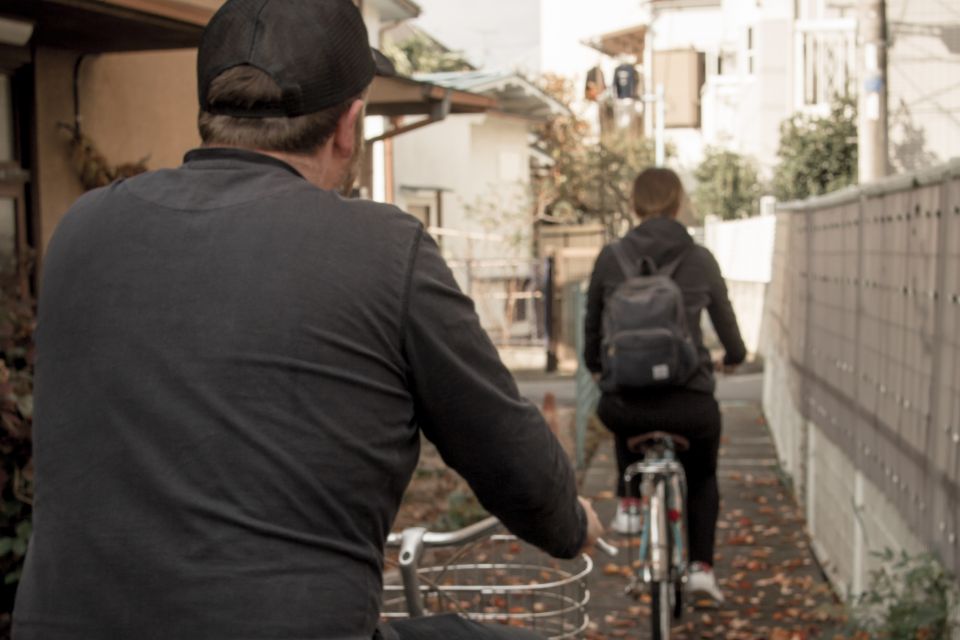
- Mamachari bike style, basket included: a very Tokyo way to move
- Food stops built into the route: lunch plus 2 street-food eats and a bottled drink
- Tokyo bicycle culture in real life: including bike parking systems you’ll actually use
- Andy’s practical local explanations: habits, etiquette, and what you’re seeing on the street
- Fun, low-stress pace for confident cyclists: about 7.5–9.5 miles at a leisurely speed
Tokyo’s West Side Is a Different Planet (In a Good Way)
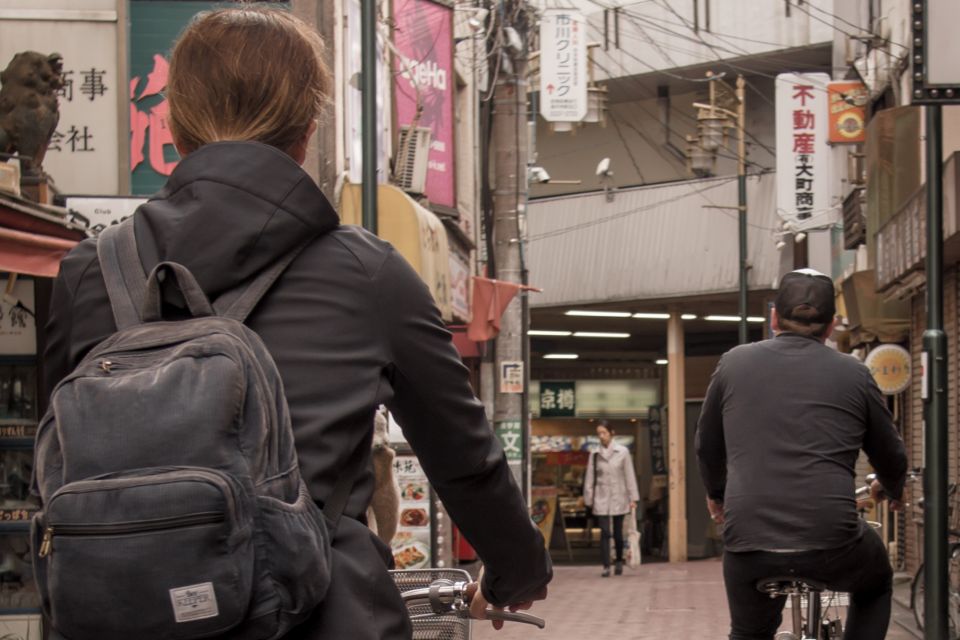
If you already know the big Tokyo highlights, this tour gives you the side that feels more like real life. Koenji, Nakano, and Asagaya have that mix of side streets, local shopping, and street activity that’s hard to fake from a train window.
The big win for me is how the route pulls you away from the more touristic lanes and into neighborhoods where people actually walk, snack, and commute. You get street-level Tokyo—without needing to be a local cyclist or a food expert to understand what you’re seeing.
You can also read our reviews of more food & drink experiences in Tokyo


Mamachari Bikes: What You’re Actually Riding
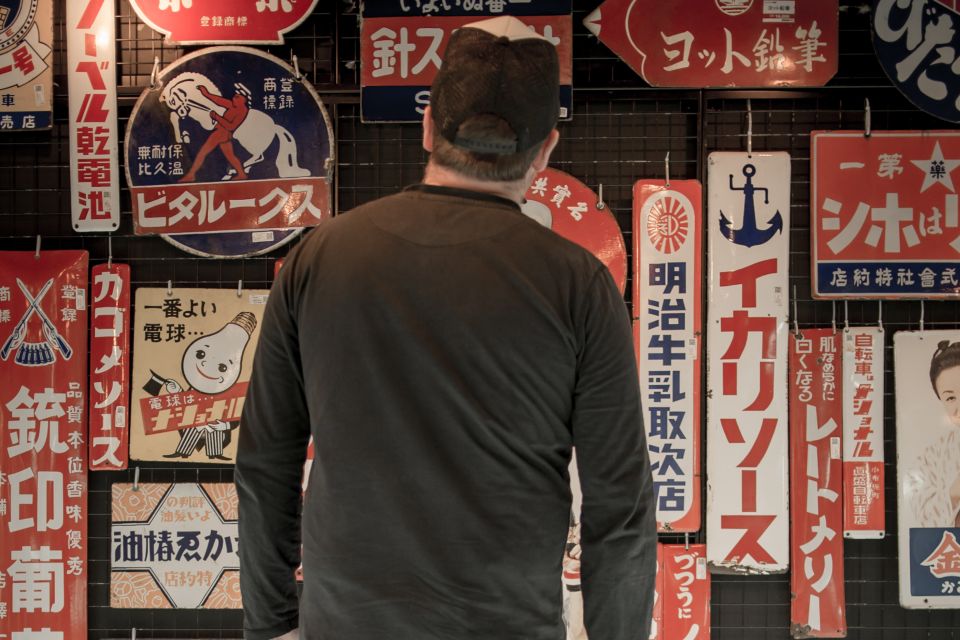
This experience uses salvaged mamachari bikes, which are the standard “mom bicycle” style you see all over Tokyo: practical, upright, and built for daily use. In real terms, that means you’re not on a delicate touring bike. You’re on something that feels like it belongs in a city.
Expect a ride that can be a little creaky or squeaky—but, based on experience reports, the bikes are kept in very rideable condition. A front basket is part of the setup too, which helps you keep your hands free while you handle a phone, a small bag, or a drink.
Practical note: you’re looking at a distance of roughly 7.5–9.5 miles (12–15 km) at a leisurely pace. The tour isn’t about speed. It’s about control and comfort—especially on tighter streets where you’ll share space with foot traffic.
Meeting at Koenji Station and Getting Group Energy Right
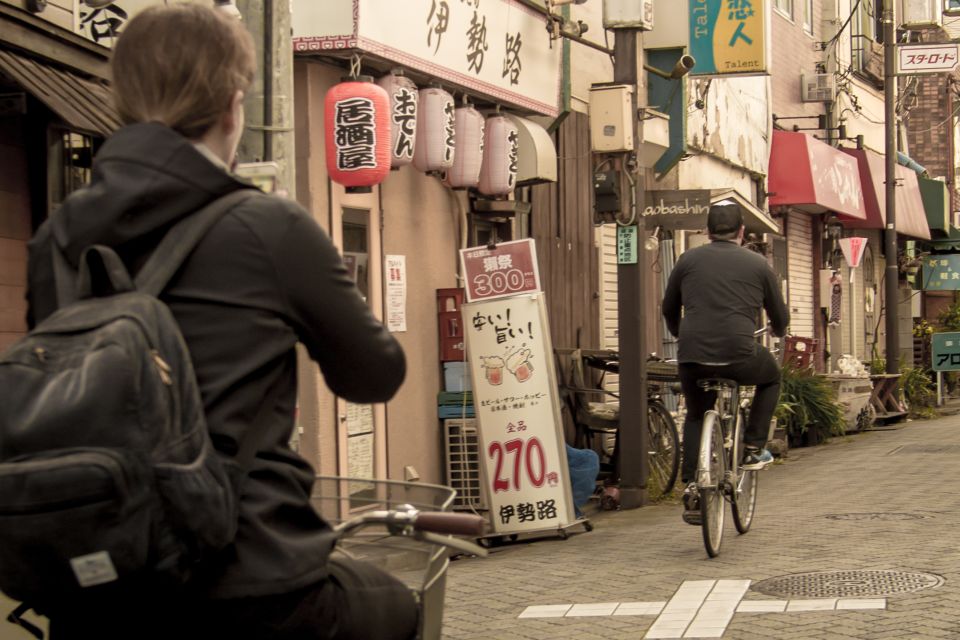
The tour begins at Koenji Station on the JR network. Koenji is about 6 minutes from Shinjuku and around 18 minutes from Shibuya, so it’s not hard to reach even if you’re staying in the city core.
Look for the guide directly outside the ticket gates about 5 minutes before the start time. The guide wears a baseball cap, and you’ll know you’re in the right place fast. Also, the tour departs on time—so show up early enough to get settled and not stress about being late.
This matters more than it sounds. On a bike tour, delays ripple fast. Starting together keeps the pace smooth and makes the group routing work.
Route Logic: How Nakano, Koenji, and Asagaya Work as a Cycle Loop
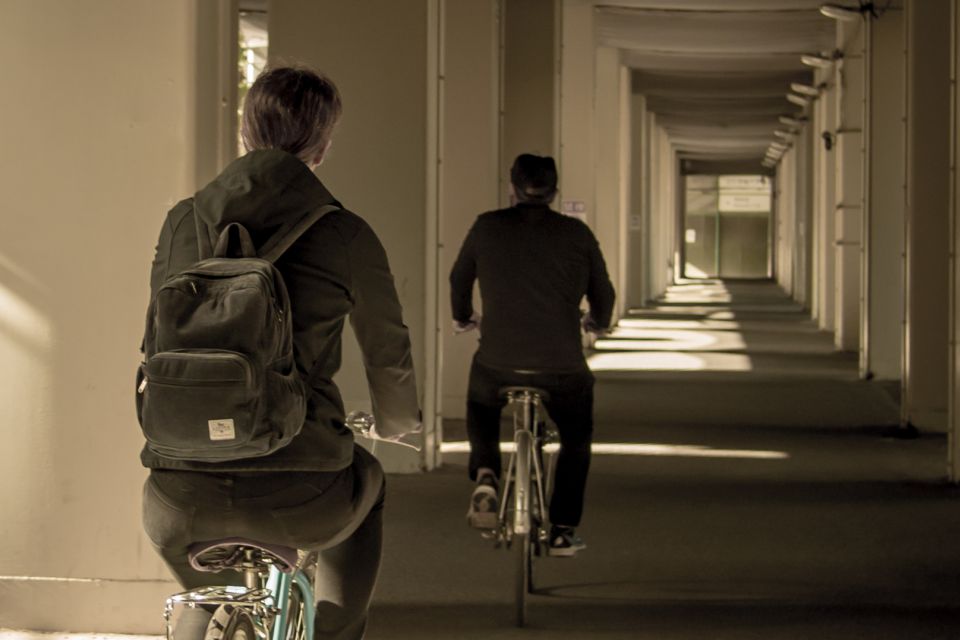
This tour is built around a neighborhood loop in Tokyo’s west side, with time for both riding and short walking portions. The point is not just to visit areas, but to experience how they connect—how people move between shops, eateries, and residential streets.
Nakano brings a more local neighborhood feel and a sense of everyday routine. It’s the kind of area where you can spot the small signals of city life: what’s being stocked, where people stop for a quick bite, and how storefronts operate on a normal day.
Koenji is where the tour’s energy really shows. The streets have that slightly chaotic-but-organized feel you only get away from the main tourist corridors. You’ll also see the practical side of cycling culture here—how bikes fit into daily movement.
Asagaya adds another layer, keeping things from turning into one long repeat. The vibe shifts enough that your ride feels like changing scenes rather than checking boxes.
If you like the idea of getting oriented by bike—learning streets, not just landmarks—this route structure is a strong match.
What the Bike Stops Teach You About Tokyo
A cycling tour is only as good as what you learn between the snacks. What makes this one stand out is how the guide reads the city: you’re not just passing by places, you’re getting context for why they look and work the way they do.
You’ll hear explanations about Japanese habits and society, with a focus on the details that shape daily life. That might sound abstract, but it becomes concrete when you’re right there watching how people queue, how businesses run, and how locals move through tight spaces.
You’ll also get to experience Tokyo bicycle culture first-hand. One example: bicycle parking systems and the small rules and patterns around where bikes go and how people manage space. You’re not just told about it—you see it in motion and learn what to look for next time you’re on your own.
You can also read our reviews of more tours and experiences in Tokyo



Lunch Plus Street Food: Simple, Not Complicated
Food is a core part of this tour, but it’s practical food, not a staged tasting menu. You get a simple Japanese lunch plus 2 street food eats and your choice of one bottled drink.
The exact lunch spot isn’t framed as fancy, and that’s good. A basic local lunch is often the most useful thing to try because it tells you what people eat regularly, not only what tourists hunt for. One food stop described by past participants is a smaller noodle bar, which fits the tour’s whole goal: low-key, local, easy to recognize once you return to Japan later.
Along the way, you’ll also sample sweet treats in addition to savory street food. Even when you’re only eating small portions, the sequence matters—it gives you a sense of how snacks and meals flow through the day in these neighborhoods.
Important limitation: this tour does not cater to personal tastes, dietary requirements, or allergies. It’s not suitable for vegans, and it’s not suitable if you have food allergies. If you’re strict about dietary needs, you’ll want to look for a different food-focused tour that explicitly handles that.
Riding Skills Needed: What Feels Comfortable vs What Gets Tough
This isn’t a beginner bike class. It expects you to be competent on a bicycle, including in narrow and crowded streets and on uneven surfaces, for about 12–15 km.
If you’re the type who rides confidently but still gets nervous around tight traffic, you might want to assess your comfort level honestly. The route is manageable at a leisurely pace, but the city doesn’t spread out for you.
Also, there’s a height requirement: you should be over 4’7″ (140 cm) to comfortably ride the bikes. Children under 10 aren’t suitable either, which keeps the group dynamics safer and easier to manage.
Safety and Shared Space: The Real Tokyo Lesson
One underappreciated benefit of a local-guided bike tour is learning how to behave in the flow. You’ll be cycling in places where pedestrians and bikes share space. You’ll learn the rhythms: when to slow, when to pass, and how to keep your movements predictable.
A fun detail from the experience reports is the way you’ll end up refueling around local workers—people who pop into counter-style spots to eat quickly between tasks. There’s even a sense of jostling for space with hungry salarymen during lunch or snack moments. It’s not a chaotic scene. It’s a realistic one, and it helps you understand why these eateries function the way they do.
The tour also includes cycling liability insurance, which adds comfort if something unexpected happens.
Price and Value: Why $110 Can Make Sense
At $110 per person for a 210-minute tour, you’re paying for more than a bike and a guide. Here’s what you’re getting bundled in:
- A local English-speaking guide
- A simple lunch
- Two street food eats
- One bottled drink
- Bicycle parking fees
- Cycling liability insurance
- The bike itself (mamachari style) and the route planning that comes with it
In Tokyo, food and guide time are rarely cheap. When you add in parking fees and the fact that you’re riding neighborhoods that are harder to navigate without local routing knowledge, the total starts to feel reasonable.
Also, this tour is rated extremely well, with a 5/5 score across 37 reviews. That’s a useful signal, especially when multiple people highlight the guide’s explanations and how the route hits the areas they wouldn’t have found on their own.
Who This Tour Is Best For (And Who Should Skip)
This tour is best for you if you want:
- A local-feeling Tokyo experience in the west side neighborhoods
- To ride a bike in a Tokyo way, not a generic city-cycle route
- A food component that’s small-portioned and easy to follow
- Clear guidance from someone who can explain what you’re seeing while you’re moving
It’s not a fit if:
- You’re vegan or need allergy-aware meals
- You’re not comfortable cycling for 12–15 km
- You’re traveling with kids under 10 or anyone under 140 cm tall
If you’re traveling solo, a couple, or a small group, the format also tends to feel flexible. Past participants described a confident, guided experience that made navigating easier, even for people who weren’t regular cyclists.
Final Call: Should You Book This West Tokyo Cycling and Food Tour?
Book it if you want Tokyo that feels lived-in—Koenji’s side streets, Nakano’s everyday energy, and Asagaya’s neighborhood texture—plus real snacks and lunch. I especially think it’s worth it if you like learning how places work, not only what places look like.
Skip it if you need strict dietary handling, or if you’re uneasy riding through tight streets and over uneven ground. Also, if you’re hoping for a purely relaxed walk-heavy day, this one is built around cycling first.
For the right traveler, this is a strong value way to get your bearings fast on Tokyo’s west side—and to leave with an understanding of the city that doesn’t fade after the next photo.
FAQ
Where does the tour start?
The meeting point is Koenji Station on the JR Train Network. The guide is waiting directly outside the ticket gates about 5 minutes before the start.
How long is the tour?
The duration is 210 minutes (about 3.5 hours).
How much does it cost?
It costs $110 per person.
What’s included in the price?
You get a simple local lunch, two popular street food eats, one bottled drink, bicycle parking fees, cycling liability insurance, and a local English-speaking guide.
What kind of bicycle do you ride?
You ride a salvaged mamachari bicycle.
Is the tour suitable for vegans or people with food allergies?
No. It’s not suitable for vegans and it’s also not suitable for people with food allergies.
Do I need to be an experienced cyclist?
You should be competent riding a bicycle. The route includes occasionally narrow and crowded streets and uneven surfaces, for roughly 12–15 km at a leisurely pace.
Is there a height requirement?
Yes. You should be over 4’7″ (140 cm) to comfortably ride the bikes.
What should I expect regarding weather?
It’s an outdoor activity and weather can affect it. In rain, the tour generally proceeds as planned, so you should anticipate getting wet.
What’s the cancellation policy?
You can cancel up to 24 hours in advance for a full refund.
Does the guide speak English?
Yes. The tour has a live English-speaking guide.