REVIEW · TOKYO
Tokyo Vegan Food Tour
Book on GetYourGuide →Operated by Tokyo Ramen Tours · Bookable on GetYourGuide
Shibuya goes vegan fast. This 3-hour Tokyo Vegan Food Tour is a smart way to taste classic Japanese comfort foods in plant-based form, with ramen choices and crunchy fried bites, while also learning how vegan eating is handled in Japan. I love the mix of savory and sweet dishes, and I especially like how the guide shares practical advice for ordering when you’re on your own. One catch to plan for: bring cash, since the group may hop on the train.
You’ll start at Shibu Hachi Box (across from the Hachiko statue, outside Shibuya Station) and end in Ebisu, keeping the walk-and-snack pace manageable. With a small group limited to 6 and an English-speaking guide, it’s easy to ask questions about preferences and restrictions as you go, plus you’ll get 5 types of vegan food and 1 beverage included.
In This Review
- Key Things I’d Tell a Friend Before You Go
- Why This Shibuya-to-Ebisu Vegan Food Walk Works
- Meeting at Shibu Hachi Box: The Fastest Way to Get Oriented
- What You’ll Eat: Five Vegan Japanese Favorites Plus One Beverage
- Hokkaido-Style Ramen Mini Bowls: Choices You Can Actually Control
- Vegan Gyoza: The Dumpling Stop That Teaches You Texture
- Vegan Karaage: Fried Comfort Food With a Japanese Twist
- Fruit Sandwiches and Anko Sandwiches: Sweet Stops That Feel Like Real Japanese Snacks
- The Vegan Japan Lessons: Stories, Ingredients, and a Convenience Store Reality Check
- Price and Value: Is $99 Worth It for 3 Hours of Vegan Food?
- Who Should Book This Tour (and Who Might Want a Different Option)
- Should You Book the Tokyo Vegan Food Tour?
- FAQ
- How long is the Tokyo Vegan Food Tour?
- Where does the tour start?
- Where does the tour end?
- What is the price of the tour?
- What food is included?
- What dishes will I try?
- Is the tour suitable for vegetarians or vegans?
- Is there an English-speaking guide?
- How big is the group?
- Do I need cash?
- FAQ (quick booking questions)
- Is free cancellation available?
- Can I reserve now and pay later?
Key Things I’d Tell a Friend Before You Go
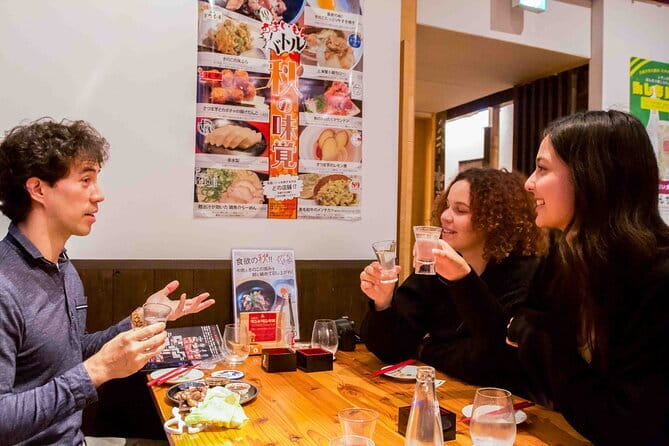
- Five planned tastings, all vegan: ramen, gyoza, karaage-style bites, and two types of sweet sandwiches.
- Hokkaido-style ramen with choice: spicy miso, miso, shoyu, and shio options so you can steer your own bowl.
- Crunchy savory stop: vegan gyoza plus vegan karaage for that fried, snacky satisfaction.
- Sweet that’s actually Japanese: fruit sandwiches and butter plus anko (sweet bean paste) sandwiches.
- A convenience store quick stop: useful for learning how to spot vegan options in everyday Tokyo.
- Route ends in Ebisu: plan your next move around the fact that you won’t finish back in Shibuya.
Why This Shibuya-to-Ebisu Vegan Food Walk Works
Tokyo food tours can get either too broad or too vague. This one stays focused on a short, walkable stretch between Shibuya and Ebisu, where you can keep your energy up and your stomach happy. The 3-hour length matters because you get a full “mini meal plan” without burning half a day, which is nice when you’re also trying to see neighborhoods, shopping streets, and transit hubs.
I like that the tour is built around recognizable Japanese staples, but served in vegan form. That means you’re not just eating tofu stand-ins—you’re tasting dishes you can actually connect to what you’ll find in regular Japanese restaurants (even if the vegan version has its own spin). The other big win is the guide-led context: you don’t just get a bite, you get a cultural and practical explanation of what you’re tasting and how to think about plant-based eating in Japan.
If you’re coming in with dietary concerns, the structure also helps. You’re not gambling on random menus. You’ve got a plan, a guide who can steer you, and a group size small enough to ask direct questions without feeling rushed.
You can also read our reviews of more food & drink experiences in Tokyo



Meeting at Shibu Hachi Box: The Fastest Way to Get Oriented
Your guide meets you at Shibu Hachi Box, across from the Hachiko statue, outside Shibuya Station. Look for a Food Tours Tokyo sign. This is a useful meeting point because it’s easy to find once you’re at Shibuya, and it puts you right where the neighborhoods you’re exploring begin to feel “on.”
Starting in Shibuya also sets you up for quick traction. You’ll be in the middle of the action early, then gradually move toward Ebisu. By the time you reach the end point, you’ve basically crossed from one shopping-and-dining zone to another, with snacks and guidance along the way. And because the tour ends in Ebisu, you can often roll into dinner plans there (or head toward your hotel if it’s closer).
The small group limit (6 people) is more than a marketing detail. It usually means your guide can slow down when someone has questions about ingredients or how to order. If you’ve ever felt stuck in a restaurant because you weren’t sure what was safe, you’ll understand why this matters.
What You’ll Eat: Five Vegan Japanese Favorites Plus One Beverage

The food plan is clear: 5 types of Japanese food (savory and sweet), all vegan, plus 1 beverage. That simplicity is a big part of the value. You’re paying for guided sampling and for the effort of someone else handling the ordering, timing, and pacing.
Here’s the lineup you can expect:
- Mini bowls of Hokkaido-style ramen (spicy miso, miso, shoyu, or shio choices)
- Vegan gyoza dumplings
- Vegan karaage (a fried-chicken style snack)
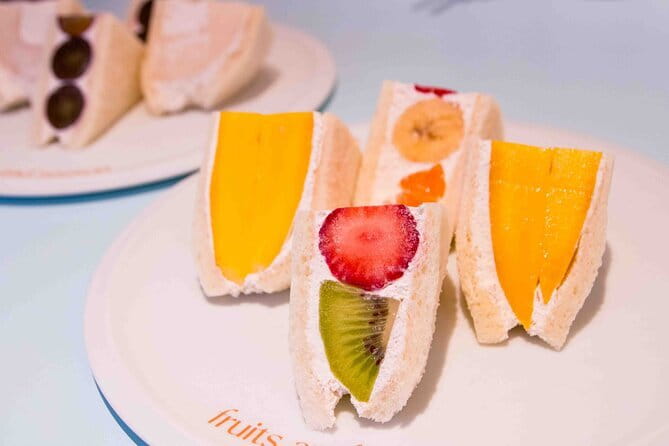
- Fruit sandwiches with fresh seasonal fruit
- Butter and anko sandwiches (anko is sweet bean paste)
There’s also a quick convenience store stop for practical navigation tips. That piece is important because it helps you translate what you learned on the tour into what you can do after the tour ends—especially if you want options that don’t require reservations or long explanations.
Hokkaido-Style Ramen Mini Bowls: Choices You Can Actually Control

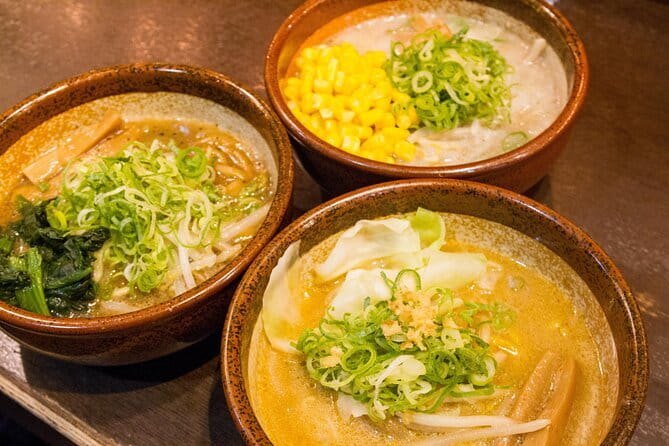
Ramen is a solid anchor dish for this tour because it’s one of the most iconic foods in Japan—and you get it in a smaller, tour-friendly format. The ramen stop uses a Hokkaido-style approach, and you get choice among flavors like spicy miso, miso, shoyu, and shio.
I like that this isn’t a single “one-size-fits-all” bowl. You can pick based on your taste, and you can compare how each flavor direction feels even within vegan cooking. If you’re new to Japanese flavors, this is a gentle way to learn the difference between the usual ramen categories without committing to a huge restaurant bowl.
Practical tip: ramen is filling, so pace yourself. In a 3-hour tour where you’re stacking multiple savory stops, you’ll feel better if you treat ramen as the steady foundation—then you can enjoy the later fried and sweet items without hitting a wall too early.
Vegan Gyoza: The Dumpling Stop That Teaches You Texture
Next up is vegan gyoza dumplings. This is where the tour shifts from liquid comfort (ramen) to bite-sized crunch. Gyoza matters because it’s not just about flavor—it’s about texture: the crispy outside and tender filling, the way soy-based or plant-based versions can still deliver that satisfying chew and snap.
This stop also helps you understand how Japanese street-and-snack foods can be adapted. You’re tasting a familiar format, which makes it easier to look for gyoza-style dumplings later when you’re searching on your own.
If you’re the type who likes to ask questions while eating, this is a good moment. Guides can often explain how dishes are put together and what to watch for ingredient-wise. Even without getting super technical, you’ll come away with a better sense of what makes something feel authentically Japanese.
You can also read our reviews of more tours and experiences in Tokyo



Vegan Karaage: Fried Comfort Food With a Japanese Twist
Then comes the vegan karaage—fried “chicken” style bites. Karaage is one of those foods people remember because it’s loud: crispy coating, warm salt-and-umami flavors, and a handheld convenience that makes you want one more piece.
For value, this stop is big. It’s not a tiny tasting cookie; it’s the kind of food that scratches that comfort-food itch, and it gives you a savory “high point” after the dumplings. It also rounds out the tour so you’re not only eating noodle and dumpling variations.
One realistic consideration: fried foods can make you thirsty later, and the tour includes a beverage, but you might still want water on hand if you’re heat-sensitive. Plan to sip and slow down between stops so you can enjoy the sweets without rushing.
Fruit Sandwiches and Anko Sandwiches: Sweet Stops That Feel Like Real Japanese Snacks

The tour ends on sweet notes that actually match Japanese snack culture. First, you’ll try fruit sandwiches with fresh seasonal fruit. This is a nice palate reset after savory items, and it’s also a great example of how seasonal ingredients play into everyday Japanese food.
Then you’ll get butter and anko sandwiches. Anko (sweet bean paste) is a classic Japanese ingredient, and seeing it in sandwich form is exactly the kind of practical “wow, that works” moment that makes you more confident when you’re reading menus later.
These sweets are also a useful training wheel. If you’ve only thought of vegan food as savory, this tour makes it clear that plant-based eating can cover dessert and comfort snacking too—without requiring you to hunt down specialty places for every craving.
The Vegan Japan Lessons: Stories, Ingredients, and a Convenience Store Reality Check
Food is the headline, but the learning is the payoff. The guide provides cultural stories behind dishes and shares insights into local ingredients and cooking techniques. In plain terms: you’ll learn how to think, not just what to eat.
The tour also includes a quick convenience store stop. That’s a smart move, because convenience stores are a huge part of everyday food in Japan—and they’re also where you can either find easy options or accidentally pick something that doesn’t work for you. With guidance, you’ll get a better sense of how to navigate the selection and make safer choices.
In recent bookings, guides such as Bunga (and one host listed as Brian) have been praised for giving advice that makes people feel confident about vegetarian and vegan eating in Japan. If you’ve got a strict dietary requirement or you just don’t want to guess, this is the part that can save you time and stress after the tour ends.
Price and Value: Is $99 Worth It for 3 Hours of Vegan Food?
At $99 per person for 3 hours, you’re paying for four things at once:
1) The food itself (5 vegan tastings plus a beverage)
2) Coordination and planning across multiple stops
3) A live English-speaking guide who can explain what you’re eating
4) The “how to find options” knowledge, including the convenience store stop
If you were to try the same meals on your own, you’d likely spend time researching places, figuring out ordering, and dealing with uncertainty. Here, that uncertainty is reduced. You also get the benefit of being in a small group of up to 6, which typically makes the tour feel less like a conveyor belt.
A practical note on cost: you’re asked to bring cash because the group may hop on the train. The tour doesn’t frame this as a big financial surprise, but it’s still something to plan for. If you’re budget-minded, keep some cash aside so you’re not scrambling mid-tour.
Who Should Book This Tour (and Who Might Want a Different Option)
This tour is a great match if:
- You want a clear introduction to vegan Japanese food in a short time window
- You’re vegetarian or vegan (or you just want plant-based meals without the stress)
- You want a guide-led approach so you can ask ingredient questions
- You’d rather learn how to navigate Tokyo’s vegan scene than figure everything out alone
It may be less ideal if you prefer long sit-down meals or if you’re the type who hates moving around. A 3-hour format means you’ll taste a lot, but you won’t linger at any one restaurant. You also finish in Ebisu, so your next plan should account for that end point rather than assuming you’ll return to Shibuya.
Should You Book the Tokyo Vegan Food Tour?
If you want confidence fast, I’d book it—especially early in your trip. Getting ramen, gyoza, karaage-style bites, and sweet sandwiches in a single guided loop gives you a strong mental map of what “Japanese vegan” can look like. Add the convenience store guidance, and you’re not just leaving full; you’re leaving more capable.
I’d hesitate only if you dislike mixed pacing or if the idea of bringing cash for possible train hops creates real friction for you. Otherwise, the $99 price looks reasonable for the amount of food and the time-saving value of having everything planned, ordered, and explained in English.
FAQ
How long is the Tokyo Vegan Food Tour?
It lasts 3 hours.
Where does the tour start?
The guide waits at Shibu Hachi Box, across the Hachiko statue, outside Shibuya Station, with a Food Tours Tokyo sign.
Where does the tour end?
The tour ends in Ebisu.
What is the price of the tour?
The price is $99 per person.
What food is included?
You get 5 types of Japanese food (savory and sweet) plus 1 beverage, and all the food on the tour is vegan.
What dishes will I try?
You’ll sample Hokkaido-style ramen (with choices including spicy miso, miso, shoyu, and shio), vegan gyoza dumplings, vegan karaage, fruit sandwiches, and butter and anko sandwiches.
Is the tour suitable for vegetarians or vegans?
All food on the tour is vegan, so it’s a good fit if you eat vegan, vegetarian, or you want vegan-only options.
Is there an English-speaking guide?
Yes, the tour has a live guide in English.
How big is the group?
The group is small, limited to 6 participants.
Do I need cash?
Please bring cash, because the group may hop on the train.
FAQ (quick booking questions)
Is free cancellation available?
Yes, you can cancel up to 24 hours in advance for a full refund.
Can I reserve now and pay later?
Yes, you can reserve now & pay later, keeping your travel plans flexible.