REVIEW · TOKYO
Turn Antique Kimono into Take-Home Interior Art
Book on Viator →Operated by ikasu · Bookable on Viator
A kimono can feel personal on day one. This hands-on workshop turns that feeling into something you can hang at home. You’ll choose from more than 200 antique kimono and follow the idea of ichigo ichie—making the most of a moment that will never happen the same way twice.
I really like the combo of art-making and meaning. You don’t just pick pretty colors; you learn the pattern background and the seasonal symbolism behind it, then you translate that story into your own interior design piece. One thing to think about: it’s a focused, practical session with a fixed timeframe, so you’ll want to be ready to make decisions quickly once you’re in the studio.
The setting is friendly and small. You meet at Atelier + Gallery QUADROJapan in Shimomeguro, and the group size is capped at 5, so guidance from Lena-san feels personal rather than rushed. If you’re hoping for a long wander through a kimono museum, this isn’t that—it’s a make-it-and-leave-with-it experience.
In This Review
- Key Things You’ll Notice Right Away
- Arriving at Atelier + Gallery QUADROJapan in Shimomeguro
- Your Big Choice: Picking a Kimono That Feels Like Your Moment
- Understanding Motifs and the Meaning Behind Japanese Seasons
- Building Your Interior Art: Frame Style, Panel, and Traditional Backing
- Turning the Creative Process Into a Memory You Can Display
- Price and Value for 90 Minutes of Real Making
- Who This Class Is Best For (And Who Might Skip It)
- A Simple Plan for Getting the Most Out of Your Workshop
- Should You Book This Kimono-to-Interior-Art Workshop?
- FAQ
- How long is the kimono interior art experience?
- What do I create during the workshop?
- Where do I meet for the experience?
- Is transportation to the workshop included?
- How many people are in the group?
- Is there free cancellation?
Key Things You’ll Notice Right Away
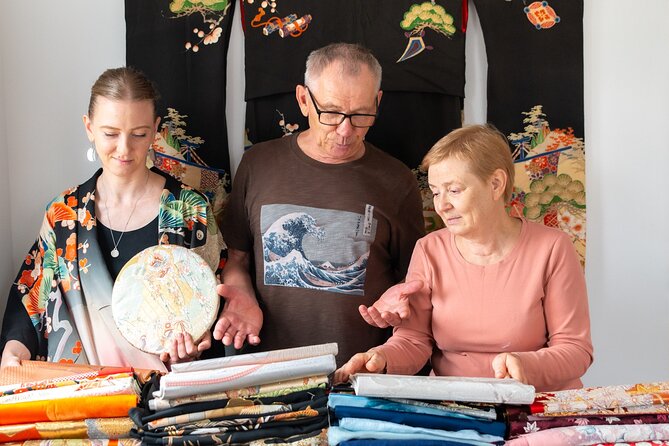
- Choose from 200+ antique kimonos: Your selection drives everything, from palette to final look
- Pattern symbolism and seasons: You’ll connect motifs to Japanese seasonal meaning before you start crafting
- Two canvas styles: You pick a frame style (rectangle or round canvas) after choosing the kimono pattern
- Hands-on assembly with guidance: Traditional backing techniques are used, with step-by-step tips from Lena-san
- Take-home interior art: Your finished piece becomes a lasting souvenir you can display at home or in an office
Arriving at Atelier + Gallery QUADROJapan in Shimomeguro
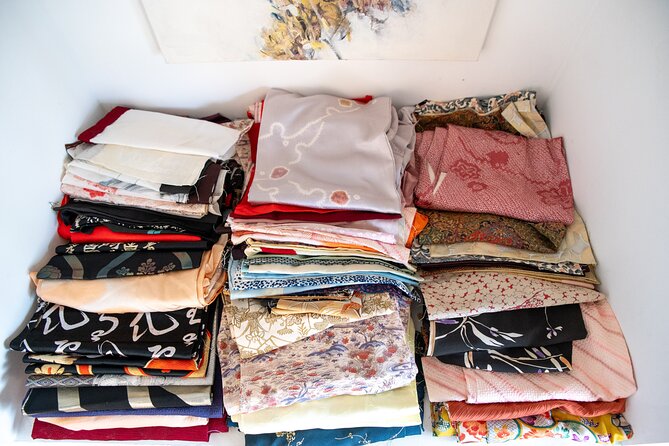
The experience starts at Atelier + Gallery QUADROJapan, 1F at 6-chōme Shimomeguro in Meguro City, Tokyo. This is a practical neighborhood base for people who like design, craft, and galleries. It also helps that public transportation is nearby, so you won’t need a complicated plan just to reach the studio.
The session runs about 90 minutes, which shapes the whole flow. You’ll have enough time to make real progress, but not so much time that the class drifts into a casual chat. Expect a workshop feel rather than a lecture marathon.
Small group size is part of why the class works. With a maximum of 5 people, you’re not competing for attention when you’re deciding colors or assembling your piece. And when questions come up, you can actually ask them and get an answer in the moment.
You can also read our reviews of more tours and experiences in Tokyo.



Your Big Choice: Picking a Kimono That Feels Like Your Moment
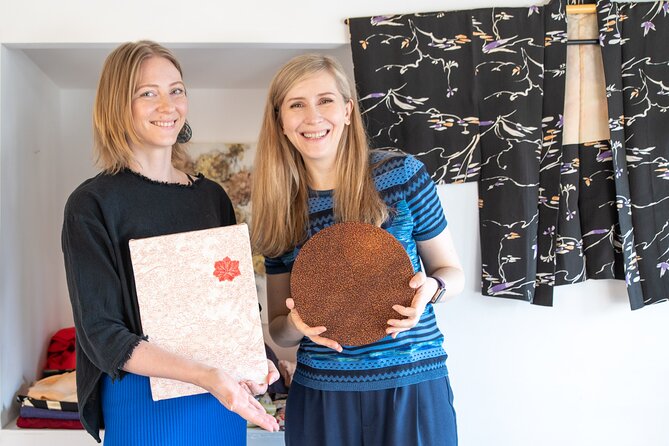
Here’s the heart of the workshop: you select your favorite from a lineup of 200+ antique kimonos. This part matters more than you might expect. Your choice isn’t just a design preference—it becomes the main “voice” of your finished interior piece.
The way it’s set up is also smart. You start by choosing the kimono pattern, then you move on to the format of your artwork. That two-step decision process keeps you from getting stuck juggling too many choices at once.
A subtle benefit: antique fabric has character you can’t copy with modern prints. Even when two patterns look similar at a glance, the placement of motifs and the texture of aged material create differences you’ll feel once you’re close to the fabric. That’s why this experience leans so hard into ichigo ichie—the “encounter” is the selection itself.
Understanding Motifs and the Meaning Behind Japanese Seasons
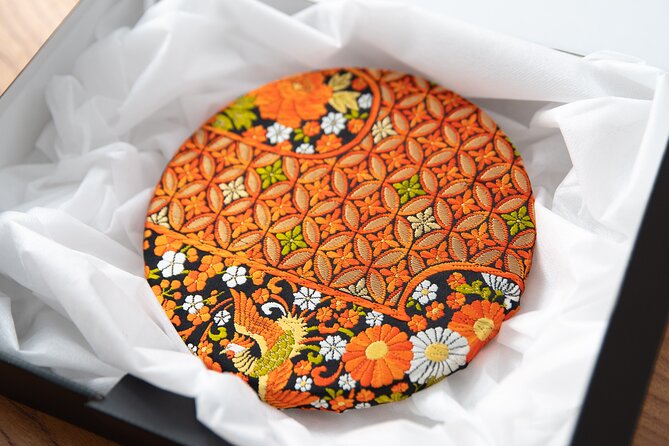
Before you attach anything to your panel, you’ll get context for what you picked. The class explains the historical background and the symbolic meaning tied to the kimono pattern you choose. You’ll also learn about symbolic meaning connected to each season in Japan.
This adds real value because it turns decoration into interpretation. When you understand that a motif can link to time of year, life moments, or traditional symbolism, your finished piece stops being generic wall art. You’ll be able to look at it and explain what you chose and why, even years later.
It also makes the creative decisions easier. Once you know what the pattern is communicating, you can think beyond color matching and toward mood and message. That’s where craft becomes storytelling.
Building Your Interior Art: Frame Style, Panel, and Traditional Backing
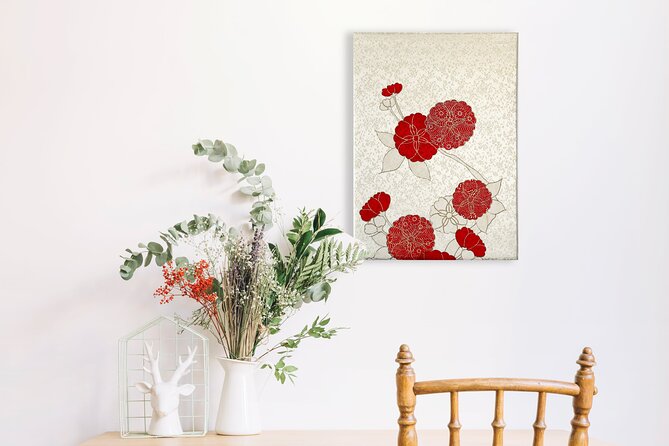
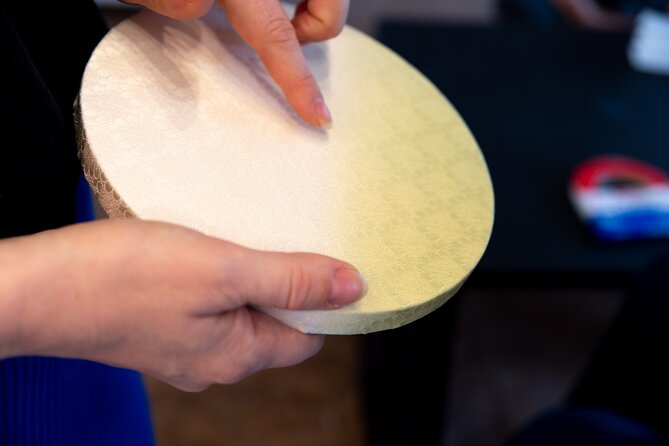
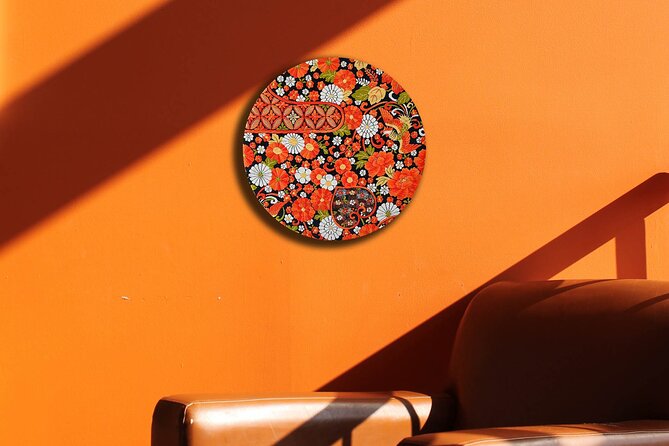
After choosing your kimono pattern, you’ll select a frame style: rectangle or round canvas. That choice changes the whole vibe of the final piece—straight edges feel modern and graphic, while a round format can feel gentler and more decorative.
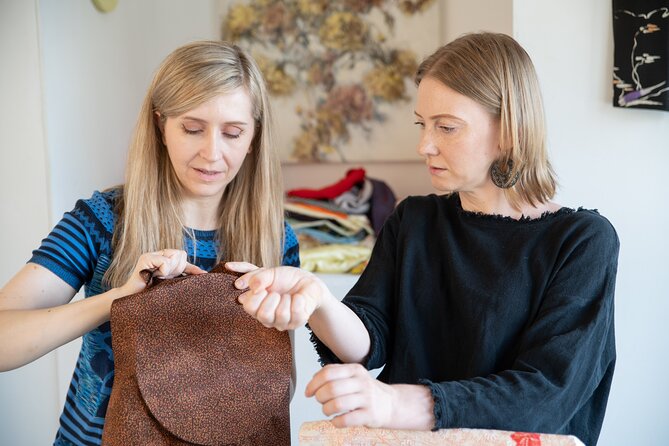
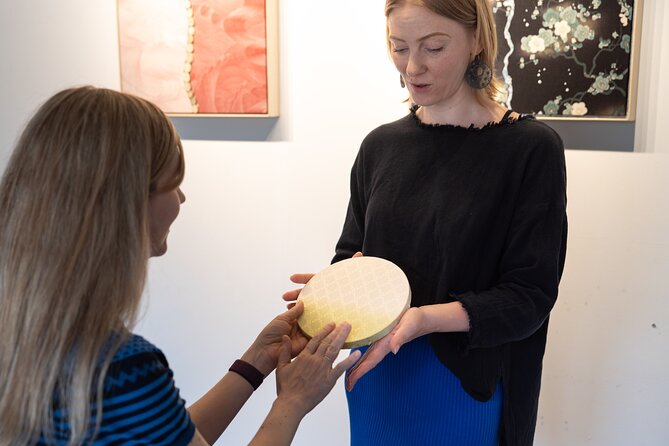
Then comes the hands-on part: using traditional Japanese backing techniques to attach the selected fabric to the panel. You’re not left to guess. Lena-san guides you through each step and offers tips as you go, so you’re building your piece with support rather than only instructions.
This is also where the class earns its “sustainable and creative” label. Instead of the fabric staying locked away, it becomes something you can use and see every day. You’re essentially preserving beauty through transformation, while making a personal souvenir rather than buying something mass-produced.
What I’d watch for as you work: patience with alignment and careful handling. Fabric and panels need gentle, steady movement. If you rush, it’s easier to end up with a finish that doesn’t look as clean as you hoped. The good news is the guidance is there if you slow down and ask.
Turning the Creative Process Into a Memory You Can Display
When you finish, you take your artwork home. That matters because it shifts this from a “did something fun” memory into a living one. You’ll have a piece you can hang in your home or office, and it will keep reminding you of the moment you chose your kimono.
The group experience helps this land emotionally, too. Because the class is small and Lena-san’s approach is warm and patient, you get the feeling that your choice matters. The tone is supportive, and the craft feels like yours—not like a generic souvenir factory.
Also, think about how you’ll use it. A kimono-inspired interior piece can look great in a living room, hallway, or even a work area where you want something calming and personal. Since it’s meant as interior art, you’re not just taking home fabric—you’re taking home a finished design object.
And yes, this kind of souvenir has staying power. It’s much more interesting than another postcard or fridge magnet because it has texture, pattern, and meaning you can revisit whenever you want.






Price and Value for 90 Minutes of Real Making
At $97.73 per person, this isn’t a bargain craft class where you only do a quick activity and move on. But it also isn’t priced like a high-end private tailoring session. The value sits in the materials and the thinking you do while making it.
You get: access to antique kimono (over 200 options), the tools and materials needed, and your finished product. The included labor isn’t just “stand there and watch”—Lena-san guides you through selection, symbolism, and the hands-on backing process. In other words, you’re paying for both the creative materials and instruction that makes your final piece look intentional.
Where the price won’t work for everyone is simple: if you’re not into hands-on crafting, you may feel like you could spend that time more passively elsewhere in Tokyo. But if you like making something tangible—and especially if you enjoy design, fabric, and Japanese symbolism—this is a strong use of time.
One more note: transport to and from the workshop isn’t included. That doesn’t change the experience itself, but it can affect the overall cost depending on where you’re staying.
Who This Class Is Best For (And Who Might Skip It)
This is a good match if you want an authentic Tokyo activity that’s personal and visual. You’ll likely enjoy it most if you like crafts, care about symbolism, and want a souvenir you can display, not just store.
It’s also a nice fit for people who want something calmer than the big-ticket sightseeing circuit. The studio setting is described as warm and welcoming, and the atmosphere feels intimate rather than crowded.
You might want to skip or reconsider if you’re traveling with a tight schedule and already know you won’t want to make decisions. The process moves, and you’ll choose colors and patterns quickly once you’re looking at the antique collection. The class works best when you’re ready to commit to your selection.
If you need to know about group style: it’s not a party. It’s a focused workshop with a small group, guided instruction, and time to build.
A Simple Plan for Getting the Most Out of Your Workshop
If you book this, here’s how to get the best result without overthinking it.
First, come ready to choose. Spend a minute scanning the antique kimono options, and don’t be afraid to pick the piece that grabs you emotionally, not the one that seems “most Instagrammable.”
Second, listen closely when pattern meaning comes up. The seasonal symbolism and motif background can help your selection snap into place. Even if you’re not an expert in Japanese design, the class explains what matters.
Finally, go at a steady pace during assembly. The process is hands-on, and careful work shows in the finish. If something feels unclear, ask in the moment rather than waiting.
If you do those three things, you’ll leave with a finished piece that feels like a real encounter—ichigo ichie in craft form.
Should You Book This Kimono-to-Interior-Art Workshop?
I’d book this if you want a take-home souvenir with meaning, not just decoration. The combination of antique kimono selection, pattern symbolism, and guided traditional backing techniques makes it feel like more than a casual craft stop. And with a small group and a warm, patient guide, it’s the kind of activity where you actually feel ownership over the final piece.
Skip it if you’re not interested in hands-on making or if you’re looking for a large sightseeing experience. This workshop is about creating—turning fabric into interior art you’ll live with.
If you’re the type of traveler who likes small, personal Tokyo experiences (especially those tied to Japanese design), this is a very solid use of 90 minutes.
FAQ
How long is the kimono interior art experience?
It takes about 1 hour 30 minutes.
What do I create during the workshop?
You select an antique kimono pattern and turn it into a finished interior art piece (based on either a rectangle or round canvas/frame style).
Where do I meet for the experience?
You meet at Atelier + Gallery QUADROJapan, 1F, Shimomeguro, Meguro City, Tokyo.
Is transportation to the workshop included?
No. Transportation to and from the workshop venue is not included.
How many people are in the group?
The experience has a maximum of 5 travelers.
Is there free cancellation?
Yes. You can cancel for a full refund up to 24 hours before the experience starts.