Tokyo’s fish market energy hits fast. This short Tsukiji walk adds temples and local shrines so you get context, not just seafood. You’ll sample a few market tastes, learn how to act at sacred spots, and finish with a high-up view that helps you connect what you walked to what’s left of Tsukiji.
Two things I like a lot: the small group size (10 people max) keeps the pace human, and the guide helps you handle the practical stuff in Japan, from etiquette to where to eat. I also appreciate that snacks are included, so you’re not doing the math every time you see something tempting.
One possible drawback: lunch is not included (and soda/pop isn’t either). You’ll have a lunch stop, but you should expect to pay extra and keep your schedule hungry.
In This Review
- Key points worth knowing before you go
- Why Tsukiji is more than seafood stalls
- Tsukiji Hongan-ji: temple etiquette in a short, useful stop
- Walking Tsukiji Fish Market: street snacks and real buying areas
- Namiyoke Inari Shrine: local Tsukiji stories you can see on the way
- Caretta Shiodome sky deck: the end view that makes the walk click
- How much you really get for $26.16
- Small-group pace: why 10 people changes the whole experience
- Practical tips for doing this tour smoothly
- Who should book this Tsukiji walking tour
- FAQ
- How long is the Tsukiji Fish Market walking and hidden gems tour?
- What is the price per person?
- What size group is this tour?
- What’s included in the tour price?
- Is lunch included?
- Where does the tour start and end?
- What time does the tour begin?
- What is the cancellation policy?
- Should you book this tour?
Key points worth knowing before you go
- Small group (10 max) means more attention and less waiting around.
- Snacks included: 2 or 3 food samples at Tsukiji.
- Temple + shrine stops teach how locals behave and what the area means.
- Lunch is at your own expense, so budget a little extra.
- Finish at Caretta Shiodome with a sky deck view over the Tsukiji area.
Why Tsukiji is more than seafood stalls
Tsukiji is often described like a single place: a market. But on this walk, it feels more like a neighborhood with layers. You’ll be moving through working spaces, then switching gears to places of worship where people still show up with routines and respect.
That mix matters. If you only visit for food, you can miss the “why.” If you only do sightseeing, you miss the smells, sounds, and pace that make Tokyo’s food culture real. This tour tries to connect both sides in about two hours, so you leave understanding what you just saw.
And because the group stays small, you get to ask practical questions rather than just watch from the side.
You can also read our reviews of more walking tours in Tokyo


Tsukiji Hongan-ji: temple etiquette in a short, useful stop
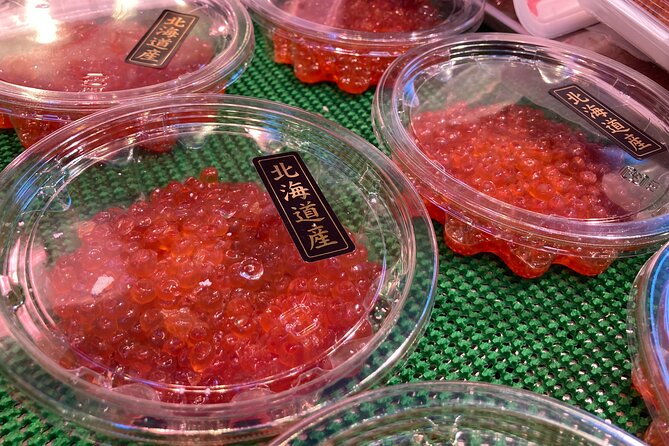
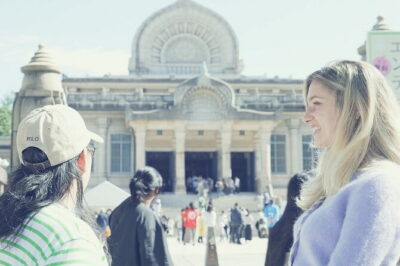
You start at Tsukiji Hongan-ji Temple, with about 20 minutes here and free admission. The focus is not on sightseeing bingo. It’s on how to behave in Japanese temples, the kind of basics that can make you feel confident instead of awkward.
This is where your guide helps you avoid common mistakes. You’ll learn about a traditional ritual that includes offering incense and praying in Johdo Shinshu style. Even if you’re not fluent, you’ll understand what you’re doing and why—so you can participate politely.
What to watch for: keep your voice down, follow the flow of people around the space, and treat this like a working place of worship, not a photo set. It’s a quick stop, but it sets the tone for the rest of the walk.
Walking Tsukiji Fish Market: street snacks and real buying areas
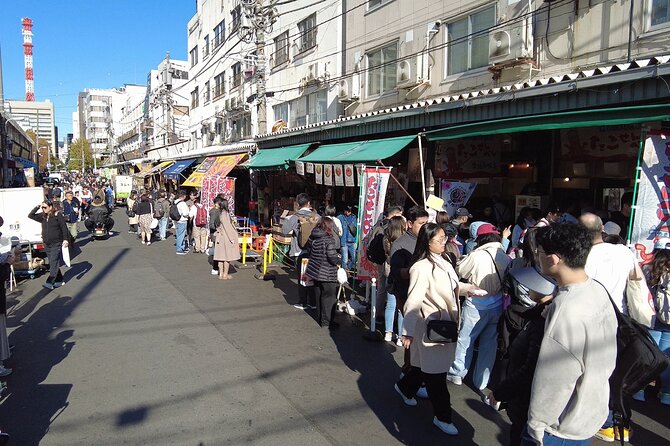
The heart of the tour is your Tsukiji market time, about one hour. You’ll walk and explore through the Tsukiji area, including the “outside market” spaces. That wording matters because you’re not stuck only in one corridor—you’re getting a broader feel for what the market zone looks like when it’s part of daily work.
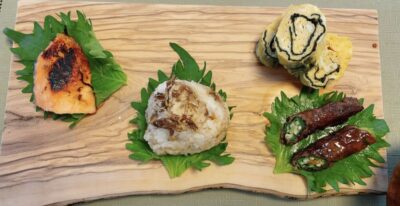
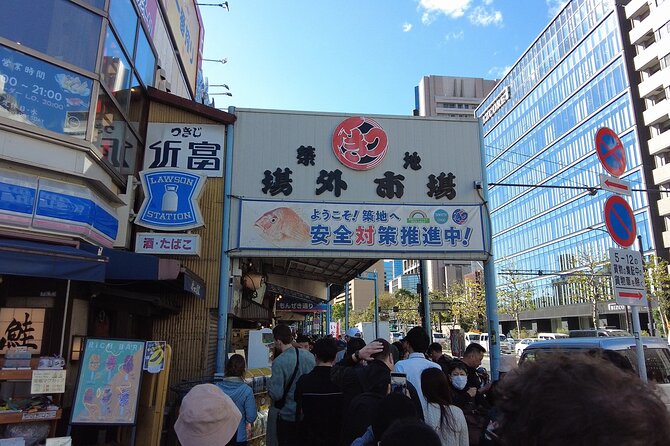
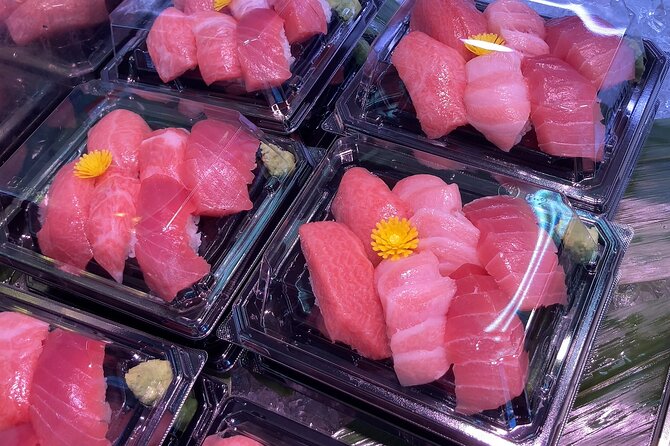
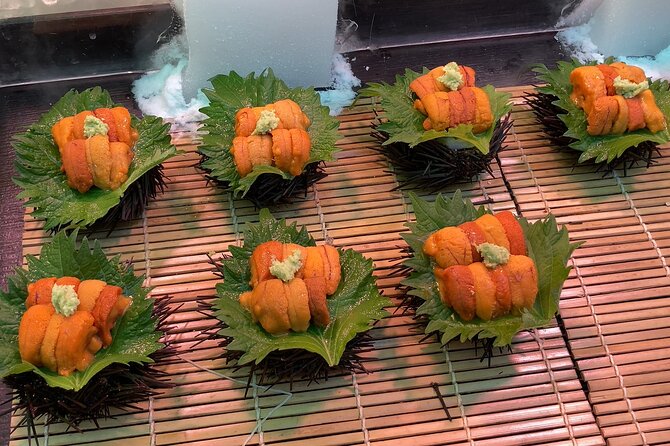
You’ll eat street food at the market. Snacks are included in the booking price, typically 2 or 3 food samples. This is a big value point. In Tokyo, one small street snack can cost more than you expect, and you can easily end up buying three “just to try” items anyway. Here, you’re getting tasting-sized portions that let you compare flavors without blowing your budget.
Your guide also takes you toward a local restaurant inside the market for lunch together. The catch: lunch is not included, so you’re paying for that meal separately. Think of it as a recommendation and a language-handling assist more than a free lunch ticket. If you want soda/pop with your meal, that’s also not included, so plan to choose drinks you actually want rather than assume they’re covered.
One more practical note: since the route is about walking, wear shoes you can trust. Tsukiji is not the place for fancy footwear.
Namiyoke Inari Shrine: local Tsukiji stories you can see on the way
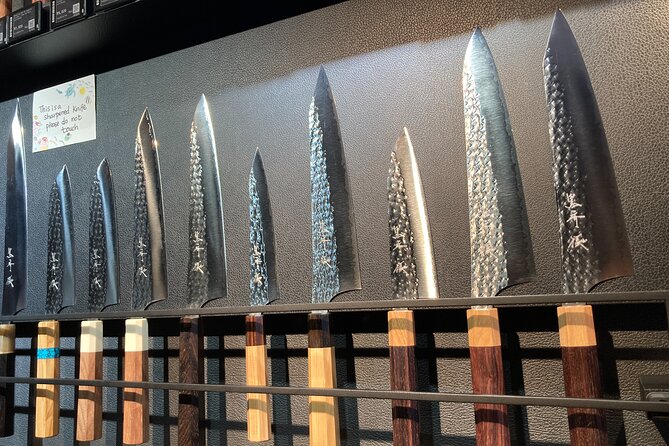
Next stop: Namiyoke Inari Shrine, about 20 minutes and free. This shrine is tied to the local Tsukiji area, and it gives you a different lens on what you’ve been watching.
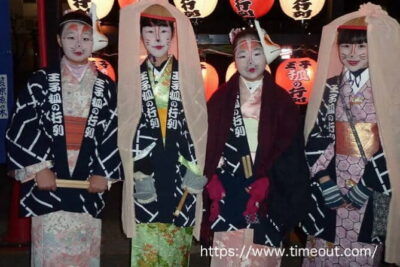
Here’s what makes it more than a quick photo pause: you’ll learn how the area’s history connects to the fish market, and you’ll hear about Shito, which the tour frames as part of the local understanding around this neighborhood.
You’ll also walk through the area around the shrine in a way that puts the market’s presence into context. The tour specifically points you toward the kind of sales shops you’d normally miss unless you knew where to look and when to turn. In other words, you’re not just seeing the market—you’re seeing the route and relationships that surround it.
It’s short, but it helps you answer the question you might have in your head: why does this market zone feel like its own world?
Caretta Shiodome sky deck: the end view that makes the walk click
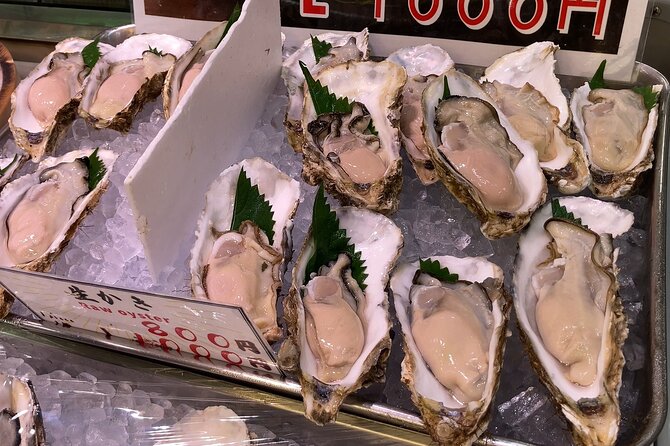
The final stop is Caretta Shiodome, about 20 minutes, also free. The big feature is the sky deck view, where you can look out over the area and see a remnant of the Tsukiji Fish Market from above.
Finishing here is smart. When you’re in street-level chaos—food smells, quick exchanges, crowded lanes—it’s easy to feel like you saw a lot but understood little. From the deck, the route starts to make sense. Buildings and blocks line up. You get a mental map of where things sit relative to each other.
If the weather is clear, take a minute to slow down and actually scan the view. You’re not just taking a picture; you’re building a picture in your head you’ll remember later when you review Tokyo in your photos.
You can also read our reviews of more shopping tours in Tokyo


How much you really get for $26.16
At $26.16 per person for about two hours, this is priced like a focused experience rather than a full-day tour. The value hinges on three included pieces:
- Snacks (2 or 3 samples)
- A local guide who helps with practical navigation and language barriers
- Tour photos included
Those tour photos might not sound like a “core activity,” but they can save time and effort—especially if you’re eating while walking and don’t want to constantly hand your phone to strangers.
The other value lever is time efficiency. You get a temple stop, market tasting walking, a shrine stop, and a sky deck finish without needing to plan each piece yourself. For visitors who don’t want to spend hours researching, that matters.
The only real “extra” cost is lunch at your own expense, plus soda/pop if you choose to add it. So go in with the mindset that the tour covers tasting and guidance, and you budget a bit for a proper meal.
Small-group pace: why 10 people changes the whole experience
This tour caps at 10 travelers, which is unusually helpful in Tokyo. In crowded areas like Tsukiji, a big group can feel like a moving wall. Here, the smaller size helps your guide keep the flow and check in with people as you go.
You also benefit from easier conversation. That’s where the guide’s market experience shines. One name that comes up in people’s feedback is Inok, who’s described as eating-our-way through the market with strong knowledge of where to go for items like tuna, wagyu, and even an ice cream stop.
Even if your tastes differ, the underlying point is the same: you’re not following random food signage. You’re going to places your guide expects to work well and that fit how the market area functions.
And because you finish at a sky deck, the pace doesn’t turn into endless walking without payoff. You get a viewpoint that helps tie everything together.
Practical tips for doing this tour smoothly
A few things that will make your life easier:
- Arrive on time for the 10:00 am start. The guide waits up to 10 minutes after the scheduled start time, until 10:40 am. After that, the tour starts without you.
- Expect moderate walking. You’re moving between four stops, including the market area.
- Build in hunger. Snacks are included, but the tour’s lunch stop is not covered, so plan to pay for what you want.
- Use the mobile ticket on arrival. It’s meant to keep things simple.
Who should book this Tsukiji walking tour
I’d point you toward this tour if you fit one of these buckets:
- You’re a foodie who wants market tasting and also wants cultural context.
- You want a guided route through the Tsukiji area without figuring out temple and shrine etiquette alone.
- You like a short, focused experience that fits into a Tokyo morning.
You might want to look for something else if you’re expecting a fully packaged lunch with drinks included, or if you prefer longer market time with no structure. This tour is designed to be efficient: it hits the essentials and gets you out with a map in your head.
FAQ
How long is the Tsukiji Fish Market walking and hidden gems tour?
It lasts about 2 hours.
What is the price per person?
The price is $26.16 per person.
What size group is this tour?
It has a maximum of 10 travelers.
What’s included in the tour price?
You get a 2-hour tour with a local guide, tour photos, and snacks consisting of 2 or 3 food samples in Tsukiji Fish Market.
Is lunch included?
Lunch is not included. There is a lunch stop where you’ll pay at your own expense.
Where does the tour start and end?
It starts at Tsukiji Hongan-ji Temple in Tsukiji, Chuo City, Tokyo, and ends at Caretta Shiodome in Higashishinbashi, Minato City, Tokyo.
What time does the tour begin?
The start time is 10:00 am.
What is the cancellation policy?
You can cancel for a full refund if you cancel up to 24 hours before the experience’s start time.
Should you book this tour?
Yes, if you want a smart, guided Tsukiji experience that doesn’t treat food like the only attraction. The combination of market snacks, etiquette lessons at Tsukiji Hongan-ji, and a Namiyoke Inari Shrine stop adds meaning to what you’re eating. Add the small-group size and the sky deck finish, and you get a morning that feels both practical and memorable.
Just budget for lunch (and any drinks) since those aren’t included. If that’s fine with you, this is an easy choice for an efficient Tokyo food morning with local guidance.