REVIEW · TOKYO
Cherry blossom & Japanese Sake Tasting in Shinjuku
Book on Viator →Operated by Bancre Inc. · Bookable on Viator
Eight sakes in an hour sounds quick. In Shinjuku, this tasting is paced for real beginners, moving from lighter pours toward more expressive aromas.
I like the clear structure: you start around 15–16% alcohol, then gradually taste sakes with different character. I also like the pairing setup, with traditional snacks and a sweet finale of amazake.
The main thing to consider: the whole experience is about 1 hour, so it’s friendly and fun, but not the place to linger for long conversations.
In This Review
- Key highlights to know before you go
- Shinjuku is the right setting for a sake-first night
- Meeting at a house with flowers: get oriented fast
- How the tasting works: eight pours, from simple to expressive
- The snack pairings are where the learning clicks
- Sweet finish: amazake and why it works as dessert
- Price and value in central Tokyo: what you’re really paying for
- Who this sake tasting is best for (and who should skip it)
- Cherry blossom timing: plan it as an indoor break, not a guarantee
- Should you book Cherry blossom & Japanese Sake Tasting in Shinjuku?
- FAQ
- How long is the Japanese sake tasting experience?
- What’s included in the $39.02 price?
- What isn’t included?
- Is there an age requirement?
- How many people are in the group?
- What happens if it’s canceled due to bad weather?
- Can I get a full refund if I cancel?
Key highlights to know before you go
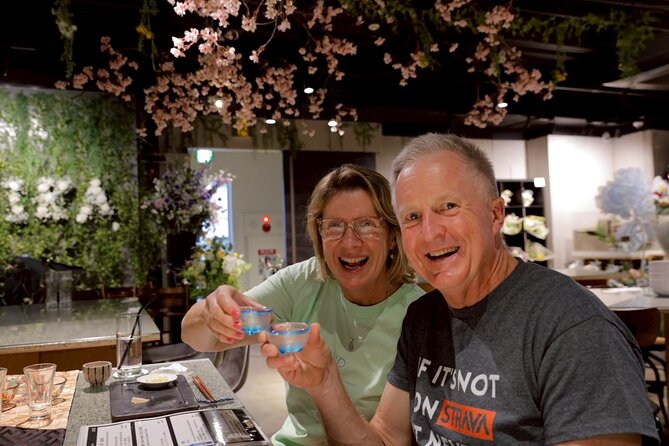
- Eight carefully selected sakes sourced from across Japan
- A beginner-friendly tasting order that starts with simpler, lower-alcohol sakes
- Traditional Japanese snacks designed to show how sake changes with food
- Amazake at the end for a sweet fermented rice finish
- Small group size (max 20) for a more relaxed feel
- Shuma as a host, with music and a good sense of ambiance
Shinjuku is the right setting for a sake-first night
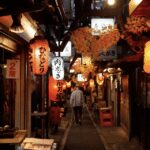
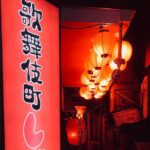
Shinjuku is one of Tokyo’s easiest neighborhoods to build a night around. You can mix this with dinner plans, or use it as your “one indoor win” when the weather isn’t cooperating. Since the meeting point is near public transportation, you won’t burn time figuring out where to start.
Also, Shinjuku has that good blend of casual and high-energy. For a sake experience, that matters. You want an atmosphere where first-time tasters don’t feel like they’re on trial, and this one is set up to keep things relaxed and approachable.
One more practical note: this is a tasting experience, not a full meal. If you’re the type who needs food before you drink anything, plan to eat something beforehand (or be ready for the snack pairings during the session).
You can also read our reviews of more food & drink experiences in Tokyo



Meeting at a house with flowers: get oriented fast
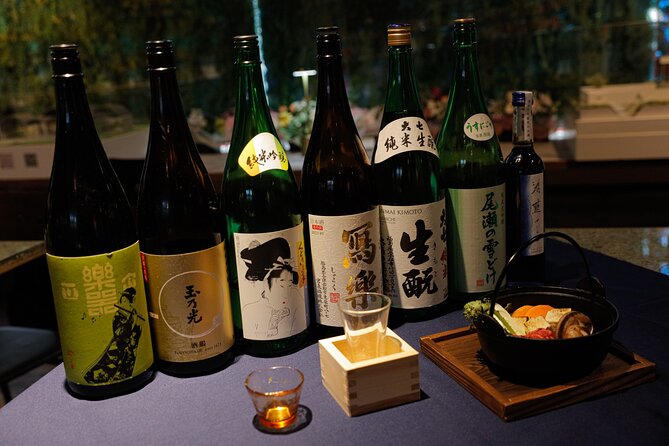
You’ll meet at a specific spot in Shinjuku City, Shinjuku: 3-chōme 67 第6三和ビル 4階, at a house with flowers. The exact address is part of the experience setup, and the tour ends back at the same meeting point, so you’re not left wandering after the tasting.
You’ll also have a mobile ticket, which keeps things simple. This is especially useful in Tokyo, where plans can change and you don’t want to fumble around for paper tickets.
The tour runs about 1 hour (approx.), so treat this like a timed stop in your day. If you show up late, you may miss part of the alcohol-step progression that makes the tasting make sense.
How the tasting works: eight pours, from simple to expressive
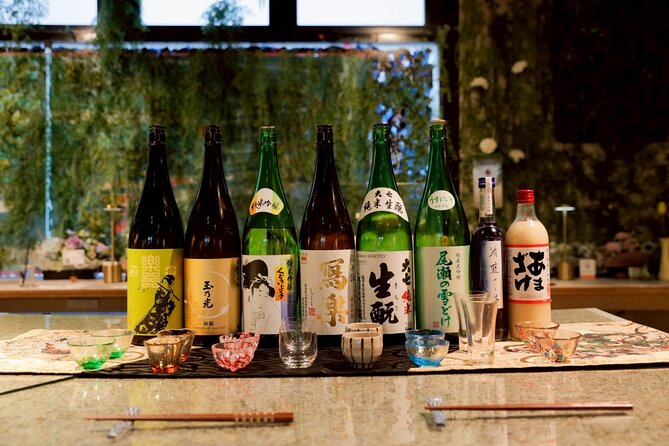
Here’s the structure I really appreciate. You start with sakes that are lower alcohol—typically around 15–16%. Then the tasting moves toward sakes with more distinctive aromas and flavors. It’s a smart pacing strategy because it teaches your palate to notice differences instead of getting hit all at once.
You’ll taste eight carefully selected sakes, all from within Japan. The experience is described as ideal for both newcomers and enthusiasts, and the order is a big reason why. If you’re new to sake, you don’t have to “know terms” to enjoy it. If you already like sake, the progression still helps you spot style differences more clearly.
A detail that matters: sake can be enjoyed at different temperatures depending on the season and the dish. Even though you may not control the temperature yourself, the tasting concept leans into that idea—because the same sake can taste different when it’s served differently. That’s one of the fastest ways to learn why Japanese sake culture pays attention to “serving style,” not just the label.
One small consideration: since the session is short, you won’t have hours to compare tiny notes. What you get instead is a guided “taste-and-learn” loop that works best if you stay present and focus on the order.
The snack pairings are where the learning clicks
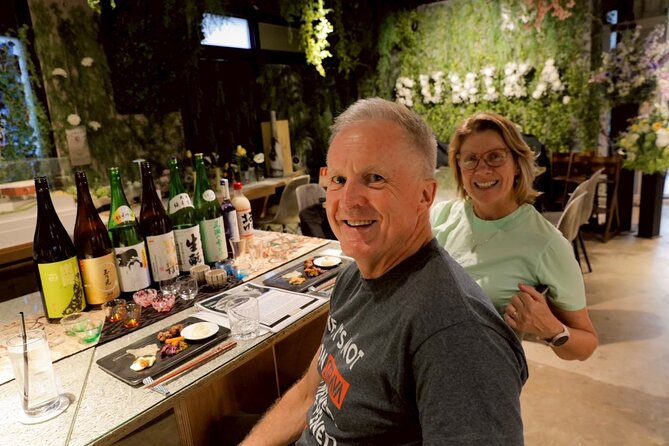
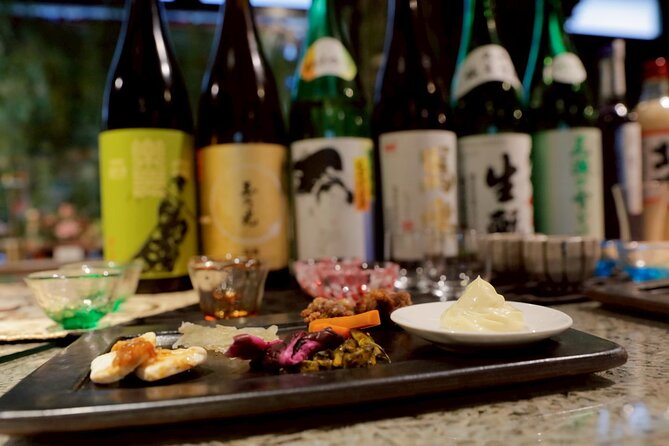
Sake isn’t only about what’s in the bottle. It’s about what’s happening on your tongue at the same time. This experience includes traditional Japanese snacks designed for pairing, so each pour has a point of comparison rather than being random tasting samples.
That pairing component is practical for you because it turns sake education into something you can feel immediately. You’ll likely notice that certain sakes feel crisper with one snack, while another pairing makes the flavor seem rounder or smoother. Even if you’re not a food-and-wine nerd, the snacks help you understand why people in Japan treat sake like a companion to specific dishes.
The host also plays a role here. One review highlights Shuma as a great host with excellent vibes and music, and it also mentions that the food pairing was skillfully done. I take that as a sign the snacks aren’t afterthoughts—they’re part of the tasting plan.
If you have dietary restrictions, the information provided here doesn’t specify snack ingredients. So it’s smart to check before booking if you’re avoiding certain foods.
Sweet finish: amazake and why it works as dessert
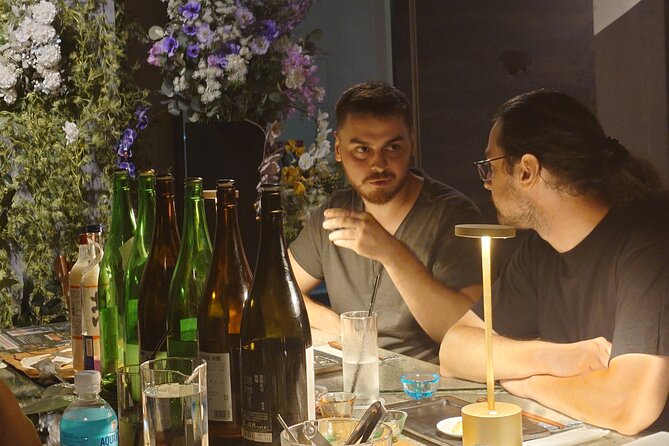
The last step is the one you’ll be talking about on the walk back. Instead of ending with another dry pour, the experience finishes with amazake, a sweet fermented drink made from rice koji. It’s also described as something people in Japan enjoy as a dessert, and the experience frames it as “drinkable IV,” meaning it’s easy, sweet, and satisfying.
Why amazake is a good finale: it resets your palate after the tasting. If you’ve been sampling different sake styles, the sweet fermented finish gives you a clean contrast. It’s also a reminder that sake culture isn’t limited to just one kind of drink.
This is the part where the experience feels complete. You’re not only learning to taste alcohol; you’re also experiencing how rice fermentation shows up in different forms in Japan.
You can also read our reviews of more drinking tours in Tokyo


Price and value in central Tokyo: what you’re really paying for

The price is $39.02 per person. For central Tokyo, that’s fairly reasonable for a structured tasting that includes multiple pours plus snacks, and the price says all fees and taxes are included.
Here’s a quick value check that helps you decide. You’re getting eight sakes and also a dessert-style finish with amazake, plus snack pairings. If we treat it as roughly nine distinct tastings (eight sakes plus amazake), you’re paying about $4–$5 per taste, before you even count the snack pairing. That’s not cheap, but it’s also not just a “sit down and drink” experience. You’re buying the order, the guidance, and the pairing logic.
Two other value signals:
- Group size max 20 usually means you get a more conversational flow than giant crowd tastings.
- Duration about 1 hour means you can slot it into a night without losing your whole evening.
One more planning note: this experience is commonly booked about 36 days in advance, on average. That’s your hint to book early if you’re traveling during a busy season or you prefer specific dates.
Who this sake tasting is best for (and who should skip it)
This is designed for first-timers and enthusiasts. If you’re new, the biggest win is the tasting order starting around 15–16% alcohol. If you already know sake, you may enjoy how the structure nudges you to compare aromas and flavors in sequence, without having to build your own plan.
One important rule: because it involves serving Japanese sake, you must be 20 or older. Underage drinking is prohibited under the Minors’ Alcoholic Beverage Law, and those under 20 aren’t allowed to participate.
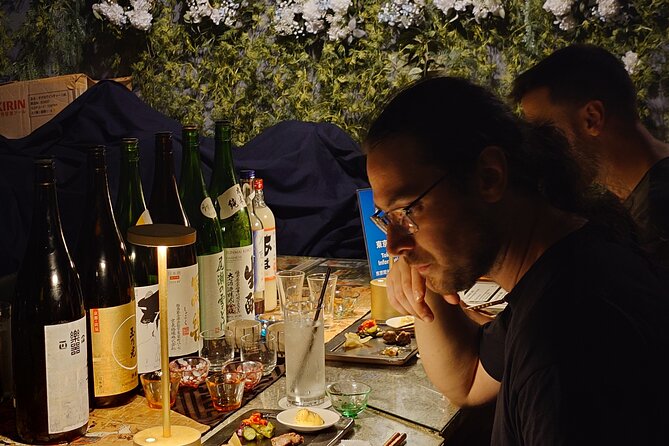
In terms of vibe: the reviews praise ambiance and music and describe the host (Shuma) as bringing excellent vibes. So if you want a lively, friendly introduction to sake rather than a stiff, lecture-heavy class, this fits.
It’s also a good match if you don’t want to spend time researching labels and styles. You’re given a guided experience that teaches you how to taste step by step.
Cherry blossom timing: plan it as an indoor break, not a guarantee
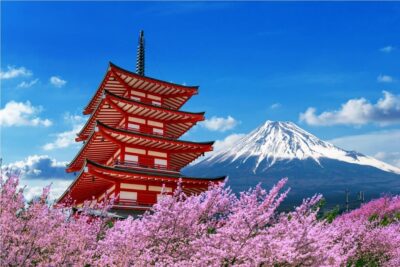
The tour name includes cherry blossom, but the details you’re given here focus on the sake program: eight sakes, snack pairings, and amazake. So if you’re booking specifically to see blossoms, treat this as a great Shinjuku day activity where you can recharge—but don’t assume the experience includes any guaranteed blossom viewing.
If you’re in Tokyo during sakura season, this is still a smart choice because it gives you a scheduled, comfortable plan. Weather can also matter for the experience, since it requires good weather. If conditions aren’t right, the experience may be rescheduled or you may receive a full refund.
Should you book Cherry blossom & Japanese Sake Tasting in Shinjuku?
Book it if you want a low-stress, guided sake introduction that actually teaches your palate. The step-by-step structure (starting around 15–16% alcohol and building toward more expressive sakes) plus the snack pairings and amazake finale make this feel more like a learning experience than a quick drink.
I’d skip it if you’re looking for something long and slow—this is about one hour, and the pace is designed for tasting progression, not extended discussion. Also, double-check the age rule if anyone in your group is under 20.
If you’re in Shinjuku and you want a fun, structured evening stop, this is a solid use of time—and the vibe and hosting (with Shuma) sound like a big part of why people enjoy it.
FAQ
How long is the Japanese sake tasting experience?
It lasts about 1 hour (approx.).
What’s included in the $39.02 price?
The experience includes all fees and taxes, plus eight selected sake tastings, traditional Japanese snacks, and amazake at the end.
What isn’t included?
Transportation expenses to the meeting place and any hotel pick-up/drop-off are not included. Additional meals and drinks are also not included.
Is there an age requirement?
Yes. Since the experience involves serving Japanese sake, participants must be 20 or older. Underage drinking is prohibited under the Minors’ Alcoholic Beverage Law.
How many people are in the group?
The experience has a maximum of 20 travelers.
What happens if it’s canceled due to bad weather?
The experience requires good weather. If it’s canceled due to poor weather, you’ll be offered a different date or a full refund.
Can I get a full refund if I cancel?
Yes. You can cancel up to 24 hours in advance for a full refund. If you cancel less than 24 hours before the experience starts, the amount paid isn’t refunded.