REVIEW · TOKYO
From Tokyo: Mt.Fuji, Lake Kawaguchi, Oshino Hakkai Day Tour
Book on GetYourGuide →Operated by Japan Holiday Travel · Bookable on GetYourGuide
Mt. Fuji in one long day? Yes. This tour is a straightforward Mt. Fuji hit with the 5th Station in warmer months, plus a real-life stop for matcha at Lake Kawaguchiko. I like that the pace is busy but not chaotic, and the route hits the classic photo zones without requiring you to plan every turn. One drawback: weather can change the plan, and there’s walking you’ll need to be comfortable with.
You also get a bilingual guide in English and Mandarin, and that matters when you’re dealing with viewpoints and timing. In past groups, guides like Arpan, Toni, and Diffany have been praised for being caring and clear, with Toni in particular offering extra historical context and even onward travel tips. If you’re expecting a lazy day, this isn’t it—bus time is part of the deal, and lunch isn’t included.
In This Review
- Key Points That Make This Tour Worth Your Time
- Why This Mt. Fuji Day Trip Works from Tokyo
- Meeting Up at Tokyo Mode Gakuen and the Bus Reality
- Mt. Fuji 5th Station in Summer, Oishi Park in Winter
- Lake Kawaguchiko: Matcha Experience That’s Actually Scheduled
- Oshino Hakkai’s Eight Ponds: Quiet Fuji Water, Good Photos
- Hikawa Clock Shop and the Walk to Arakura Fuji Sengen Shrine
- Price and Value: Is $51 a Smart Deal for This Route?
- Timing, Comfort, and What to Bring
- Who This Tour Suits Best (and Who Should Skip It)
- Should You Book This Mt. Fuji Day Tour?
- FAQ
- What time do I need to meet for the Tokyo departure?
- Where exactly is the meeting point?
- How long is the tour?
- Does the tour include lunch?
- Is the 5th Station of Mount Fuji always visited?
- How long is the matcha experience at Lake Kawaguchiko?
- Are attraction entrance fees included?
- What languages does the guide speak?
- What walking should I expect?
- Are pets allowed?
Key Points That Make This Tour Worth Your Time
- Mt. Fuji 5th Station vs. Oishi Park by season so you still get views even when the mountain conditions shift
- A guided matcha moment at Lake Kawaguchiko (about 30 minutes) with snacks, not just a quick photo stop
- Oshino Hakkai’s eight ponds for a calm, photogenic contrast to the mountain viewpoints
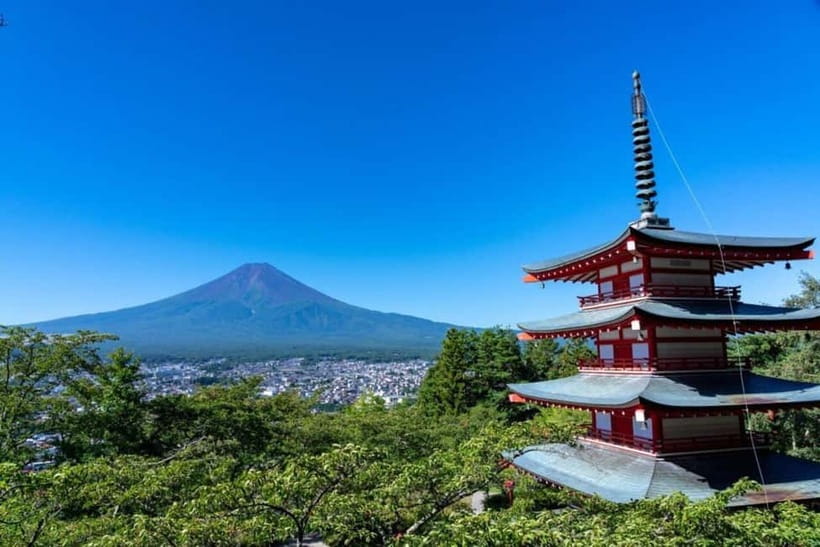
- Arakura Fuji Sengen Shrine viewpoints paired with practical time for the walk uphill
- Bilingual guidance (English + Mandarin) that helps you understand what you’re seeing
- A well-paced day trip structure that balances scenic stops with transit time
Why This Mt. Fuji Day Trip Works from Tokyo
If you’re short on time, this is the kind of itinerary that does the job. You’re not trying to “see Japan” in a single day—you’re going straight for the Mt. Fuji visuals and the spots most people come to Honshu for in the first place.
What I like most is that the day is built around three “types” of scenery. First you get the mountain itself at the 5th Station (or a seasonal substitute). Then you get lake atmosphere and a traditional tea break near Lake Kawaguchiko. Finally, you switch to the Fuji-fed ponds at Oshino Hakkai and end with a shrine viewpoint at Arakura Fuji Sengen Shrine. That mix keeps the day from feeling like one long photo sprint.
The tour also has a practical advantage: it’s guided. Mount Fuji area logistics can be confusing fast—weather, traffic, and switching plans happen. A guide helps you keep your bearings and focus on the moment instead of the map.
You can also read our reviews of more tours and experiences in Tokyo.



Meeting Up at Tokyo Mode Gakuen and the Bus Reality
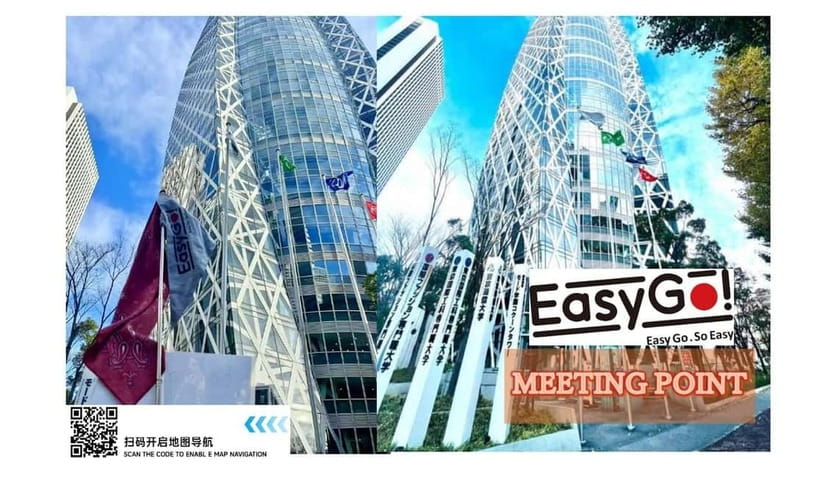
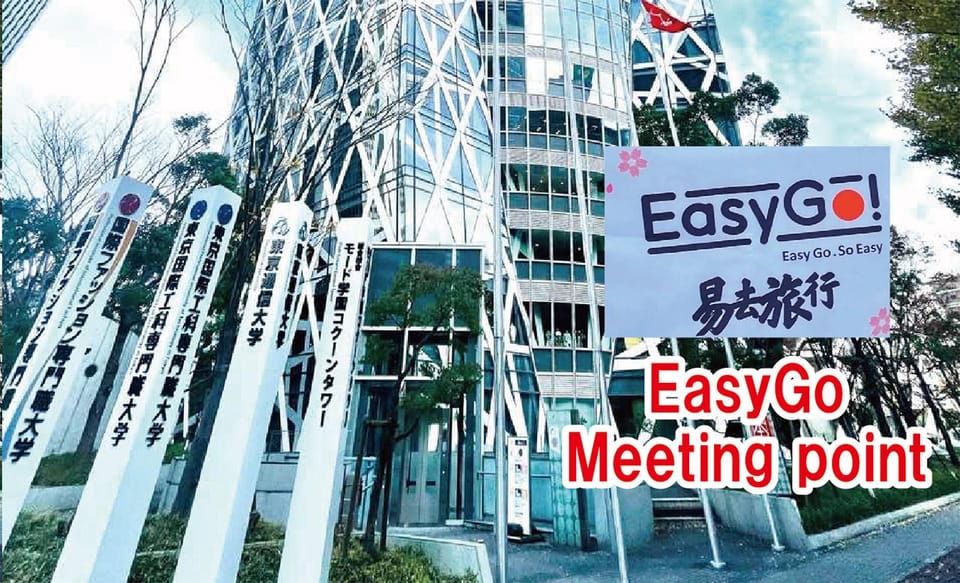
The meeting point is Tokyo Mode Gakuen, where you’ll look for a guide holding an EASYGO flag. Plan for an early start: meet up at 7:50 and depart at 8:10. From there, the big chunk of time is spent on the bus heading toward the Fuji area (about 2.5 hours in the travel portion listed).
Here’s the honest tradeoff. A bus day trip means you’re not “local roaming.” You gain efficiency, but you give up the flexibility to stop whenever you want. If you’re the type who gets impatient on long rides, pack for comfort—water, a layer for cool mornings, and something to pass the time.
The good news: once you’re on the route, transportation is handled, and you don’t have to stitch together trains and buses. For many visitors, that alone makes the price feel fair.
Mt. Fuji 5th Station in Summer, Oishi Park in Winter
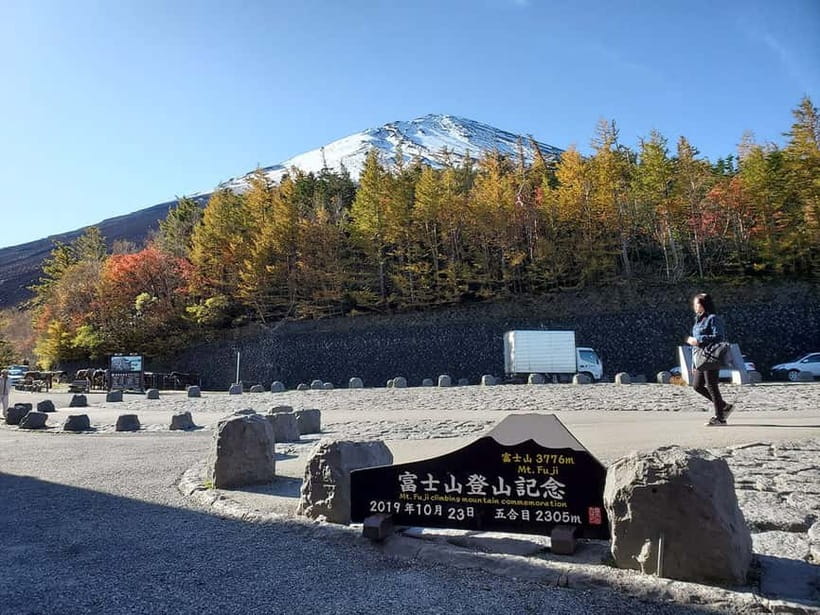
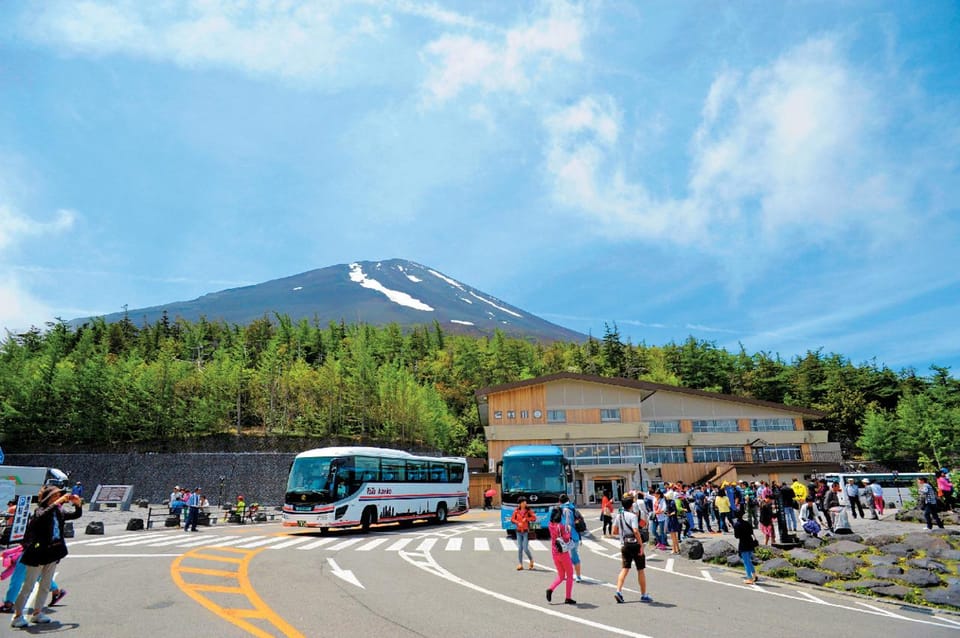
This is the heart of the trip, and the tour is honest about one thing: Mt. Fuji is weather-dependent. In summer and spring, the plan centers on Mt. Fuji 5th Station, with a photo stop plus about 1 hour to visit. In winter seasons (around mid-November to April), the 5th Station visit is replaced with a stop at Oishi Park.
What that means for you:
- If you go when the mountain stop is active, you’re aiming for the classic “Mt. Fuji up close” perspective.
- If the season triggers the replacement, you’ll still get viewpoint scenery at Oishi Park, so you’re not left with a “nothing happened” day.
A small but important note: the 5th Station stop is subject to weather conditions, so your exact plan can adjust day-of. The guide will also adjust the overall itinerary based on traffic and weather, and some attractions might be skipped. If you hate uncertainty, don’t. But if you can roll with it, the flexibility helps you keep the day productive.
Lake Kawaguchiko: Matcha Experience That’s Actually Scheduled
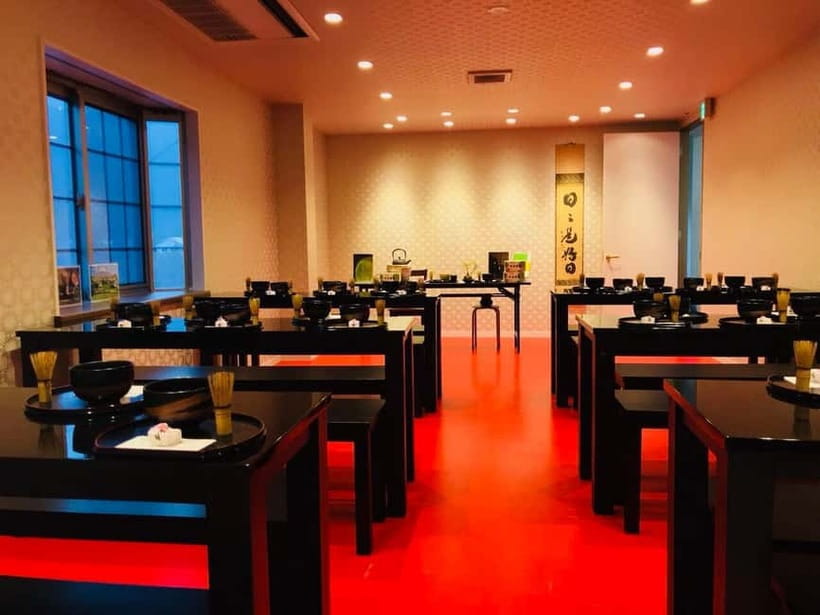
After the Fuji station or Oishi Park segment, the route brings you to Lake Kawaguchiko, where you’ll have a traditional matcha experience. The tea ceremony portion is about 30 minutes.
This is the kind of activity that’s easy to under-appreciate if it’s sold like a quick gimmick—but here it’s clearly scheduled and led by a teacher. You make Japanese matcha in the store, and the session includes Japanese snacks for the group.
One practical tip: treat it like a real sit-down break. Even if you’re eager to keep moving, you’ll enjoy the rest of the day more if you slow down for this part. Lake Kawaguchiko is also a calming contrast after the mountain viewpoints, so it helps the rhythm of the tour.
Also note the language setup. Your guide uses both English and Mandarin Chinese to introduce what you’re doing. If you need a different language, this tour specifically only supports those two.
Oshino Hakkai’s Eight Ponds: Quiet Fuji Water, Good Photos
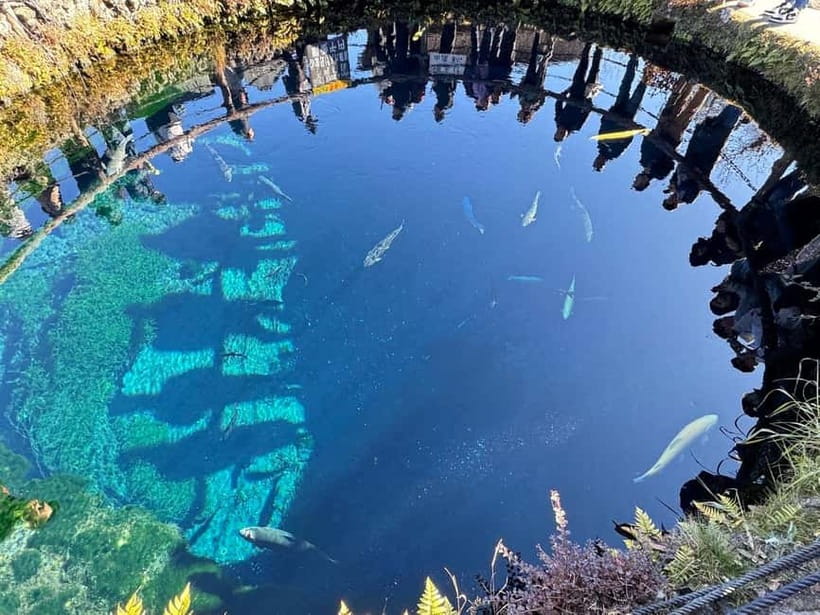
Next up is Oshino Hakkai, a set of eight ponds fed by melted waters from Mount Fuji. If you want a visual palate cleanser—something less dramatic than a shrine viewpoint and less weather-sensitive than a mountain climb—this stop often delivers.
You get about 1 hour here, with a photo stop and sightseeing time. This is also the kind of place where it helps to have a guide. The ponds are beautiful, but the story behind the water source is part of what makes the stop feel meaningful rather than just scenic.
A heads-up on expectations: Oshino Hakkai is not the same vibe as a high-energy city attraction. Plan to walk slowly and look at the water. If you’re the type who likes details (how the ponds are arranged, how the surroundings change with light), you’ll probably enjoy this more than you think.






Hikawa Clock Shop and the Walk to Arakura Fuji Sengen Shrine
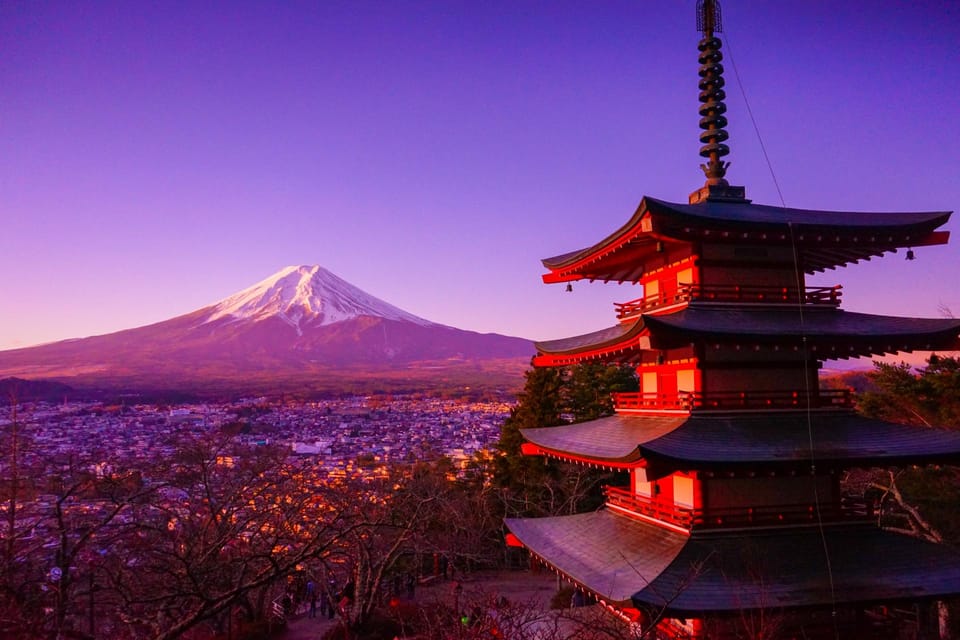
The final “big view” piece is Arakura Fuji Sengen Shrine, which the tour highlights as one of the best spots for Mount Fuji views. Before that, there’s a quick photo/sightseeing stop at the Hikawa Clock Shop (around 10 minutes, with a short walk included in the listed timing).
Then comes the part you should respect: you’ll walk about 25 minutes from the shopping street area up to Arakura Fuji Sengen Shrine. The tour includes a guided tour and sightseeing time there (about 40 minutes in the itinerary listing).
This is where comfort matters. Wear shoes you trust. If your knees hate hills, plan extra time and don’t rush. The upside is that shrine approach routes often reward you. You’re not just arriving—you’re building toward the viewpoint.
Also, remember the day can shift. The guide adjusts for traffic and weather, and they may skip some parts if conditions demand it. If your timing feels tight, focus on the shrine viewpoint block—the one you came for.
Price and Value: Is $51 a Smart Deal for This Route?
At $51 per person for a full day, this is budget-friendly for an Mt. Fuji-focused itinerary. The main value is not just transportation, it’s the structure: coordinated stops that cover the “greatest hits” of the Fuji area with a bilingual guide.
But be realistic about what’s not included:
- Lunch isn’t included
- Entrance fees aren’t included
- Personal expenses are on you
So the real cost is $51 plus whatever you spend for lunch and entry tickets. If you pack lunch or budget for it, the trip can still stay a great deal. If you arrive hungry and start paying for every add-on, the total rises quickly.
Where you get good value is in how much is planned: Mt. Fuji viewpoints, Lake Kawaguchiko matcha time, Oshino Hakkai ponds, and the Arakura shrine area. You’re paying for reduced planning stress and for a guide who can keep the day organized when weather changes.
Timing, Comfort, and What to Bring
This is an early start day and it includes walking. You should mentally prepare for:
- A long bus day (with a couple transit segments through the Fuji area)
- A seasonal switch at Mt. Fuji 5th Station vs Oishi Park
- A meaningful walk of about 25 minutes toward Arakura Fuji Sengen Shrine
- A short tea ceremony break (about 30 minutes) that you should treat as a seated recharge
What to bring:
- Comfortable shoes for hills and stairs
- A layer for mountain air, especially early
- Cash or card for lunch and any entrance fees
- Water and small snacks, since lunch isn’t included
Rules are pretty standard: no smoking, no pets, no alcohol or drugs, no littering, and keep noise down. It’s a group day, so being considerate matters.
One more booking check: the info says wheelchair accessible, but it also lists not suitable for wheelchair users. If mobility is a factor for you, confirm specifics with the operator before you reserve.
Who This Tour Suits Best (and Who Should Skip It)
This tour is a strong match if you want an efficient Mt. Fuji day trip from Tokyo and you like classic sights. It’s also a good pick if you’d rather have a guide handle timing and language than you’d like to figure out transport and stops on your own.
You’ll probably enjoy it if:
- You’re okay with a full day schedule
- You want the photo-worthy zones: Mt. Fuji viewpoints, Oshino Hakkai ponds, Arakura shrine
- You like cultural stops, including the matcha experience
You might skip it if:
- You need a very relaxed pace
- You dislike walking uphill (the shrine walk is real)
- You’re going during a season where the 5th Station may be replaced and you’d be disappointed by that change
Should You Book This Mt. Fuji Day Tour?
I’d book it if your goal is to see the Fuji highlights without building an itinerary from scratch. The route is practical, the stops are well-known for a reason, and the bilingual guiding adds real value when weather and timing start shifting.
I’d think twice if you’re traveling with limited mobility or you need guaranteed access to the 5th Station. Since the mountain stop depends on conditions and can shift to Oishi Park, treat this as a “Fuji area day” rather than a promise to stand at the 5th Station.
If you want a simple decision rule: if you can walk, wake up early, and budget for lunch, this is a solid way to experience Mount Fuji’s most famous surrounding sights in a single day.
FAQ
What time do I need to meet for the Tokyo departure?
You’ll meet at 7:50 and the group departs at 8:10 from the Tokyo Mode Gakuen meeting point.
Where exactly is the meeting point?
Meet at Tokyo Mode Gakuen. Look for the guide holding an EASYGO flag.
How long is the tour?
It’s a 1-day experience.
Does the tour include lunch?
No. Lunch isn’t included.
Is the 5th Station of Mount Fuji always visited?
No. The 5th Station visit depends on weather. During winter seasons (around mid-November to April), it’s replaced by Oishi Park.
How long is the matcha experience at Lake Kawaguchiko?
The matcha/tea ceremony experience is about 30 minutes.
Are attraction entrance fees included?
No. Attraction entrance fees aren’t included.
What languages does the guide speak?
The guide provides commentary in English and Mandarin Chinese only.
What walking should I expect?
You’ll need to walk about 25 minutes from the shopping street to Arakura Fuji Sengen Shrine.
Are pets allowed?
No. Pets are not allowed.