REVIEW · TOKYO
Tokyo Samurai Spirit: Create Sushi & Witness a Samurai Sword Show
Book on Viator →Operated by Jin-asakusa · Bookable on Viator
Tokyo does themed experiences well, and this one is sushi with samurai style. What I like most is the Sengoku-era atmosphere (armor, helmets, swords, bamboo, torch vibes) and the hands-on food time that ends with what you made in front of you. One thing to consider: because it’s a guided class, you’ll follow the session pace more than you would at a normal sushi counter.
You’ll get a small-group feel with a max of 12 people, plus instruction mainly in English with subtitles on a monitor for Japanese, Chinese, and Korean. The location also helps: it’s an easy walk in Asakusa with quick access to Sensoji and even a Sky Tree view from the building area.
In This Review
- Quick highlights
- Step into a Sengoku-themed sushi room near Asakusa Station
- How the sushi class actually feels: small group, guided pace, clear language support
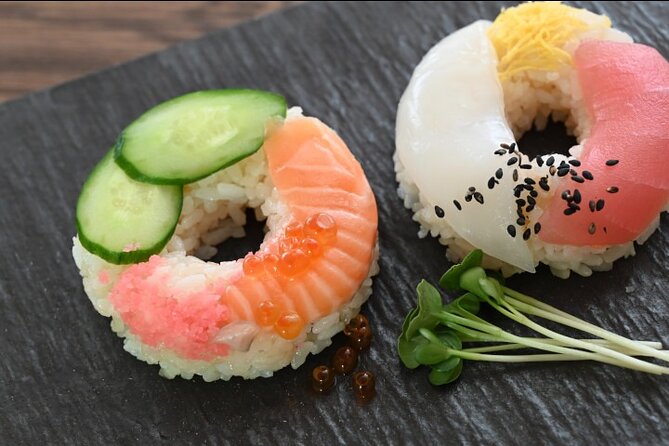
- The star for photos and fun: make your own donut sushi
- Nigiri and futomaki: build a sushi plate, not just a single bite
- Dashimaki tamago performance: watch the chef work close up
- Samurai sword show and the inside visuals you can’t get elsewhere
- Price and value: why $49 feels fair for what you get
- Location in Asakusa: quick walks and a Sky Tree view factor
- Who should book Tokyo Samurai Spirit (and who might not love it)
- FAQ
- FAQ
- What is the duration of Tokyo Samurai Spirit?
- Where does the tour start?
- Does it end at the same meeting point?
- What food do I make during the class?
- What cooking demonstrations or performances are included?
- Is the class in English?
- How big are the groups?
- Are meals included in the price?
- Are alcoholic drinks included?
- Can I get a refund if I cancel?
- Should you book this instead of a regular Asakusa meal?
Quick highlights
- Sengoku-themed restaurant with armor, helmets, swords, and photo-ready decor
- Hands-on sushi making including a donut sushi you can’t really copy elsewhere
- Small group sessions (up to 12) so you’re not stuck watching from the back
- Chef-led instruction and demonstrations while you make your own pieces
- Dashimaki tamago performance right in front of you
- Samurai sword show experience plus sword-and-tradition visuals inside
Step into a Sengoku-themed sushi room near Asakusa Station
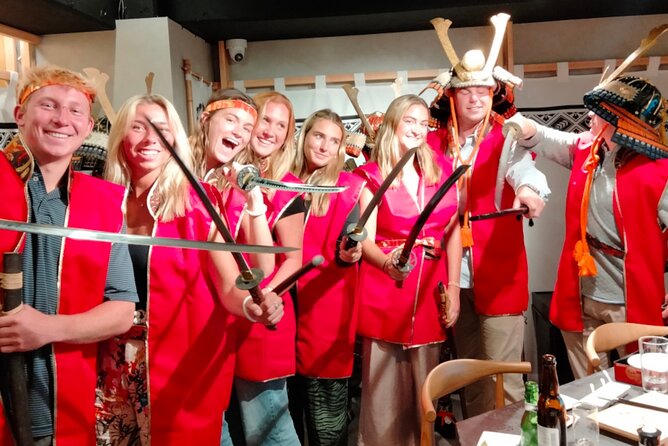
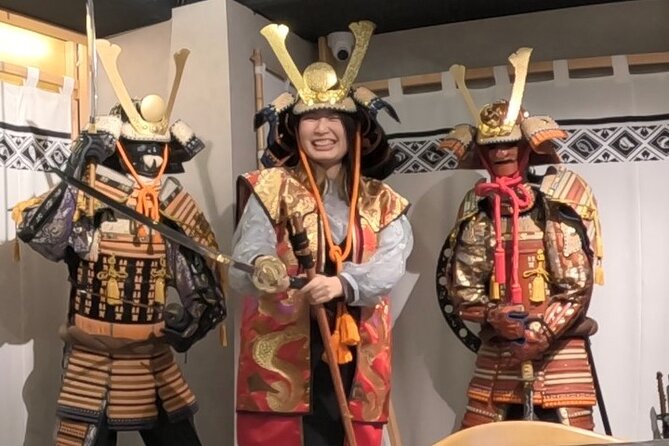
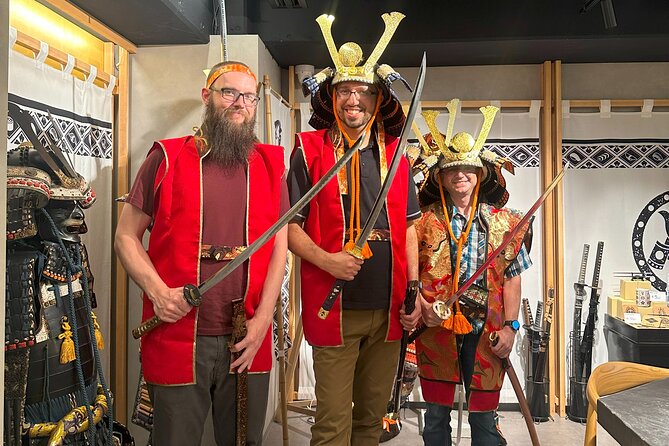
Your experience starts in Asakusa, in a newly built space styled like Japan’s Sengoku period. Expect lots of visual storytelling: armor, helmets, swords, and stage-like details that make the whole place feel like you walked into a themed set. If you like taking photos while you travel (and who doesn’t), this is the kind of venue where the background isn’t an afterthought.
The theme isn’t just for show. It sets the tone for the entire session: you’re learning culture while you’re learning food. And since the building is near major landmarks, you can fit this into almost any Asakusa day plan without scrambling for transit.
One practical note: this is a restaurant-style activity, so you’ll spend most of your time inside the experience space rather than hopping between multiple stops.
You can also read our reviews of more tours and experiences in Tokyo


How the sushi class actually feels: small group, guided pace, clear language support
This is a structured class, not a free-for-all. Sessions run for about 1 hour 20 minutes, with a maximum group size of 12, which matters because it keeps the interaction lively. You’re close enough to the action that you can see what the chef is doing and still have time to work on your own sushi.
Language support is another big factor. The course is conducted mainly in English, but Japanese, Chinese, and Korean subtitles show on monitors. That means you can follow along even if your Japanese is limited, and you won’t feel left out when the explanation speeds up.
The vibe also seems built for interaction. You’ll get chef demonstrations, then hands-on instruction where you’re making pieces yourself. It’s the difference between watching a show and actually participating in it.
The star for photos and fun: make your own donut sushi
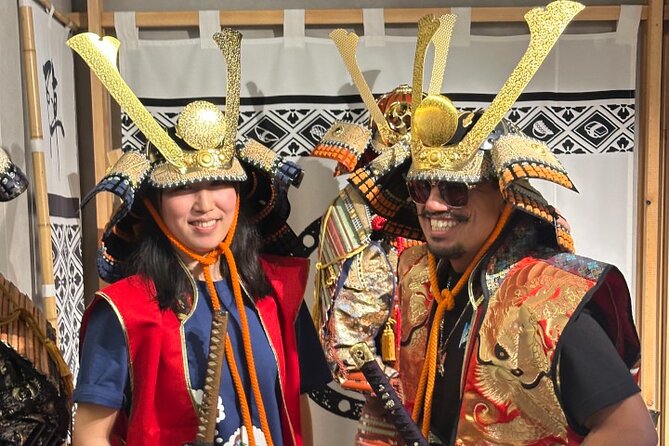
The most playful part is the donut sushi. You don’t just get to eat it; you design and decorate it as part of the class. This is the kind of activity that works for first-timers because the goal is clear: create something cute, colorful, and share-worthy.
You’ll also get to pair it with what you make later. That’s important because donut sushi can feel like a gimmick in other settings. Here, it’s integrated into a full set of sushi items, so your final meal feels like a real tasting you built, not just a single novelty piece.
If you’re traveling with family, this is often the section that keeps everyone engaged. It’s also the easiest part to enjoy even if you’re a little slow with instructions—decorating gives you room to experiment within the guided format.
Nigiri and futomaki: build a sushi plate, not just a single bite
After the donut sushi, the class shifts to the classic sushi menu. You’ll make 5 types of nigiri (5 pieces total) plus a large rolled sushi. There’s also a chef’s large rolled sushi demonstration, which gives you a look at how the pros shape and finish a bigger roll.
This is where the session becomes more than entertainment. Making nigiri teaches you how sushi is assembled as a concept: the balance of rice and topping, the idea of portioning, and the basic rhythm of serving pieces as a set. And with the rolled sushi, you’ll experience how shape and consistency matter—especially if you’re eating it right after.
For value, this part matters because it turns your ticket into an actual meal. You aren’t leaving with snacks; you’re leaving with a plate of sushi that you helped create and can enjoy immediately.
Dashimaki tamago performance: watch the chef work close up
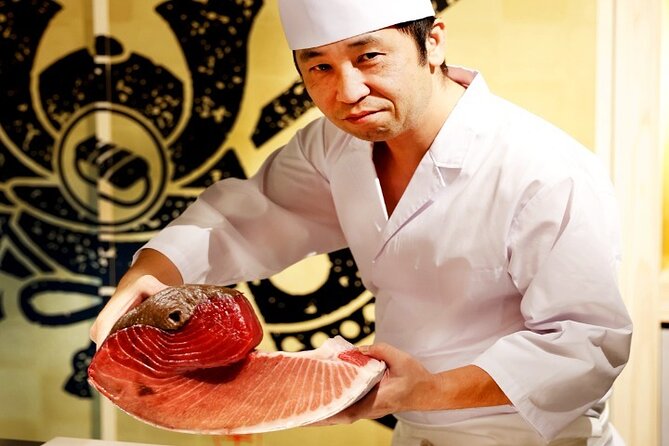
A highlight of the menu programming is the dashimaki tamago performance, served in front of you. This is one of those live cooking moments that changes the feel of the class. You’ll see a cooked item created as part of the overall flow, so you’re not only doing hands-on crafting—you’re also getting the show element of Japanese food culture.
Because it’s right there in the action, you get a better sense of why Japanese dining treats presentation as part of the experience, not just the final plating. And it breaks up the making time so you don’t feel like you’re stuck doing steps the entire session.
If you like performances that are food-first (not just stage tricks), this component is a strong fit.




Samurai sword show and the inside visuals you can’t get elsewhere
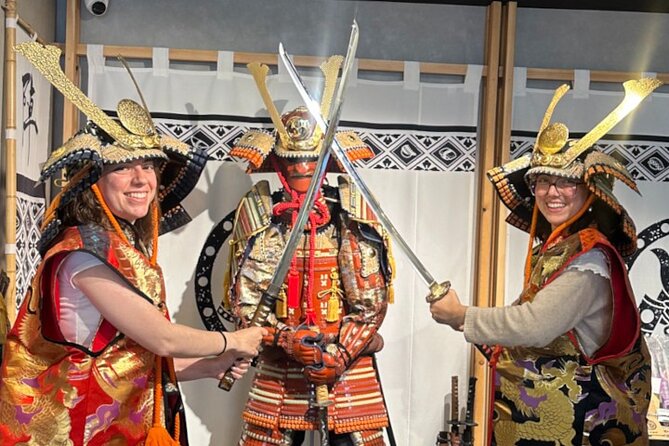
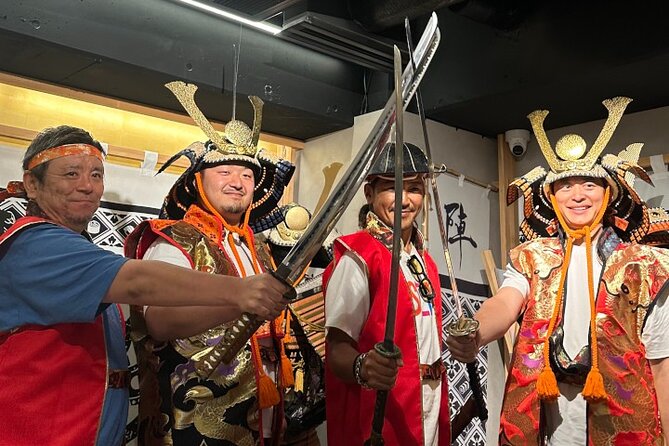
The experience isn’t only about sushi. The setting is built for samurai storytelling, and that includes a samurai sword show as part of the promise of the tour name and concept. Even beyond the show itself, the space is packed with sword and warrior imagery—armor, swords, and themed props—so you’re surrounded by the theme from start to finish.
What I’d watch for: the way the staff ties the performance back to the broader Sengoku vibe. This isn’t presented as a random add-on. It’s part of why the restaurant feels like a show venue as much as a meal space.
Also, since the experience is near Asakusa and Sensoji, you can line this up with sightseeing outside the building. The contrast is fun: centuries-old temple area outside, themed warrior performance space inside.
Price and value: why $49 feels fair for what you get
At $49 per person for about 1 hour 20 minutes, this is not a budget sushi meal, but it also isn’t priced like a private class. What justifies the cost is the combination: you’re paying for (1) a hands-on sushi-making session, (2) multiple sushi items you eat afterward, and (3) entertainment and live performance elements in a themed venue.
Your course includes:
- 5 types of nigiri (5 pieces)
- 1 large rolled sushi
- 1 donut sushi
- A chef’s large rolled sushi demonstration
- Dashimaki tamago performance
- Dessert included (listed as part of Des)
For value math, that’s a lot of food and time. Plus, it’s in a small group capped at 12, which usually costs more in Tokyo compared to large classes.
What’s not included: public transportation and alcohol. The good news is that water and hot Japanese tea are complimentary if you order drinks during the experience.
Location in Asakusa: quick walks and a Sky Tree view factor
You meet at JIN-ASAKUSA 陣-浅草 at CREAL浅草スカイビュースクエア 4F. The location is easy: it’s about a 1-minute walk from Asakusa Station and roughly 3 minutes from Sensoji Temple. That’s the kind of convenience that makes this work on a tight schedule.
There’s also a mention of a panoramic view of the Skytree from the area. You may not be spending the entire class looking out a window, but it’s a nice bonus if you take a moment before or after.
Practical travel tip: build this around your Sensoji visit. Start with temple time, then step into the themed restaurant experience close by. Your feet will thank you.
Who should book Tokyo Samurai Spirit (and who might not love it)
This experience is a great match if you want:
- A hands-on activity in Tokyo that isn’t just standing and watching
- A family-friendly outing where kids and adults both have something to do
- A mix of food + performance in one tight time block
- A photo-friendly setting with samurai vibes and meaningful props
You might want to rethink it if you’re the type who only wants a traditional sushi meal with no class format. This isn’t that. It’s a guided experience where the schedule matters, and you’ll spend your time making specific items rather than ordering freely.
It also helps if you don’t want to worry about language too much. With English guidance and subtitles in Japanese, Chinese, and Korean, you can follow without needing advanced Japanese.
FAQ
FAQ
What is the duration of Tokyo Samurai Spirit?
The experience runs about 1 hour 20 minutes.
Where does the tour start?
It starts at JIN-ASAKUSA 陣-浅草, at CREAL浅草スカイビュースクエア 4F in Taito City, Tokyo.
Does it end at the same meeting point?
Yes, the activity ends back at the meeting point.
What food do I make during the class?
You’ll make donut sushi, plus you’ll also participate in making nigiri (5 types, 5 pieces total) and a large rolled sushi.
What cooking demonstrations or performances are included?
The course includes a chef’s large rolled sushi demonstration and a dashimaki tamago performance.
Is the class in English?
It’s conducted mainly in English, and subtitles are provided on monitors in Japanese, Chinese, and Korean.
How big are the groups?
The session maximum is 12 travelers, which keeps it small and interactive.
Are meals included in the price?
Yes. Meal costs, service charge, and consumption tax are included.
Are alcoholic drinks included?
Alcoholic beverages are not included. Water and hot Japanese tea are complimentary.
Can I get a refund if I cancel?
Yes. You can cancel up to 24 hours in advance for a full refund.
Should you book this instead of a regular Asakusa meal?
If you want an Asakusa experience that’s both practical and fun, I’d book it. You get a meal you build with your own hands, plus live cooking and a samurai sword show in a setting that’s designed for photos. The small group size and clear subtitle support make it feel approachable, even if you’re traveling with kids or your Japanese is limited.
If you’d rather spend your time eating first and learning later, choose a regular sushi spot instead. This ticket is for people who like doing things—hands-on sushi, live food moments, and warrior-themed entertainment all together.