REVIEW · TOKYO
NIKKO PASS All Area
Book on Viator →Operated by TOBU TOP TOURS CO., LTD. · Bookable on Viator
Nikko, without the Tokyo crowd pressure. With the NIKKO PASS All Area, you pick up a voucher-linked pass in Asakusa and get a ready-made way to reach Nikko for four consecutive calendar days. I like that the core value is practical: round-trip rail between Asakusa and Shimo-Imaichi, plus unlimited local travel around Nikko so you can set your own pace.
My other favorite part is how much the pass leans on buses for getting around the Nikko area. The 2A–2D bus routes make it easier to reach places like Kirifuri Waterfall and Chuzenji without overthinking every connection. The one drawback to watch: it does not cover everything. You’ll still pay shrine and temple admission, some rides may involve extra fees like limited express/JR portions, and the overall system can feel confusing if you try to cram too much into one day.
In This Review
- Key Takeaways Before You Go
- What This Pass Really Is (And What It Is Not)
- Picking Up the Pass in Asakusa and Starting Smooth
- Asakusa to Nikko: Your First Rail Moves
- The 4-Day Calendar System (Why Dates Matter)
- A Practical 4-Day Plan: Shrines, Waterfall, Lake, Onsen
- Day 1: Tobu-Nikko base and UNESCO-style sightseeing
- Day 2: Kirifuri Waterfall (or Kirifuri-Kogen in winter)
- Day 3: Chuzenji Onsen and the lake area
- Day 4: Kinugawa Onsen reset and a calm ride back
- The Bus Routes You’ll Actually Use (2A, 2B, 2C, 2D)
- Value Check: Where You Save vs Where You Pay Extra
- Practical Tips That Make the Difference
- Who This Pass Suits Best (And Who Might Find It Frustrating)
- FAQ
- Is the Nikko All Area Pass only for foreign visitors?
- Where do I collect the pass in Tokyo?
- How long is the pass valid?
- What transportation is included with the pass?
- Which bus routes can I use from Tobu-Nikko Station?
- Does the 2D bus go to the same place year-round?
- Are shrine and temple admission fees included?
- Are limited express and JR train fees included?
- Can I cancel for a full refund?
- Should You Book This Pass?
Key Takeaways Before You Go
- 4 consecutive calendar days means you plan by dates, not by 24-hour time blocks
- Asakusa ↔ Shimo-Imaichi round trip is included, giving you an easy start and finish
- Unlimited local trains and buses let you hop back and forth instead of “one and done”
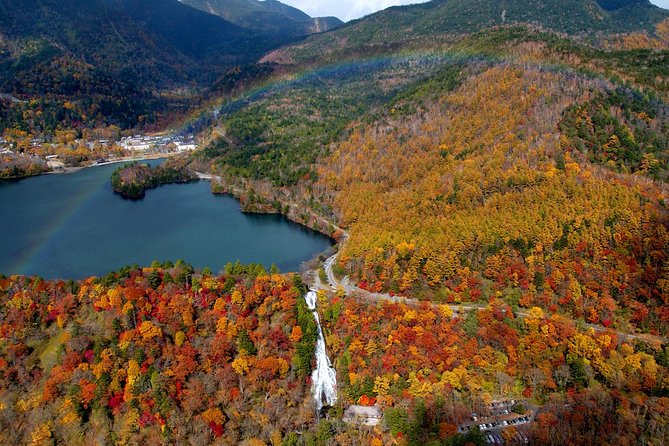
- Bus routes (2A/2B/2C/2D) connect Nikko with Yumoto-Onsen, World Heritage stops, Chuzenji, and Kirifuri areas
- Season matters: the 2D bus target changes depending on dates (Kirifuri Waterfall vs Kirifuri-Kogen)
- Discounts exist, but supplements happen when you reach specific paid sights
What This Pass Really Is (And What It Is Not)
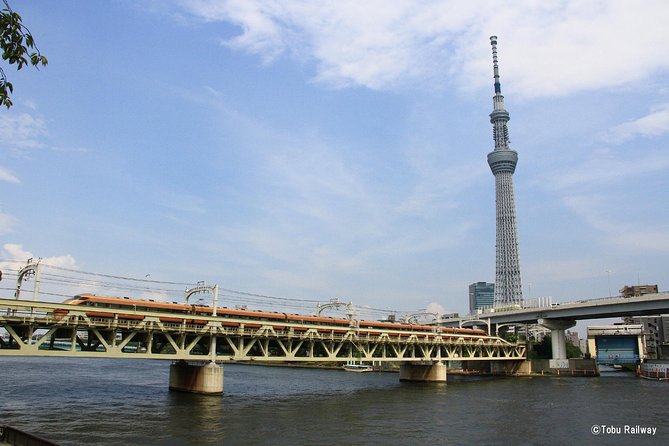
The NIKKO PASS All Area is designed for independent sightseeing. You’re not buying a guided day of narration; you’re buying transportation freedom, valid across a 4-day window starting on the date you choose when booking. You show a non-Japanese passport and your booking voucher to collect the pass at the Tobu Tourist Information Center Asakusa.
What it includes is straightforward on paper:
- Round-trip train fare between Asakusa Station and Shimo-Imaichi Station
- Unlimited Tobu local train rides between Shimo-Imaichi and Tobu-Nikko or Shin-Fujiwara
- Unlimited bus rides on the 2A, 2B, 2C, and 2D routes departing from or arriving at Tobu-Nikko Station
What it does not include is where people feel disappointment if they assumed it was a full sightseeing all-in-one. You still pay for admission to shrines and temples, and you may need to cover limited express train and JR train fees if your route requires them. Food and beverages are also on you.
For me, that distinction matters because Nikko can be expensive fast once you start stacking entry fees, paid attractions, and transport extras. The pass is best when you use it like a local—multiple rides, multiple stops, and a clear route.
You can also read our reviews of more tours and experiences in Tokyo.



Picking Up the Pass in Asakusa and Starting Smooth
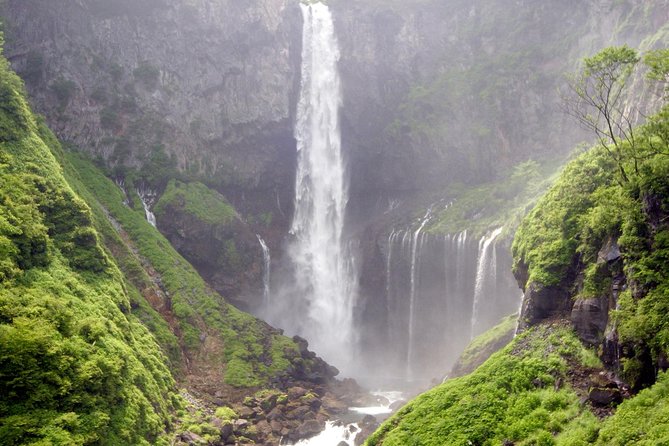
Your start point is very specific: the Tobu Tourist Information Center Asakusa at 1-chōme-4-1 Hanakawado, Taito City. That’s helpful because it removes one common trip stress: you know exactly where to go in Tokyo before you head north.
Once you collect the pass, you’re set to travel using the included rail and bus network. The trip time estimates you’ll see for this area are roughly 1 hour 50 minutes from Asakusa to Nikko (using limited express services in typical planning) and about 2 hours 10 minutes to Kinugawa Onsen. The key point is to plan for a full travel day even if you depart in the morning—you’re coming off Tokyo speed and landing in a valley area with timed bus routes.
One more practical note from real-life experience: the Nikko area has mountain roads, and some hotel locations can mean switchbacks and winding rides. If your lodging is away from major stations, you’ll want to build a little buffer time for how long the “last mile” takes.
Asakusa to Nikko: Your First Rail Moves
The pass is built around one anchor: getting you between Asakusa and Shimo-Imaichi round trip. From there, the transportation becomes locally focused and easier to manage.
Here’s how it typically feels in motion:
- You ride between Asakusa and Shimo-Imaichi
- Then you use unlimited Tobu local trains to reach Tobu-Nikko (or Shin-Fujiwara)
- From Tobu-Nikko, the bus routes do most of the heavy lifting
A caution worth taking seriously: one passholder pointed out that the train experience may require transfers rather than being a single direct ride end-to-end. That doesn’t mean it’s bad—it just means you should check connections before you lock in a tight schedule.
The 4-Day Calendar System (Why Dates Matter)
Your pass is valid for four consecutive calendar days starting on the date you select at booking. It’s not a 24-hour rolling window.
This sounds small, but it changes your strategy. If you want to leave Tokyo on Day 1 and return on Day 4, you should pick your booking date based on your actual travel plan and not the time you arrive. The goal is to avoid the classic mistake: finishing a great day on Day 4 only to realize your pass coverage ended with the calendar date.
I like the calendar format because it encourages sensible planning. In Nikko, you’ll usually get more satisfaction with two or three “anchored” day trips rather than trying to sprint through every sight every day.
A Practical 4-Day Plan: Shrines, Waterfall, Lake, Onsen
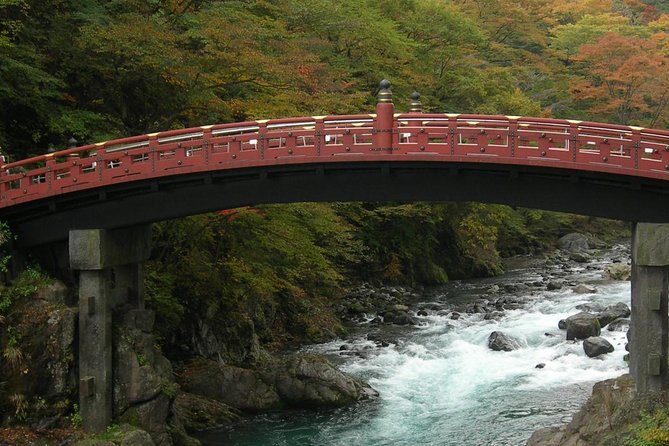
Because this is a transportation pass, you’re building your own itinerary. Still, you’ll probably feel happiest with a plan that groups regions together. Here’s a structure that matches the included network.




Day 1: Tobu-Nikko base and UNESCO-style sightseeing
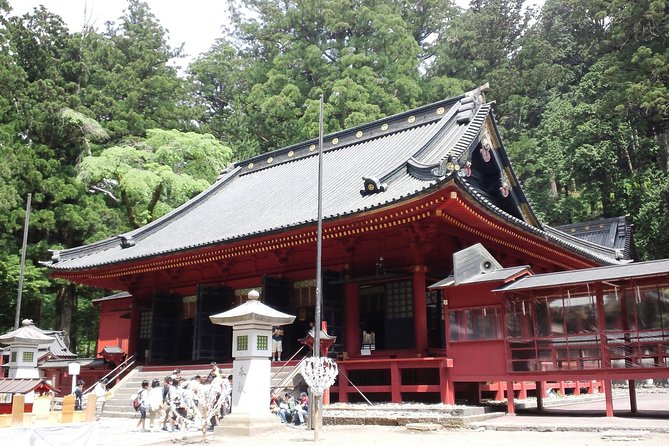
Start by getting yourself to Tobu-Nikko Station, then let the included options shape your day. The 2B bus is marked as a World Heritage Sightseeing route, with departures about every 15 minutes and a short loop length of roughly 23 minutes. It also runs in a defined daytime window (8:20 AM–5:30 PM), which is handy for planning.
This day is best for first-timers because it gets you oriented quickly. It’s also a good day to decide what you want to revisit later once you see the terrain and walking distances.
Day 2: Kirifuri Waterfall (or Kirifuri-Kogen in winter)
This is the day that gives you Nikko’s postcard energy. The Kirifuri area is tied to the 2D bus route. Between November 24 and March 31, the 2D bus goes to Kirifuri no Taki. Between April 1 and November 23, it goes to Kirifuri-Kogen instead.
So your season determines what you’re actually targeting. Either way, I’d treat this as a semi-outdoor day where you dress for the weather and plan your timing around bus hours that vary by season.
Day 3: Chuzenji Onsen and the lake area
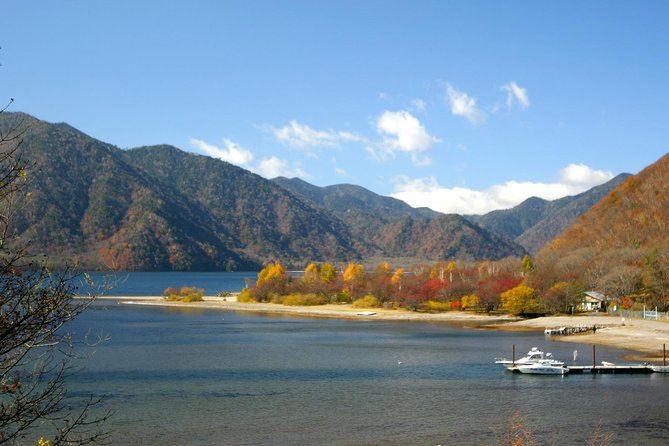
The 2C bus connects Tobu-Nikko Station and Chuzenji-Onsen, with about 45 minutes for each leg and running roughly 6:30 AM–6:30 PM. This is your day for the lake atmosphere and the scenic valley views.
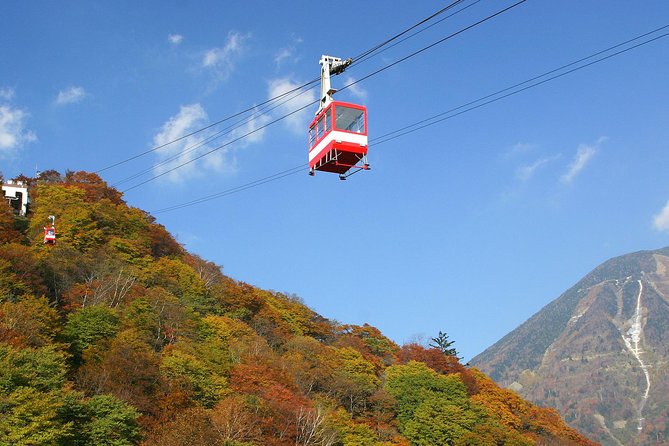
One passholder noted that a ropeway and lake cruise at Chuzenji were included for them, with the important catch that the cruise closes in winter from December 1. That’s a great example of why you should check seasonal operation before you set your heart on a specific activity.
Even if the cruise isn’t running, the Chuzenji route is still worth it because it gives you variety: compared with dense shrine areas, the lake day feels lighter and more spacious.
Day 4: Kinugawa Onsen reset and a calm ride back
Nikko isn’t only temples and waterfall trails. Nearby Kinugawa Onsen is the classic “soak it all away” option, and travel times from Tokyo planning often come out around 2 hours 10 minutes on express services.
Your pass is designed for the Nikko zone, but the included routing still lets you build a final-day onsen plan and then work your way back toward Tokyo. If you’re chasing a restorative finish, this is the day to keep your schedule simple and reduce extra walking.
The Bus Routes You’ll Actually Use (2A, 2B, 2C, 2D)
Think of the buses as your flexible legs. The pass covers unlimited rides on these routes as long as you’re getting on at Tobu-Nikko Station (or riding in/out as the route specifies).
- 2A: Tobu-Nikko Station ↔ Yumoto-Onsen
Each leg takes about 75 minutes, running 6:15 AM–6:10 PM. This is the option to connect Nikko with that onsen-side rhythm.
- 2B: World Heritage Sightseeing route
Buses depart around every 15 minutes and loop in about 23 minutes. It runs 8:20 AM–5:30 PM, which makes it ideal for a first sightseeing day where you want frequent chances to hop off and back on.
- 2C: Tobu-Nikko Station ↔ Chuzenji-Onsen
Each leg is about 45 minutes and runs 6:30 AM–6:30 PM. This is your lake day backbone.
- 2D: Tobu-Nikko Station → Kirifuri area (seasonal target)
Between Nov 24 and Mar 31, it targets Kirifuri no Taki. Between Apr 1 and Nov 23, it targets Kirifuri-Kogen. Hours vary, so check before you rely on a tight return plan.
If you want one simple rule: plan your day around which bus you need first. Then build your sightseeing stops between bus times. That keeps you from sprinting between far-flung points and losing time to the valley’s slower pace.
Value Check: Where You Save vs Where You Pay Extra
This is where the pass earns its keep—or disappoints people, depending on their expectations.
You save because the core transport costs are covered:
- Round-trip rail from Asakusa
- Unlimited trains within the Nikko area zone
- Unlimited bus rides on the included routes
Where you might still pay:
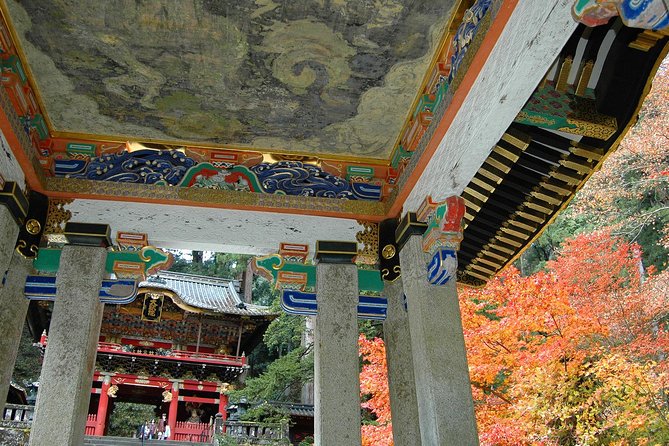
- Admission to shrines and temples
- Any transport portions that fall outside the included rail/bus coverage, like limited express or JR fees
- Paid attractions and activities that aren’t fully covered by the pass
One passholder felt the pass was a limited bargain because supplements appeared frequently, especially for lake and temple-related costs. Another passholder was positive, pointing out included elements like the ropeway and Chuzenji lake cruise (with the seasonal closure caveat). That mixed experience suggests the real truth: the pass is a strong value when your route matches the network, and a weaker deal when you spend most of your time on paid add-ons that sit outside what’s covered.
My advice: before you commit, sketch a short list of the places you truly want. If your “musts” fit the included rail/bus footprint, the pass likely pays off quickly.
Practical Tips That Make the Difference
Here are the real-life details I’d watch so your days feel calm instead of chaotic.
First, build in time for mountain travel. In Nikko, that includes winding roads on bus transfers to hotels that sit higher up. You’ll want an extra cushion if you’re booking lodging far from the station.
Second, plan for payment friction if you hit supplements. One complaint mentioned that you may need small bills and there might not be change provided when extra money is due. Even if that’s not every situation, I treat it as a good habit: carry some smaller denominations so you can handle unexpected paid segments without turning your day into an ATM hunt.
Third, keep a moderate fitness plan. The experience notes mention a moderate physical fitness level. Nikko’s sights involve walking and uneven terrain, so schedule your most demanding outing on the day you feel freshest—often the Kirifuri or lake day.
Who This Pass Suits Best (And Who Might Find It Frustrating)
This pass fits best if you:
- Want freedom to hop around independently
- Like structuring a trip around public transport rather than taxis
- Are targeting Nikko’s main clusters: Tobu-Nikko area, World Heritage sightseeing stops, the Chuzenji route, and the Kirifuri side
- Can handle some walking and seasonal route changes
It may feel frustrating if you:
- Expect everything to be included with zero extra admission fees
- Want only one or two single sights and are done quickly
- Are sensitive to transfer time and prefer fully direct travel
- Have lodging far from stations without much buffer time
The pass is also only for foreign tourists with a non-Japanese passport, and you must show your passport on the day you pick up or use it. That rule alone can be a dealbreaker if you’re not eligible.
FAQ
Is the Nikko All Area Pass only for foreign visitors?
Yes. It is only available for foreign tourists with a non-Japanese passport, and you must present a valid passport on the day of the activity.
Where do I collect the pass in Tokyo?
You collect it at the Tobu Tourist Information Center Asakusa, located at 1-chōme-4-1 Hanakawado, Taito City, Tokyo 111-0033.
How long is the pass valid?
It’s valid for 4 consecutive calendar days starting on the date you select when booking (it is not a 24-hour window).
What transportation is included with the pass?
You get round-trip train fare between Asakusa Station and Shimo-Imaichi Station, unlimited Tobu local trains between Shimo-Imaichi and Tobu-Nikko or Shin-Fujiwara, and unlimited bus rides on the 2A, 2B, 2C, and 2D routes.
Which bus routes can I use from Tobu-Nikko Station?
The pass includes unlimited rides on buses departing from or arriving at Tobu-Nikko Station for routes 2A, 2B, 2C, and 2D.
Does the 2D bus go to the same place year-round?
No. Between Nov 24 and Mar 31, 2D goes to Kirifuri no Taki. Between Apr 1 and Nov 23, 2D goes to Kirifuri-Kogen. Hours vary by season.
Are shrine and temple admission fees included?
No. Admission to shrines and temples in the Nikko area is not included.
Are limited express and JR train fees included?
No. Limited Express train and JR train fees are not included.
Can I cancel for a full refund?
Yes, you can cancel for a full refund if you cancel at least 24 hours before the experience’s start time. If you cancel within 24 hours, it isn’t refunded.
Should You Book This Pass?
Book it if you want a flexible, public-transport Nikko trip built around the areas the buses serve. The big win is that you’re not paying per ride as you hop between Tobu-Nikko, World Heritage-style sightseeing, the Chuzenji side, and the Kirifuri region—over a 4-day calendar window.
Skip it if you mainly want just one quick stop, or if your plan relies heavily on attractions that require lots of extra admission and add-on transport fees outside the included scope. If that sounds like you, you might waste money on coverage you never use.
If you tell me your travel month and the sights you most want (waterfall, lake, specific onsen, or mostly shrines), I can help you map your days so the pass actually earns its keep.