REVIEW · TOKYO
Tokyo: Private Day Trip to Mount Fuji and Hakone
Book on GetYourGuide →Operated by Sky Land · Bookable on GetYourGuide
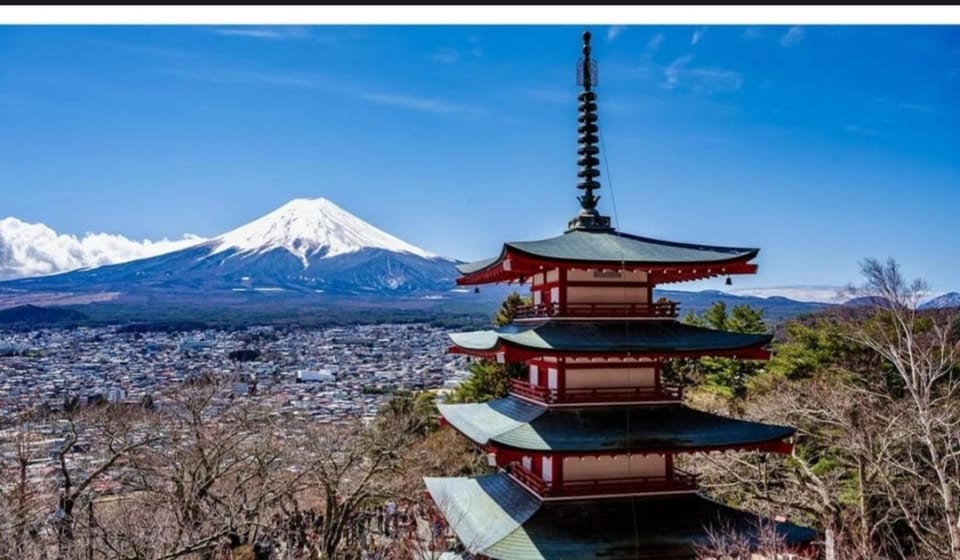
Fuji in one comfortable day is a real treat. This private Mount Fuji and Hakone circuit strings together classic Fuji viewpoints and calm countryside stops, guided by an English-speaking driver with punctual pickup from central Tokyo. I love the photo-friendly rhythm at places like Chureito Pagoda and Oshino Hakkai, and I also like how the day mixes shrines, lakes, and ropeways instead of only chasing one view. The one big watch-out is weather: if clouds roll in, you may see less of Mount Fuji than you hoped.
Pickup is the kind of low-stress start that makes a long day feel manageable, and entrance fees are handled for you. Still, the timing is structured, so some areas are brief, which means you’ll want comfortable shoes and a quick photo plan—no lingering if a stop is only 30 minutes.
Because it’s private, you get personal space and a pace that can feel smoother than jumping between crowds. Do note: it’s not set up for wheelchair users, and it may be tough if you have back problems or if you’re traveling while pregnant.
In This Review
- Key things I’d watch for on this Mount Fuji and Hakone private trip
- Why this private Mount Fuji and Hakone day trip actually works
- Pickup and the first drive: where the day is won or lost
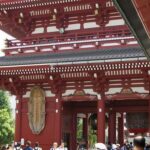
- Chureito Pagoda and Fuji Sengen shrines: your first Fuji hits
- Chureito Pagoda photo stop (about 45 minutes)
- Kitaguchi-hongu Fuji Sengen Shrine
- Arakura Fuji Sengen Shrine (about 45 minutes, later in the day)
- Oshino Hakkai water ponds: short time, big payoff
- What to do with only 30 minutes
- Saiko Iyashi no Sato Nenba: a pause that adds human context
- Mount Fuji 5th Station: the altitude moment (and the safety briefing)
- Why this stop matters, even if visibility isn’t perfect
- What you should do personally
- Lake Kawaguchi, ropeways, and Oishi Park when the views cooperate
- Mt. Kachi Kachi Ropeway (about 1.5 hours)
- Lake Kawaguchi (photo stop + visit + walk)
- Narusawa Ice Cave
- Oishi Park (flowers + Fuji views)
- Hakone Ropeway to Lake Ashi: shifting from Fuji to “other mountains”
- Hakone Ropeway (about 1 hour hop-on hop-off stop)
- Lake Ashi (about 1 hour sightseeing)
- Owakudani Valley: the “one more big stop” hour
- Gotemba Premium Outlets: shopping time that doesn’t wreck the schedule
- Price and value: what $100 per person buys you on this route
- Who this private Mount Fuji and Hakone day trip is best for
- Should you book this Mount Fuji and Hakone private trip?
- FAQ
- How long is the private Tokyo trip to Mount Fuji and Hakone?
- Where does pickup and drop-off happen?
- Is this tour private?
- What’s included in the price, and are drinks covered?
- What should I bring for the day trip?
- What if I cancel?
- Is the tour suitable for wheelchair users or people with back problems?
Key things I’d watch for on this Mount Fuji and Hakone private trip
- Private car comfort all day: Jeep/SUV or van, with pickup and drop-off at designated Tokyo locations.
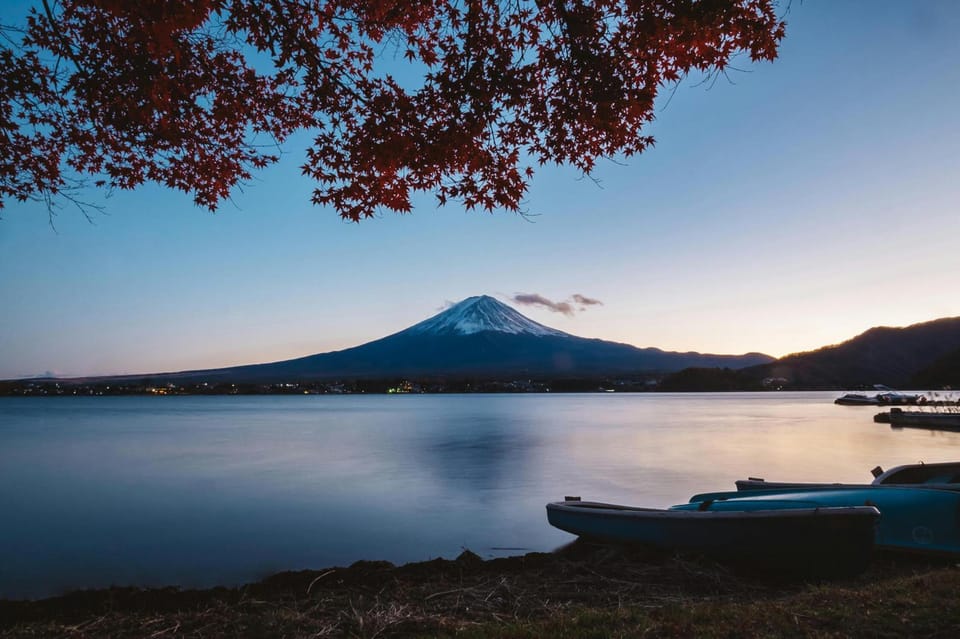
- Multiple Fuji-focused photo stops: Chureito Pagoda, Fuji Sengen shrines, Oshino Hakkai, and a shot at Mount Fuji 5th Station.
- Short-and-sweet rural village time: Oshino Hakkai is only about 30 minutes, so move efficiently.
- Hakone’s “wow views” route: Mt. Kachi Kachi Ropeway, Hakone Ropeway, then Lake Ashi and Owakudani.
- A smart shopping buffer: Gotemba Premium Outlets gives you a guaranteed 2-hour reset.
Why this private Mount Fuji and Hakone day trip actually works
A Mount Fuji day trip can be either exhausting or oddly fun. The difference is usually logistics. With this tour, you’re not wrestling train transfers and timed connections. You’re in a private Jeep/SUV or van, driven by an English-speaking driver, and you’re dropped back at your area afterward.
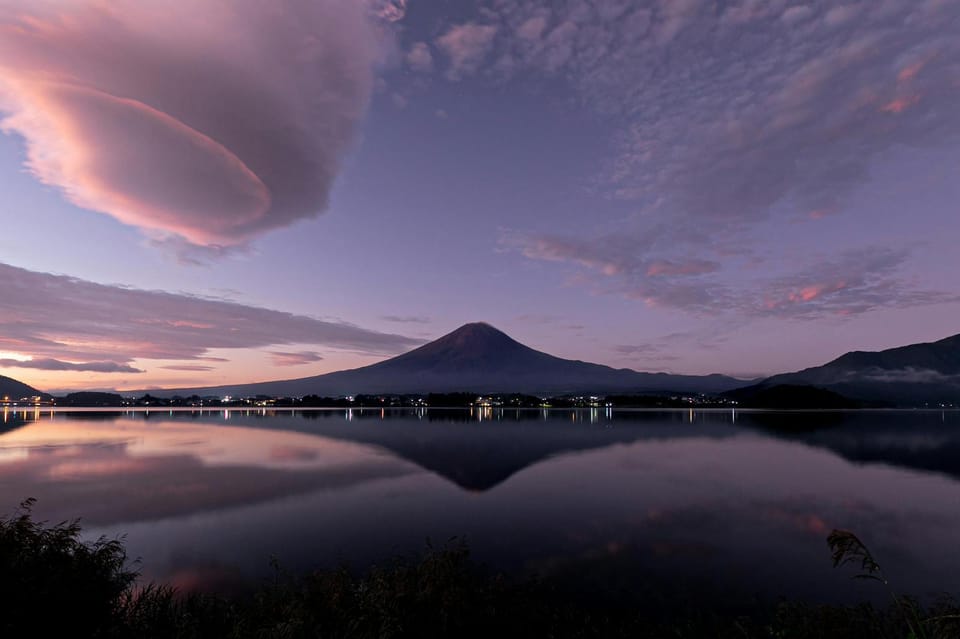
You also get a schedule that mixes iconic sights with quieter breaks. That matters because Mount Fuji region sightseeing isn’t just about “seeing a mountain.” It’s about seeing how people live around it: shrines, water ponds, and viewpoint parks. If you like photos, you’ll appreciate the repeated Fuji angles. If you like atmosphere, you’ll value the small, calmer stops.
One more practical point: you start early from Tokyo and run a full loop. That means you’re spending most of your “prime daytime” hours in the Mount Fuji/Hakone zone instead of commuting all day.
You can also read our reviews of more private tours in Tokyo

Pickup and the first drive: where the day is won or lost
You’re picked up from one of the designated Tokyo wards and areas, including options around Shibuya, Shinjuku, and Chuo, with a total of 13 pickup locations listed. The tour also specifies pick-up and drop-off coverage for Tokyo’s 23 wards plus the Mt. Fuji area, with a surcharge if you’re farther out (JPY 5,000–20,000).
Why I like this setup: it turns the hardest part of a long day—getting out of the city—into something predictable. You’re also told to expect safe and on-time pickup, which makes a huge difference when you’re heading for early light and viewpoints.
The vehicle is either a Jeep/SUV or van, and the day is run as a private group. That usually means fewer delays and less “everyone waiting on everyone.” You’re also following vehicle rules: no smoking, no food inside, and no alcoholic drinks. It’s not restrictive for the sake of it—those rules simply help keep the ride comfortable on a long route.
Chureito Pagoda and Fuji Sengen shrines: your first Fuji hits
This route treats Fuji like a photo assignment you can actually complete. You get structured time at several “Fuji + human details” locations.
Chureito Pagoda photo stop (about 45 minutes)
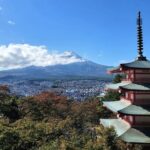
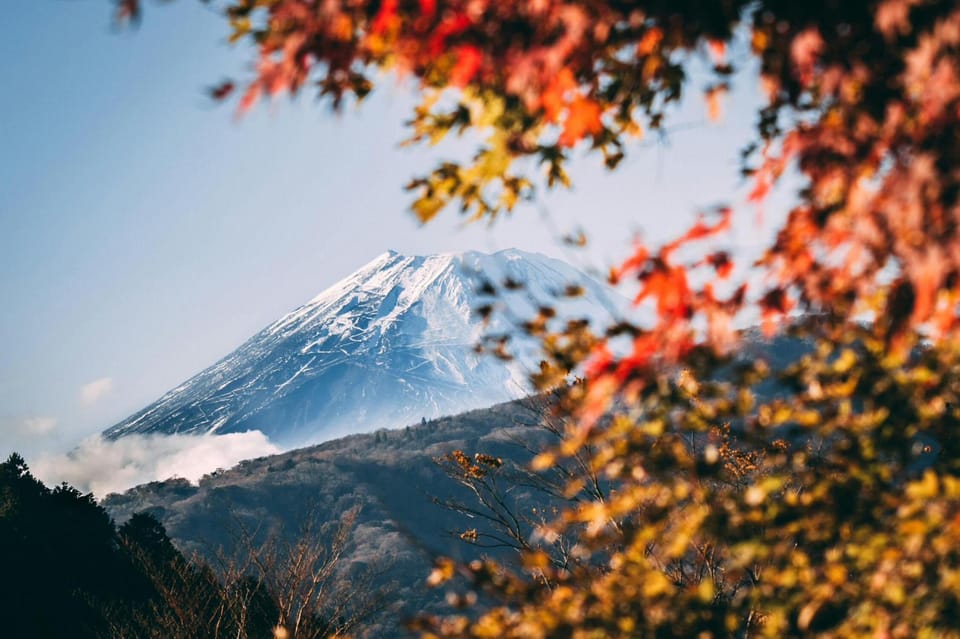
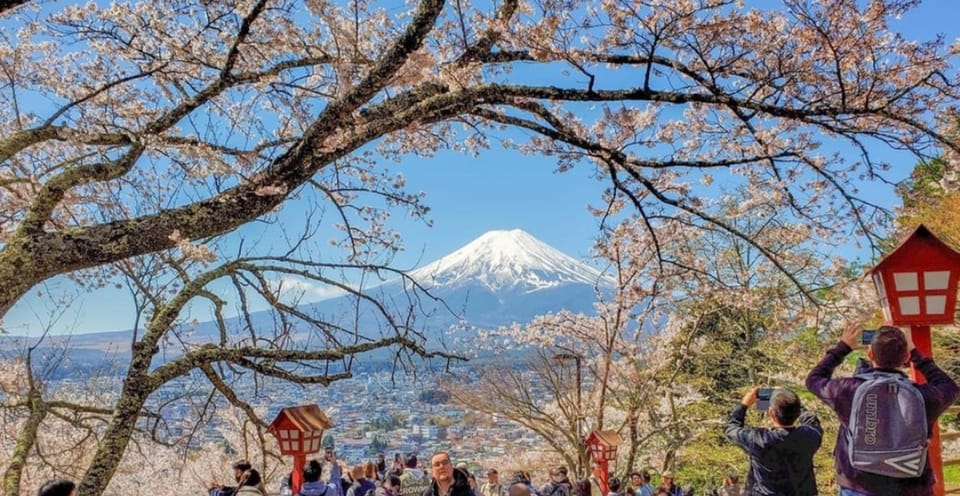
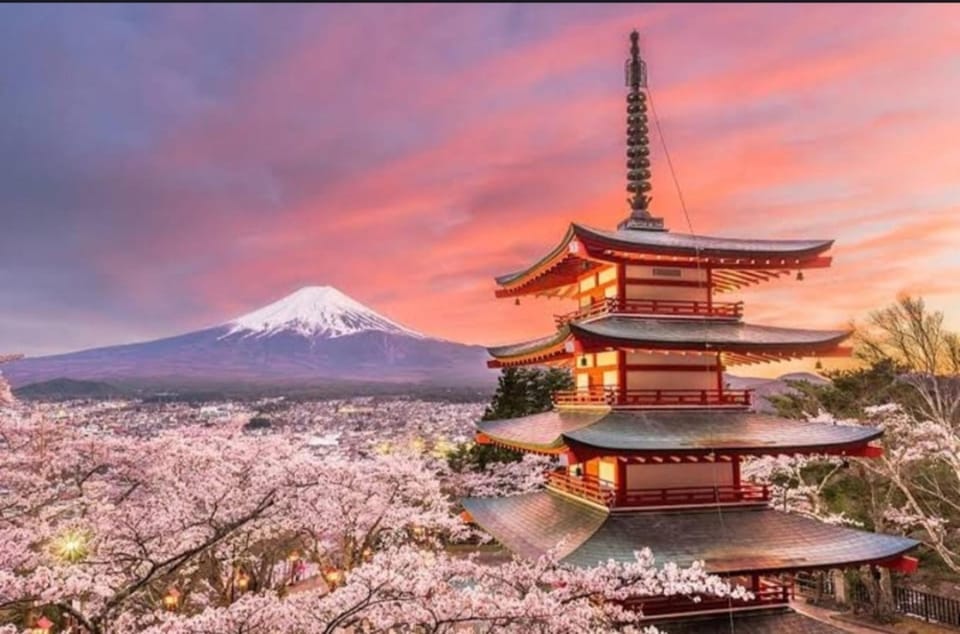
Chureito Pagoda is a classic because it gives you that stacked-photo composition: pagoda lines plus Fuji in the background when conditions are good. Even if Fuji is partly hidden, this stop still works because you’re walking through a scenic area and collecting angles for later comparison.
Plan to:
- Wear shoes you can walk in for short distances.
- Treat it like a photo sprint with room for a calm walk.
Kitaguchi-hongu Fuji Sengen Shrine
Right after, you visit Kitaguchi-hongu Fuji Sengen Shrine. This is more than a quick photo grab. Shrine visits are where the day shifts from “viewpoint” to “culture,” and Fuji shrines are special because they connect the mountain to everyday belief and local tradition.
You get a photo stop plus time to walk and visit. If you’re the kind of traveler who likes reading a little, this is where you can slow down for a moment.
You can also read our reviews of more tours and experiences in Tokyo




Arakura Fuji Sengen Shrine (about 45 minutes, later in the day)
Arakura Fuji Sengen Shrine is a second major viewpoint stop. Getting it later can help if you’re chasing changing light or want to compare views after earlier stops. You get a visit and free time, plus a chance to capture footage and photos with a Mount Fuji perspective.
My takeaway: two Fuji-shrine moments are smart because you’re not relying on just one perfect vista window.
Oshino Hakkai water ponds: short time, big payoff
Next comes Oshino Hakkai, known for its ponds connected to the Mount Fuji area. The tour gives you about 30 minutes here, which is brief, but that’s actually ideal for this stop.
Here’s why: Oshino Hakkai is visually rich, and the experience is mostly about atmosphere—clear water, small houses, and quiet walking lanes. If you spend too long, you can end up doing repeated loops. If you spend the right amount of time, you get the full effect without losing the rest of your day.
What to do with only 30 minutes
- Walk first for overall pond views.
- Then pick one or two spots to photograph carefully.
- If Fuji is visible, prioritize angles that include both water and mountain backdrop.
Even on cloudy days, Oshino still feels peaceful because you’re not just chasing a single skyline view.
Saiko Iyashi no Sato Nenba: a pause that adds human context
Before the day climbs to Mount Fuji 5th Station, the tour includes a 45-minute demonstration at Saiko Iyashi no Sato Nenba. This is the kind of stop that balances the day.
Instead of only collecting views, you get a small window into how people in the area lived. That matters because the mountain region can otherwise feel like a series of scenic stops with no connection. A demonstration gives the context that helps the rest of the day land better.
Think of it as a reset. You’re about to go up in elevation, and this stop breaks up the drive with a calmer pace.
Mount Fuji 5th Station: the altitude moment (and the safety briefing)
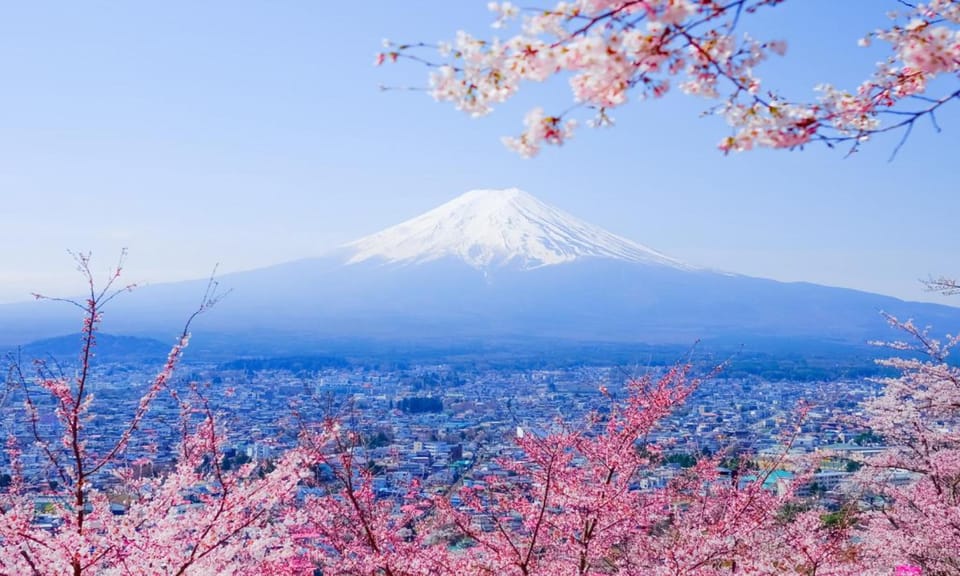
The highest point your vehicle can reach is Mount Fuji 5th Station, over 3,000 meters. This is the stop you planned the day for, and it can feel intense even when the weather is clear.
The tour includes:
- A photo stop
- Time to visit and walk
- A safety briefing and some guided “class”-style information during the stop
Why this stop matters, even if visibility isn’t perfect
At altitude, conditions can change fast. If the skies are clear, you’ll get the full “this is why people come” payoff. If clouds roll in, you still get something valuable: you experience the scale and atmosphere of Fuji’s upper region. And since the itinerary includes other view-friendly stops, you’re not stuck hoping for one moment.
What you should do personally
Bring warm clothing even if Tokyo feels mild. Wind and temperature drop can surprise you. Also, wear comfortable shoes—you’ll want stability while walking around.
Lake Kawaguchi, ropeways, and Oishi Park when the views cooperate
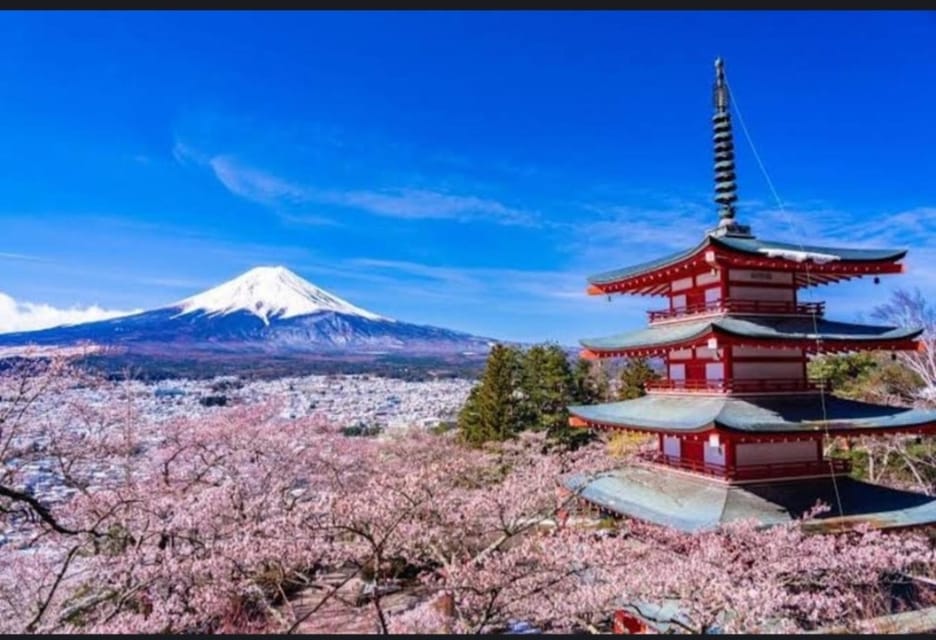
Once you head into the Lake Kawaguchi area, the day becomes more about variety. This is where you get several “different angles of Fuji” without feeling like you’re repeating the same stop.
Mt. Kachi Kachi Ropeway (about 1.5 hours)
You’ll make time for the Mt. Kachi Kachi Ropeway. Ropeways are valuable in this region because they shorten the distance between viewpoints. You don’t just see Fuji from one level—you get a higher perspective without needing a long hike.
You’ll have time for photo stop, visit, and sightseeing during the 1.5-hour window.
Lake Kawaguchi (photo stop + visit + walk)
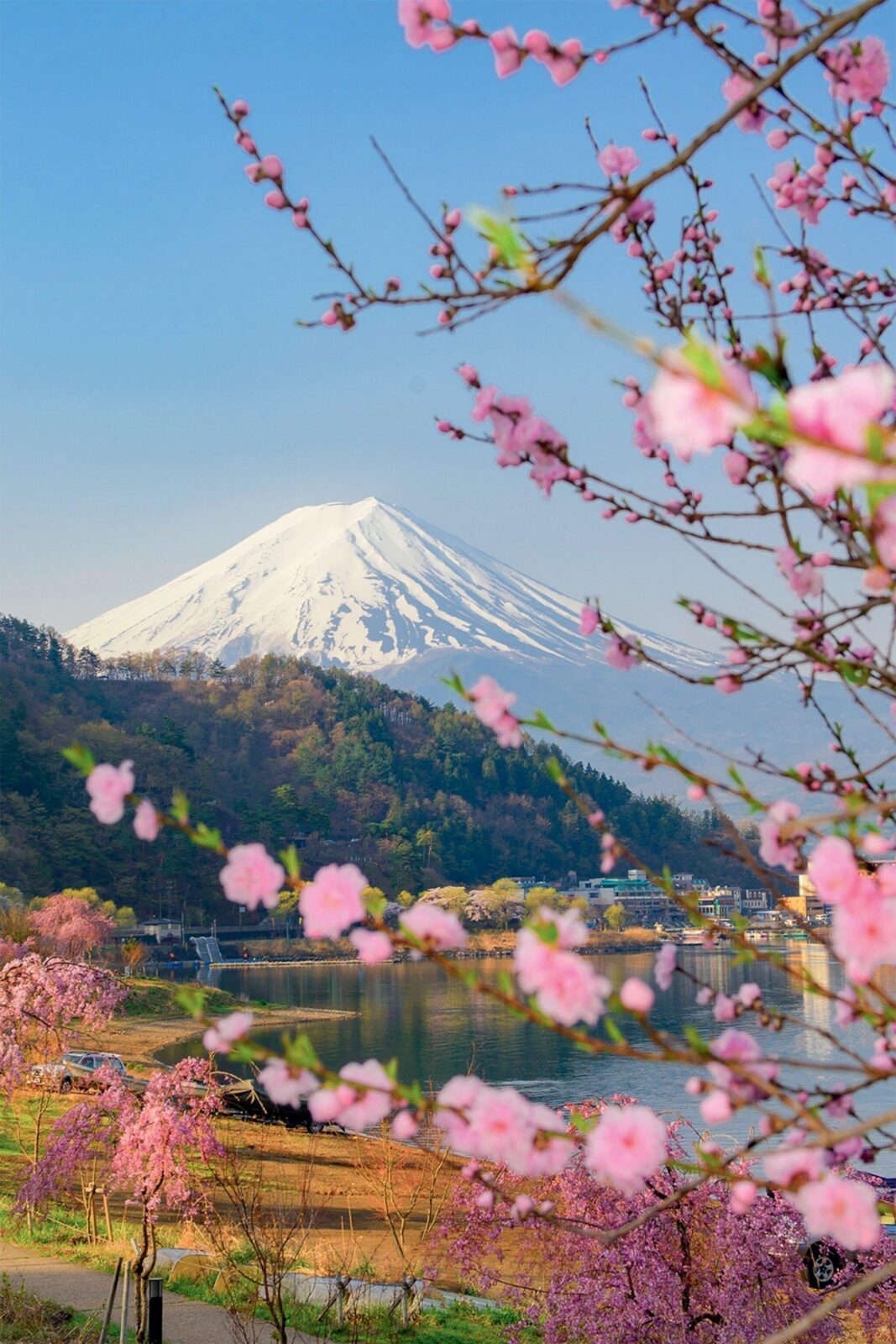
Then it’s Lake Kawaguchi, described as a must with great views. The tour gives you a camera-friendly break plus time to walk around.
If you get even partial Fuji, Lake Kawaguchi is a classic because the water can frame the mountain well. If Fuji is hidden, you’ll still have a lakeside scenery change that makes the day feel full.
Narusawa Ice Cave
Next, you visit Narusawa Ice Cave. This is a different kind of attraction than shrines and lakes. Even if you’re not a “cave person,” it’s a nice change of pace because it adds a physical environment element.
You’ll have photo stop, sightseeing, and walking time.
Oishi Park (flowers + Fuji views)
The route also includes Oishi Park, with time for walking and views. The tour notes fresh flowers when they’re in blossom, which can add a lot to the sensory experience.
Practical tip: if you’re in flower season, move quickly for the best shots, then slow down. If it’s not flower season, the park still works because it’s a viewpoint stop, and viewpoints are the whole point of this region.
Hakone Ropeway to Lake Ashi: shifting from Fuji to “other mountains”
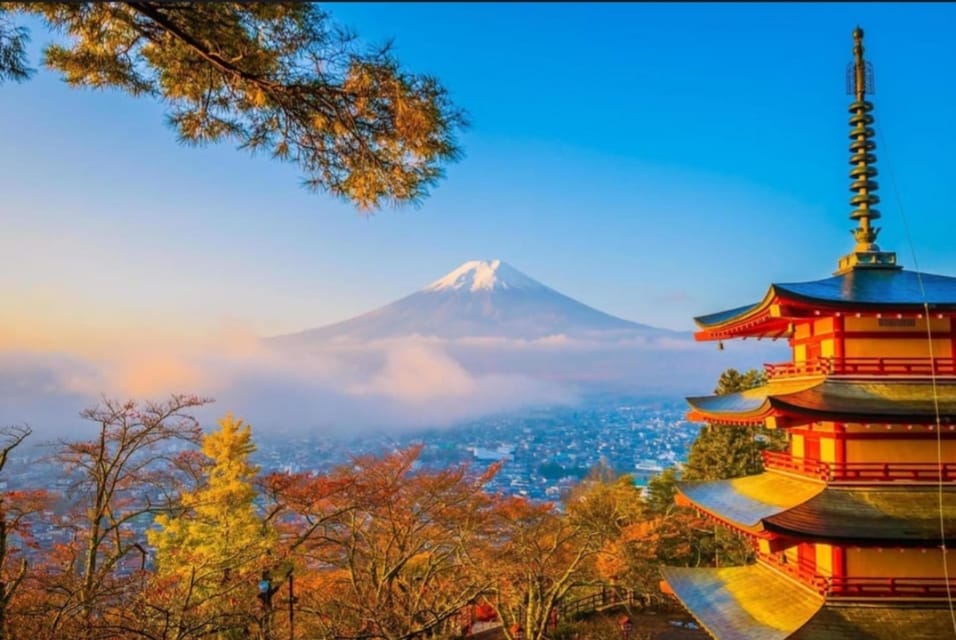
After the Lake Kawaguchi and Oishi Park area, the day transitions into Hakone. This is where the scenery changes tone. The views are still mountain-and-water, but the feel is different: more lakeside, more varied elevations, more “Japan trip” rather than only Fuji pilgrimage.
Hakone Ropeway (about 1 hour hop-on hop-off stop)
You get Hakone Ropeway with an included hop-on hop-off stop window of about 1 hour. Ropeways here are similar in logic to earlier ropeway time: they give you a higher vantage without turning the day into a hiking marathon.
Lake Ashi (about 1 hour sightseeing)
Next is Lake Ashi, with around 1 hour for sightseeing. This is a good time for a slower pace. If earlier stops felt like photo sprints, Lake Ashi gives you space to just enjoy the lakeside feeling.
Owakudani Valley: the “one more big stop” hour
Then you head to Owakudani Valley, where the tour includes a break and about 1 hour for visit and sightseeing.
Why I see this as useful: the day already hits shrines and viewpoints, so this kind of destination adds a different type of visual interest before you return toward Tokyo. It’s also a good “energy management” stop—just long enough to enjoy it, not so long that it steals time from shopping.
Gotemba Premium Outlets: shopping time that doesn’t wreck the schedule
At the end, you stop at Gotemba Premium Outlets for about 2 hours of shopping and sightseeing/walking time.
This is one of those inclusions I appreciate because it gives you something tangible to do during the final phase of the day. You’re not only transporting back to Tokyo—you’re ending with an easy-to-navigate area where people can browse without worrying about getting lost.
Price and value: what $100 per person buys you on this route
At $100 per person for a 10-hour private day, the value is mostly about what you’re avoiding.
You’re paying for:
- Private transport by Jeep/SUV or van for the full loop
- Pickup and drop-off at designated locations
- Entrance fees
- A driver and an English-based experience framework (the tour lists live guide language options including English, Urdu, Arabic, Hindi, and Japanese)
So what you’re buying isn’t just access to Mount Fuji and Hakone. You’re buying reduced friction. When you’re doing a loop this long, a private car can be the difference between a day that feels controlled and a day that feels like nonstop transit.
The only extra cost called out clearly is drinks. Since drinks aren’t included, I suggest bringing water (the tour specifically recommends it), and plan to buy drinks during breaks.
Who this private Mount Fuji and Hakone day trip is best for
This tour tends to fit best if you:
- Want a structured day with multiple signature stops and limited decision-making
- Prefer private comfort over public transit juggling
- Like photos but also want cultural stops like Fuji Sengen shrines and a village demonstration
It’s also a good match for solo travelers because private group format means you’re not blended into a large crowd.
On the flip side, it’s not suitable for pregnant women, people with back problems, and wheelchair users. If any of those apply, the combination of long day timing, walking, and vehicle movement is something to take seriously.
Should you book this Mount Fuji and Hakone private trip?
If your priority is seeing Mount Fuji and also covering Hakone’s top scenic elements in one efficient day, I think this is a strong choice. The lineup is practical: shrines for atmosphere, Oshino Hakkai for a quiet countryside moment, Mount Fuji 5th Station for the altitude milestone, then ropeways and lakes to round it out.
Book it if you value convenience, are okay with a day that runs on a schedule, and you bring warm layers for the higher elevations. Skip it if you want a slow, hiking-heavy experience, or if mobility is a concern—this one is built for walking at multiple stops, even though each stop is timed.
FAQ
How long is the private Tokyo trip to Mount Fuji and Hakone?
The duration is 10 hours.
Where does pickup and drop-off happen?
Pickup and drop-off are available from designated locations in Tokyo’s 23 wards and the Mt. Fuji area. If you’re outside those areas, a surcharge of JPY 5,000–20,000 may apply.
Is this tour private?
Yes. It’s a private group with a Jeep/SUV or van and a driver arranged for your group.
What’s included in the price, and are drinks covered?
Entrance fees and transport are included, along with pickup and drop-off at designated locations. Drinks are not included.
What should I bring for the day trip?
Bring comfortable shoes, warm clothing, a camera, and water.
What if I cancel?
Free cancellation is offered up to 24 hours in advance for a full refund.
Is the tour suitable for wheelchair users or people with back problems?
No. The tour isn’t suitable for wheelchair users, pregnant women, or people with back problems.