REVIEW · TOKYO
Ginza, Tokyo: Sake Experience with traditional vessels
Book on GetYourGuide →Operated by Y COMPANY, LIMITED LIABILITY COMPANY · Bookable on GetYourGuide
Tokyo Bay goes with sake.
In Ginza, this short tasting turns a simple pour into a focused lesson on flavor, presentation, and Japanese culture, served with a view. I love the Tokyo Bay backdrop and the way you taste three different sakes matched to specific vessels, not just whatever is poured. One drawback to plan for: this is a tasting experience, and the price covers the flight, not extra drinks or snacks.
You’ll also appreciate the human side. The bar’s bilingual staff explain the background of sake and how to read what you’re tasting, with names like Hiyori and Nana appearing as hosts in past groups, and Rireka mentioned as especially helpful.
If you’re hoping for a private, quiet room, keep expectations realistic. The setting is small-group, and the experience includes alcohol tasting, so it may feel too tight or too alcohol-forward for some needs.
In This Review
- Key things that make this Ginza sake experience worth your time
- Ginza and the Tokyo Bay view: why the setting matters
- What you actually taste: a three-sake flight built for first-timers
- The vessel lesson: how the right cup changes flavor
- KINTSUGI with 400-year-old Imari porcelain: art that you drink from
- Bilingual staff + real Japan trip tips: learning that travels with you
- Duration and group size: small-group pacing you can actually enjoy
- Where you go in Ginza: finding JEWEL BOX GINZA fast
- Price and value: what $22 buys (and what it doesn’t)
- Health, comfort, and who should take a pass
- Should you book this Ginza sake experience?
- FAQ
- How long is the sake tasting experience?
- Where is the meeting point?
- What is included in the price?
- Are snacks or additional drinks included?
- What language is used during the experience?
- Is it a private tour?
- Is wheelchair access available?
- Is it suitable for children?
- Can I cancel for a refund?
- Is there a pay later option?
Key things that make this Ginza sake experience worth your time
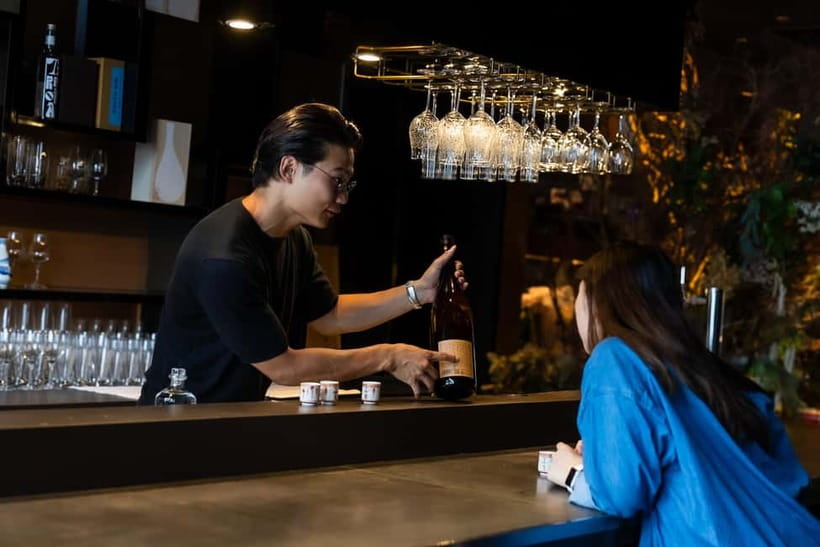
- Three sake types, one smart lesson: you’re not just drinking, you’re comparing.
- Vessels change the experience: wine glasses for some pours, traditional KINTSUGI for others.
- KINTSUGI with 400-year-old Imari porcelain: you get a close-up look at how Japanese craftsmanship becomes part of taste.
- Bilingual staff guidance: you learn enough to order more confidently later in Tokyo.
- Tokyo Bay views from the bar: you’ll sip while the city does its evening thing.
- Small group size (limited to 7): you’ll have room to ask questions.
Ginza and the Tokyo Bay view: why the setting matters
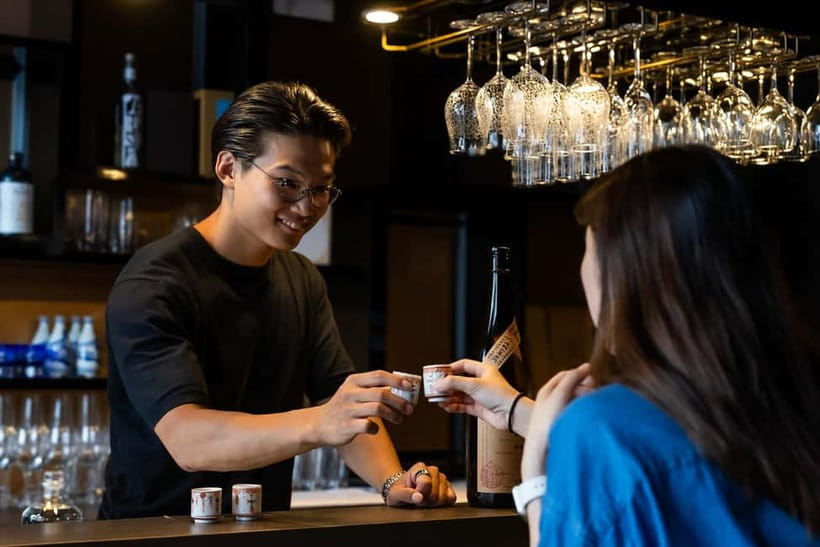
Ginza is famous for luxury, but this experience makes that atmosphere feel useful, not just expensive-looking. The bar is set up so you can look out toward Tokyo Bay while you taste. That alone changes your pace. Instead of speeding through sake as another “thing to do,” you slow down and pay attention.
And the view isn’t just scenery. When you’re seated where you can see the water and city line together, your brain treats the tasting like a moment with a beginning and an end. That helps you notice differences between the sake types, because you aren’t distracted by constant movement or a noisy crowd.
The other “setting” detail I like is the staffing style: bilingual explanations, delivered in a calm way that fits a tasting. If you’ve ever sat through a lecture where your brain checks out, aim for this one. It’s meant to be practical—so you leave knowing what you just experienced and how to repeat it.
You can also read our reviews of more food & drink experiences in Tokyo



What you actually taste: a three-sake flight built for first-timers
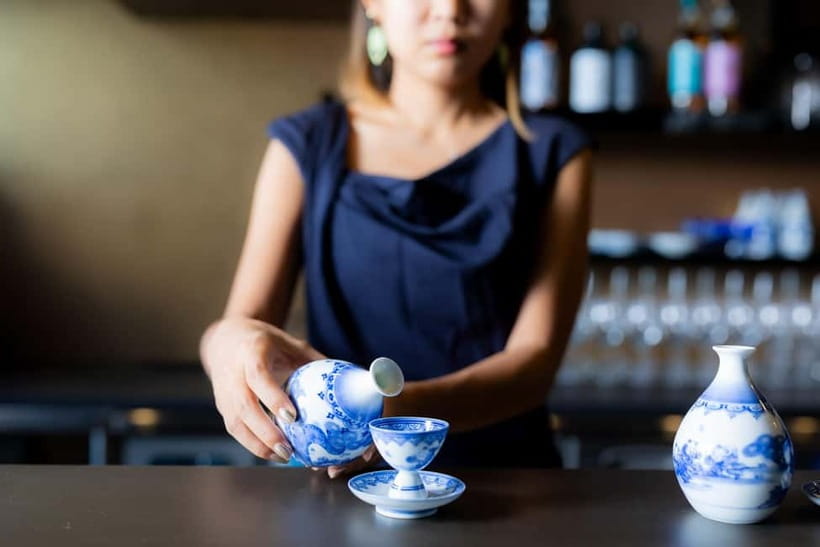
The core of this activity is a guided tasting of three different types of sake. The staff choose them specifically for a first-time experience, which matters because sake can feel confusing at first. Japan has about 1,500 sake breweries, and each one is rooted in its local region and culture. A good starter flight doesn’t try to cover everything—it narrows the field.
Here’s the practical value: by the end of your three pours, you should be able to describe what you liked and why. Was one more fragrant? Did another feel smoother? Did one taste crisper or more rounded? The tasting is structured so those comparisons become obvious, rather than guesswork.
Also, the flight format keeps expectations honest. You’re not shown a menu and told to experiment blindly. You’re guided through a progression, which makes it easier to learn quickly—especially if you don’t speak Japanese and want to understand what’s happening at the bar.
The vessel lesson: how the right cup changes flavor
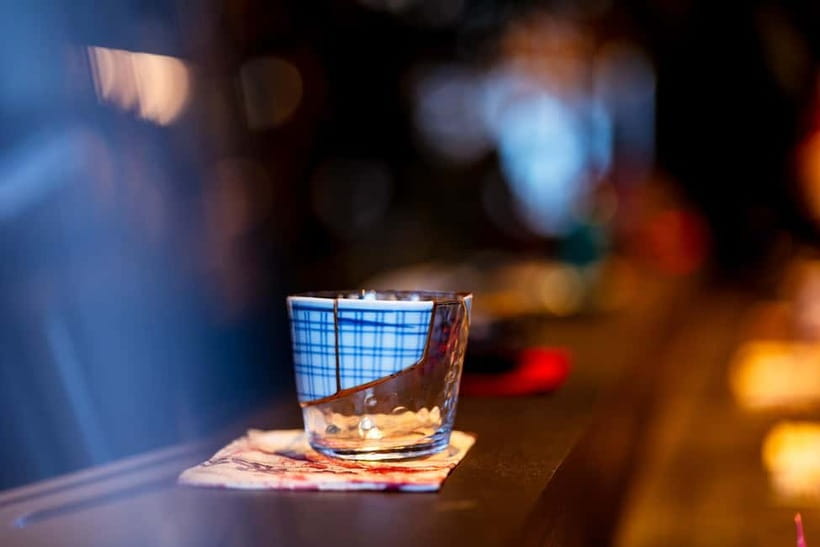
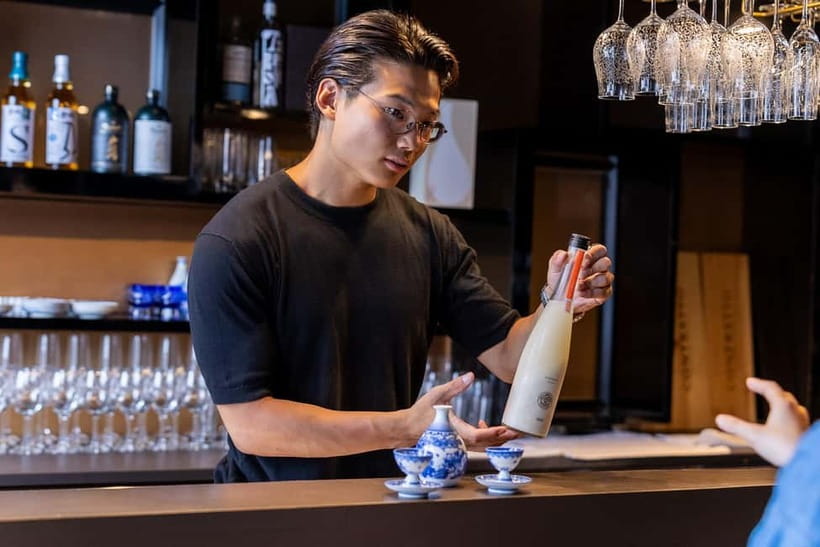
One of the most interesting parts is that each sake is matched with a vessel that best brings out its characteristics. This is where the experience goes beyond “sake tasting” and becomes something you can carry into real life—like when you’re choosing sake at a restaurant later.
You’ll notice that some sakes are presented in wine glasses, while others are served with more traditional presentation. The point isn’t tradition for tradition’s sake. Different shapes and materials interact with aroma and temperature perception. Even if you’re not a wine nerd, you’ll likely feel the difference in how the aroma reaches you and how the taste lands on your palate.
The staff explain what you’re tasting and why the vessel matters, so the lesson doesn’t stay inside the room. You can leave with a mental checklist:
- If I’m tasting something delicate, I should consider a style of glass that highlights aroma.
- If I’m tasting something with a different character, I should expect the vessel choice to shift how it feels.
That’s a big deal in Tokyo, where you can find sake pretty much everywhere. The experience teaches you how to make those choices smarter.
KINTSUGI with 400-year-old Imari porcelain: art that you drink from
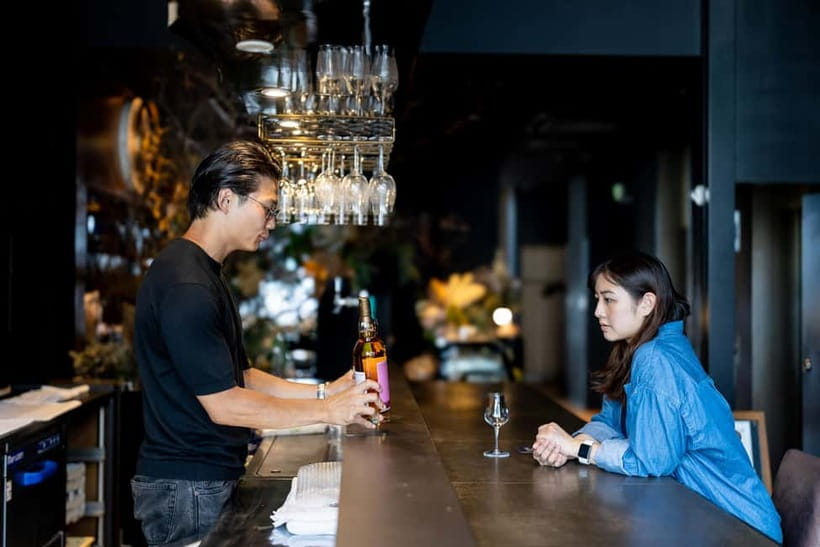
You might think this is just a decorative flex. It’s not. The use of KINTSUGI and 400-year-old Imari porcelain is part of the tasting design.
KINTSUGI is the craft of repairing pottery with lacquered seams, often highlighted rather than hidden. It changes the object’s story. You’re not only tasting sake in a vessel; you’re drinking in a piece of Japanese heritage that survived time through repair. That alone adds gravity to the experience.
Then there’s the Imari porcelain component. The staff connect the ceramics to the way you experience the pour. You’ll likely find that the weight, shape, and surface feel of the porcelain influence how your senses process the sake—how warm it stays, how aroma rises, and how the flavor reads.
If you’ve visited Japan before and felt museums are “interesting but separate,” this is a way to connect art and everyday taste. You’re not looking at it from behind glass. You’re experiencing it directly, in a setting built for attention.
Bilingual staff + real Japan trip tips: learning that travels with you
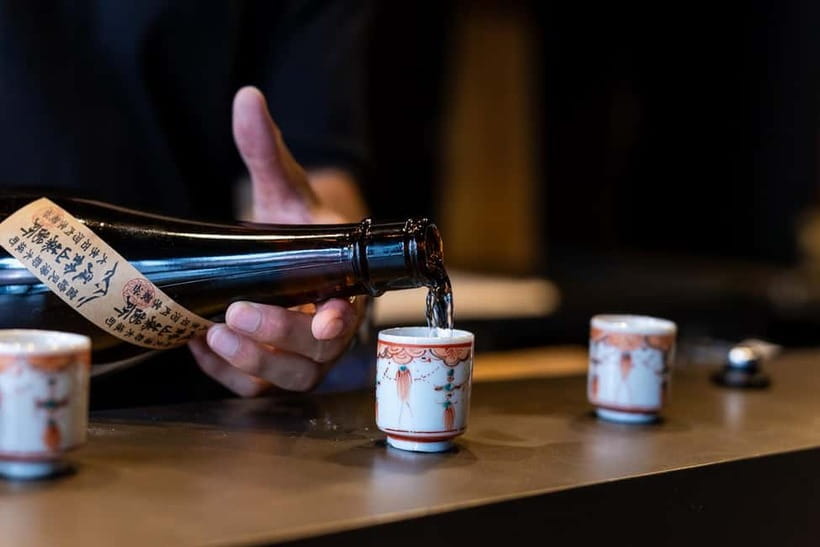
I love experiences where the staff don’t just explain the product—they help you use it later. Here, the bilingual team gives a background on sake history and culture, and they also provide travel tips and recommendations to enhance your trip.
That means the experience can spill into the rest of your days. When you understand the basics—how sake is tied to place, and how presentation choices affect tasting—you’re more prepared to navigate shops, bars, and restaurants without guessing.
Past groups have highlighted how friendly and informative hosts can be, including names like Hiyori, Nana, and Rireka showing up in the kind of staff support people remember. That’s a good sign because sake tasting is one of those topics where a small explanation can dramatically improve your enjoyment.
The best part is the tone. This isn’t an exam. You can ask questions and get answers that help you look at Japan differently—especially if it’s your first time in Tokyo.
You can also read our reviews of more drinking tours in Tokyo


Duration and group size: small-group pacing you can actually enjoy
This is a 1-day activity with a small group limited to 7 participants. That size matters more than you might think. With a group that small, the staff can adjust explanations if people have different questions. You can pay attention to the tasting without feeling like you’re part of an assembly line.
The pacing also fits a traveler schedule. You taste, you learn, you take in the bay view, and then you head back to your hotel for the night. It’s an evening plan that doesn’t eat your whole day.
Also, the experience is English-led with bilingual staff support, so you’re not stuck interpreting everything on your own. That reduces the friction that can sour a tasting experience for first-timers.
Where you go in Ginza: finding JEWEL BOX GINZA fast
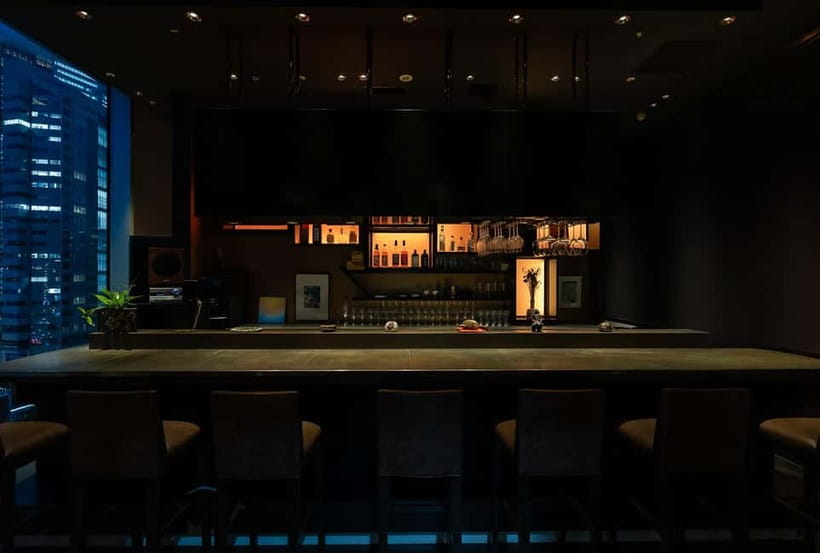
You’ll meet on the 11th floor of the JEWEL BOX GINZA building. The clue is simple: there’s Swarovski on the 1st floor, which helps you orient quickly when you arrive in the Ginza maze.
A practical tip: Ginza buildings can feel like city-sized malls. Give yourself a little extra time so you’re not rushing up stairs or elevators with a drink-related schedule in mind. Once you locate the correct floor, everything else should feel straightforward.
This location is also a value in itself. Ginza is highly accessible, and the building setup makes it easy to slot the tasting into a day already planned around central Tokyo.
Price and value: what $22 buys (and what it doesn’t)
At $22 per person, you’re paying for more than three sips. The included value is built around:
- Three types of sake for tasting
- Specific vessels matched to those sake types
- Bilingual staff sharing history and culture
- Extra travel tips and recommendations
- A setting with Tokyo Bay views
What’s not included is also part of the value equation: no additional glasses of sake and no other drinks or snacks. That can be a plus if you’re the type who wants to taste and move on, but it’s a mismatch if you’re hoping to turn this into a longer drinking session.
In my mind, this price makes sense because it’s structured. You’re not only paying for alcohol; you’re paying for the matching, the explanation, and the “why” behind the vessel choices. Those are the parts that help first-timers enjoy sake beyond a single night.
Health, comfort, and who should take a pass
This isn’t a casual “wander in and sip” kind of event. It has a long list of “not suitable for” notes, including pregnant women and people who may have claustrophobia, vertigo, heart problems, respiratory issues, epilepsy, and several other medical conditions.
It’s also not suitable for children under 18. That’s mainly because it includes alcohol tasting, and the experience is designed as an adult cultural activity.
One more practical comfort point: the experience may not fit people who feel uncomfortable in enclosed spaces. Ginza is often busy, and the bar setting is part of the design, so take comfort seriously.
If you fall into any of the listed categories, it’s smart to skip. For everyone else, just remember: you’re tasting alcohol, so go in expecting to learn, not to party.
Should you book this Ginza sake experience?
Book it if you want a first-time-friendly introduction to sake that teaches you something real: how different sakes compare, and how vessels (including KINTSUGI with Imari porcelain) change what you perceive.
Skip it if you need unlimited pours, snacks, or a flexible bar-style session. Also skip if the health or comfort notes apply to you.
If your Tokyo plan includes Ginza anyway, this is a high-satisfaction add-on. You get a bay view, a guided comparison of three sake types, and a staff-led explanation that makes your next sake stop easier.
FAQ
How long is the sake tasting experience?
It lasts 1 day, with starting times depending on availability.
Where is the meeting point?
Meet on the 11th floor of the JEWEL BOX GINZA building, where there is Swarovski on the 1st floor.
What is included in the price?
You get three types of sake for tasting, served with specific vessels, and you’ll have bilingual staff who share the history and culture of sake.
Are snacks or additional drinks included?
No. Additional glasses of sake and other drinks or snacks are not included.
What language is used during the experience?
The instructor is English, and the staff are bilingual.
Is it a private tour?
No, it’s a small group experience limited to 7 participants.
Is wheelchair access available?
Yes, the experience is wheelchair accessible.
Is it suitable for children?
No. It’s not suitable for children under 18, and there is also a weight note stating children under 33 lbs (15 kg) should not participate.
Can I cancel for a refund?
Yes. You can cancel up to 24 hours in advance for a full refund.
Is there a pay later option?
Yes. You can reserve now and pay later, keeping your plans flexible.