REVIEW · TOKYO
Tokyo: Meiji Jingu Cultural Walking Tour with Japanese Historian
Book on Viator →Operated by Ryota · Bookable on Viator
Meiji Jingu can feel like a time-out from Tokyo, and this tour helps you understand what you are looking at. You get an English explanation of Shinto ideas like kami, nature, and ancestors, plus the real reason Meiji Jingu was built and why it stays important to Japanese people.
I like two things a lot. First, the student historian guides keep the pace relaxed and the English clear, including examples shared by guides like Noriko and Shota. Second, you spend the time on meaning, not photo stops—so the tour actually changes how you see the shrine.
One thing to consider: this isn’t a big checklist tour. If you only want quick sightseeing and don’t care why rituals and sacred space work the way they do, you might find it slower than you expected.
In This Review
- Quick takeaways before you go
- Why Meiji Jingu makes more sense with Shinto explained
- Getting to the Harajuku meeting point (and keeping the plan simple)
- The Shinto basics you learn before you enter Meiji Jingu
- Stop 1: Walking the Meiji Jingu grounds like the story matters
- The atmosphere does the work
- What you focus on besides photos
- Architecture and rituals explained (so you know what to look for)
- Museum exhibits that add depth
- Why Meiji Jingu is still relevant to everyday Japanese life
- Guide style: clear English, student energy, and real questions
- Price and value: $19.55 for meaning, not just access
- Who should book this tour (and who might skip it)
- Should you book the Meiji Jingu Cultural Walking Tour?
- FAQ
- How long is the Meiji Jingu Cultural Walking Tour?
- What does the tour cost?
- Is admission included?
- Where does the tour start and end?
- Is this tour private or small group?
- Can I cancel for a full refund?
Quick takeaways before you go
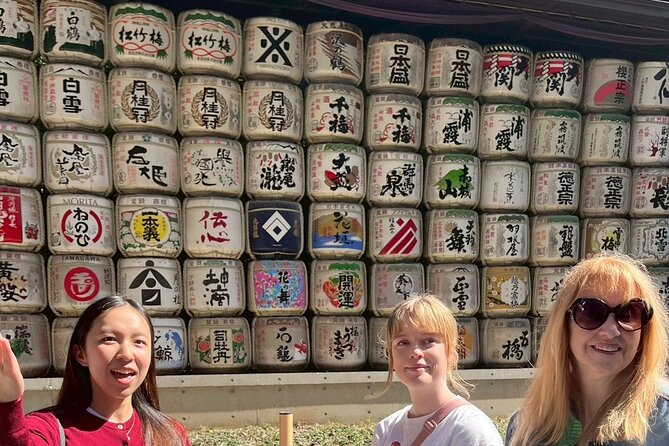
- Shinto first, sightseeing second, so the grounds make sense as you walk
- English explanations by Japanese student historians (Noriko and Shota are examples)
- 1.5 hours at Meiji Jingu, plus time for context and Q&A
- Admission is included for the shrine portion, so you do not play ticket-chasing games
- Calm small-group/private feel, which makes questions easy
- Rituals, architecture, and sacred space get explained, not just pointed at
Why Meiji Jingu makes more sense with Shinto explained
Tokyo has plenty of beautiful sights, but Meiji Jingu hits different because it feels like nature and belief share the same space. The walk starts by setting you up to notice what most people miss. You learn the basic Shinto ideas—kami, nature, and ancestors—so the shrine stops being a pretty background and becomes a living set of meanings.
What I appreciate is that the tour frames Shinto as part of everyday Japanese values, not just something labeled religion and left on a temple brochure. You also get context for Meiji Jingu itself: why it was built and what it enshrines. That matters, because once you know what the shrine honors, the scale and the calm become easier to read.
And yes, the grounds are gorgeous in an unshowy way. Expect green paths, a serene feel, and moments that make you slow down without being told to slow down.
You can also read our reviews of more walking tours in Tokyo



Getting to the Harajuku meeting point (and keeping the plan simple)
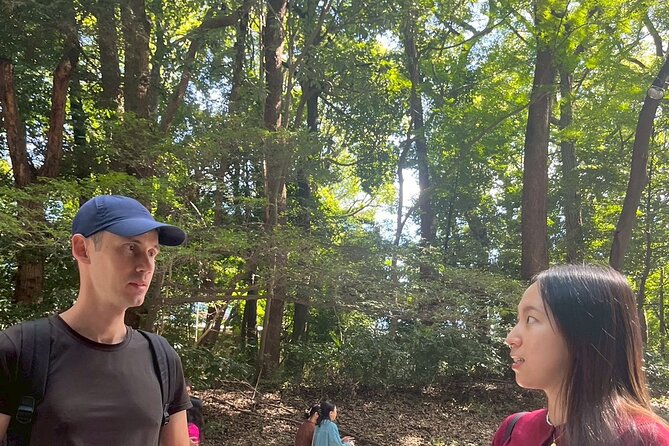
Meet at WITH HARAJUKU, 1-chōme-14-30 Jingūmae, Shibuya, Tokyo 150-0001. The tour ends back at the meeting point, so you are not stranded mid-day with a half-structured return plan.
The tour runs about 2 hours total, with roughly 1 hour 30 minutes spent exploring the shrine area. That timing works well for a first visit because you get the key experience without burning half a day. You will also be near public transportation, so you can pair it with other Harajuku or Meiji-era stops afterward.
One small practical point: since you are walking, give yourself a little buffer before and after. Meiji Jingu rewards an unhurried pace. This tour is built for that pace.
The Shinto basics you learn before you enter Meiji Jingu
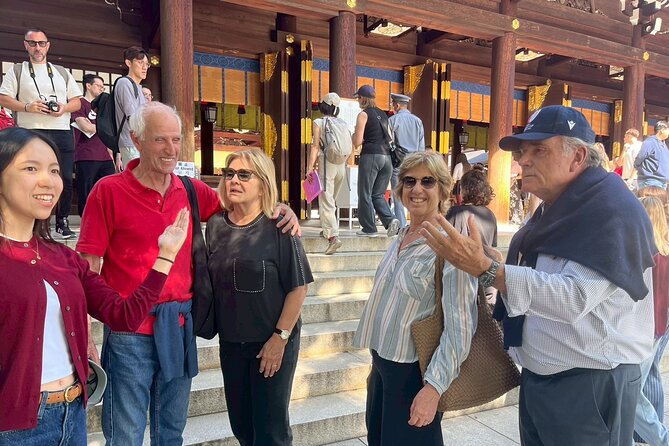
A lot of shrine visits start with rules: be quiet, bow, do not do this. This one starts with understanding. Your guide explains what a Shinto shrine is and what it does in Japanese cultural life. You learn the logic behind sacred spaces—what makes an area sacred, and why certain gestures and objects matter.
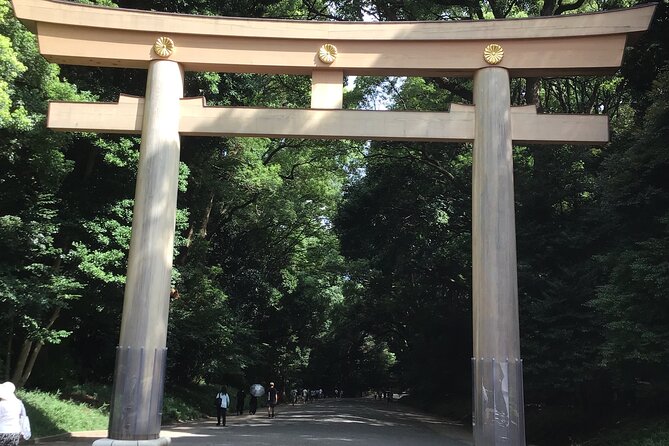
Here is the benefit for you: once you understand the building blocks, you stop treating everything like random tradition. The torii gate, the layout, the way you move through space—those details start to tell a story.
You also get a clearer sense of why Meiji Jingu is one of the most important spiritual sites in Tokyo. That importance is not just spiritual. It is historical and cultural too, tied to how Japanese identity has been shaped over time.
The guide is also happy to answer questions, which is a real plus if you are the type who wonders what you are looking at while everyone else just scrolls photos. If you ask good questions, you get good answers in plain English.
Stop 1: Walking the Meiji Jingu grounds like the story matters
Your main stop is Meiji Jingu Shrine. You stroll through the serene grounds and learn how Shinto ideas show up in real places—rituals, architecture, and the meaning of sacred spaces.
The atmosphere does the work
The shrine experience feels calm for a reason. A walk through the grounds is not about speed. It is about the transition—from city noise into a space built for attention. Several guides use this moment to connect what you are feeling to what people historically believed and practiced.






What you focus on besides photos
This tour intentionally avoids turning the visit into a photo sprint. Instead, you get guided attention on the parts that help you understand the shrine’s function and symbolism. You also learn why the shrine was built, and you hear how Emperor Meiji fits into the story.
Architecture and rituals explained (so you know what to look for)
The guide helps you read the space. That means you understand why certain elements are placed where they are, and what rituals are trying to accomplish. You are not just told what something is called—you are told what it means and how it fits into Shinto thinking.
Museum exhibits that add depth
One bonus you might not expect from a walking tour: the experience can include time for museum exhibits connected to the shrine complex. That added context helps you connect what you see outdoors with the historical framing behind it.
If you like cultural interpretation and want more than a scenic stroll, this is where the tour earns its value. You leave with a better mental map of what Meiji Jingu is and why people still care.
Why Meiji Jingu is still relevant to everyday Japanese life
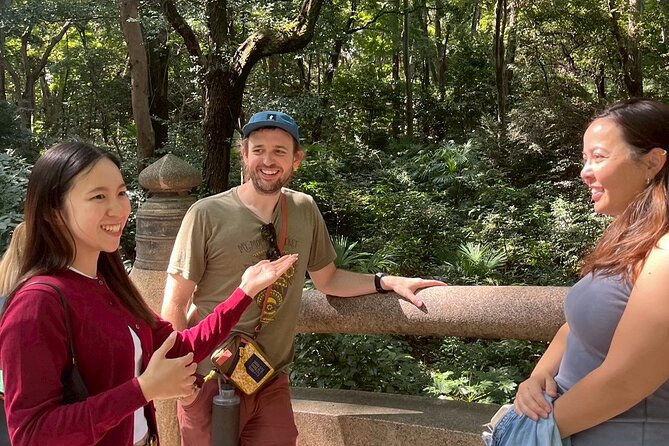
The tour’s best move is that it does not treat Shinto like an artifact. It explains how Shinto shapes everyday Japanese values and how the shrine remains meaningful today.
That is the difference between visiting as a tourist and visiting with understanding. Instead of only thinking, This is old, you start thinking, This is still in people’s heads and habits.
The guide connects the spiritual concepts to cultural behavior—how people relate to nature, continuity, and the presence of ancestors. You also learn the idea of kami in practical terms, which helps you see why certain sacred spaces keep drawing attention.
And because the tour encourages questions, you can bring your own curiosities. You might come in wondering why people act the way they do at shrines. You might leave with a clearer framework for interpreting those actions without forcing them into Western categories.
Guide style: clear English, student energy, and real questions
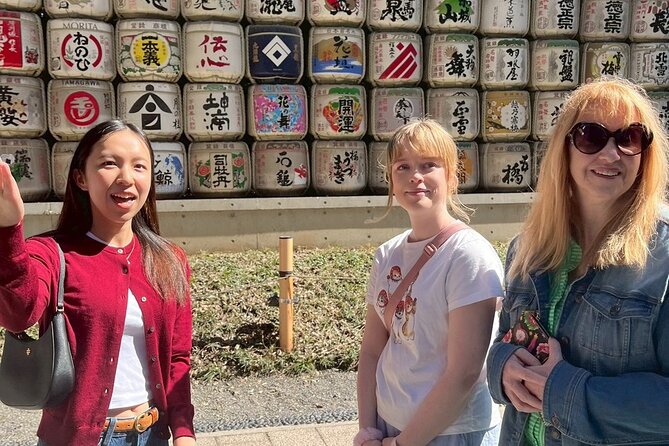
This is guided by Japanese student historians, and the tone matches the mission: clear, thoughtful, and approachable. Guides like Noriko and Shota (names shared during the experience) are described as attentive and friendly, with English that keeps the story moving.
The student-historian angle can feel fresh. You are not getting a rehearsed script for strangers. You are getting a teaching session from someone still close to the learning process, which often means they explain with extra care.
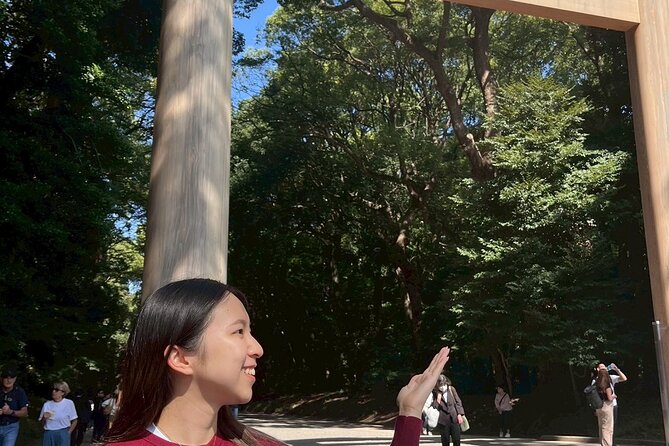
Also, the group stays small and calm. The tour is set up so it can feel relaxed and personal, which matters a lot for this type of cultural content. When you can ask questions, you get more out of the same time.
Price and value: $19.55 for meaning, not just access
At $19.55 per person for about 2 hours, this tour is priced in the range where it is easy to justify as a cultural add-on. But the value is not only the cost. It is what you are buying: interpretation.
You get:
- a guided explanation of Shinto ideas (kami, nature, ancestors)
- context for why Meiji Jingu was built and what it enshrines
- help reading rituals, architecture, and sacred spaces
- an explanation style that stays in English and supports questions
If you have ever visited a shrine and felt like you were guessing, you will understand the value here. A lot of shrine tickets are just admission. This one adds human context, so your time connects to understanding instead of disappearing into guesswork.
You also get a mobile ticket, and the shrine admission portion is included. That removes small friction that can otherwise eat into the experience.
Who should book this tour (and who might skip it)
I think this tour is a great match if you:
- are visiting Tokyo for the first time and want one meaningful cultural stop
- like history and cultural identity more than you like rushing between landmarks
- want Shinto explained in clear English with time for questions
- prefer a calmer experience that does not feel like a stampede
You might skip it if you:
- only want quick visual sightseeing and do not care about rituals and meaning
- are hoping for a super-structured itinerary with lots of separate ticketed locations
- dislike walking in serene spaces where the pace stays unhurried
Should you book the Meiji Jingu Cultural Walking Tour?
If you want your Meiji Jingu visit to feel like it makes sense, I would book it. The tour’s strength is the way it translates Shinto and shrine symbolism into something you can actually use while you walk the grounds. For the price, you get more than admission. You get a framework for understanding why people still treat this place as spiritually important.
It is also a smart choice when you only have a couple hours to spare. You get a concentrated experience that still leaves you feeling calm and oriented, ready to explore more of Tokyo afterward.
If Meiji Jingu is on your list and you want more than pretty scenery, this is one of those tours that changes the visit, not just the photos.
FAQ
How long is the Meiji Jingu Cultural Walking Tour?
The tour lasts about 2 hours. The main shrine exploration is about 1 hour 30 minutes.
What does the tour cost?
It costs $19.55 per person.
Is admission included?
Yes. The admission ticket for the shrine portion is included.
Where does the tour start and end?
The meeting point is WITH HARAJUKU, 1-chōme-14-30 Jingūmae, Shibuya, Tokyo 150-0001, Japan. The tour ends back at the meeting point.
Is this tour private or small group?
It is private in the sense that only your group will participate.
Can I cancel for a full refund?
Yes. You can cancel up to 24 hours in advance for a full refund. If you cancel less than 24 hours before the start time, the amount paid is not refunded.