REVIEW · TOKYO
Japanese Traditional Breakfast and Tea Ceremony
Book on Viator →Operated by True Japan Tour · Bookable on Viator
Zen breakfast, matcha, and calm in one hour. I especially love the matcha tea rituals you can recreate at home, and the Zen-focused tea ceremony plus short meditation that makes the whole morning feel grounded. One thing to consider: this runs from a specific building address, and it can take a minute to find the exact spot if you are not using maps carefully.
I also like the way the experience stays relaxed for a small group (up to 28). A bilingual licensed tea master leads the ceremony in English, and you get hands-on time making your own tea, not just watching.
In This Review
- Key things I’d circle before booking
- A Zen breakfast that feels like a morning ritual, not a show
- What happens during the breakfast and tea ceremony
- Light Japanese breakfast first
- A short meditation to set the pace
- The guided tea ceremony with a tea master
- Matcha rituals you can actually repeat at home
- The Zen hanging scroll and what it adds to the ceremony
- Breakfast details: onigiri-style rice balls, sweets, and comfort flavors
- Meeting the tea master: the human part of the experience
- Price and value in Tokyo for a 90-minute cultural lesson
- Logistics that matter: where to go and how to plan your morning
- Who this tea ceremony breakfast is best for
- Should you book the Japanese traditional breakfast and tea ceremony?
- FAQ
- What time does the Japanese traditional breakfast and tea ceremony start?
- Where does the experience take place?
- What is included in the price?
- Do I get to make tea myself?
- Is pick-up or drop-off provided?
- Is there a cancellation policy?
Key things I’d circle before booking
- Tea master-led guidance in English so you actually understand what you are doing, not just copying gestures.
- You perform a second tea ceremony yourself, with instruction, so you leave with real practice.
- Zen commentary tied to a hanging scroll, plus a short meditation to set the tone.
- Breakfast that skips the typical hotel vibe, including light bites like rice balls (onigiri-style) and sweets.
- Small group format (max 28) that keeps questions from getting lost.
A Zen breakfast that feels like a morning ritual, not a show
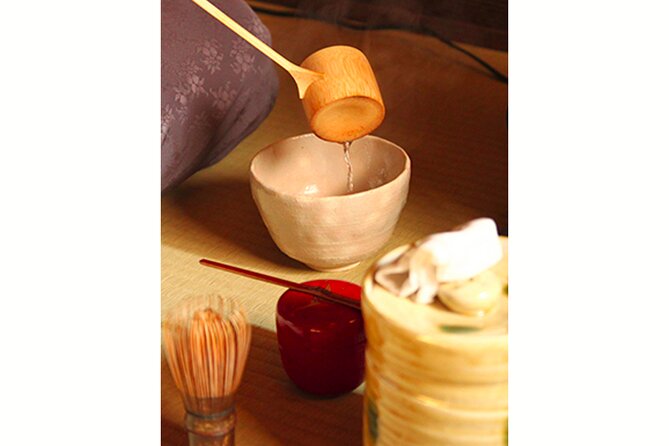
This is the kind of Tokyo experience that changes how you think about breakfast. Instead of treating food and tea as side dishes, it brings them into the same calm sequence: eat lightly, slow down, then learn how matcha fits into a Zen mindset. If you like experiences you can repeat later, this one is built for you.
The structure also helps. The ceremony is timed tightly (about 1 hour 30 minutes), but it still includes the pieces that make it meaningful: tea preparation, a Zen explanation, and a short meditation. That mix is what makes the experience memorable.
And yes, the matcha matters. You are not just drinking tea; you learn the ritual around it, including how the host prepares it with high-quality matcha and how to handle the utensils.
You can also read our reviews of more tours and experiences in Tokyo.



What happens during the breakfast and tea ceremony
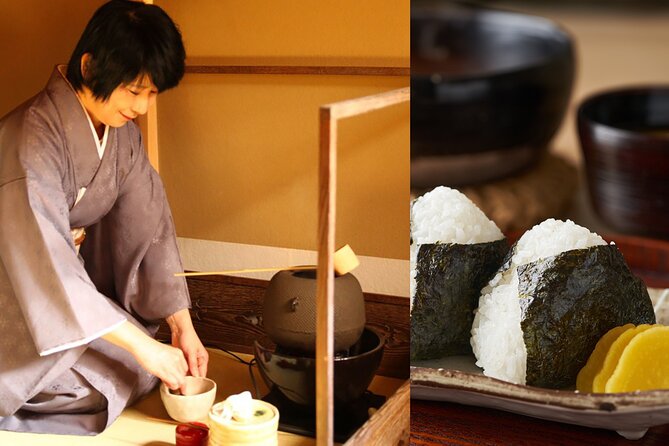
Think of the experience as two connected acts: a light Japanese breakfast, then a guided tea ceremony that ends with you making your own tea.
Light Japanese breakfast first
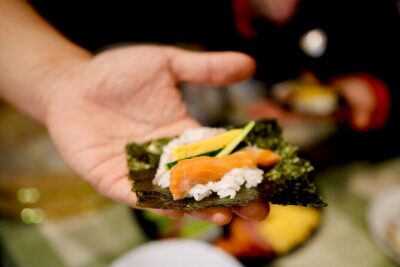
You start with a light breakfast plus traditional Japanese sweets. From the experience details, you are served rice balls (onigiri-style) along with other local flavors. There is also an explicit focus on sweetness, so you can expect traditional sweet confections as part of the morning.
Why I like this order: tea ceremony learning tends to land better when your body is not empty. You get fuel, you get a taste of everyday Japanese comfort food, and you can focus during the ceremony without rushing.
A short meditation to set the pace
After the breakfast portion, there is a short meditation period. This is not a long spiritual retreat. It is a quick reset—enough to change the mood from sightseeing energy to mindful attention.
This matters because matcha rituals are detail-driven. When you are calm and paying attention, you notice what you are doing: the movements, the bowl, the warmth, and the rhythm.
The guided tea ceremony with a tea master
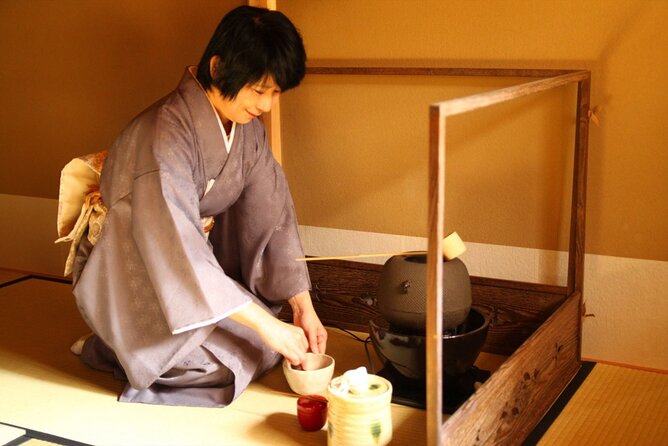
Next comes the tea ceremony performance led by a tea master with 5+ years of experience, presented in English through a bilingual licensed tea master. You also get hospitality and commentary from a nationally certified guide interpreter.
A few specific things are part of the learning, not just the performance:
- The tea utensils and how they are used
- The ceremony itself, explained step by step in English
- The Zen practices behind the ritual
- A hanging scroll that expresses the spirit of Zen
- Time to ask questions as you go
This is one of the most praised parts of the experience because it stays both informative and fun. If you usually find formal demonstrations stiff, this approach tends to feel more like a relaxed lesson.






Matcha rituals you can actually repeat at home
Plenty of tea experiences leave you with vague memories: nice tea, nice setting, photo opportunities. This one is different because it is built around doing.
You learn matcha rituals with instruction, including the host preparing matcha and then later you getting your turn. In the included items, you are guaranteed a second tea ceremony performed by yourself, with instruction. That is the difference between passive watching and real skill-building.
Here is what that means for you in practical terms:
- You understand the flow of the ceremony instead of just tasting matcha.
- You learn how to handle the utensils in the context of the ritual.
- You can recreate the experience at home, with less guesswork.
Also, the host uses the highest quality matcha mentioned in the experience details. That makes learning easier because the tea itself is part of the lesson. You can taste the result of good technique, not just imitate steps blindly.
The Zen hanging scroll and what it adds to the ceremony
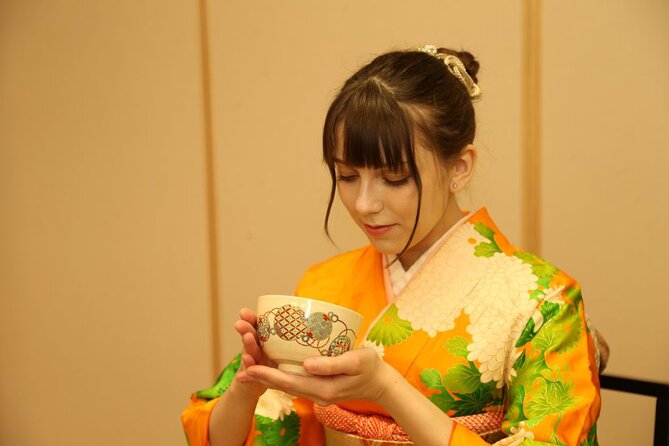
A hanging scroll might sound like decoration, but here it is part of the explanation. The host explains the hanging scroll that expresses the spirit of Zen, and you connect that symbolism to the way the tea ceremony is performed.
This matters because it gives you a lens. Without context, tea ceremonies can feel like a set of rules. With the Zen framing, it starts to feel like a way to slow down and be precise on purpose.
The short meditation period ties into this too. You are not only learning words; you are experiencing a calm moment, then learning how the ceremony reflects that mindset.
If you like cultural context you can carry beyond the activity, this is a strong reason to book.
Breakfast details: onigiri-style rice balls, sweets, and comfort flavors
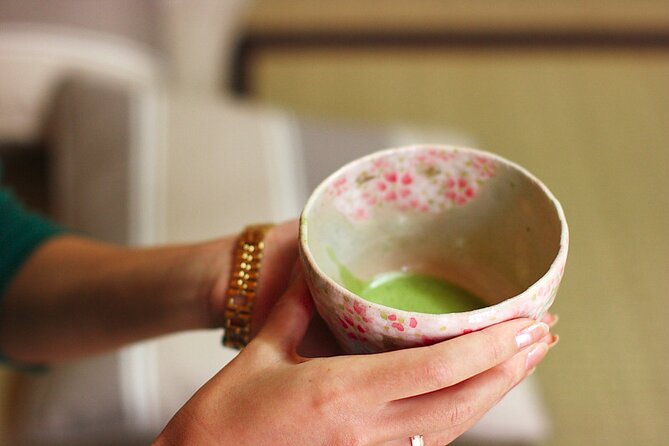
The breakfast is light, but it is not empty. You get rice balls and other local flavors, plus traditional Japanese sweet confections. In other words, it is a breakfast designed to pair well with matcha.
One subtle thing I appreciate: it avoids the typical hotel breakfast feeling. In a city full of great food, it is easy to assume any breakfast will do. This experience instead focuses on breakfast as a cultural practice, with tastes that fit the calm tea environment.
And because it is light, it also works for people who do not usually eat a lot in the morning. You are not stuck with a heavy meal that fights against mindful focus.
Meeting the tea master: the human part of the experience
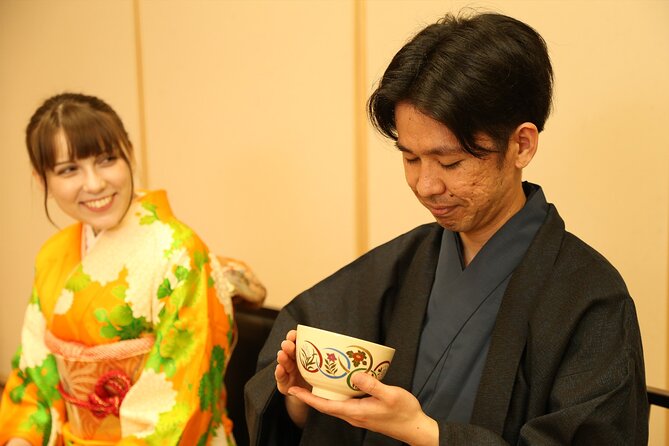
This is led by a tea master and supported by English-language interpretation through a bilingual licensed tea master and a nationally certified guide interpreter. That setup matters because tea ceremony language can be technical: utensil names, ritual steps, and the meaning of practices.
In a small group atmosphere, you are more likely to get questions answered clearly. The experience also caps at 28 travelers, which helps keep the tone personal rather than crowded.
One more practical point: the experience is described as a family-style activity in one of the higher ratings, which is a good sign that the hosts keep the environment welcoming. If you like respectful, friendly instruction, this style tends to fit.
Price and value in Tokyo for a 90-minute cultural lesson
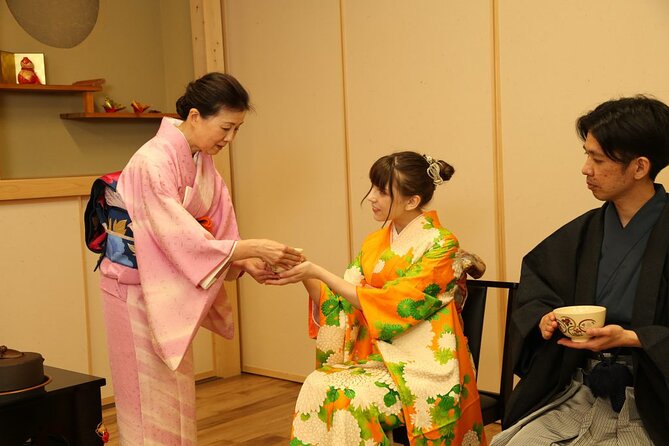
At $60.81 per person for about 1 hour 30 minutes, you should judge this based on what is included, not just the time.
What you are paying for:
- Instruction from a tea master with 5+ years experience
- A full ceremony performance
- Your own second tea ceremony with instruction
- Authentic matcha green tea
- English explanations of Zen practices, utensils, and the hanging scroll
- Traditional Japanese sweets and a light breakfast
In Tokyo, you can spend money on dinner experiences, craft classes, or museum tickets. This sits in a different category: a guided cultural ritual plus hands-on learning, with a real outcome (you learn how to make tea properly).
The price is easiest to justify if your goal is not just photos. If you want to understand the why behind the ritual and leave with a repeatable skill, the value is strong.
Logistics that matter: where to go and how to plan your morning
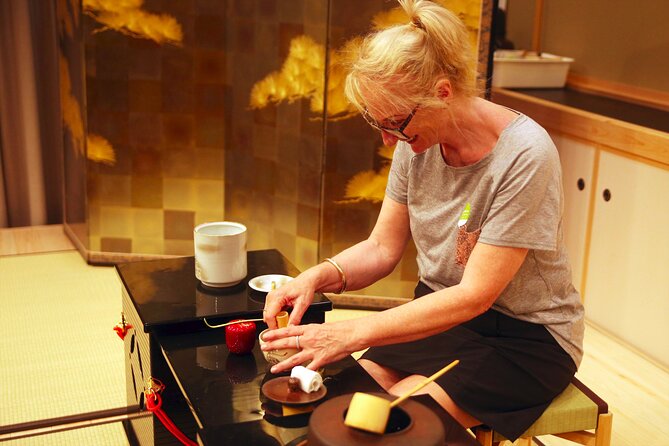
This activity starts at 9:00 am and ends back at the meeting point. It begins at Kikai Shinkō Kaikan, 3-chōme-5-8 Shibakōen, Minato City, Tokyo 105-0011, Japan.
A few practical notes that can save time:
- It is near public transportation, but you still need to get the exact building entry right.
- There is no pickup or drop-off included, so you will want to plan your own route.
- You will likely want to arrive a bit early so you are not rushing while locating the venue.
- It includes a light breakfast, but any extra food or drinks are not included.
One of the recurring themes in feedback is that the venue can be slightly tricky to find. If you hate last-minute searching in a big city, double-check the pin on your maps app the night before.
Who this tea ceremony breakfast is best for
I think this tour fits especially well if you:
- Want a traditional experience that is more than a restaurant meal
- Prefer hands-on learning rather than watching quietly
- Like calm, structured mornings over busy, high-velocity sightseeing
- Want a cultural explanation of Zen practices, not just a matcha tasting
It is also a solid choice for families, since the experience has been described as a beautiful family activity. If your group includes people who might not love long museum visits, a 90-minute cultural ritual can work nicely.
If you are a serious tea practitioner already, you might find it less deep than a full multi-session class. But for most visitors, it is a strong introduction with real participation.
Should you book the Japanese traditional breakfast and tea ceremony?
You should book if your goal is to leave with something practical: understanding the matcha ritual and being able to recreate it at home, not just drink tea in a nice setting. The combination of breakfast, sweets, Zen context (including the hanging scroll), and your own second ceremony with instruction is what makes this feel worth your time.
Skip it or reconsider if you need a very long, slow experience. The timing is about 1 hour 30 minutes, so you are learning quickly and moving on.
If you can handle finding a specific meeting address and you want a calm, meaningful morning in Tokyo, this is the kind of activity that pays you back every time you make matcha later.
FAQ
What time does the Japanese traditional breakfast and tea ceremony start?
It starts at 9:00 am and runs for about 1 hour 30 minutes. It ends back at the meeting point.
Where does the experience take place?
The meeting point is Kikai Shinkō Kaikan, 3-chōme-5-8 Shibakōen, Minato City, Tokyo 105-0011, Japan.
What is included in the price?
The price includes authentic matcha green tea, traditional Japanese sweet confections, breakfast, and a tea ceremony performance by a tea master. You also get an explanation of tea ceremony details, Zen practices, hanging scrolls, and tea utensils in English, plus a second tea ceremony performed by yourself with instruction.
Do I get to make tea myself?
Yes. You get the chance to make your own tea, including a second tea ceremony performed by yourself with instruction.
Is pick-up or drop-off provided?
No. Pick-up and drop-off services are not included, so you will need to get to the meeting point on your own.
Is there a cancellation policy?
Yes. You can cancel for free up to 24 hours in advance for a full refund. If it is canceled due to poor weather, you will be offered a different date or a full refund.