REVIEW · TOKYO
Tokyo in a Day : Private Tour to Shrine, Temples, Towers &Culture
Book on Viator →Operated by Travizta Tours · Bookable on Viator
Tokyo can feel like a puzzle you never finish. This private day plan helps you hit classic temples and modern icons without spending your whole trip guessing routes. I really like the hotel pickup and drop-off, plus the way your guide brings the stops to life with clear context as you move. One thing to plan for: you’ll have extra costs for Tokyo Skytree and possibly Shinjuku Gyoen, and lunch isn’t included.
If you want a day that feels organized but not rushed, this setup is built for that. You’ll ride in an air-conditioned vehicle, meet your guide at your hotel lobby or where you’re staying, and get around at an ease that public transit can’t always match. In at least one example from the guide team, Ishii-style service is all about picking up on time, explaining what you’re seeing, and keeping the flow comfortable. With only a handful of reviews overall, it’s smart to read the details before you book, especially if you’re sensitive to extra paid admissions.
In This Review
- Key highlights worth your attention
- A private Tokyo “greatest hits” day, done with less stress
- Price and what you’re really paying for
- Meeting your guide and riding in comfort
- Asakusa at Senso-ji: the temple stop that sets the tone
- From Asakusa to Tokyo Skytree: choose how high you want to go
- Imperial Palace front garden walk: calm formality near the center
- Akihabara Electric Town: gadgets, anime, and shopping energy
- Meiji Jingu Shrine in Shibuya: a quiet reset
- Shibuya Crossing: the movie-famous intersection moment
- Shinjuku Gyoen National Garden: go if you want space and seasonal beauty
- How well this tour fits your travel style
- Should you book this Tokyo in a Day private tour?
- FAQ
- What is the group size for this private Tokyo tour?
- Does the tour include hotel pickup and drop-off?
- Which stops have extra admission fees?
- Is lunch included?
- Can I cancel for a full refund?
- Are service animals allowed?
Key highlights worth your attention
- Hotel lobby pickup and drop-off in a private vehicle, so you don’t waste Tokyo time figuring transit.
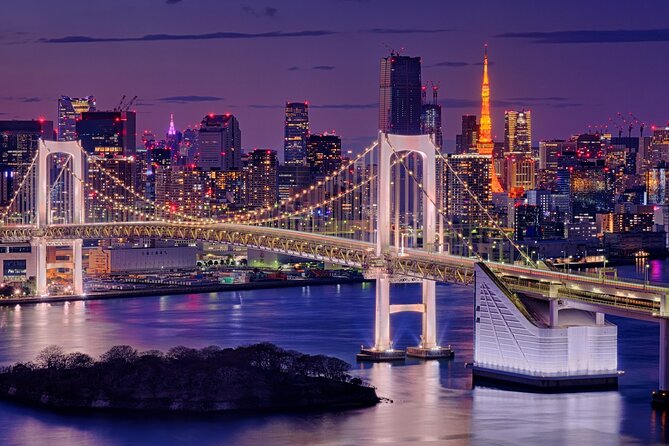
- A balanced mix of old-school Tokyo (Senso-ji, Meiji Jingu) and modern landmarks (Skytree, Shibuya Crossing).
- Free entry for several major stops, which helps offset the paid admissions.
- Guide-led pacing designed to keep your day smooth across different neighborhoods.
- Customization is allowed, so you can swap in what matters most to your group.
A private Tokyo “greatest hits” day, done with less stress
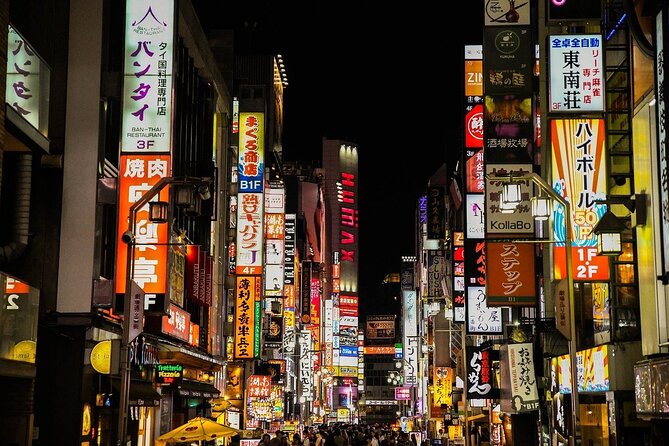
Tokyo is huge, and a day can evaporate fast if you’re hopping trains like a video game. This tour’s real value is that it trades uncertainty for momentum. You get a structured path across neighborhoods while keeping the freedom that comes with a private group of up to five.
What I like most is that the day doesn’t only chase one theme. You start with the old, transition to the imperial and formal, then pivot to pop culture and shrine calm. That mix matters because Tokyo rewards pattern-spotting: you notice the contrast between street-level traditions and the city’s futuristic scale when you see both in one day.
Time is the other big ingredient. At roughly 10 hours, you’re not trying to conquer every site in Tokyo. Instead, you’re choosing landmarks that make sense together, so your photos, your memories, and your food stops (if you add them on your own) feel connected rather than random.
You can also read our reviews of more private tours in Tokyo


Price and what you’re really paying for
The price is $525 per group (up to five). That’s not cheap on a per-person basis—unless you travel with a couple of people and split the cost. If you fill the group, you’re paying less per head for a private guide, vehicle, and hotel transfers than you would for a solo private day.
Here’s the part to take seriously: not everything is included. Stops like Senso-ji Temple, Imperial Palace front gardens, Akihabara, Meiji Jingu Shrine, and Shibuya Crossing are listed as free. But two attractions come with extra admission:
- Tokyo Skytree (adult fee 1,800¥, not included)
- Shinjuku Gyoen National Garden (adult fee 500¥, not included; visit is only if time permits)
So for value, think of the $525 as paying for guide time, logistics, and transportation. The “ticket add-ons” are then what you choose based on your interests and season.
Also keep in mind that mobile tickets are part of the package. That helps you avoid last-minute paper chaos and makes it easier to keep the day flowing.
Meeting your guide and riding in comfort
This tour starts in Tokyo with your guide contacting you and meeting you at your hotel lobby or your place of staying. That detail sounds basic, but in Tokyo it’s everything. Less walking to a meeting point means more time for the actual sights.
You’ll travel in a private, air-conditioned vehicle. That’s a practical win when you’re moving between areas like Asakusa, Skytree-adjacent areas, Chiyoda, Shibuya, and Shinjuku. Tokyo traffic can be unpredictable, and the comfort factor matters over a 10-hour day.
Your guide is English speaking, and the pacing is built around guided visits rather than you trying to translate and self-navigate at every step. This is especially useful for the shrine and temple stops, where small details can make a big difference to your understanding.
Finally, the tour is stated to be fully customizable. If you have a priority—anime shopping, garden time, or more shrine calm—ask early. With a day this long, small swaps can have an outsized effect on how happy you’ll feel at sunset.
Asakusa at Senso-ji: the temple stop that sets the tone
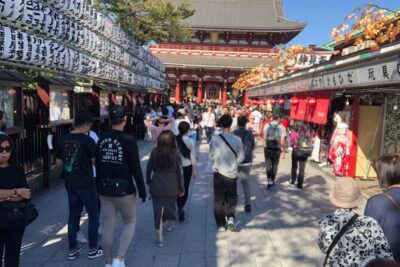
Your first real big stop is Senso-ji Temple, in Asakusa. It’s described as Tokyo’s oldest and one of its most significant Buddhist temples. That status isn’t just trivia. Being older usually means more layered traditions, and the crowds tend to cluster for a reason.
You’re scheduled for about 1 hour here, and because entry is free, you can focus on the experience rather than budgeting ticket time. In practice, that hour is enough to do the core temple approach at a relaxed pace—take in the atmosphere, notice the flow of people, and read the key elements you’re seeing.
A common mistake in Asakusa is treating it like a photo checklist. Instead, use that hour to get your bearings. Tokyo can feel overwhelming. Senso-ji gives you a grounding point: you learn what “old Tokyo” feels like before you jump into the city’s high-tech neighborhoods.
From Asakusa to Tokyo Skytree: choose how high you want to go
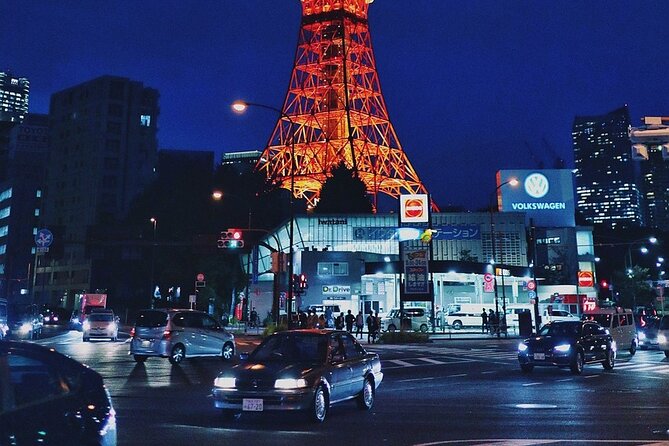
Next up is Tokyo Skytree, with about 1 hour planned. Skytree is described as the most visited tourist destination, and Asakusa’s old downtown atmosphere is mentioned as part of why the area draws people year-round.
The key detail is cost: Skytree admission is not included, and the adult fee is listed as 1,800¥. That means you should decide in advance how you want to spend that hour:
- If you want the full tower experience, budget for the paid entry.
- If you’re mainly after the skyline views from nearby areas, your time here may feel more flexible.
Even if you do pay, treat the tower as a viewpoint moment, not an all-day attraction. The tour’s structure is designed for a broader day—so Skytree works best as a highlight rather than the only focus.
One more practical point: this stop pairs naturally with Asakusa because you’re transitioning from history into modern scale. The contrast makes the photos more interesting than if you only did “old” or only did “new.”






Imperial Palace front garden walk: calm formality near the center
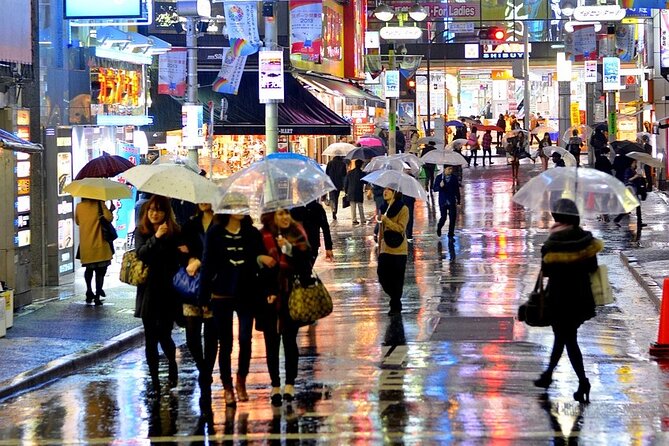
Then you move to the Imperial Palace area. You get around 30 minutes, and entry to the front side garden is listed as free.
This is one of those stops that can be misunderstood if you approach it like another theme park attraction. The appeal is the sense of ceremony and space. Even with limited time, that short walk gives you a different tempo than temples or street intersections.
If you’re interested in how Japan’s leadership and traditions shape the city layout, this is a quick way to understand the geography of Tokyo’s core. The description notes it’s a large park-like area in the Chiyoda district, so think of it more as a break than a must-see building interior.
It’s also a smart timing choice. A 30-minute stop here can reset your energy before you go into the electronics and pop-culture energy of Akihabara, which is next.
Akihabara Electric Town: gadgets, anime, and shopping energy
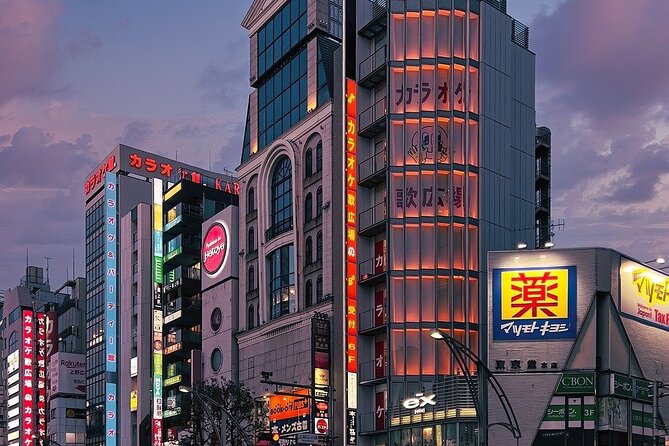
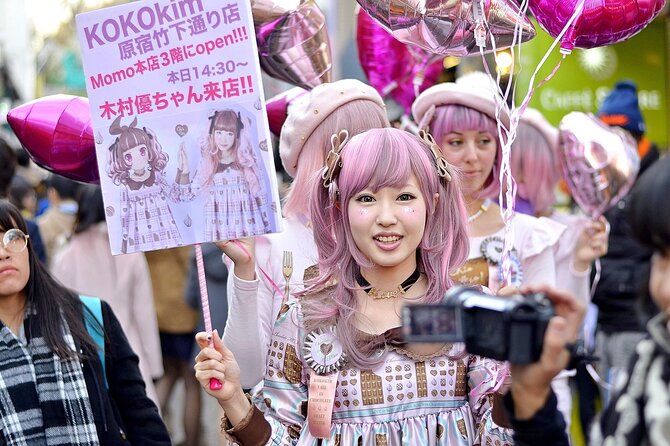
You’re set for about 1 hour in Akihabara Electric Town, described as Japan’s electronic and anime mecca. This is the stop for people who want to see how Tokyo’s otaku culture plays out in real stores—gaming centers, themed cafes, colorful signage, and endless gadget browsing.
The good news: Akihabara is free for the stop itself, so the main expense is what you choose to buy. If your group includes someone who loves tech or anime, this is often where the day becomes personal.
Practical tip: in a district like this, 60 minutes disappears fast if you try to see every shop. Instead, pick one or two “shopping targets” (a type of electronics, a specific anime category, or a souvenir list) and go deep for a bit. That’s how you end up with memories instead of just photos of bright storefronts.
Also, Akihabara is a neighborhood where people-watchers have fun. It’s not only about what you buy. It’s about seeing how fandom and consumer culture overlap in Japan.
Meiji Jingu Shrine in Shibuya: a quiet reset
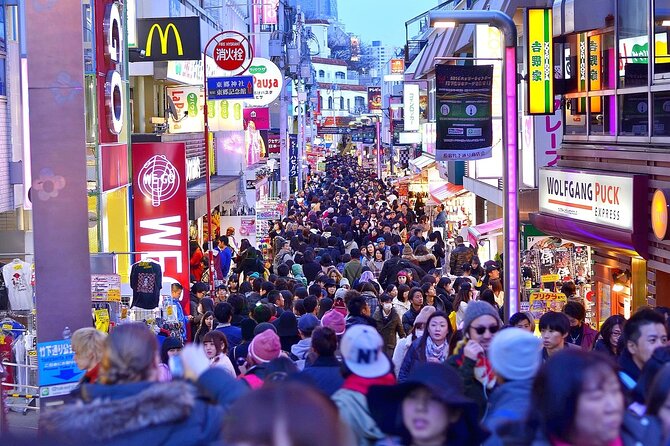
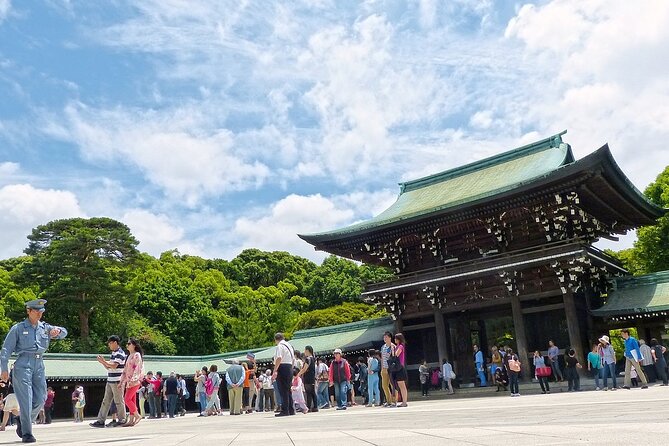
After the electronics and anime energy, the tour shifts to Meiji Jingu Shrine, located in Shibuya. It’s dedicated to the deified spirits of Emperor Meiji and his wife, Empress Shōken. And it’s specifically noted that the shrine does not contain the emperor’s grave.
You’re given about 1 hour here, and entry is listed as free. This hour is best treated as a reset. Shrines are where Tokyo slows down—at least compared to street life outside.
The value of Meiji Jingu on this kind of day plan is that it balances the fast-moving “tour mode” you’ve been in. You get greenery, ritual spaces, and a pause that makes the later city scenes feel different when you return to the streets.
If you’re the kind of traveler who likes to understand what you’re seeing, this is a strong place for your guide to explain the meaning behind the structures and customs. Even with only an hour, the context can turn a walk into something memorable.
Shibuya Crossing: the movie-famous intersection moment
Next is Shibuya Crossing, with about 30 minutes planned. It’s famous because it shows up in films and music videos, and it’s described as a representation of modern Japan.
This is one of those places you either love immediately or you treat as a quick photo stop. The difference is expectation. Shibuya Crossing isn’t a museum. It’s a real intersection where the city’s energy is constant.
Your time window is short, which makes sense. You get the “I was here” moment without dragging the whole day into crowd management. The best move is to find a viewpoint, watch how people flow, and take note of the details around the crossing—billboards, signage, and the constant movement.
Then you’re set up for the final bigger neighborhood play: Shinjuku.
Shinjuku Gyoen National Garden: go if you want space and seasonal beauty
The itinerary notes Shinjuku Gyoen National Garden if time permits, with about 1 hour planned. Entry is listed as not included, with a fee of 500 Yen. It also highlights it as the best place to see cherry blossoms during cherry blossom season.
This stop can be the difference between a Tokyo day that feels only urban and one that includes breathing room. Gardens are also where photography becomes calmer. Instead of crowds and signs, you start noticing shapes, pathways, and open areas.
The downside is obvious: it depends on timing. If you’re visiting in a busy season or your group wants extra time at earlier stops, there’s a chance you might not make it here.
If cherry blossoms are a priority, plan to treat this stop as high-value. If your trip is outside peak blossom season, you may still enjoy the garden atmosphere, but it might feel less urgent.
How well this tour fits your travel style
This experience is a strong match if:
- You want a private day with English speaking guidance.
- You’d rather spend money on logistics (guide + vehicle + pickup) than on constant transit planning.
- You like a mixed day: temples and shrines plus modern Tokyo landmarks and pop-culture stops.
It’s also a good fit for first-time Tokyo visitors because the core landmarks are spread out in a way that helps you understand the city’s neighborhoods quickly. The itinerary gives you a taste of major districts without requiring you to stitch together multiple transit routes yourself.
It may be less ideal if:
- You already know Tokyo well and would prefer to roam freely with no structured path.
- You hate paying extra for major attractions, since Skytree and Shinjuku Gyoen have listed admission fees.
- Your group insists on a long lunch sit-down, since lunch isn’t included and the stops are time-boxed.
For best results, think like a planner. Decide whether Skytree and Shinjuku Gyoen are must-dos for you. Then let the rest of the day be the fun part.
Should you book this Tokyo in a Day private tour?
I think this is a solid booking when you want Tokyo highlights in one calm, guided day. The hotel pickup/drop-off, the mix of old and new, and the chance to ask questions with an English speaking guide make it feel efficient without feeling like a conveyor belt.
Book it if your group includes someone who wants Skytree views, someone who wants shrine time, and someone who wants Akihabara shopping. That mix is exactly the point. And if you’re traveling with up to five people, the group price helps the value feel more reasonable.
Skip it (or ask for changes) if you’re trying to keep costs very low or if you strongly prefer independent wandering over a structured route. The paid admissions and the lunch gap are the two clear friction points.
If you’re booking ahead: the tour is stated as commonly reserved about 41 days in advance on average. I’d treat that as a hint to secure your spot early, especially if you’re visiting during cherry blossom season.
FAQ
What is the group size for this private Tokyo tour?
The tour is private, and the group size is up to 5 people.
Does the tour include hotel pickup and drop-off?
Yes. It includes private transportation with hotel pickup and drop-off.
Which stops have extra admission fees?
Tokyo Skytree has an adult fee listed as 1,800¥ and is not included. Shinjuku Gyoen National Garden has an adult fee listed as 500 Yen and is not included. The other listed stops are marked as admission free.
Is lunch included?
No. Lunch is not included.
Can I cancel for a full refund?
Yes. You can cancel up to 24 hours in advance for a full refund.
Are service animals allowed?
Yes. Service animals are allowed.