REVIEW · TOKYO
Tokyo full day Spanish speaking tour with hotel pick up and drop off.
Book on GetYourGuide →Operated by Enippon Co. Ltd. · Bookable on GetYourGuide
Tokyo in one day with a Spanish guide. This full-day private route strings together Sensō-ji, Akihabara, Harajuku’s Meiji Shrine, and Shinjuku’s pop-culture stops, so you experience Tokyo’s tradition and its tech-anime side in one smooth sweep.
I really like the way this tour gives you context, not just sightseeing. Two big wins for you: you’ll get a live Spanish-speaking guide all day, and the day’s highlights include hands-on temple moments like the Temizu purification ritual and the incense experience.
One consideration: it’s a long 8-hour day with multiple train rides plus walking. If your feet get tired fast, wear shoes made for standing and keep an eye on that lunch timing since lunch isn’t included.
In This Review
- Key points to know before you go
- A One-Day Tokyo Combo That Actually Makes Sense
- Sensō-ji in Asakusa: Temple Gates, Temizu, and Wish Coins
- Akihabara: Otaku Culture and Electronics Under a Guide’s Eye
- Harajuku and Meiji Shrine: Torii Gates, Sacred Atmosphere, Marriage-Prayer Lore
- Shinjuku: The 3D Screen, Kabukicho Arch, Godzilla, and Omoide Yokocho
- Getting Around: Why the Train Plan Helps You on Day One
- Price and Value: What $386 Per Group Really Buys You
- What to Bring for Comfort (and Small Extras)
- Who This Tour Fits Best
- Should You Book This Spanish Private Tokyo Day?
- FAQ
- How long is the tour?
- Is this tour private?
- What language is the guide?
- Where does the tour start and end?
- What parts of the day include guided time?
- Is lunch included?
- Are drinks and snacks included?
- Is there a transportation fee?
- What should I bring?
- Is there free cancellation?
Key points to know before you go
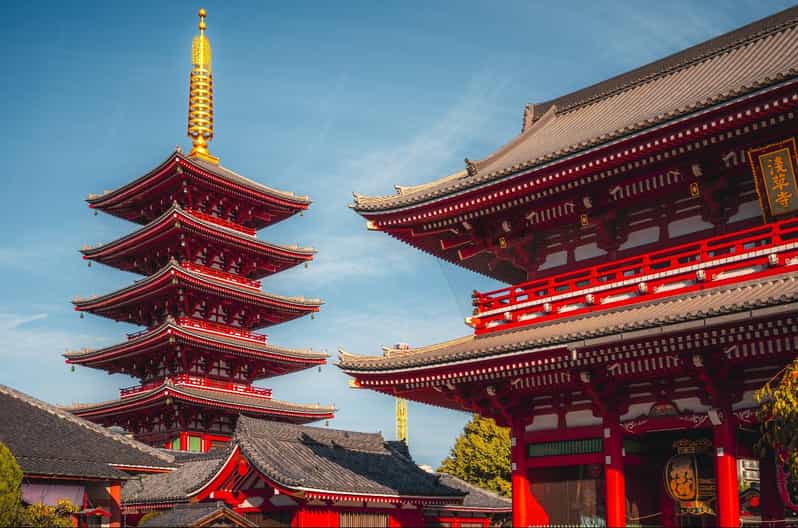
- Temizu + incense at Sensō-ji: a memorable ritual stop, not just photos.
- Akihabara focused visit: electronics, video games, manga, and anime through a guided lens.
- Meiji Shrine’s torii arrival: cypress-wood gates and the shift from everyday to sacred space.
- Shinjuku’s 3D screen and Calico cat: a very specific, very Tokyo photo moment.
- Godzilla and Kabukicho: Gracery Hotel vibes, plus the newer Kabukicho Tower.
- Hotel pickup and drop-off: easier for you if you want a low-stress day.
A One-Day Tokyo Combo That Actually Makes Sense
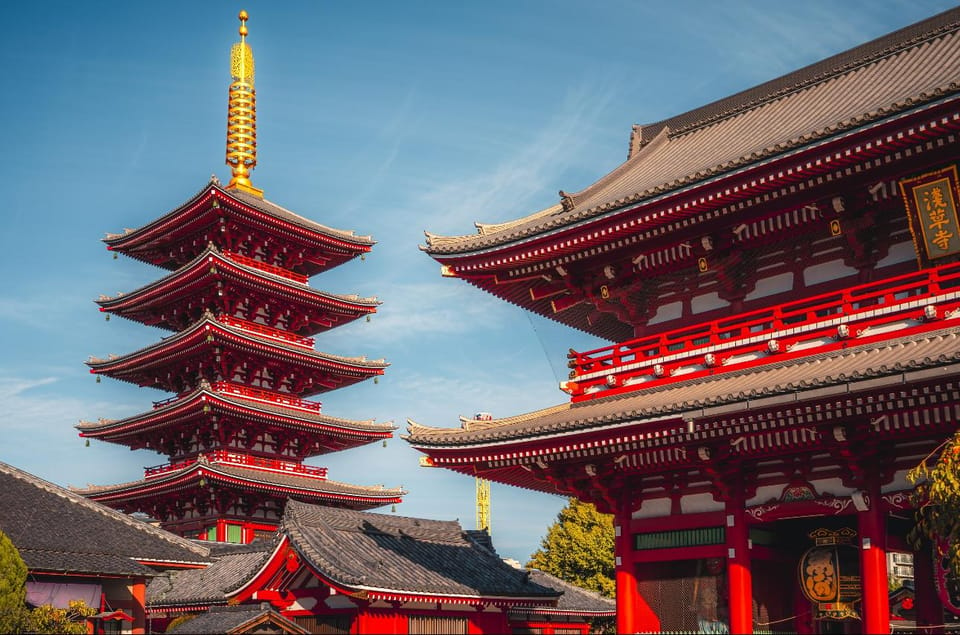
This isn’t a random collection of stops. The route is built around clear Tokyo contrasts: one of the city’s most important Buddhist temples, then the otaku-meets-electronics world of Akihabara, then a major Shinto shrine experience, and finally Shinjuku’s futuristic commercial edge with Godzilla-style whimsy.
For you, the real value is that you’re not doing the planning. Hotel pickup and drop-off help a lot, and the guide stays with you through the train connections and guided portions. Even with a packed schedule, having Spanish interpretation means you get answers in real time, instead of guessing your way through sacred spaces and street scenes.
It also helps that the pacing gives you built-in “anchors.” Each neighborhood has a strong identity, so the day doesn’t blur together.
You can also read our reviews of more tours and experiences in Tokyo

Sensō-ji in Asakusa: Temple Gates, Temizu, and Wish Coins
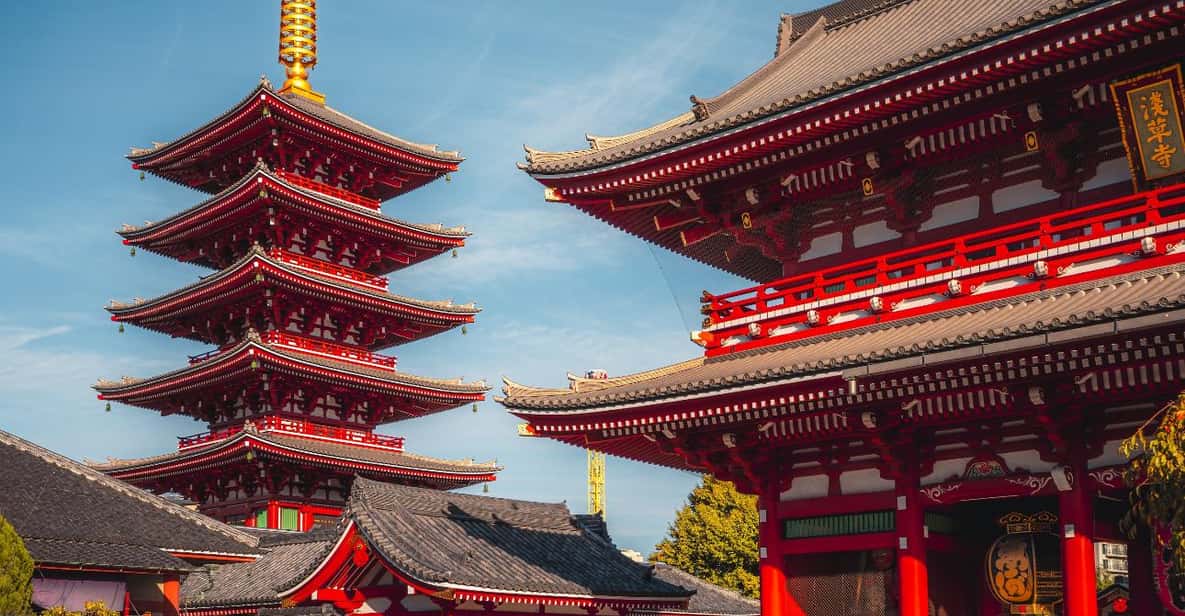
Asakusa is Tokyo’s older, more traditional side, and Sensō-ji is the star. The tour frames it as the busiest temple in the world, and it’s also the most visited Buddhist temple dedicated to the goddess Kannon. That matters because you’re not just looking at architecture—you’re stepping into a place that people treat as meaningful, everyday spirituality.
You’ll start with the classic arrival sequence: the Kaminarimon gate, then Nakamise (the shopping street), and then the Hōzōmon gate. This order is practical. Walking that corridor helps you orient quickly, and it naturally builds momentum: temple grandeur, lively street shopping energy, then the deeper approach into the sanctuary zone.
One of the strongest parts is what comes after you pass Hōzōmon. You’ll be guided to the omamori sales area, then you can take part in the Temizu ceremony. The tour includes the incense moment (osenko), and it also describes the experience of purifying yourself by bathing in smoke. That’s the kind of detail that makes a temple visit feel real, not staged.
Inside the altar area, you’ll see people throwing a coin to make a wish. This is a simple, human gesture. If you want to participate, I’d suggest you bring small change so you’re not scrambling on the spot.
A small drawback to keep in mind: these are active ritual zones. You’ll want to keep your pace steady, follow your guide’s timing, and be mindful with your camera. The goal is to enjoy it, not rush past it.
Akihabara: Otaku Culture and Electronics Under a Guide’s Eye
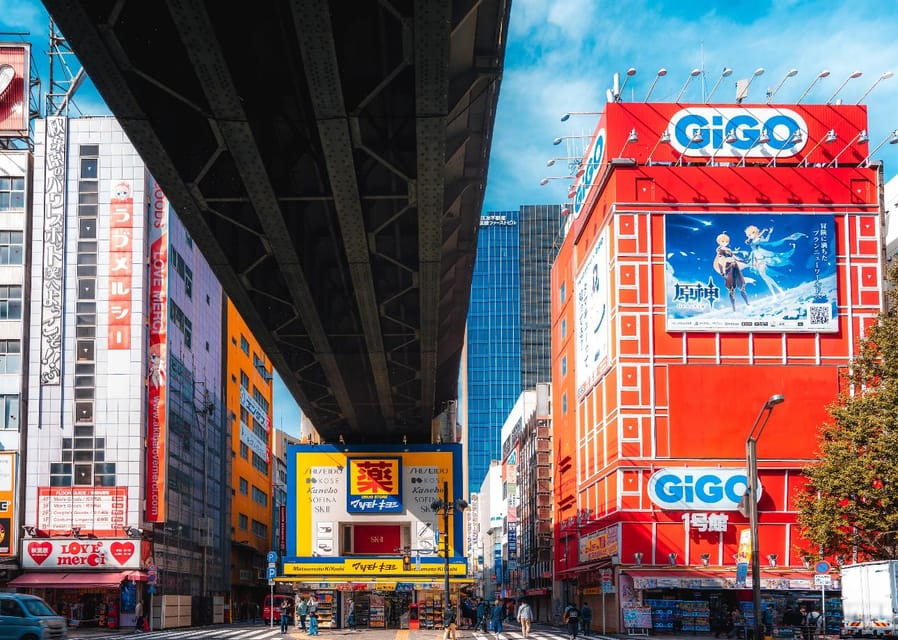
Akihabara is known as the center of otaku culture and electronics in Tokyo. For you, the big advantage of a guided visit here is that it turns a shopping district into a map of interests: video games, manga, anime, and the broader tech side that supports all of it.
The tour’s guided time in Akihabara is shorter than the temple segment, but it’s focused. You’re not trying to cover everything. Instead, you get enough structure to understand why this area became what it is.
Even if you’re not a hardcore collector, you’ll likely enjoy the variety of what’s around you. The best way to get value in Akihabara is to treat it like a living catalog: one street can shift from classic character culture to electronics-heavy storefronts. With a Spanish guide, you can ask what’s worth your time and what tends to be more tourist-y.
Lunch is scheduled right in Akihabara for about an hour, and it’s not included in the tour price. That’s useful for you because it lets you choose food based on your tastes—fast, sit-down, or something snack-style—without feeling rushed. Just budget your meal cost since it’s on you.
Harajuku and Meiji Shrine: Torii Gates, Sacred Atmosphere, Marriage-Prayer Lore
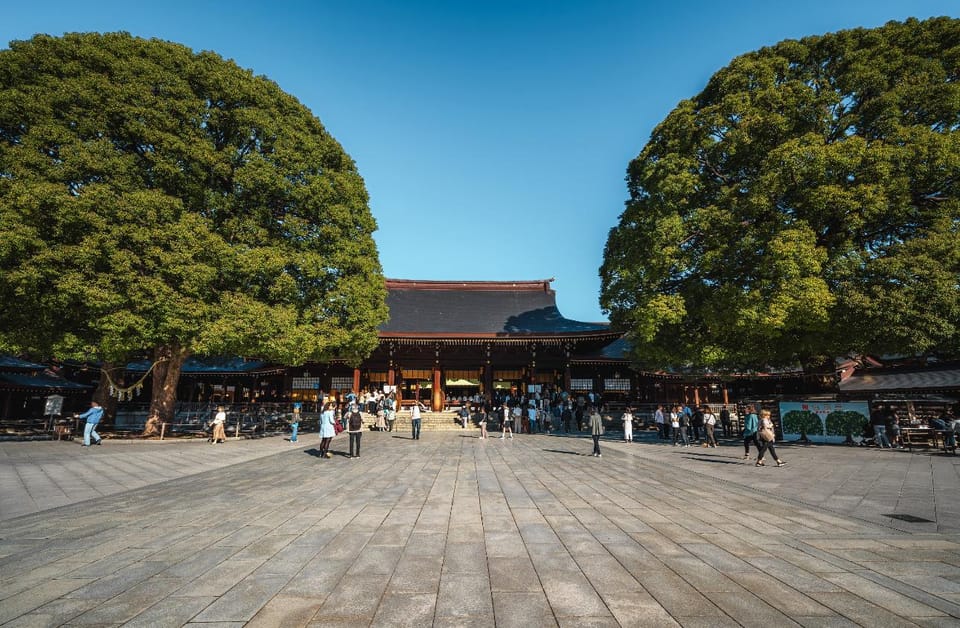
Harajuku here is really your doorway to Meiji Shrine, located in Yoyogi Park. The tour connects it to an important story point: Emperor Meiji and Empress Shōken had picnics there. That personal, human detail helps you see the shrine grounds as more than just a scenic stop.
You’ll also get a special kind of context about why people come. The tour notes it as a place where couples go to pray for a prosperous marriage. That’s not just folklore for decoration—it shapes the vibe you’ll feel when you walk through, even if you’re visiting solo.
When you approach the shrine, the entrance is marked by huge torii gates made of Japanese cypress wood. The tour explains the symbolism: the gates represent a transition from mundane to sacred space, preparing you to enter a spiritual area. That framing is helpful because it encourages you to slow down slightly at the threshold, instead of treating it like another viewpoint.
Practical tip: you’ll be walking on shrine grounds and through areas with foot traffic. Comfortable shoes matter even more here than in shopping neighborhoods.
Also, take a moment for quiet observation. This is the part of the day where your senses often reset after the louder streets earlier.
Shinjuku: The 3D Screen, Kabukicho Arch, Godzilla, and Omoide Yokocho
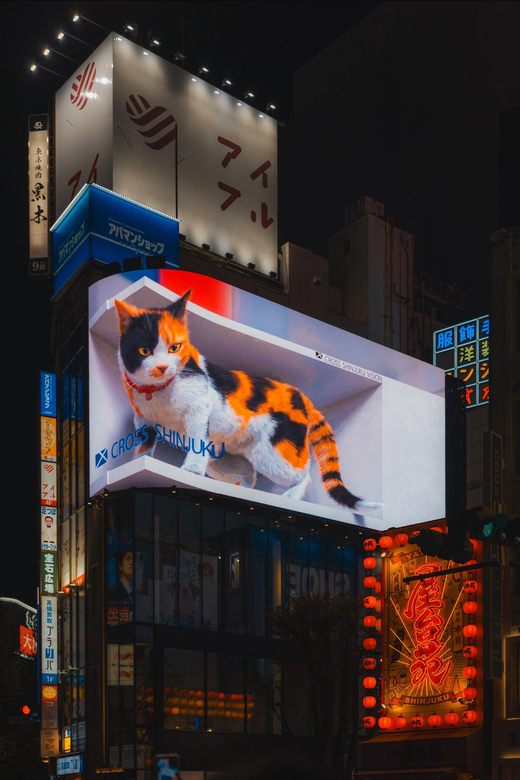
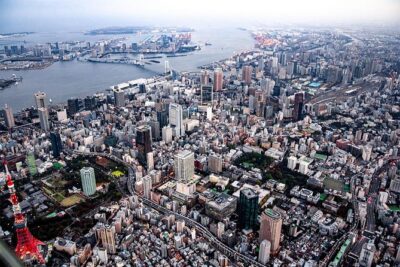
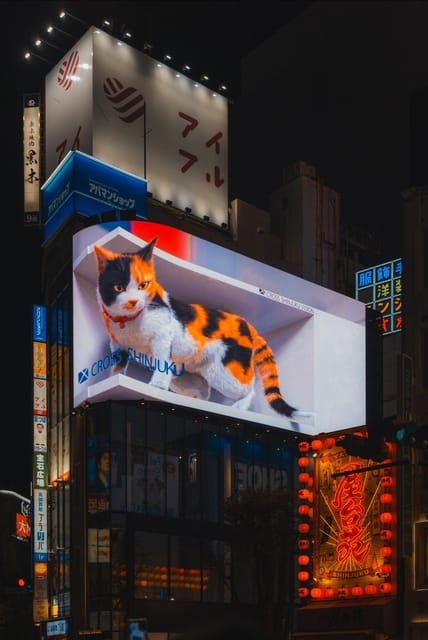
Shinjuku is where the tour flips into high-energy city theater. You’ll see the world’s first 3D screen, with the Calico cat appearing as Shinjuku’s famous mascot. That’s a very specific stop, and it’s exactly the kind of Tokyo detail that feels hard to recreate on your own unless you already know where to look.
Next comes Kabukicho. You’ll cross the great arch of Kabukicho Road and see Godzilla’s head peeking out of the Gracery Hotel. This is one of those landmarks that’s recognizable once you spot it. It’s also fun because it’s not a serious monument—it’s pop culture as an urban icon.
Then the tour moves to the newer Kabukicho Tower, opened in 2023. You’ll be able to see shopping malls, restaurants, and a theater offering performances across different genres. That mix means you’re not just viewing a facade. You’re stepping into a district that’s currently evolving.
The day ends with a classic contrast: Omoide Yokocho, also called the Alley of Memories. The tour describes it as a labyrinth of narrow alleys filled with small bars and restaurants. Even if you’re not planning to stay for a long meal, walking through this area gives you a real sense of Shinjuku at ground level.



Getting Around: Why the Train Plan Helps You on Day One
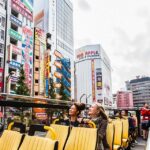
You’ll take several train segments during the day, including about 30 minutes early on, then short connections, then a longer transfer later, and another quick segment at the end. What matters for you isn’t the exact minutes—it’s that the guide handles the switching and keeps you moving without confusion.
This is especially valuable if you’re not fluent in transit navigation. Hotel pickup plus drop-off also reduces the “where do I go from here?” stress that can eat up a first-day Tokyo schedule.
A realistic expectation: you should plan for walking during guided portions and during neighborhood transitions. This tour is designed to keep you active, so go in with that mindset.
Price and Value: What $386 Per Group Really Buys You
The price is $386 per group up to 5 people for a full private day. On the surface, it sounds like a lot, but here’s what you’re actually paying for:
- A private Spanish-speaking guide for the day
- Guided time across multiple major districts
- Hotel pickup and drop-off
- Help with the train routing between neighborhoods
Then there are the costs not included: lunch, drinks and snacks, and a transportation fee of about ¥1000. Since lunch isn’t included, you’re free to choose your own meal style in Akihabara. But it does mean you should budget for food separately.
The best way to think about value: if you’re traveling with up to 5 people, the per-person cost drops fast compared to a solo private setup. If you’re only one or two people, it can still feel worth it if you strongly prefer a guided, low-stress day—especially because language is Spanish and not English or Japanese.
What to Bring for Comfort (and Small Extras)
The tour specifically asks for comfortable shoes. I strongly agree. You’ll be doing temple walking, shrine pathways, and city neighborhood strolling.
Beyond that, I’d prepare for a few personal expenses since the tour includes ritual and shopping-style areas. You’ll see omamori sales, and you’ll also notice people throwing coin to make a wish. Having some small change can help you join in naturally without stopping to hunt for money.
Also, plan for water and basic snacks on your own. Drinks and snacks are not included.
Who This Tour Fits Best
This is a great match if you:
- Want a full-day Tokyo sampler that covers Asakusa, Akihabara, Harajuku, and Shinjuku
- Prefer a Spanish live guide for real understanding
- Like both tradition (Sensō-ji, Meiji Shrine) and pop culture (Akihabara, Godzilla, 3D screen)
- Are traveling in a small group up to 5 and want a private format
Based on the kinds of feedback you’d hope for in a tour like this, the strongest praised aspect is the guide’s friendly, responsive approach. One guide named Naomi is mentioned as especially helpful, answering doubts and keeping the day enjoyable—fast enough that it feels like time flies even with a packed plan.
If your style is slow wandering with lots of free time, this might feel too scheduled. If you want structure and clarity, it’s a strong pick.
Should You Book This Spanish Private Tokyo Day?
I’d book it if you’re the type of traveler who values context and wants Tokyo’s biggest contrasts in one day. The combo of Sensō-ji ritual moments, a guided Akihabara otaku-focused walk, Meiji Shrine’s torii approach, and Shinjuku’s 3D-screen + Godzilla + Omoide Yokocho finale is exactly the kind of lineup that makes a day feel complete.
Skip it if you hate trains, dislike long walking days, or you’re counting on lunch and drinks to be included.
If you can handle shoes-on for 8 hours and you want Spanish support from start to finish, this tour is a practical, high-value way to see Tokyo without turning your trip into a logistics puzzle.
FAQ
How long is the tour?
It lasts about 8 hours.
Is this tour private?
Yes. It’s a private group experience for up to 5 people.
What language is the guide?
The live tour guide speaks Spanish.
Where does the tour start and end?
It includes hotel pickup and hotel drop-off in Tokyo.
What parts of the day include guided time?
Asakusa (guided), Akihabara (guided), Harajuku (guided), and Shinjuku (guided), with trains connecting between areas.
Is lunch included?
No. Lunch is not included in the tour price.
Are drinks and snacks included?
No. Drinks and snacks are not included.
Is there a transportation fee?
Yes. A transportation fee of approximately ¥1000 is not included.
What should I bring?
Bring comfortable shoes.
Is there free cancellation?
Yes. You can cancel up to 24 hours in advance for a full refund.