REVIEW · TOKYO
Tokyo: Full-Day Japanese Garden Private Guided Tour
Book on GetYourGuide →Operated by JGA Inc. · Bookable on GetYourGuide
Tokyo’s gardens are the city’s slow-breath pause. This private, 6-hour tour pairs a licensed local guide with a route you can shape, so you’re not stuck seeing plants you don’t care about. You start at your chosen pickup spot, then spend the day moving from classic Japanese spaces into shrine gardens, teahouse ponds, and big-city park variety.
I especially like two things: the customization (you pick what you want, or your guide builds the plan), and the way guides use timing to help you see more without feeling rushed. I’ve seen this work well with guides like Yoshi, Kumi, Hiro, Tachi, and Yoko, all of whom were praised for communication and smart pacing. The main drawback to keep in mind is that it’s still a full day with walking plus some train/taxi time, so if you’re sensitive to transit or you end up with a closed site, the day can feel less garden-heavy.
In This Review
- Key things that make this Tokyo garden tour work
- How the 6-hour private garden day is set up
- Imperial Palace gardens: a formal start with real Japanese-style pacing
- Meiji-Jingu and a quiet teahouse pond stop
- Harajuku lunch: easy options, flexible timing
- Shinjuku Gyoen Garden: the day’s big style showcase
- Other gardens your guide can add (and what to expect)
- Getting around: walking first, then trains or taxi if needed
- Price and value: what $151 per person really buys
- Rain, crowds, and peak seasons: how to make the day feel calm
- Should you book this Tokyo Japanese garden private tour?
- FAQ
- How long is the Tokyo Japanese garden tour?
- Where do I meet my guide for pickup?
- Is this tour private?
- What languages are supported for the live guide?
- Is the tour wheelchair accessible?
- Are entrance fees included for the gardens?
- Are food and drinks included?
- How does transportation work during the tour?
- Can I customize which gardens we visit?
- When is the booking confirmed?
- Does the tour run rain or shine?
Key things that make this Tokyo garden tour work
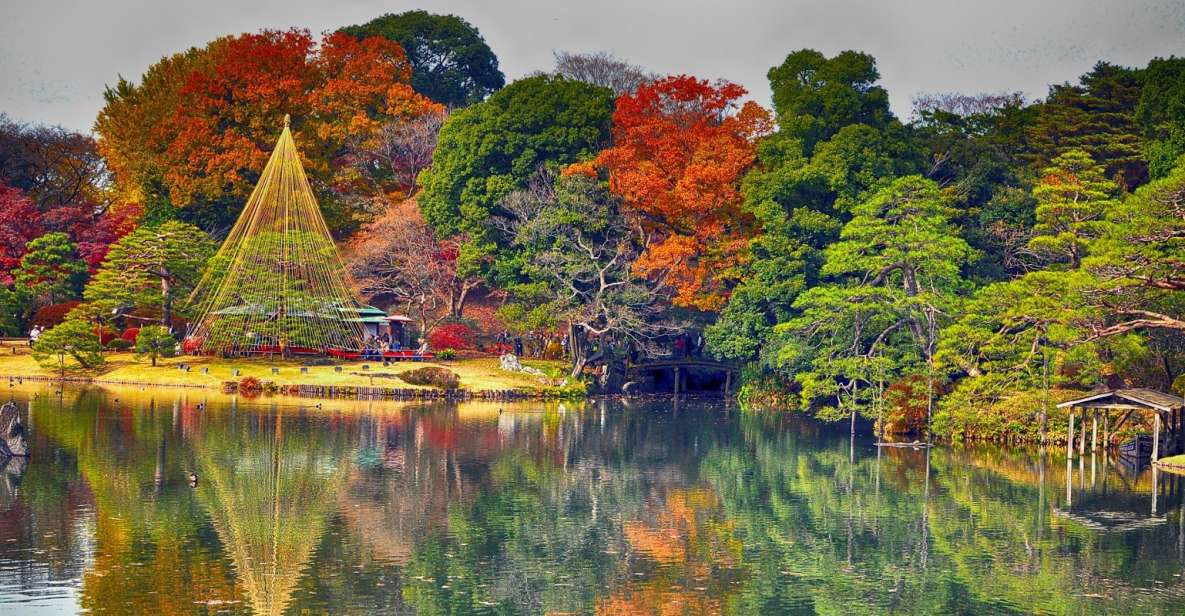
- Private, licensed guiding: you get a real person to read the space with you, not just a map.
- Route flexibility: you can steer toward certain garden styles or skip what you’re not into.
- A strong starter set: Imperial Palace area and Meiji-Jingu are a calm, iconic opening.
- Shinjuku Gyoen’s style mix: Japanese, formal French roses, and English-style garden planning in one stop.
- Good practical add-ons: guides often share restaurant and transport help so lunch and connections are easier.
- Full day, rain or shine: expect walking stamina even with planning.
How the 6-hour private garden day is set up
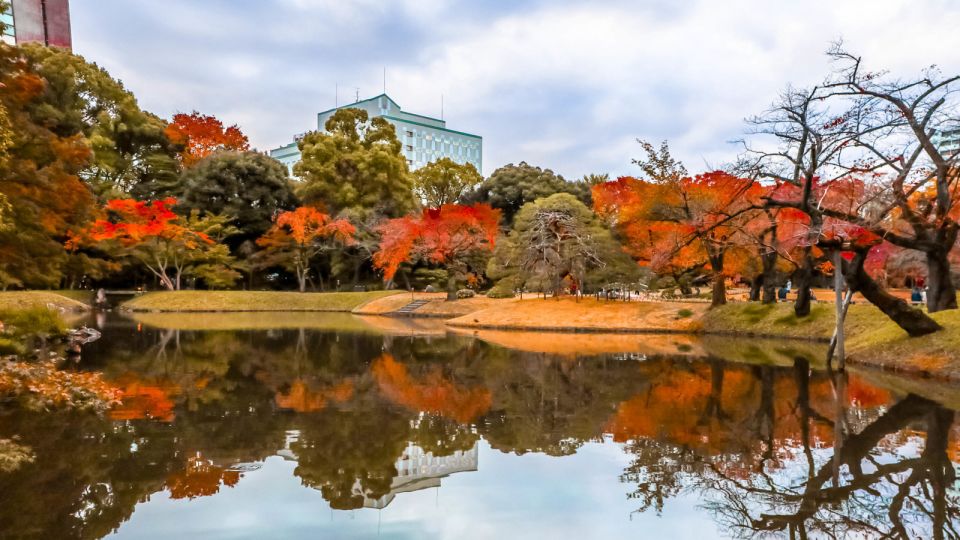
This is a private walking tour designed for a half-day rhythm: a few garden anchors, a lunch break, then one bigger park-style garden finish (often Shinjuku Gyoen). You meet your guide at your hotel or another requested spot, and the pickup is timed so you’re not standing around waiting. The guide is supposed to be waiting in the hotel lobby or the station you request on foot about 10 minutes before pickup.
Because it’s private, you can set the tone. If you like photography, slow strolling, or learning how Japanese garden design creates movement and calm, you can ask for that. If you want more variety and less sitting, you can push for it. If you want to keep things efficient, a good guide will route you to reduce backtracking and crowd stress.
The tour runs rain or shine. That matters in Tokyo because wet pavement changes how long transfers take and how comfortable you’ll feel walking between sites.
You can also read our reviews of more guided tours in Tokyo

Imperial Palace gardens: a formal start with real Japanese-style pacing
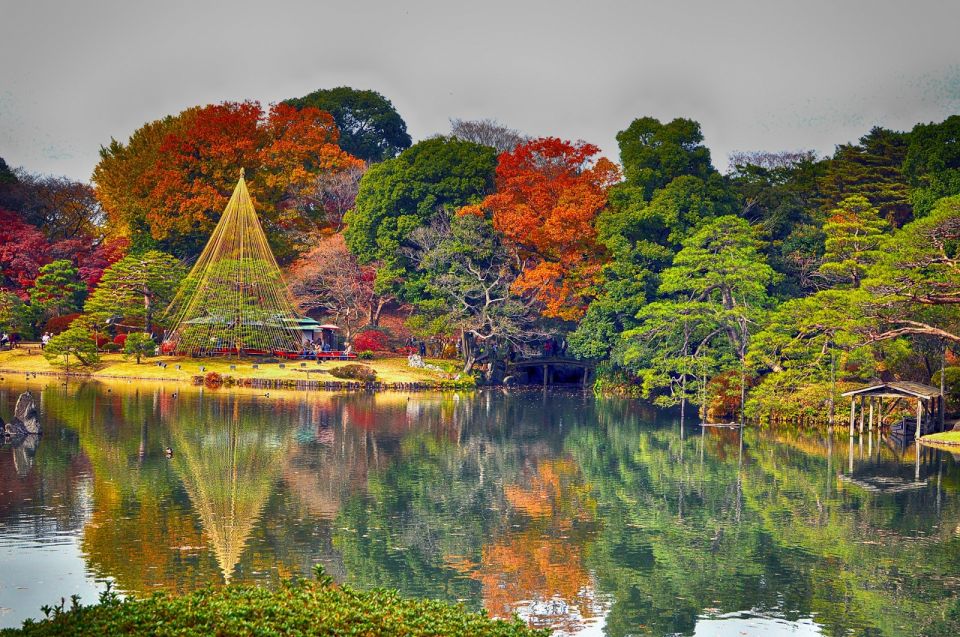
A classic way these tours begin is at the Imperial Palace garden area. Even if you only know Tokyo from fast train rides and neon streets, this opening shift is what makes a garden day feel like a trip inside the trip.
Japanese garden design tends to reward slow movement: you don’t always get the view in one direct frame. Instead, you get unfolding perspectives as you walk, and that’s why a guided pace helps. On a private tour, your guide can help you notice details that are easy to miss alone, like how the garden uses planned sightlines and transitions between open and sheltered spaces.
The bonus here is mood. Starting with an orderly, stately garden gives you a foundation for what you’ll see later—when the day adds variety and smaller hidden corners, you’ll spot the differences more clearly.
Meiji-Jingu and a quiet teahouse pond stop
After the Imperial Palace area, the tour often shifts toward Meiji-Jingu. This is a great pairing because shrine areas in Japan tend to feel like a different world: quieter, more wooded, and less about spectacle. For many people, it’s also one of the easiest places to understand how Japanese spaces balance nature and reverence.
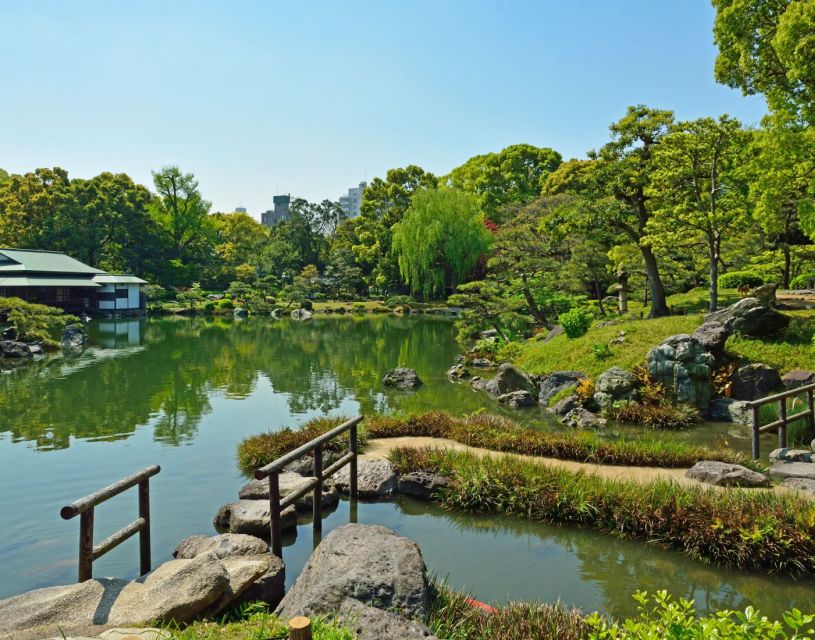
From there, your itinerary can include a quieter garden moment with a teahouse and pond. That kind of stop is not just pretty—it changes the pace of the day. Ponds and teahouse-linked garden layouts tend to encourage pauses, because the garden is designed for viewing from certain angles or stopping points.
One practical tip: bring water and something light to snack on if you think lunch will run late. Shrine and garden mornings are often lovely, but once you add transit and crowd management, timing can slide.
Harajuku lunch: easy options, flexible timing
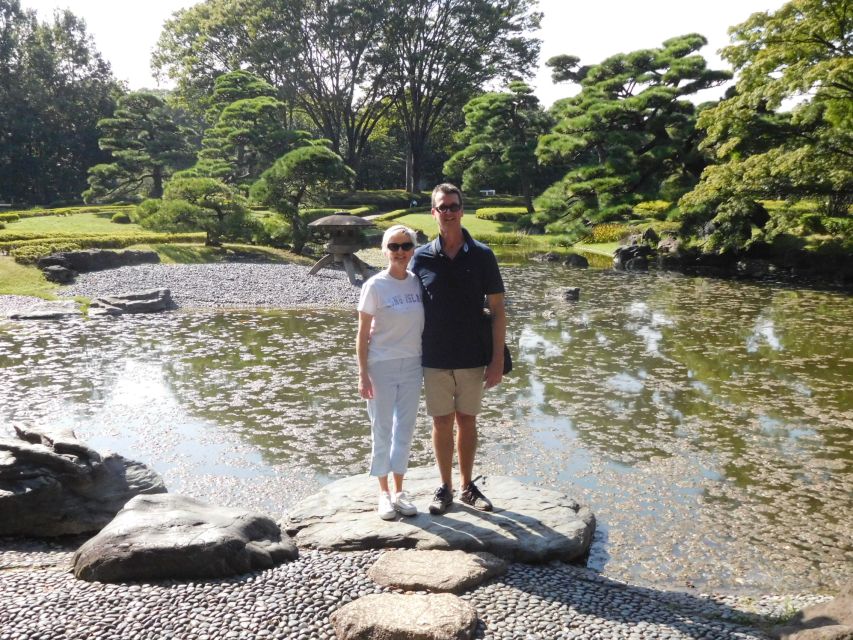
Lunch in Harajuku gives you a lot of food choices, and it’s a smart location for a garden day. You don’t want a long day to end on an empty stomach or a boring meal, and Harajuku makes it easy to find something that fits your budget and tastes.
On a well-run private tour, you won’t just get food suggestions. You’ll also get help navigating what to eat and how long it’ll take, so you can avoid losing half your afternoon to a long line. In fact, some guides were specifically praised for taking people to favorite restaurants and helping with transport and dining plans beyond the official tour stops.
If you have dietary needs, tell your guide early. Because the tour is private, they can steer you toward options that don’t create delays.
Shinjuku Gyoen Garden: the day’s big style showcase
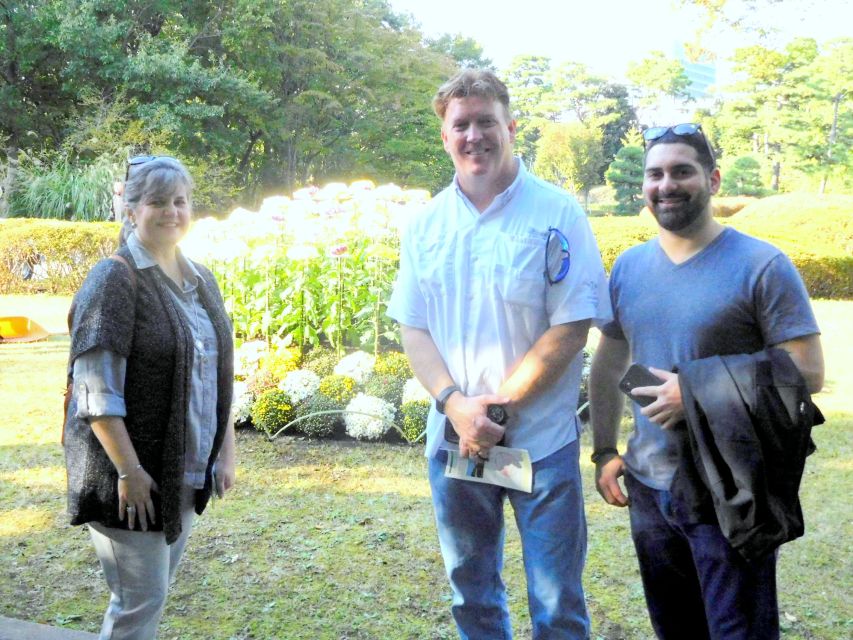
For many people, the highlight is Shinjuku Gyoen Garden, and the reason is simple: it’s built to show multiple garden design approaches in one place. That makes it ideal on a single-day tour because you don’t have to commit to just one style.
A strong version of the day typically includes:
- a typical Japanese garden section, where you can see the design principles in a setting that feels built for strolling
- a formal French-style section, known for rose displays in peak periods
- an English-style garden area, designed with open, scenic views in mind
This mix is also a good reality check for your own taste. After walking through Japanese-style structure in the morning, you can compare what shifts in the French formal and English-style planning. A guide can help you interpret what you’re seeing instead of just admiring it as decoration.
Crowds are the main “watch out” factor. Some guides were praised for routing people more efficiently during cherry blossom peak, which is a big deal in Tokyo. If you’re visiting during sakura season, trust your guide to make the timing choices. The same garden can feel magical or chaotic depending on when you arrive and where you spend your time.
You can also read our reviews of more private tours in Tokyo


Other gardens your guide can add (and what to expect)
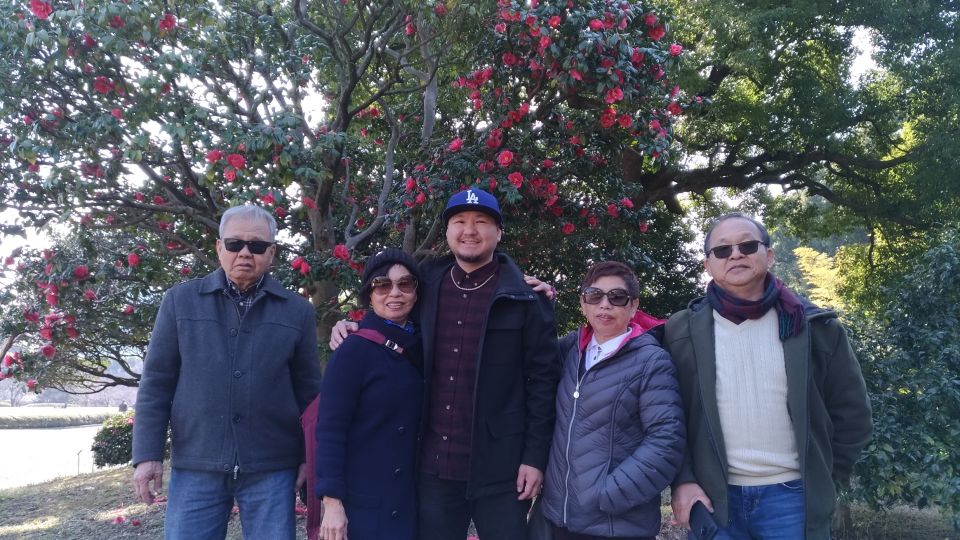
This tour is designed to be customizable, so your guide may swap in or add stops depending on your interests, the day’s conditions, and what’s realistically reachable.
Here are garden options that commonly come up as potential add-ons, with the kind of experience they tend to offer:
- Koishikawa Korakuen Garden: often chosen for classic, refined strolling garden vibes. It’s a good pick if you want more of the traditional garden feel beyond the morning anchors.
- Hama-rikyu Gardens: a nice option when you want something atmospheric and more water-linked.
- Rikugien: a great “stay awhile” style garden choice if you enjoy longer garden walks.
- Ueno Park: if you want a garden plus a broader park atmosphere and an easy cultural area to roam between green spaces.
- Koishikawa Botanical Garden: ideal if you like plant-focused visiting—seeing how gardens function as living collections.
- Kiyosumi Teien: often picked by people who enjoy thoughtful, calmer garden moments with a more local feel.
- Former Shiba Rikyu Gardens: a good match if you want a historical-attached garden experience.
- Nezu Museum area: a smart option when you like pairing art or cultural sites with garden time.
- Happo-en Garden: typically good for visitors who want another large garden setting and more variety.
What I’d tell you to do: pick 2 or 3 “musts” and 1 “nice-to-have.” That gives your guide flexibility while keeping your day anchored. When the plan has too many targets, you can end up spending more time in transit than in the gardens themselves.
Getting around: walking first, then trains or taxi if needed
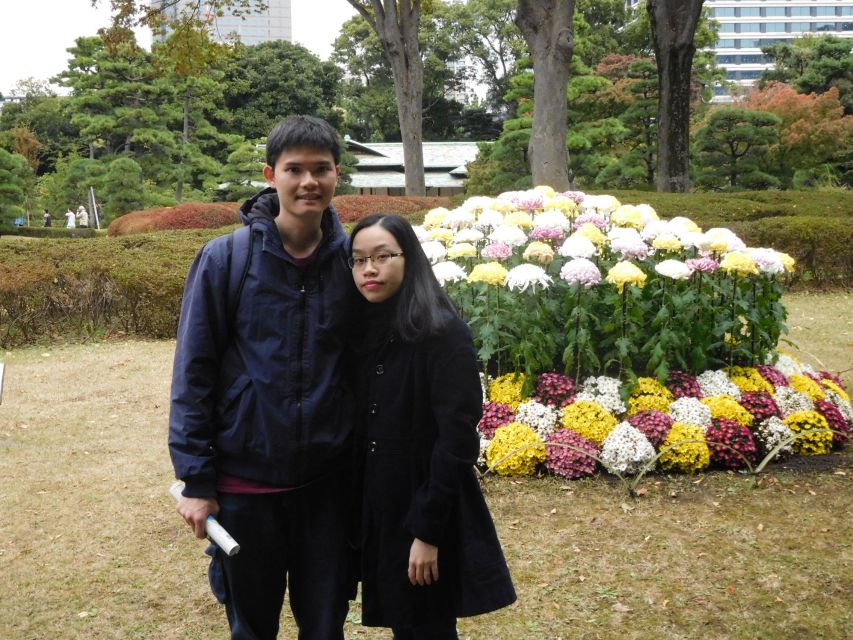
This is a walking tour, with transportation handled as public transit or taxi depending on your preferences and timing. Pickup works on foot if you’re within a reasonable distance, and the guide will coordinate meet-up timing so you get moving quickly.
In Tokyo, your big time wins come from smart routing. Some guides were specifically praised for being efficient, especially when cherry blossoms pushed crowds higher than usual. The trade-off is that even with a good route, it’s still a long day. If you’re sensitive to walking distance, plan your footwear accordingly and consider asking for taxi help for longer hops.
Also note what’s included vs not: the walking tour is part of the experience, but you should expect you’ll need to handle some transport costs during the day unless the guide arranges it under the tour terms.
Price and value: what $151 per person really buys
At $151 per person for about 6 hours, this isn’t a cheap “see it from the sidewalk” option. You’re paying for three things that matter in Tokyo.
First, you’re paying for privacy. That changes everything: you can stop when you want, speed up when you need, and ask questions without turning the guide into a traffic controller. Second, you’re paying for licensed local guiding and English/Japanese interpretation support, which helps you understand what you’re looking at and avoid getting lost in complicated transit moments. Third, you’re paying for planning muscle—good guides manage timing and crowd flow, and that’s especially valuable during popular seasons.
The best value shows up when:
- you care about garden style differences
- you want context and cultural explanations, not just photo stops
- you’re visiting during high-demand periods like sakura peak
- you want restaurant and transport help so lunch doesn’t break your schedule
The possible value dip is the one caution from less-perfect days: if the day ends up heavy on transit or if a scheduled garden is closed, you can feel like you lost garden time. A great guide reduces that risk by adjusting. Still, it’s smart to choose flexible expectations and ask what the backup plan is if something can’t be visited.
Rain, crowds, and peak seasons: how to make the day feel calm
Rain or shine is part of the deal, so you’ll want to dress for changing conditions. Wet sidewalks and temple steps are not the time to find out your shoes aren’t grippy.
Crowds are the other real variable. Some guides were praised for optimizing routes during peak blossom time, which tells you the planning component matters. If you want the garden experience to feel serene rather than shoulder-to-shoulder, arrive with patience and let the guide handle the “when and where” decisions.
One more thing: because the tour can include several sites, you’ll get the best experience if you tell your guide how you want the day to feel. If you want fewer stops but more time in each garden, say that early. Guides like Yoshi and Hiro were praised for adapting to pace, and it’s exactly what makes the day enjoyable instead of exhausting.
Should you book this Tokyo Japanese garden private tour?
Book it if you want a garden-focused day with a guide who can explain what you’re seeing and adjust your route on the fly. It’s a strong fit for couples, solo travelers, and small groups who hate wasting time figuring out transfers and would rather spend that energy walking through gardens.
Skip it or temper expectations if you’re extremely budget-sensitive or you know you can’t handle a full 6 hours of moving around. Also, if you’re visiting during a major seasonal peak, don’t assume every stop will be equally comfortable—crowds can change the feel fast, and the tour only works well when your guide times things well.
If you book, do two simple things: choose your top garden styles beforehand, and tell your guide your walking comfort level. That one message helps the whole day run smoother.
FAQ
How long is the Tokyo Japanese garden tour?
The tour is 6 hours.
Where do I meet my guide for pickup?
You’ll meet your guide at your hotel or a location you request. Pickup includes meeting in the hotel lobby or the train station you request on foot, about 10 minutes before the scheduled pickup time (if within a reasonable distance).
Is this tour private?
Yes. It’s a private group tour.
What languages are supported for the live guide?
The guide is available in English and Japanese.
Is the tour wheelchair accessible?
Yes, it is wheelchair accessible.
Are entrance fees included for the gardens?
No. Entrance fees are not included.
Are food and drinks included?
No. Food and drinks are not included.
How does transportation work during the tour?
The tour is a walking tour, but other transport can be arranged at an additional cost. Public/private transportation fees during the tour are not included, and the tour can be conducted by public transportation or taxi if you wish.
Can I customize which gardens we visit?
Yes. The tour is fully customizable, and you can choose the gardens depending on your preferences or let your guide plan the itinerary.
When is the booking confirmed?
The tour is not confirmed until your guide contacts you regarding your tour. Most guides contact you within 7 days, and updates continue weekly until 24 hours before the tour if needed.
Does the tour run rain or shine?
Yes. This experience takes place rain or shine.