REVIEW · TOKYO
Tokyo Vegan Food Tour
Book on Viator →Operated by Tokyo Ramen Tours · Bookable on Viator
Plant-based ramen and sweets on a Tokyo stroll. This Tokyo Vegan Food Tour pairs a guided walk past Shibuya’s big sights with real bites of Japanese plant-based comfort food. You’ll sample mini bowls of Hokkaido-style ramen, vegan gyoza, crunchy vegan karaage, and sweet fruit and anko sandwiches, with cultural stories behind each dish.
I especially like the way the menu covers both savory and sweet so you’re not stuck eating only one kind of food, and the guides have serious energy—names like Daisy and Sahori come up for standout storytelling. One heads-up: the tour is about 3 hours, so it’s not a full-day exploration if you want to roam on your own for hours after.
In This Review
- Key Highlights You’ll Actually Feel
- Why Shibuya and Ebisu Work So Well for Vegan Bites
- The Tasting Lineup: Ramen, Gyoza, Karaage, and Sweet Sandwiches
- Mini Hokkaido-Style Ramen Bowls
- Vegan Gyoza Dumplings
- Crunchy Vegan Karaage
- Fruit Sandwiches With Seasonal Fruit
- Butter and Anko Sandwiches
- The Convenience Store Stop: Learn Vegan Navigation, Not Just Recipes
- How the Guides Turn Food Into Meaning (Daisy and Sahori Stand Out)
- Price and Value: What $101.25 Pays For in Three Hours
- Timing, Meeting Points, and What to Do Before You Go
- Start and End Points
- Mobile Ticket and Getting There
- What to wear
- Who Should Book This Vegan Tokyo Food Tour
- Should You Book It?
- FAQ
- How long is the Tokyo Vegan Food Tour?
- Where does the tour start and end?
- How big is the group?
- What’s included in the tour price?
- Is the tour fully plant-based?
- Is there a free cancellation window?
Key Highlights You’ll Actually Feel
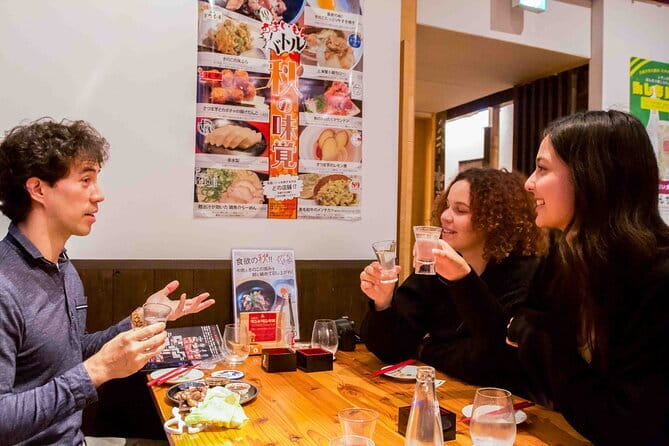
- Shibuya crossing and street scenes on the route so the food walk has instant Tokyo flavor, not just restaurant time
- A menu that balances savory and sweet from ramen and gyoza to fruit and anko sandwiches
- A convenience store stop for practical vegan know-how that helps after the tour, not just during it
- Small group size (max 6) which usually means you can ask more questions and get more guidance
- Guide-led cultural explanations about ingredients and cooking techniques, not just what you’re eating
Why Shibuya and Ebisu Work So Well for Vegan Bites
Tokyo is good at making food fit the moment. This tour takes advantage of that by starting in Shibuya and ending near Ebisu—two neighborhoods where you can find almost any kind of eating out. Shibuya gives you the famous chaos on foot, including the crossing and other iconic scenes, while Ebisu adds a more local-feeling finish once you’ve worked up an appetite.
What I like about this setup is that you get a contrast without feeling like you’re rushing across the city. You’re walking through a real part of Tokyo rather than hopping around with private transport. That matters because vegan dining advice is most useful when you can picture where it fits into everyday neighborhoods.
Also, this is a focused 3-hour experience, so you don’t need a whole day to get value. If your Tokyo schedule is packed—or you only want one well-planned meal event—this hits the sweet spot.
Still, think about your pace. If you want a long food crawl with tons of free time, this is a short, structured format. The payoff is that it stays easy to manage, and you’re not stuck guessing what to do next.
You can also read our reviews of more food & drink experiences in Tokyo



The Tasting Lineup: Ramen, Gyoza, Karaage, and Sweet Sandwiches
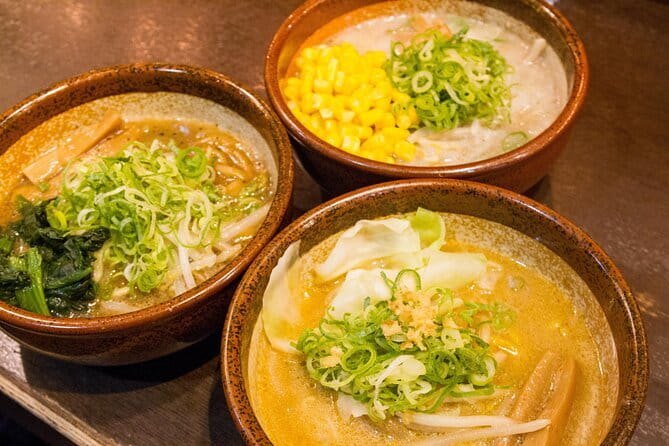
The food part is the heart of the tour, and it’s built around recognizable Japanese favorites, just done in a 100% plant-based way. That’s smart for two reasons. First, it lowers the intimidation factor if you’re not fully deep into vegan eating. Second, it makes comparisons easy—spicy miso vs. shoyu vs. shio styles, crisp fried texture vs. dumpling bite, and savory warmth vs. sweet comfort.
Here’s what you can expect to taste as you move through the route:
Mini Hokkaido-Style Ramen Bowls
You’ll try ramen in small bowl form, with choices tied to classic broth styles: spicy miso, miso, shoyu, and shio. Even if you’re not a ramen super-fan, this is a great way to learn how Japanese flavor building works. Different ramen styles aren’t just different sauces—they suggest different ideas about saltiness, depth, and aroma.
For practical eating, ramen in mini form is a nice trick. You get the experience without the risk of being too full too early. And since the tour runs about three hours, spacing matters.
Vegan Gyoza Dumplings
Next up are vegan gyoza—the kind of food that makes you wonder why more cities can’t do this well. Dumplings are one of those foods where texture is everything. Even without details beyond that they’re flavorful, you can usually tell how good a vegan version is by how it holds together and how the wrapper tastes when cooked.
Crunchy Vegan Karaage
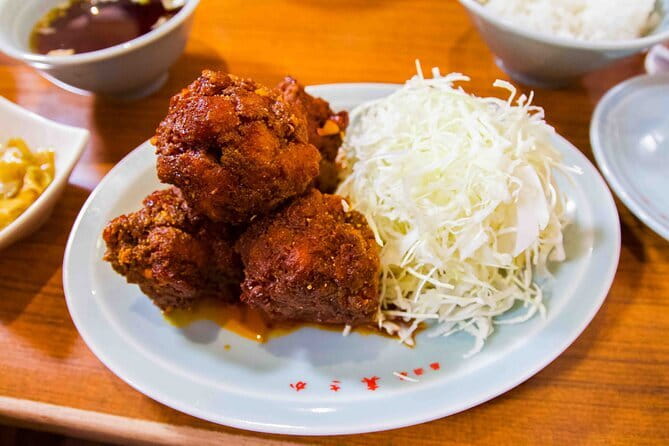
Then comes crunchy vegan karaage, a plant-based take on Japanese fried chicken. This is a big deal because karaage is all about crunch, seasoning, and that satisfying fried bite. In a food tour like this, karaage helps break the rhythm: after warm ramen and chewy dumplings, you get something sharp, crunchy, and salty in a way that feels fun, not heavy.
You can also read our reviews of more tours and experiences in Tokyo



Fruit Sandwiches With Seasonal Fruit
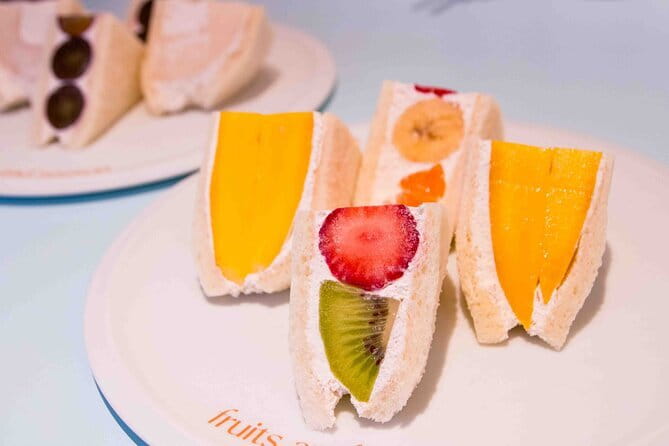
You’ll also try fruit sandwiches using fresh seasonal fruit. This is a different lane from the savory items, and that’s exactly why it works. It cools your palate, adds sweetness that doesn’t feel sugary for the sake of it, and shows you that vegan Japanese eating isn’t only about imitating meat dishes.
Butter and Anko Sandwiches
For dessert-style comfort, you’ll get sandwiches featuring butter and anko (sweet bean paste). Anko is classic Japanese sweetness, and the point here is that plant-based doesn’t mean you lose the cultural favorites. You still get the familiar sweetness and the comforting, cozy feeling that makes anko so popular.
Between the savory ramen/gyoza/karaage and the sweet sandwiches, the tour does a good job of keeping your taste buds from getting bored. That’s not guaranteed on every food tour, so I take it as a real design strength.
The Convenience Store Stop: Learn Vegan Navigation, Not Just Recipes
One of the most useful parts of this tour is the quick stop at a convenience store. It might sound small, but it’s practical because it mirrors real travel life: you’ll be hungry between meals, and you’ll need a way to decide what’s safe and satisfying fast.
You also get practical tips on navigating Tokyo’s vegan scene. Since the tour is plant-based and includes multiple foods you’d normally find as non-vegan elsewhere, you’ll learn how people think about substitutions in everyday shopping—not only how restaurants handle vegan dishes.
What you can take from this type of stop is a mindset: label reading, ingredient awareness, and using store formats that are easy to access. You don’t need to become an expert on day one, but you should leave knowing how to approach the problem logically when you’re on your own.
If you like hands-on travel advice, this is a strong inclusion. If you prefer your entire tour to stay strictly restaurant-focused, you might find this part less exciting—but it’s the kind of “use it later” stop that makes the tour worth more than a single meal.
How the Guides Turn Food Into Meaning (Daisy and Sahori Stand Out)

The food is the hook, but the guidance is what keeps it interesting. The tour is led by food enthusiasts who share cultural stories tied to what you’re tasting. That includes background on local ingredients and cooking techniques, plus broader context about the rise of vegan dining across Japan.
In the guide department, names like Daisy and Sahori come up as examples of what “excellent” looks like. The common thread in their praise is how much information they share and how clearly they connect each dish to the bigger picture of Japanese plant-based food culture. That matters because vegan food can sometimes feel like it’s trying to copy something. Here, the tone is more like: this is its own food world, built with recognizable Japanese cooking logic.
I also like that the tour includes time for questions. With a maximum of 6 travelers, you’re not shoved into a crowd where you can’t talk. You can ask what something tastes like, how a flavor works, or what to look for when you’re back on your own in Tokyo.
And yes, the guides also make it fun. When you’re eating ramen one minute and anko sandwiches the next, you want the explanation to keep pace with the variety.
Price and Value: What $101.25 Pays For in Three Hours

At $101.25 per person, this tour sits in the “you’ll remember it” category rather than the “cheap snack walk” category. The value comes from how much is bundled in.
You get:
- Snacks that are explicitly vegan and tied to Japanese street and comfort-food styles
- A lunch component (so you’re not just grazing for 3 hours)
- One drink of choice, alcoholic or non-alcoholic
Add in the guided context—the stories, ingredients, cooking techniques, and practical vegan navigation tips—and the total starts to make sense. A tour like this isn’t only food; it’s food plus decision-making help. That’s usually what saves you time and stress later.
Two things also boost value: the small group size (max 6) and the fact that you’re not paying for private transport. You’re walking, which keeps the experience direct and keeps costs more reasonable.
One more practical note: you’ll generally want to book earlier rather than later. This one averages being booked around 45 days in advance, which tells me demand is real, even though it’s a short tour.
If you’re on a tight schedule, I think this price is fair because you’re buying certainty: you’ll eat a variety of dishes and learn how to keep that going after the tour.
Timing, Meeting Points, and What to Do Before You Go

The tour runs for about 3 hours, which is long enough to settle into a rhythm and eat properly, but short enough that you can still enjoy the rest of your day.
Start and End Points
You’ll meet at:
- SHIBU HACHI BOX, 2-chōme-1-1 Dōgenzaka, Shibuya, Tokyo 150-0043, Japan
It ends near:
- Ebisu Station, 1-chōme-5 Ebisuminami, Shibuya, Tokyo 150-0022, Japan
That end location is convenient because it plugs you into a major transit hub. If you’re planning dinner plans afterward, you’re already positioned to move easily.
Mobile Ticket and Getting There
The tour uses a mobile ticket, and it’s near public transportation. I’d show up a few minutes early so you can find the meeting spot without stress. Since there’s no private transportation included, plan to walk a bit and use transit normally.
What to wear
This is a walking food tour, so wear comfortable shoes. It’s not a “sneakers optional” situation. Also, you’ll be eating multiple items, so come hungry, but not so hungry that you feel frantic halfway through.
Who Should Book This Vegan Tokyo Food Tour
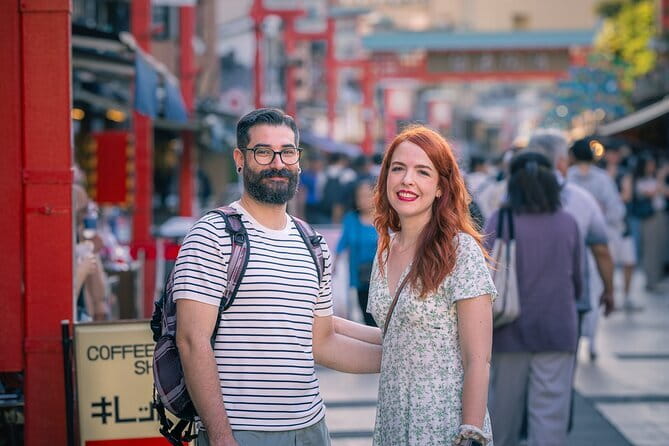
This tour is best for people who want an organized way to eat plant-based in Tokyo without having to guess where to start. It’s especially good if you:
- Want a mix of classic Japanese flavors in vegan form
- Like guided explanations about ingredients and cooking techniques
- Enjoy small groups and conversation
- Appreciate learning practical ways to handle vegan food while traveling
It also makes sense if you’re not fully vegan. The tour’s menu is built from recognizable Japanese categories (ramen, gyoza, fried bites, sweet sandwiches), so it can work well for mixed dining groups.
If you’re the type who hates structure and wants maximum freedom, you might feel slightly boxed in by the 3-hour schedule. But if you want a confident plan that covers a lot in a short window, this fits.
Should You Book It?
Yes—if you want a high-quality vegan food experience that teaches you how to navigate Tokyo, not just what to eat once. The strongest reason to book is the balance: savory and sweet variety, plus guide-led cultural context, plus practical advice from a convenience store stop.
Also, the consistently high rating and the praise for guides like Daisy and Sahori are good signals that this isn’t a basic “here’s a plate, goodbye” tour. With a max group size of 6, you’re more likely to get genuine attention and a better flow.
If you only have time for one planned food event, this is a solid pick. Just remember it’s short—so plan your next meal or dessert stop after you finish near Ebisu Station.
FAQ
How long is the Tokyo Vegan Food Tour?
It lasts about 3 hours.
Where does the tour start and end?
It starts at SHIBU HACHI BOX, 2-chōme-1-1 Dōgenzaka, Shibuya, and ends near Ebisu Station at 1-chōme-5 Ebisuminami, Shibuya.
How big is the group?
The tour has a maximum of 6 travelers.
What’s included in the tour price?
The experience includes snacks (vegan street-food style bites), lunch, and one drink of choice (alcoholic or non-alcoholic).
Is the tour fully plant-based?
Yes. It’s described as 100% plant-based.
Is there a free cancellation window?
Yes. You can cancel for a full refund up to 24 hours before the experience’s start time.