REVIEW · TOKYO
Shibuya Authentic Tea Ceremony with experienced instructor
Book on Viator →Operated by Shibuya Tea Ceremony Tokyo-Chaan · Bookable on Viator
A tea ceremony in Shibuya can be peacefully quiet. You swap crowds for a small room, watch a real traditional matcha process, then learn how it all works from an experienced Japanese tea instructor (some sessions are led by Mai). I especially like the hands-on part, where you actually whisk your own bowl, and the chance to pick a chawan you’ll remember.
The only real drawback is timing: with an aprox 50-minute experience, it’s not the kind of deep, hours-long practice where you can repeat everything many times. Plan for a focused, step-by-step session—great for first-timers, less ideal if you want lots of extra practice.
In This Review
- Key highlights at a glance
- Shibuya Tea Ceremony in Dōgenzaka: Finding the Calm in Tokyo
- Small Group Size (Up to 8): Why It Feels Personal
- Matcha Origins and the Stone Mill Demo
- Watching the Traditional Otemae and Enjoying Nerikiri
- Making Your Own Matcha: Tools, Technique, and Chawan Choice
- Price and Value: What $25.76 Buys in Shibuya
- Timing and Flow: A 50-Minute Ceremony That Stays on Track
- Who This Tour Fits Best (and Who Might Want Something Else)
- Practical Tips for Your Visit in Shibuya
- Should You Book This Shibuya Authentic Tea Ceremony?
- FAQ
- How long is the Shibuya authentic tea ceremony?
- What is the group size limit?
- Where does the experience start?
- What will I learn during the ceremony?
- Do I get to taste anything during the tour?
- Will I make my own matcha?
- Can I choose a tea bowl?
- Is the ticket digital?
- What is the cancellation policy?
Key highlights at a glance
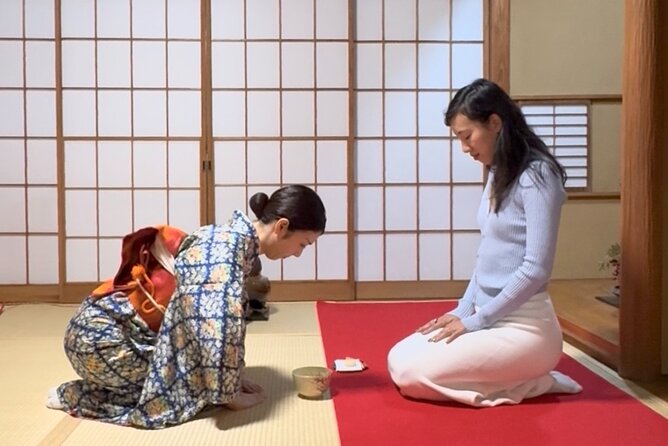
- Small-group tea ceremony (max 8) for a more relaxed pace and personal attention
- Stone mill matcha demo plus a short lesson on Japanese tea history
- Traditional ritual viewing (otemae) with context on the craft’s long background
- Matcha plus nerikiri sweets—a classic pairing you can taste right away
- Hands-on whisking with traditional tools, including choosing your favorite chawan
Shibuya Tea Ceremony in Dōgenzaka: Finding the Calm in Tokyo
This experience is built for people who want Tokyo without the sprinting. The meeting point is in Shibuya’s Dōgenzaka area at Japan, 150-0043 Tokyo, Shibuya, Dōgenzaka, 1-chōme15 万字ビル. From there, you head into the tea space where the mood shifts quickly—from outside buzz to quiet focus.
What I like about this setup is how the ceremony doesn’t feel staged for tourists. The setting is described as old and original, tucked away on a side street, and that matters. In a city full of bright storefronts, that change of pace is half the point. You’re not just learning matcha—you’re learning how the Japanese tea space asks you to slow down.
If you arrive late or stressed, the whole rhythm suffers. Aim to be on time, take a breath, and let the environment do its job.
You can also read our reviews of more tours and experiences in Tokyo.



Small Group Size (Up to 8): Why It Feels Personal
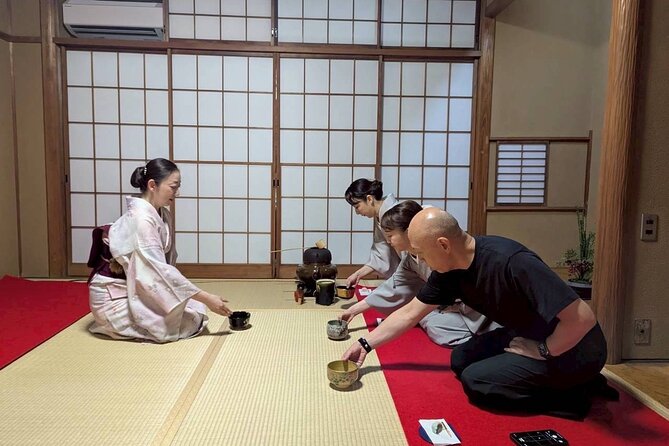
The group size cap of 8 travelers is a big deal for something this hands-on. With a smaller group, you’re not watching from the back while someone else does all the whisking. You’re close enough to see the tools, the movements, and the small details that make matcha preparation feel intentional.
It also changes how questions work. A ceremony is full of small terms—tools, bowl choices, whisking technique. In a larger crowd, you’d likely just smile and move on. In this format, you can actually connect what you hear with what you do.
One more practical benefit: a 50-minute timeline fits better when the group is small. Instead of stretching thin, the flow stays tight—history first, then ritual watching, then your turn at the tools.
Matcha Origins and the Stone Mill Demo
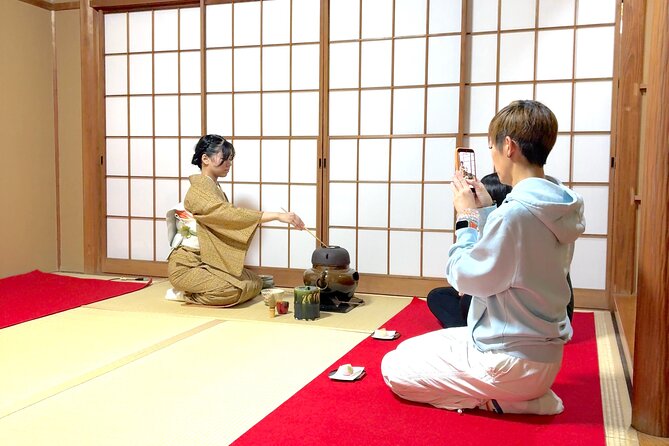
Before you touch anything, you’ll get a short explanation of the history of tea in Japan and how matcha is made, including a look at a traditional stone mill. Even if you already know what matcha is, this part helps you understand why the tea preparation feels different from just pouring powder into water.
The stone-mill angle is useful because it’s tied to texture. Matcha is not just a flavor; it’s a powder with a specific behavior once it’s whisked. Seeing how it’s produced gives you a better mental picture of what you’re trying to recreate when you whisk your own bowl later.
This is also where the instructor sets expectations for the rest of the session. You’ll likely learn what matters most in the process: consistency, temperature feel (within what the tour provides), and how you approach the whisking motion.
Tip for you: pay attention to the instructor’s hand pace during the demo. That’s the detail that makes the difference between smooth drinking matcha and something a bit clumpy.
Watching the Traditional Otemae and Enjoying Nerikiri
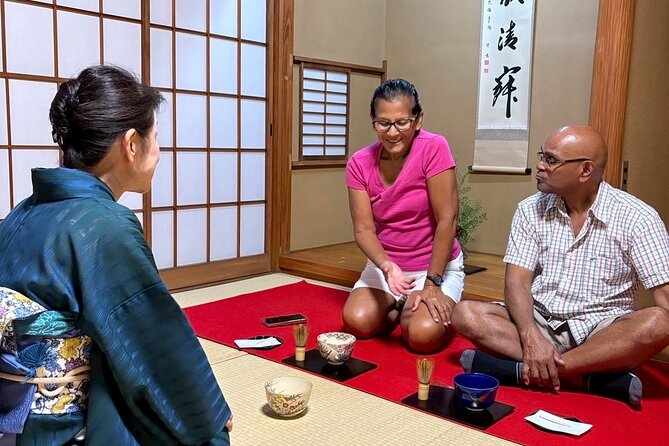
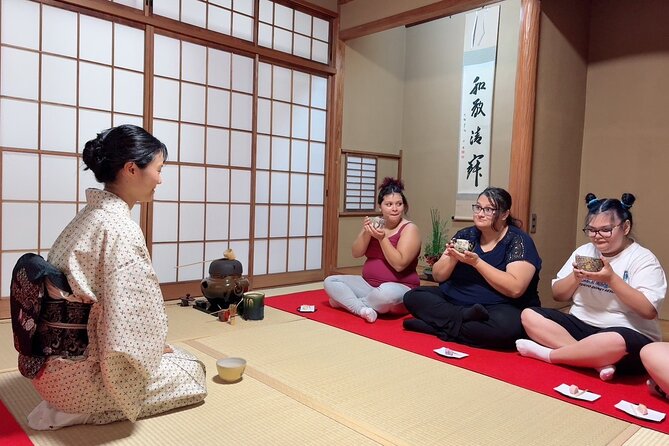
Next comes the ceremonial part. You’ll watch a tea master perform the traditional tea-making ritual (otemae), which is described as a practice with a history of over 500 years. Even if you can’t catch every term, you’ll recognize the flow: each movement has purpose, and the order tells the story.
This section isn’t only visual. It helps you understand why the ceremony is structured the way it is. In particular, it shows how the tools are used with care, not speed. That mindset—slow, precise, respectful—carries directly into your hands-on portion.
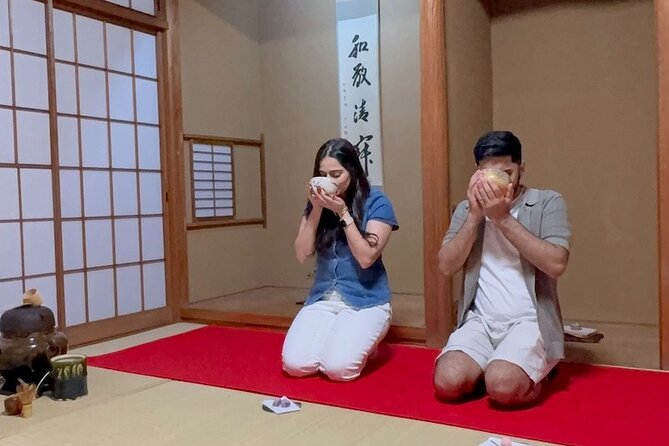
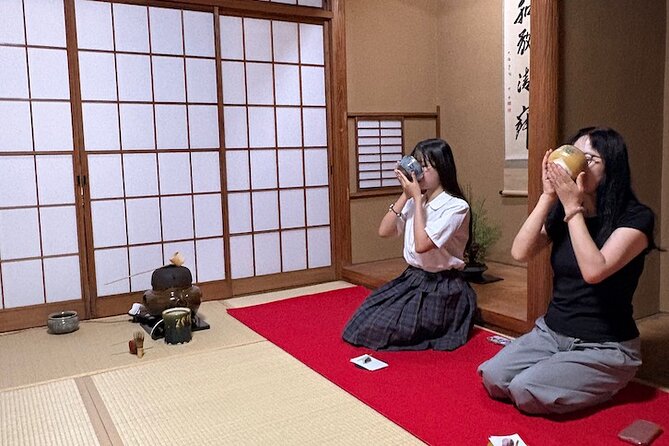
Then you’ll taste what you’ve watched. You’ll enjoy freshly prepared matcha along with nerikiri, a traditional Japanese sweet. Nerikiri matters here because it’s not just a random snack. The sweet is part of the tea balance: texture and flavor are designed to pair with the bitterness and depth of matcha.
If you’re picky about sweets, you can still enjoy the moment without turning it into a sugar test. Focus on how the sweetness and tea change each other in your mouth. That contrast is one of the fastest ways to learn what makes tea ceremony flavor choices meaningful.
Making Your Own Matcha: Tools, Technique, and Chawan Choice
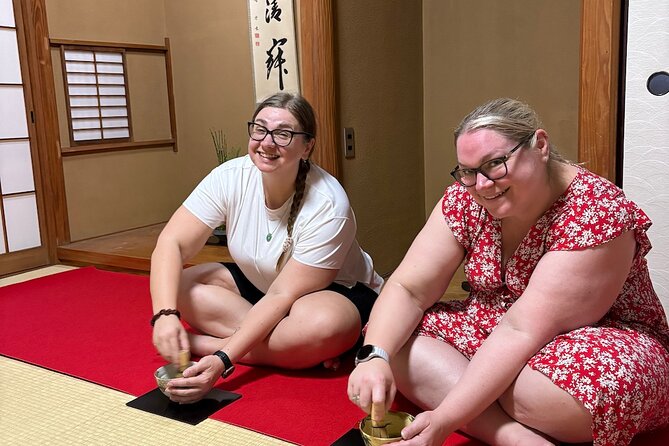
Now for the part you’ll talk about later: your own bowl of matcha.
You’ll get hands-on practice using traditional tea tools, and you can choose from a variety of beautiful chawan (matcha bowls). That choice isn’t just aesthetic. Bowl shape affects how whisking and drinking feel. A different chawan can make the foam look different and change how the surface holds still in your hands.
What I like about this is that it gives you something practical to bring home. You’re not leaving with vague “tea knowledge.” You’re leaving with muscle memory for the whisking motion you watched, plus a sense of how the tools work together.
During the session, keep your expectations realistic: it’s a short experience. Your bowl won’t turn you into a tea master overnight. But you can absolutely learn a technique you can repeat. A good takeaway is learning how the instructor corrects your motion—slower, steadier, more consistent—so the matcha texture improves.
A small detail that many people appreciate: you’re guided, not thrown into it. The atmosphere is described as friendly and welcoming, with a calm, even meditative feel. That’s what makes first attempts less stressful.






Price and Value: What $25.76 Buys in Shibuya
At $25.76 per person, this is priced like a small experience, not a half-day attraction. The value comes from what you actually get for your money:
- You get a structured lesson (history + matcha process)
- You get to watch a full ritual
- You taste matcha with traditional sweets
- You produce your own bowl with instructor guidance
- You select a chawan from options
In Shibuya, you can spend similar money on a quick activity where you mostly consume rather than participate. Here, you participate. That’s why the cost feels more reasonable. It also helps that the group is capped at 8, so you’re not competing for instruction time.
If you’re traveling with limited time, this also hits a sweet spot: about 50 minutes is long enough to feel meaningful, but short enough to fit into a busy Tokyo day.
Timing and Flow: A 50-Minute Ceremony That Stays on Track
The full session runs about 50 minutes and ends back at the meeting point. That “back where you started” design is convenient. It reduces stress and makes it easier to plan dinner or a next stop.
The flow is straightforward:
- Brief lesson on tea history and how matcha is made (including the stone mill view)
- Traditional otemae demonstration and then tasting matcha with nerikiri
- Hands-on matcha preparation with traditional tools, plus chawan selection
Why this matters: you’re not doing everything at once. Each segment builds on the last. Seeing how matcha is made gives you context. Watching the ritual shows you how the steps feel in real motion. Then you try it yourself while the steps are still fresh.
If you want a smooth experience, avoid booking this right when you’re likely to be stuck in another line. You don’t want to rush through a calm ritual.
Who This Tour Fits Best (and Who Might Want Something Else)
This is ideal if you:
- want an authentic cultural activity without a long travel commitment
- like hands-on learning more than watching from a distance
- are new to matcha and want a clear first session
- want a calmer alternative to busy Shibuya sightseeing
It’s less ideal if you:
- want an hours-long, repeat-practice workshop
- hate quiet spaces where attention matters
- need a flexible schedule to match shifting train delays (the ceremony format is timeboxed)
For most first-timers, it’s a strong choice. You’ll leave with enough technique to try again at home—and enough context to understand what you’re tasting.
Practical Tips for Your Visit in Shibuya
A few things will make your ceremony smoother:
- Arrive a little early. This experience depends on a calm start.
- Watch closely during the stone mill and the ritual demo—later, those moments map directly to your whisking.
- When choosing your chawan, pick what you like holding and looking at. If you love the bowl, you’ll remember the experience more.
- Go in curious, not perfect. Your first bowl is practice, and you’ll get guidance through the steps.
If you’re thinking about photographing it: focus first on the process. This is the kind of experience where the real payoff is the feel of the ceremony and the taste, not just the camera shots.
Should You Book This Shibuya Authentic Tea Ceremony?
I’d book it if you want a compact, meaningful Shibuya detour—one that trades crowds for calm, teaching for participation, and photos for a bowl you personally whisk.
You might skip it if you’re specifically searching for a long, intensive workshop where you repeat technique many times. If your goal is a first matcha learning experience with a traditional format and a small-group setting, this is a solid use of your time.
If you do book, plan it as your reset button mid-day. After that, Tokyo feels easier again.
FAQ
How long is the Shibuya authentic tea ceremony?
The session is approximately 50 minutes.
What is the group size limit?
This activity has a maximum of 8 travelers.
Where does the experience start?
The meeting point is Japan, 150-0043 Tokyo, Shibuya, Dōgenzaka, 1-chōme15 万字ビル.
What will I learn during the ceremony?
You’ll hear about the history of tea in Japan and see how matcha is made, including viewing matcha production using a traditional stone mill.
Do I get to taste anything during the tour?
Yes. You’ll taste matcha along with Japanese sweets called nerikiri.
Will I make my own matcha?
Yes. You’ll get to whisk and make your own bowl of matcha using traditional tools.
Can I choose a tea bowl?
Yes. You can choose your favorite chawan (matcha bowl) from a variety of options.
Is the ticket digital?
The tour includes a mobile ticket.
What is the cancellation policy?
You can cancel for a full refund if you cancel up to 24 hours in advance of the experience start time. If you cancel less than 24 hours before the start time, the amount paid is not refunded.