REVIEW · TOKYO
Tokyo Hakone : Mt.Fuji, Owakudani, Open Air Museum, Hakone Shrine
Book on Viator →Operated by TOURSTORY · Bookable on Viator
Steam, art, and Fuji in one long day. This Tokyo-to-Hakone tour strings together Hakone Open-Air Museum sculpture, Owakudani geothermal drama, and Lake Ashi shrine sights so you can tick off the big hits with less planning.
I love how the Open-Air Museum turns art viewing into an outdoor walk, with major-name works like Henry Moore and Joan Miró placed right in the grounds. I also like the chance to see an active volcanic valley up close and try the famous black eggs boiled in the hot-spring steam.
One possible drawback: it’s a full 10 to 11 hours, and weather can affect what you see—especially Mt. Fuji. Fog and low visibility can also shuffle the day’s order when roads get slow.
In This Review
- Key highlights that make this tour worth a day out
- How this Tokyo–Hakone day tour actually plays out
- Hakone Open-Air Museum: Henry Moore and Picasso in outdoor form
- Ropeway option (Sounzan to Owakudani): worth it if visibility is decent
- Owakudani: sulfur vents, steaming trails, and the black egg ritual
- Lake Ashi and the Pirate Ship: the optional cruise with a view-first payoff
- Hakone Shrine: forest path calm, plus a productivity legend
- The Torii of Peace: red gate, lake views, and easy photo time
- Where Mt. Fuji fits in (and how to manage expectations)
- Price and value: what $75.80 really buys you
- Time management: a 10–11 hour day needs a smart game plan
- Guide quality matters: Patrick and Gilbert as examples
- Who this tour suits best
- Should you book this Hakone day tour?
- FAQ
- What’s included in the tour price?
- Are meals included?
- Do I need to pay extra for the Hakone Ropeway or Pirate Ship?
- How long is the tour?
- Can I see Mt. Fuji during this tour?
- What’s the cancellation policy?
Key highlights that make this tour worth a day out
- Open-Air Museum stroll with modern sculpture set in landscaped gardens, plus time for photos at the glass-walled entrance
- Owakudani volcanic valley views on clear days, sulfur vents, steaming trails, and Kuro-Tamago black eggs
- Lake Ashi + Hakone Shrine combo, with time to walk the forest path and see the Torii of Peace red gate
- Optional add-ons like the Hakone Ropeway or Pirate Ship, with your guide helping you choose based on conditions
- Small-group feel (up to 60 people) plus English/Korean speaking staff and admission tickets included
- Mobile tickets to keep the day smooth once you’re on the move
How this Tokyo–Hakone day tour actually plays out
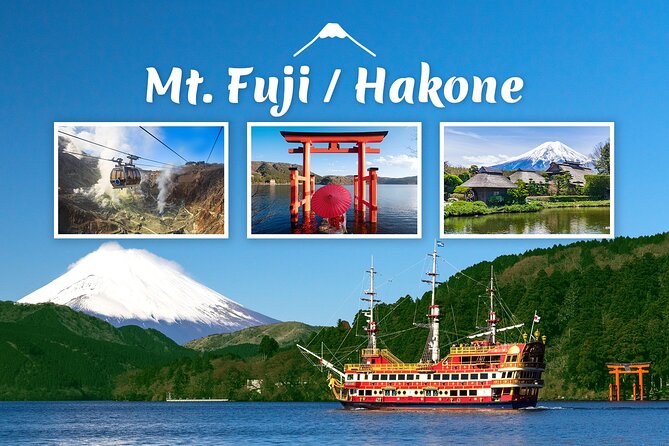
This is a long, structured day that covers the classic Hakone highlights in one go: museum gardens, volcanic Owakudani, and the Lake Ashi shrine area. You’re not stuck doing research between stops—transportation and admission tickets are handled as part of the package.
The tour runs about 10 to 11 hours, and the driver can’t operate beyond 10 hours due to Japanese regulations. That means your guide may adjust timing based on traffic and weather, and on busier days the stop order can swap.
Group size is capped at 60, which helps keep it manageable. You’ll also get support from English & Korean speaking staff, which is a real comfort when you’re juggling optional attractions.
You can also read our reviews of more museum experiences in Tokyo


Hakone Open-Air Museum: Henry Moore and Picasso in outdoor form
Your day starts with the Hakone Open-Air Museum, and it’s the kind of place where the setting matters as much as the art. You walk through garden paths that feel designed for lingering—works by major artists like Henry Moore and Joan Miró are placed around the grounds.
A standout is the museum’s Picasso connection. There’s a dedicated gallery for Picasso’s works, so it’s not just a random scattering of famous names. If you like modern art, you’ll get a satisfying hit without needing a deep art-study day.
You’ll also appreciate the practical side for photos: the entrance uses a glass-walled design with wide views of the surrounding mountains and greenery. In other words, it’s not a gloomy “museum box”—it’s a scenic place to stretch your legs for a couple of hours.
Tip for your pace: wear comfortable shoes. The grounds are walkable, but it’s still a lot of steps before you head into the volcanic area later.
Ropeway option (Sounzan to Owakudani): worth it if visibility is decent
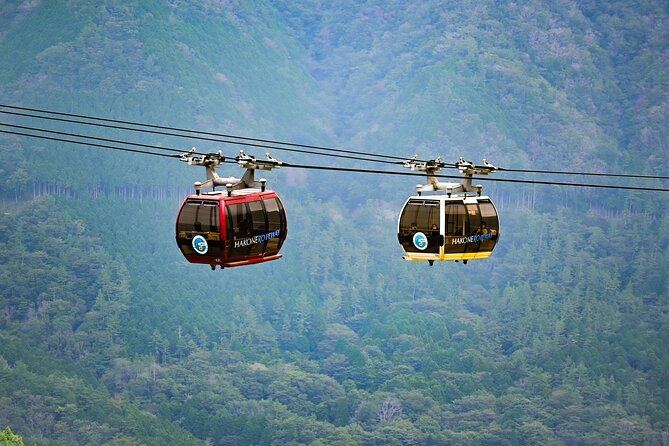
The Hakone Ropeway is offered as an optional add-on, and it can be a smart choice when you want more of the valley view before reaching Owakudani. The route runs from Sounzan to Owakudani, and along the way you can see down into the valley where sulfur smoke rises.
The catch is the one you’d expect: weather matters. If visibility is low, the view can be muted, and you may spend money for “less than ideal” scenery. Your guide can help you decide on the spot based on current conditions.
This optional ride takes about 30 minutes, and the ticket is not included in the tour price. It’s best viewed as a “boost” to your day rather than a requirement.
Owakudani: sulfur vents, steaming trails, and the black egg ritual
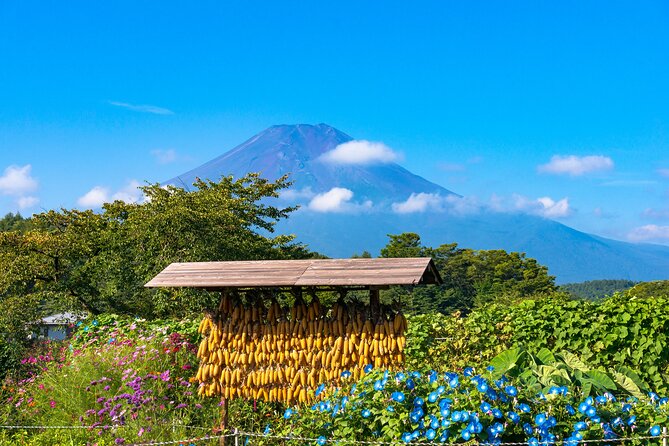
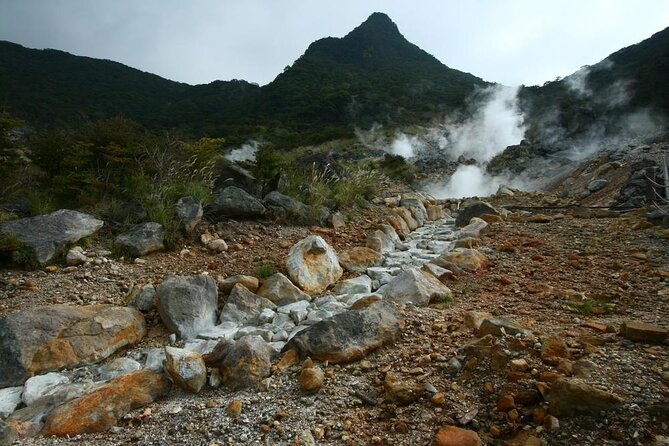
Owakudani is the tour’s signature action scene. This is an active volcanic valley with sulfur vents and hot-spring steam, so the air can feel stronger here than at most sightseeing stops. It’s dramatic in a way that pictures don’t always translate well—because you’re also smelling the geothermal activity.
You’ll get about 1.5 hours here, with time to walk along steaming trails and take in panoramic views of Mt. Fuji on clear days. Even if Fuji is faint, the valley itself is worth the stop: the textures, the steam, and the sense of geologic power are the point.
Then there are the black eggs (Kuro-Tamago). You can try them boiled in natural hot-spring water, and they’re famously believed to extend life by seven years. I can’t promise anyone a medical miracle, but it’s fun, local, and very “Hakone.”
Practical note: this area can be hotter and more humid than you expect. Bring something you don’t mind getting a little steamy or sulfur-scented on you, and keep an eye on where you step on uneven ground near trails.
Lake Ashi and the Pirate Ship: the optional cruise with a view-first payoff
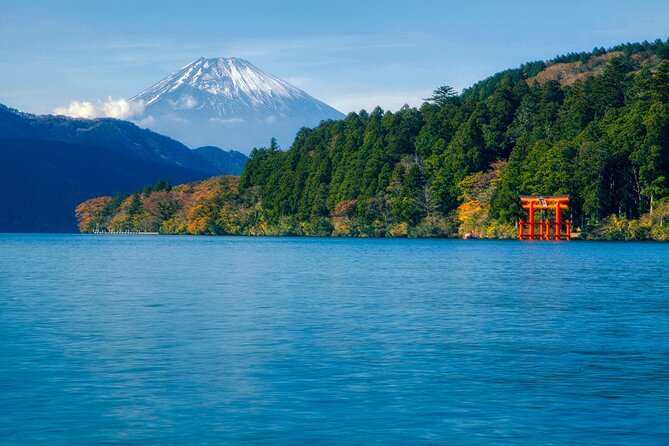
After Owakudani, you head toward Lake Ashi, where the atmosphere shifts from geothermal to serene. Lake Ashi is a volcanic crater lake formed after the last eruption of Mount Hakone over 3,000 years ago, and on clear days Mt. Fuji reflections can appear on the water.
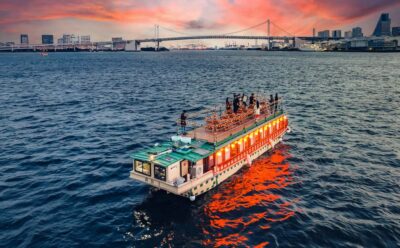
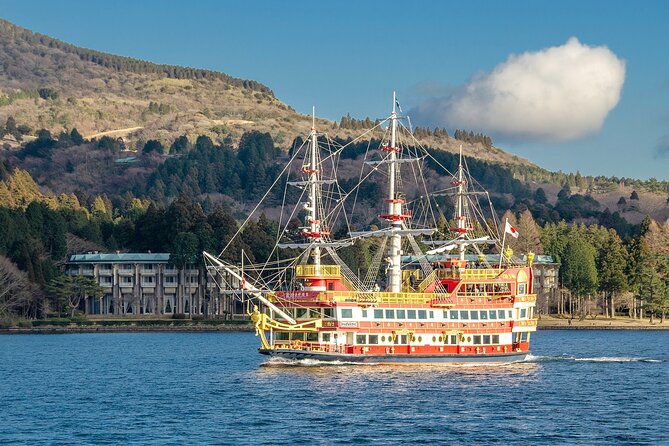
There’s also an optional Hakone Pirate Ship experience. It typically runs from Togendai Port to Moto-Hakone Port and takes about 25 to 40 minutes (you’ll see around 40 minutes listed for scheduling). The ship portion is not included in the base tour price, and it depends on weather and local conditions.
What makes it interesting isn’t just transportation. The boat includes pirate-themed entertainment and 3D art on board, which is why it tends to work for different ages. If you’re doing this tour solo or as a couple, it can still be a fun way to slow down and enjoy the lake views without walking the whole time.




Hakone Shrine: forest path calm, plus a productivity legend
Hakone Shrine sits on the shores of Lake Ashi and has a history said to be over 1,200 years old. You’ll spend about 30 minutes here, with time to enjoy the shrine setting and the quieter forest path approach.
There’s a Shinto belief tied to the shrine: it’s thought to enhance one’s productivity in the workplace. I treat that as more fun local culture than a promise, but it’s the kind of legend that makes your stop feel more meaningful.
Lunch is not included. You can eat at or around the shrine area at your own expense, and it’s wise to plan for a meal later rather than expecting it to be covered.
If you like slow travel moments, this stop is where you catch your breath. After steaming Owakudani, the trees and shrine atmosphere feel like a reset.
The Torii of Peace: red gate, lake views, and easy photo time
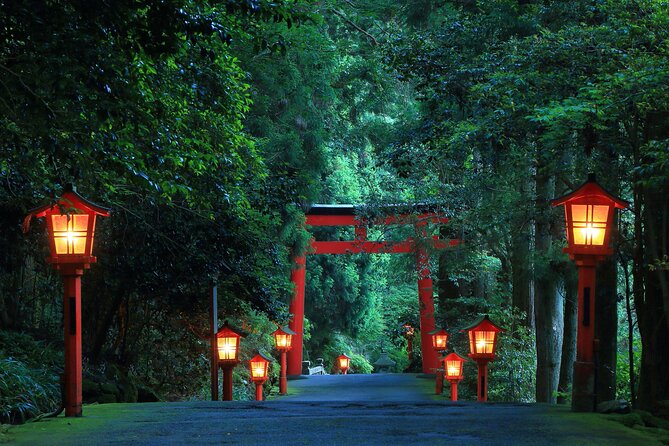
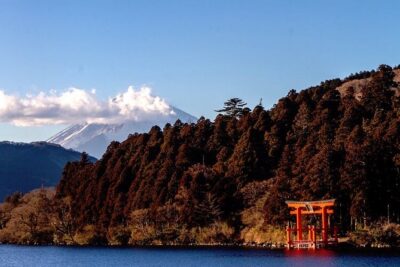
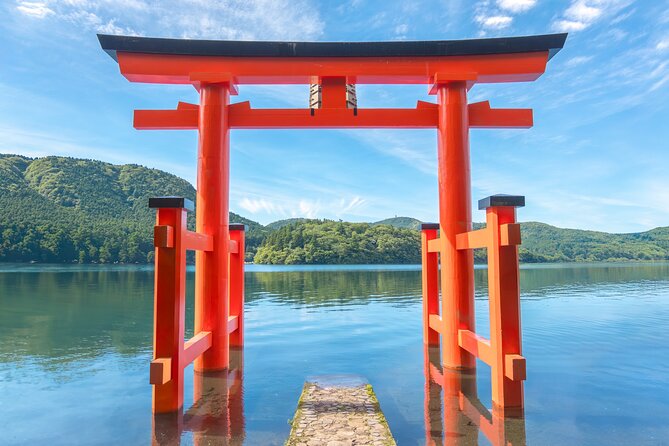
Right next to the shrine area is the Torii of Peace, one of the Hakone spots people photograph nonstop. It stands at the edge of Lake Ashi and is part of Hakone Shrine.
The gate’s vivid red color contrasts beautifully with the deep blue water and surrounding nature, making it a visual anchor for the whole area. You’ll have about 30 minutes for this segment, which is usually enough time to take photos without feeling rushed.
Photo tip: shoot from a couple of angles—there’s a difference between framing the gate tightly and including more of the lake horizon.
Where Mt. Fuji fits in (and how to manage expectations)
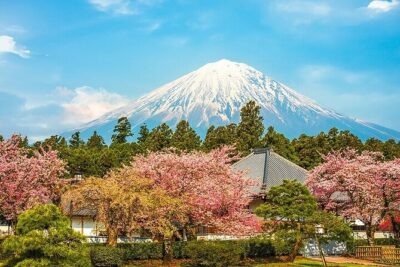
Mt. Fuji is a big reason many people choose this day tour. The good news: you have multiple chances to see it, including views from Owakudani and reflections around Lake Ashi on clear days.
The honest part: Fuji isn’t guaranteed. Visibility depends on weather, and the day’s routing can shift due to traffic and conditions. If you’re lucky, you’ll get the full “Fuji from several angles” experience. If not, you still get Owakudani’s volcanic drama and the lakeside shrine views—those don’t disappear.
So I’d treat Fuji as a bonus, not the only reason to come.
Price and value: what $75.80 really buys you
This tour is priced at $75.80 per person, which is pretty reasonable for a full-day Hakone circuit when you compare the included pieces.
You get:
- transportation (so you’re not piecing together trains/buses all day)
- English & Korean speaking staff
- admission tickets for the included stops
The optional parts—Hakone Ropeway and Pirate Ship—are extra, and meals are on you. But if you were planning to enter the museum and do Owakudani anyway, your admission costs are already baked into the price.
Also, you’re not dealing with the “what order should I do?” headache. That alone is worth something on a day this long, especially if you’re staying in Tokyo and want to maximize daylight hours.
Time management: a 10–11 hour day needs a smart game plan
This is not a light half-day outing. You’ll be on the move for much of the day, and the itinerary can reverse in peak season due to heavy traffic.
A few practical moves can make the day smoother:
- Bring snacks or a light lunch. Meals aren’t included, and you’ll want energy for walking.
- Wear layers. You may move between warm geothermal steam and cooler lakeside air.
- Keep an eye on your timing for optional add-ons. Your guide can assist with decisions, but you still want to be ready to go when the schedule fits.
If you’re traveling with a baby stroller, tell the operator ahead of time. It’s mentioned as something to inform the tour about.
Guide quality matters: Patrick and Gilbert as examples
Good guides make this kind of day tour feel easier. In the feedback you’ll see names like Patrick and Gilbert, praised for being friendly, attentive, and helpful—exactly what you want when you’re coordinating multiple stops and possibly adding the Ropeway or Pirate Ship.
Even if you don’t care about explanations, a good guide helps you keep your pace, understand what to prioritize, and handle small real-world adjustments from weather to traffic.
Who this tour suits best
This works best if you want a classic Hakone highlights day without a complicated itinerary. It’s also a solid choice if you like mixing modern art with nature and you’re curious about geothermal landscapes.
You’ll likely enjoy it most if:
- you want a Fuji-view day but aren’t obsessive about guaranteeing it
- you like structured sightseeing with admission tickets handled
- you want flexibility for optional extras depending on weather
If you prefer slow, independent travel with lots of free time at each stop, you might find the day packed. But for first-time Hakone planning, this hits a lot of the “must sees” efficiently.
Should you book this Hakone day tour?
I’d book it if you want a high-value, organized day that covers the heavy hitters: Open-Air Museum, Owakudani, and Lake Ashi’s shrine area. The price makes sense because transportation and key admissions are included, and you’re not gambling your whole day on self-planning.
I’d think twice if your top goal is only Mt. Fuji in perfect conditions. Since visibility is weather-dependent and the schedule can adjust for traffic, you’ll need the mindset that Fuji is a bonus.
FAQ
What’s included in the tour price?
The tour includes transportation, English & Korean speaking staff, and admission tickets for the included stops.
Are meals included?
No. Meals are not included. Lunch at the Hakone Shrine area is at your own expense.
Do I need to pay extra for the Hakone Ropeway or Pirate Ship?
Yes. The Hakone Ropeway and the Hakone Pirate Ship are optional on-site experiences, and their tickets are not included in the tour price. They depend on weather and local conditions.
How long is the tour?
The day tour runs about 10 to 11 hours.
Can I see Mt. Fuji during this tour?
You may be able to see Mt. Fuji on clear days, especially from areas like Owakudani and Lake Ashi. It’s not guaranteed because weather affects visibility.
What’s the cancellation policy?
You can cancel for free up to 24 hours in advance for a full refund. If you cancel less than 24 hours before the start time, the paid amount isn’t refunded.