REVIEW · TOKYO
Tokyo : Authentic Samurai Experience in a Private Space.
Book on Viator →Operated by rojicoya · Bookable on Viator
Cutting straw with a katana is real work. This Tokyo session brings Bushido down to practical basics in a private home built more than 100 years ago, where Sensei Musashi Oka and Yoshi San guide you through draw, grip, swing, and sheathing. I especially like the small-group setup (capped at four), because you get real time to ask questions instead of just watching from the edge.
I also like that this isn’t a costume-and-photos stop. You practice sword handling, then test it on targets, and you finish with traditional Japanese tea. One thing to consider: at about 1 hour 30 minutes, it’s focused training, not a long, slow lecture tour.
In This Review
- Key things I’d circle before you book
- A 100+ Year-Old House in Adachi City
- Kimono On, Then Real Sword Handling
- The Hands-On Session: What You’ll Actually Practice
- Cutting Straw Targets: The Moment You’ll Remember
- Bushido and Tea: Culture That Actually Feels Connected
- Group Size, Time, and Getting There Without Stress
- Price and Value: Why $72 Can Make Sense
- Who This Samurai Bushido Class Fits Best
- Should You Book This Samurai Sword Class?
- FAQ
- How long is the Tokyo Samurai Bushido experience?
- What group size is this class limited to?
- Is this experience beginner-friendly?
- What will I do during the session?
- Is there an English option for non-Japanese speakers?
- Where does the experience start?
- Is free cancellation available?
Key things I’d circle before you book
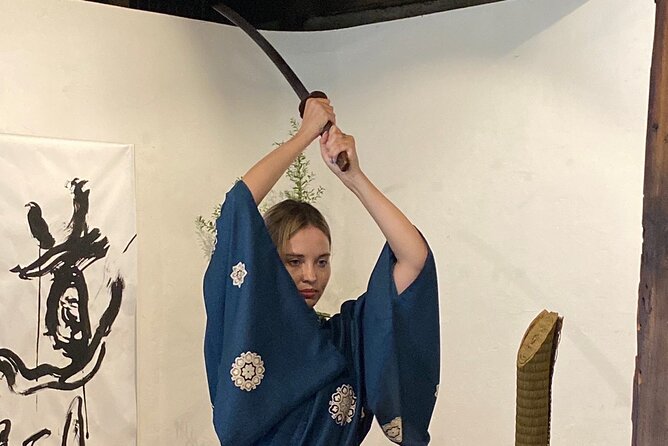
- Kimono + sword basics in one session: you suit up and learn how to handle a katana-style sword step by step
- Small group cap of four: calmer pacing and more chances to get coaching
- Beginner-friendly instruction: you’re taught and corrected throughout, not thrown in cold
- Cutting practice on straw targets: the hands-on moment you’ll remember
- Tea time after training: a quiet cultural landing, not a rushed exit
A 100+ Year-Old House in Adachi City
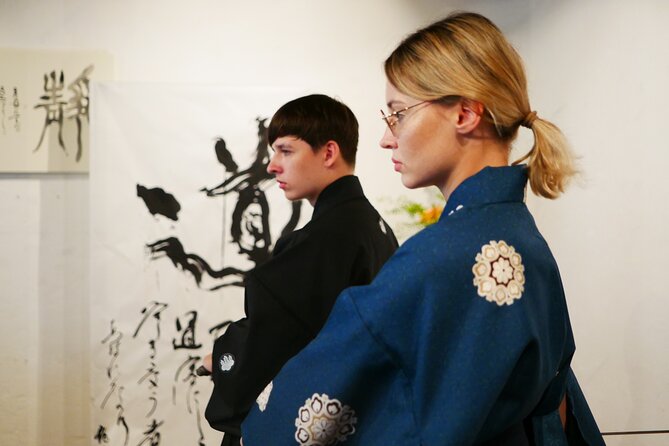
This experience takes place in an older private house in Tokyo (over 100 years old). That matters more than it sounds. Instead of feeling like a studio set up for tourists, the setting supports the whole tone of the class: formality, attention, and respect.
The meeting point is at rojicoya 路地裏寺子屋36-1 Senjuasahichō, Adachi City. It’s described as near public transportation, so it’s usually doable as a half-day add-on. Still, Adachi is not “central Tokyo.” If you’re basing yourself far away, build in extra transit time so you don’t arrive flustered—this kind of class goes smoother when you’re calm.
Tip: if you’re the kind of traveler who likes to be early, arrive a bit ahead. You’ll want time to settle in before kimono and sword instruction starts.
You can also read our reviews of more private tours in Tokyo



Kimono On, Then Real Sword Handling
The format is simple: you put on a traditional kimono, then the instructor leads you through how to handle a samurai sword properly. This is where the experience is most valuable for most people: it turns “I saw a sword in a movie” into “I understand how this tool is actually held and controlled.”
Instruction covers core motions like:
- how to draw the sword
- how to hold it correctly
- how to swing safely and with intention
- how to sheath it with proper control
Beginners aren’t treated like an inconvenience. The class is designed so you can learn at an easy pace, with constant teaching and feedback. That’s a big deal, because sword practice can feel intimidating if you’ve only ever watched demonstrations. Here, you’re not just observing—you’re actively learning the steps.
Communication is also built for real life. The course is mainly in English, and it’s described as compatible with PokéTalk-style conversation support, so you’re not left alone with language barriers. In the reviews, Sensei Musashi Oka and Yoshi San come across as friendly and welcoming, and that helpful tone matters when you’re learning something physical and technical.
Also worth knowing: some photos show masks, but that’s only for online privacy. Masks are not required for the experience.
The Hands-On Session: What You’ll Actually Practice
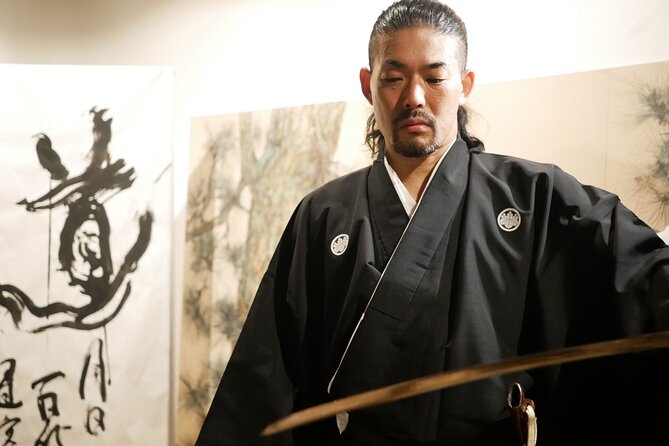
This class is structured around practice, not just explanation. You’ll be asked to practice as you learn about Bushido and sword handling. That combination is important. Bushido can sound abstract from afar, but in this format it’s tied to behavior: posture, timing, control, and focus.
Here’s what the training feels like in practice:
- Early on, you focus on how your body moves with the sword. This is where beginners benefit most, because it’s less about strength and more about correct positioning.
- Next, you work on the sequence—draw to grip to controlled swing to returning the sword safely.
- Throughout, you can ask questions and get guidance directly, especially in a group of up to four.
For me, the best part of this kind of class is that it gives you a repeatable framework. When you understand the basic handling steps, you start seeing samurai sword scenes differently afterward. Instead of “cool stunt,” it becomes “that’s the technique and the mindset working together.”
And because this is private for your group, you’re not rushed by the schedule of a larger crowd. That usually means more time for adjustments—like how you’re holding the hilt, how you’re balancing your stance, or how you’re transitioning between motions.
Cutting Straw Targets: The Moment You’ll Remember
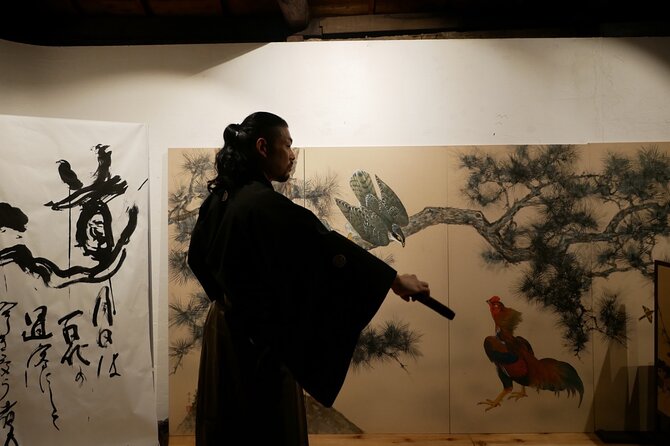
Then comes the moment everyone pictures: cutting targets. The experience specifically includes cutting through straw targets. That’s a practical choice. Straw targets are less likely to feel like “guessing” compared with heavier materials, and they let you test whether your swing and timing actually connect.
One review also mentions tatami mats being cut with a real katana in their session. I can’t promise every class uses the same exact target material, but it’s clear the cutting part can go beyond a basic demonstration. Either way, you should expect real-world practice where your technique matters.
A good way to think about it: cutting isn’t only about power. It’s about alignment and control. If your body is tense or your grip is off, the cut won’t land the way you expect. If you’ve been paying attention during the earlier drills, the cutting section becomes the payoff: you see your instruction turn into results.
Practical mindset: treat this as training. Don’t aim for “I want to be the strongest.” Aim for “I want my motion to be correct.” You’ll get better results, and the instructor will be more able to coach you.
Bushido and Tea: Culture That Actually Feels Connected
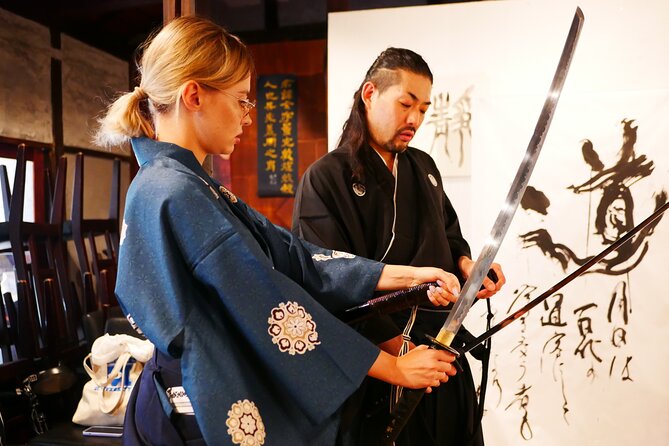
The sword is the headline, but the class also uses Bushido to frame what you’re learning. Instead of making it purely about technique, the instructor shares facts and context that put the practice into a broader cultural lens.
This is the part where you stop thinking only about the blade and start thinking about the person holding it. Bushido, in a class like this, tends to come through in behaviors—respect, discipline, and attention to detail—because those are the things you’re doing while you practice.
After the training, you’ll wrap up with a cup of carefully selected Japanese tea. That tea moment isn’t just a sweet ending. It gives you a pause—time to reset your body and your brain. After learning fast movements and focusing hard, that small break helps the experience feel complete.
The location also suggests there’s an informal exchange culture happening around you. The experience describes lecturer exchanges and cultural conversation opportunities during breaks. That’s a nice bonus if you want to ask follow-up questions beyond what fits into a typical instruction cycle.






Group Size, Time, and Getting There Without Stress
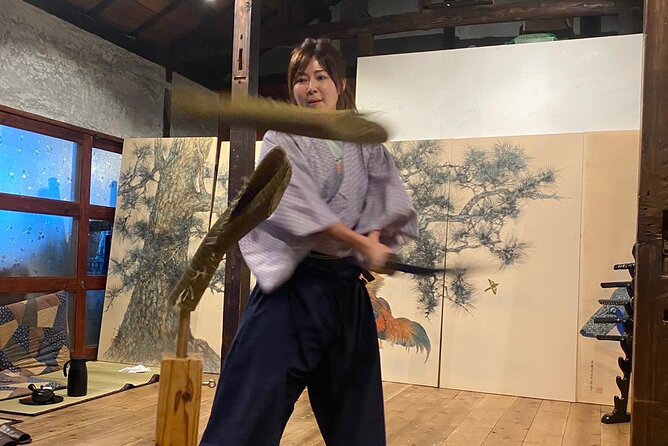
The tour is about 1 hour 30 minutes (approx.). That’s short enough to fit into a packed Tokyo day, but long enough to cover multiple teaching phases: kimono change-in, step-by-step handling, practice drills, cutting, and tea.
The biggest operational advantage is the group cap of four participants. In a class, that changes everything:
- You see corrections faster.
- Your instructor can watch your form directly.
- You can ask questions without waiting your turn.
If you’re time-strapped, this is a strong match. You’ll still get a full experience, but you won’t need to sacrifice half a day to do it.
Location-wise, it’s in Adachi City. Since it’s near public transportation, you should be able to reach it, but plan your route early and aim to arrive on time. This activity ends back at the meeting point, so you don’t need extra coordination after class.
Mobile ticket note: you’ll use a mobile ticket, so keep your phone charged and the confirmation handy.
Price and Value: Why $72 Can Make Sense
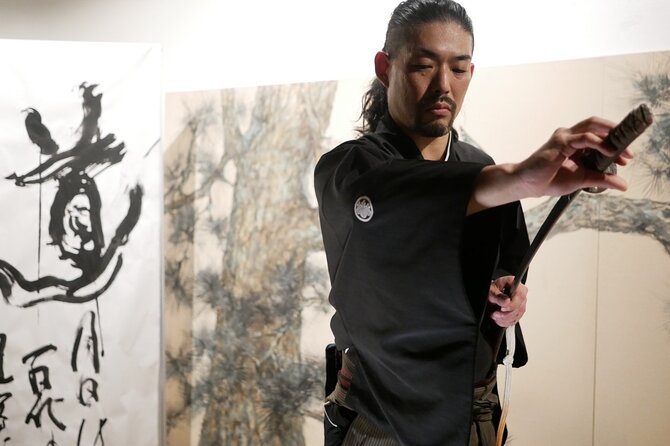
At $72 for about 90 minutes, you’re paying for a private-group, instruction-heavy experience—not a general museum-style viewing. That price makes sense when you break it down:
- You get a dedicated instructor time slot (not a crowd format).
- You receive kimono as part of the session.
- You practice with sword handling and cutting targets.
- You get the cultural framing of Bushido.
- You finish with tea.
If you’ve done cheaper “samurai experiences” that are mostly photos or quick demos, you’ll notice the difference here. The value is in active participation. You don’t just watch. You learn a sequence, practice it, and test it.
Is it for everyone? If you’re looking for a passive cultural walk, skip it. But if you want something hands-on and memorable, this is the kind of class that turns into a story you’ll tell later.
Who This Samurai Bushido Class Fits Best
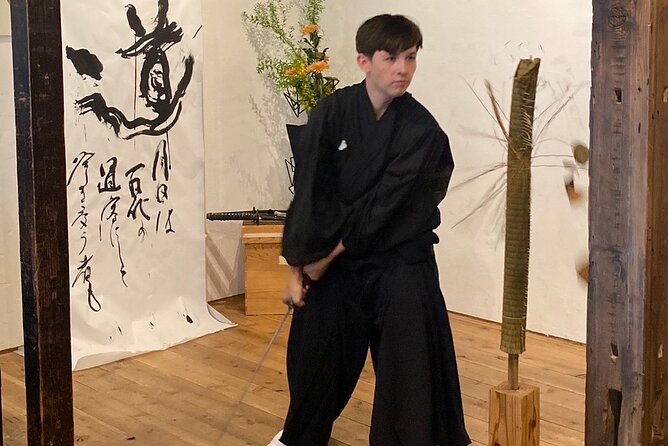
This experience is a good fit if:
- you want a beginner-friendly hands-on learning session
- you care about doing something real, not just posing in costume
- you prefer small-group attention and direct coaching
- you want the sword practice paired with a Bushido cultural perspective
- you’d enjoy an older private house setting with a quieter atmosphere
It’s also described as enjoyable for both men and women, so it’s not “coded” as a one-gender activity.
If you’re sensitive to intense physical focus, go in prepared to concentrate. You’ll be practicing movements with a sword, even with instruction and control in place.
Should You Book This Samurai Sword Class?
Yes—if you want a practical, guided experience that mixes Bushido context with hands-on sword handling.
Book it if:
- you like small groups and want real coaching
- you’re curious about what sword technique actually looks like when practiced
- you want a time-efficient class (under two hours) that still feels complete
Skip it (or at least think twice) if:
- you only want photos and broad sightseeing
- you hate structured practice or learning physical steps in a short window
If you’re on the fence, I’d choose it for the cutting practice and the chance to ask questions in English with instructors like Sensei Musashi Oka and Yoshi San. The tea at the end is a nice finishing touch, but the main reason to book is the training itself—hands on, guided, and built for beginners.
FAQ
How long is the Tokyo Samurai Bushido experience?
It lasts about 1 hour 30 minutes.
What group size is this class limited to?
It is capped at four participants, and it’s described as a private activity for your group.
Is this experience beginner-friendly?
Yes. Beginners can feel at ease because you’re constantly taught and guided during the practice.
What will I do during the session?
You’ll wear a kimono and learn how to draw, hold, swing, and sheath a samurai sword, then practice cutting through straw targets.
Is there an English option for non-Japanese speakers?
Courses are mainly in English, and conversations are described as PokéTalk-compatible.
Where does the experience start?
The meeting point is rojicoya 路地裏寺子屋36-1 Senjuasahichō, Adachi City, Tokyo 120-0026, Japan.
Is free cancellation available?
Yes, you can cancel for a full refund up to 24 hours in advance of the experience start time.