REVIEW · TOKYO
Tokyo: 7 Kinds of Sake Tasting with Japanese Food Pairings
Book on GetYourGuide →Operated by True Japan Tour · Bookable on GetYourGuide
Seven sakes in 75 minutes sounds risky. This Tokyo Minato City tasting turns a flight of sake into a guided, food-led story, with Tanaka-san and Taka-san helping you make sense of sweetness, dryness, and how production changes what you taste. It’s a small-group format, limited to 10 people, so the room stays conversational rather than lecture-y, and you end with dessert-style sake.
I especially like two things. First, the seven-sake variety covers a smart range from sparkling to sweet, so you can actually notice how style and serving approach shift flavor. Second, the pacing is built around food pairings—Japanese and Western bites—so the sake isn’t just poured and forgotten; it’s tasted with purpose.
One thing to watch: the building meeting spot can be a little tricky to locate inside Kikai Shinko Kaikan, so plan a few extra minutes and be ready to check Room B109 on the B1 level if you can’t find your instructor fast.
In This Review
- Key things you should know before you go
- A 75-minute sake-and-food lesson near Tokyo Tower
- Timing and pacing
- Seven sake samples, from sparkling to dessert-style sweet
- What you’re learning as you taste
- How an English-speaking sommelier teaches sake production
- Production basics that actually help your tasting
- Pairings: why the food is part of the point
- What kind of bites you can expect
- Western pairings make this easier to enjoy
- Where to meet (and how not to waste time)
- My practical suggestion
- Price and value: is $106 worth it?
- When this is especially good value
- When it might not be your best fit
- Who this experience suits best (and who should skip it)
- Age note
- Group size and vibe
- Practical tips to enjoy it fully
- Should you book this sake-and-food tasting?
Key things you should know before you go
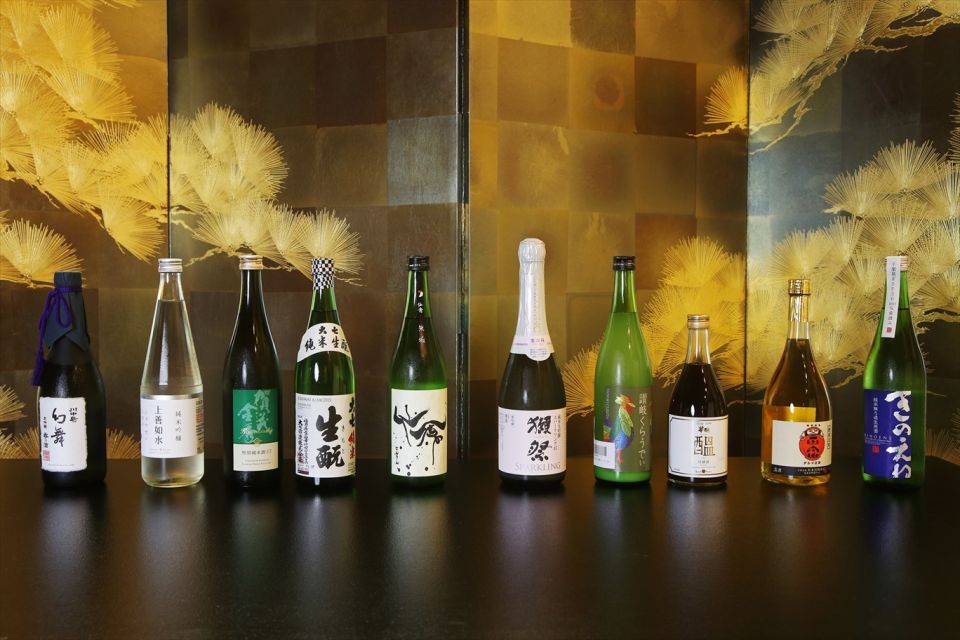
- Seven different sake styles in one sitting, ending with a dessert-style pour
- Accredited sake instruction in English, with history and production explained
- Seven food pairings (Japanese and Western) designed to match each sample
- Small group (max 10) for a more personal tasting flow
- Minato City location opposite Tokyo Tower, convenient for a wider day plan
A 75-minute sake-and-food lesson near Tokyo Tower
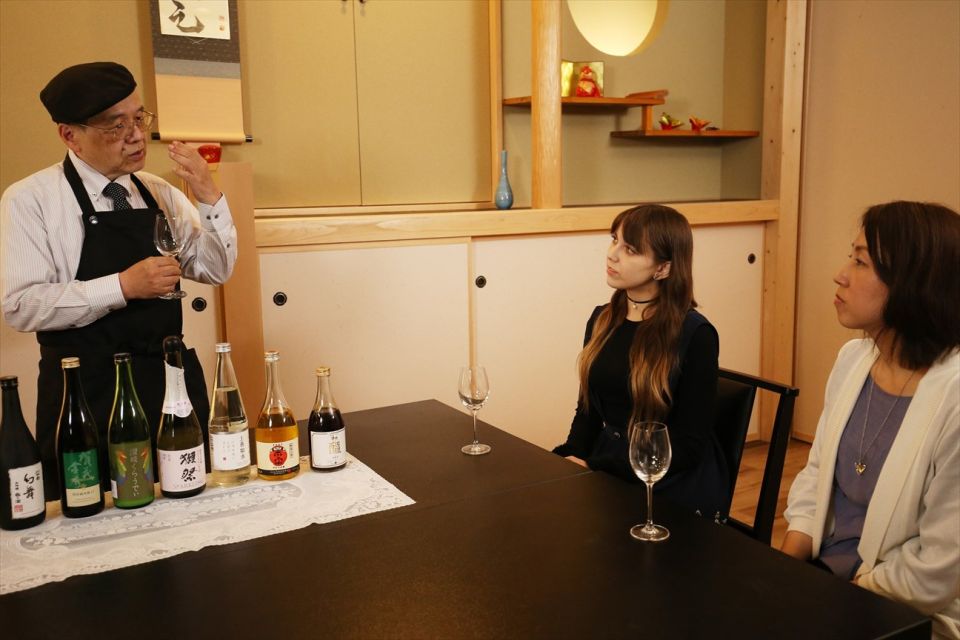
This is a straightforward experience with a clear goal: help you taste sake in a way that makes sense. You get 75 minutes total, which is long enough to cover history, production basics, and tasting notes, but short enough that you’ll still feel sharp at the end when dessert-style sake arrives.
The setting matters. You’ll meet at Kikai Shinko Kaikan, on the 1st floor main entrance, and the building is right opposite Tokyo Tower. That makes it easy to plug into a day that includes sightseeing nearby, especially if you’re already around Minato City and want something that feels very Japanese without requiring advanced knowledge.
You can also read our reviews of more food & drink experiences in Tokyo



Timing and pacing
You’re not expected to know what ginjo, junmai, or other categories mean. The flow is designed to teach you while you taste. The session uses the 7 samples like stepping stones, each one paired with a food bite so your brain gets a comparison point quickly.
If you’re the type who worries about long tastings, you can relax. This one is short, structured, and ends on a sweet note.
Seven sake samples, from sparkling to dessert-style sweet
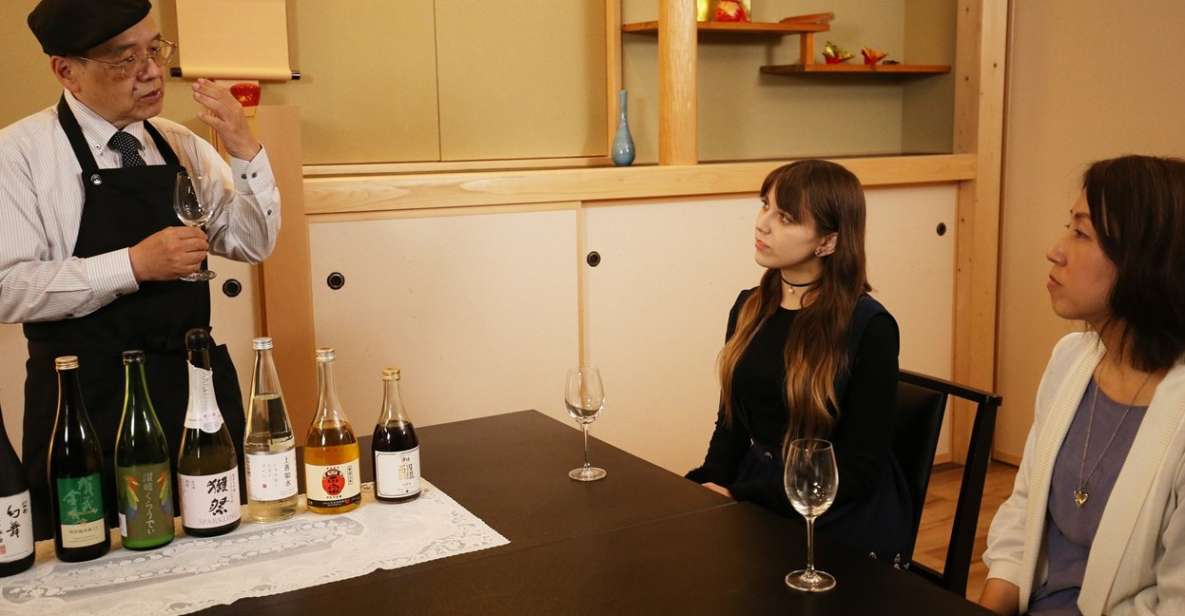
The headline is simple: you’ll taste seven different varieties of sake. The range is intentional—your flight goes from lighter, sparkling-style experiences through savory/dry types, then finishes with something sweet, including dessert-style sake.
That range is valuable because sake can taste like many different drinks depending on:
- the style (sparkling vs. still, dry vs. sweet),
- how it’s made,
- and how it’s served.
The biggest benefit of trying seven back-to-back is that you start building a mental map fast. Instead of treating sake like a single flavor category, you learn it as a spectrum.
What you’re learning as you taste
Even without technical terms, you can learn a lot just by focusing on contrasts:
- How sweetness reads before and after a bite
- How dryness feels on the palate
- Whether a savory pour feels more like food than drink
- How dessert-style sake changes the mood at the end
That ending matters. A dessert-style sample gives you a clean finish when your palate is ready for something softer and sweeter. It’s a better way to close than ending with something dry that makes the whole night feel “serious.”
How an English-speaking sommelier teaches sake production
You’ll be guided by a nationally accredited sake instructor, and the session is taught in English. The explanation isn’t just trivia. You’ll learn about sake’s role in Japanese religion and tradition, plus a little history and how sake is produced.
That’s the part that turns tasting into understanding. When you know that sake is part of everyday celebrations and long-standing practices, the drink doesn’t feel like a tourist beverage. It feels like something people take seriously, even when they’re relaxing with it.
You can also read our reviews of more tours and experiences in Tokyo



Production basics that actually help your tasting
You don’t need a chemistry degree. The goal is practical: learn enough about how sake is made to understand why different types taste different.
This matters especially for international visitors, because sake can be confusing. Some people expect it to taste like only one style. A guided explanation keeps the tasting from becoming random mouthfuls with no pattern.
Also, the fact that the session is English-taught is a big deal in Tokyo. You can ask questions and get direct answers instead of guessing.
Pairings: why the food is part of the point
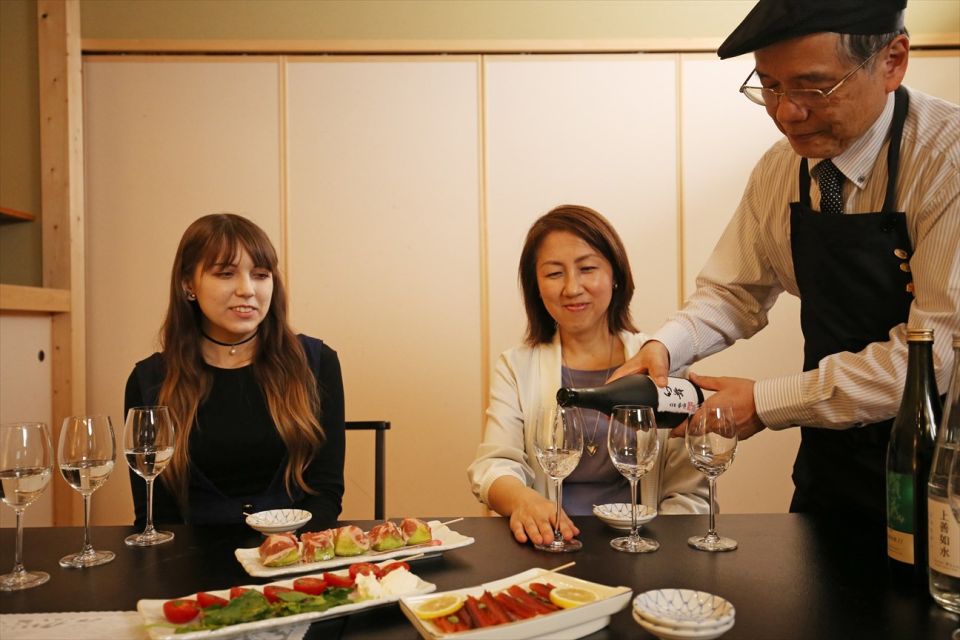
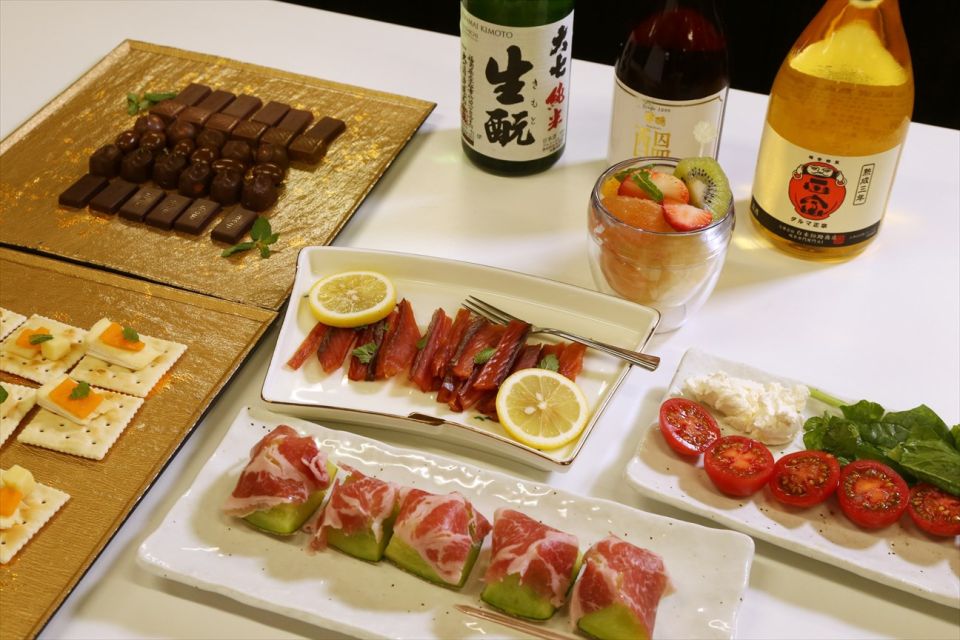
This experience pairs each of the 7 sake samples with 7 food pairings. And it doesn’t limit itself to Japanese-only bites. You’ll get a mix of Japanese and Western dishes, which is a smart move if your goal is variety and comfort.
The pairing format helps in two ways:
- You experience sake in context, not in isolation.
- You learn what to order later, because you’ll connect flavors on your own.
What kind of bites you can expect
You should expect a multi-course setup with different textures and flavors—things like cheese and crudités-style starters, plus heartier dishes such as duck. Some courses may be served hot, and you might see certain components prepared for the pairing at the moment.
The point isn’t to memorize every dish. It’s to notice how the sake changes with each bite. For example, a drier sake often reads differently after something fatty or savory, while a sweet or dessert-style sake becomes more comfortable after richer foods.
Western pairings make this easier to enjoy
If you’re nervous about food pairings in Japan, this helps. Western-friendly options mean you’re less likely to feel like you’re being forced into unfamiliar flavors. You still get the Japanese soul of the experience, but the learning curve is softer.
Where to meet (and how not to waste time)
Meet your instructor at the main entrance of the Kikai Shinko Kaikan building on the 1st floor. The building is opposite Tokyo Tower, so you can use the landmark as your anchor.
Now for the practical bit: if you can’t find your instructor right away, go to True Japan Tour in Room B109 on the B1 floor. That’s a useful fallback, because the building setup can be confusing when you’re standing outside with a phone signal and a time crunch.
My practical suggestion
Give yourself an extra 5 to 10 minutes buffer. If you’re early, you can stand near the entrance and confirm the room number before you get stressed. The experience itself is smooth once you’re inside—getting to it is the only potential headache.
Price and value: is $106 worth it?
At $106 per person for a 75-minute session, you’re paying for a bundle:
- 7 sake samples
- 7 food pairings
- instruction by a nationally accredited instructor
- and a small-group format limited to 10 people
So what makes the price feel reasonable? It’s not just “drinks.” You’re buying structure. You’re buying someone to explain sake’s role in culture and the basics of how it’s made. You’re also getting the pairing component, which usually takes time and effort to figure out on your own.
If you tried to replicate this yourself, you’d likely spend money on multiple bottles or tastings and still miss the explanation that ties the flavors together. Here, the tasting path is planned so you can learn quickly.
When this is especially good value
- If you want to understand sake fast without guessing
- If you like food and want pairings that go beyond generic guidance
- If you prefer a group that stays small enough to ask questions
When it might not be your best fit
If you only want casual drinking with zero interest in learning, you might feel the structure is too “guided.” But if you’re even slightly curious, the format is designed to make the tasting feel rewarding rather than random.
Who this experience suits best (and who should skip it)
This is a strong match for adults who want a guided introduction to sake, plus a food experience that doesn’t feel like a standard restaurant meal.
You should like it if:
- you’re curious about Japanese culture and want the context behind sake
- you enjoy tasting events where you can compare styles back-to-back
- you want both Japanese and Western food options in one session
Age note
It’s not suitable for people under 20. That’s worth keeping in mind if you’re traveling as a family.
Group size and vibe
With a small group capped at 10, it tends to feel intimate rather than crowded. That also means your questions are more likely to get time.
Practical tips to enjoy it fully
A few small choices can make a big difference with sake tastings.
- Pace your bites. The pairings are part of the lesson, so don’t speed-run the food.
- Drink slowly between pours. It’s easier to notice differences in dryness and sweetness if you give your palate a moment.
- Ask questions when they come up. Since you’re in English, this is where you get the most value from the instructor’s explanations.
- Plan your time around the meeting spot. The experience is easy once you’re there; it’s just the building navigation that can cost minutes.
Should you book this sake-and-food tasting?
If you want a guided way to understand sake, this is a smart booking. You get a tight timeline (75 minutes), a high learning value (history and production explained by a nationally accredited instructor), and a tasting format that’s actually useful because it includes food pairings for all seven samples. The small group size also keeps it friendly, and the dessert-style finish is a pleasant way to end.
Book it if you’re around Tokyo Tower / Minato City anyway and you want something distinctly Japanese that still feels approachable. Skip it only if you’re looking for a purely casual drink stop with no interest in pairing and explanation.