REVIEW · TOKYO
Tokyo Food Tour: The Past, Present and Future 11+ Tastings
Book on GetYourGuide →Operated by Hello! Tours · Bookable on GetYourGuide
Food history can taste like dinner. This tour strings together Tokyo’s past, present, and future through 11+ tastings and the stories behind them. I like the way it moves neighborhoods fast, and you get a small-group vibe with a maximum of 8 people.
My other favorite part is the range of what you eat, from classic Nihonbashi ingredients to modern “salaryman” meals under the tracks, then on to Akihabara snacks shaped by youth culture. The one drawback to plan around is the pace: expect about 6.5 km of walking and lots of stair steps at subway stations.
In This Review
- Key things to know before you go
- Tokyo’s food time machine: why this route works
- The walking pace and logistics you should plan for
- Nihonbashi: the umami foundation behind Japanese comfort food
- Tokyo Station: fruit sando and the etiquette of giving
- Yurakucho and under the tracks: eating like salarymen
- Akihabara: how marketing turns snacks into culture
- Price and value: is $164 fair for what you get?
- The guides: what makes this tour feel smooth
- Where to meet: avoiding the common Nihonbashi confusion
- Who this Tokyo food tour is best for
- Should you book this Tokyo Food Tour: Past, Present and Future?
- FAQ
- How many tastings are included?
- How long is the Tokyo Food Tour?
- Is there alcohol on the tour?
- Does the tour run in bad weather?
- Is it suitable for vegetarians or vegans?
- Where do I meet the guide?
Key things to know before you go
- 11+ tastings across three districts, not just one neighborhood with repeat stops
- Past → present → future route logic, tied to ingredients and eating habits
- One alcoholic drink included, plus beer during the Yurakucho segment
- Guides matter here: I heard strong praise for guides like Paiva and Miko for their knowledge and organization
- Rain or shine walking tour with a moderate pace and a non-wheelchair-friendly route
Tokyo’s food time machine: why this route works
Tokyo food tours can be hit-or-miss when they feel random. This one has a clear theme: how Japanese food habits and marketing changed over time, while still tasting like real Tokyo. You’re not just eating; you’re learning what each neighborhood is known for and how that connects to what ends up on plates.
I also like that the tour doesn’t treat “traditional” as museum food. In Nihonbashi you’ll get classic building blocks like dashi and kelp-based flavors. In the Ginza/Yurakucho stretch, you’ll see how everyday workers eat now. Then Akihabara shows how even snack culture gets packaged, promoted, and turned into something younger people want.
You can also read our reviews of more food & drink experiences in Tokyo



The walking pace and logistics you should plan for
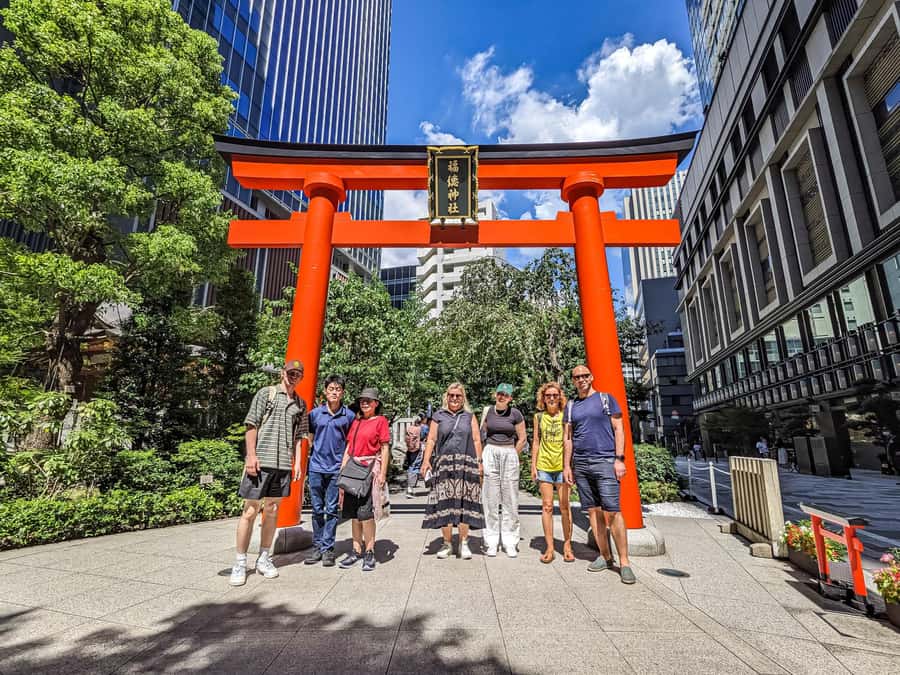
This is a walking tour that takes place rain or shine. You’ll cover about 6.5 km total, at a moderate pace, and you should expect to go up and down stairs at subway stations. If stairs or long walks are tough for you, you’ll likely have a better time choosing a private tour or another format.
You’ll also buy your own subway tickets. The tour includes two short subway rides, but they’re not covered in the price. That’s a small cost, but it’s still something to budget for so you don’t get stuck at the ticket gate.
Comfort items help a lot: comfortable shoes are non-negotiable. Bring a towel and a reusable water bottle. Tokyo can be hot and humid, and you’ll be on your feet.
Nihonbashi: the umami foundation behind Japanese comfort food
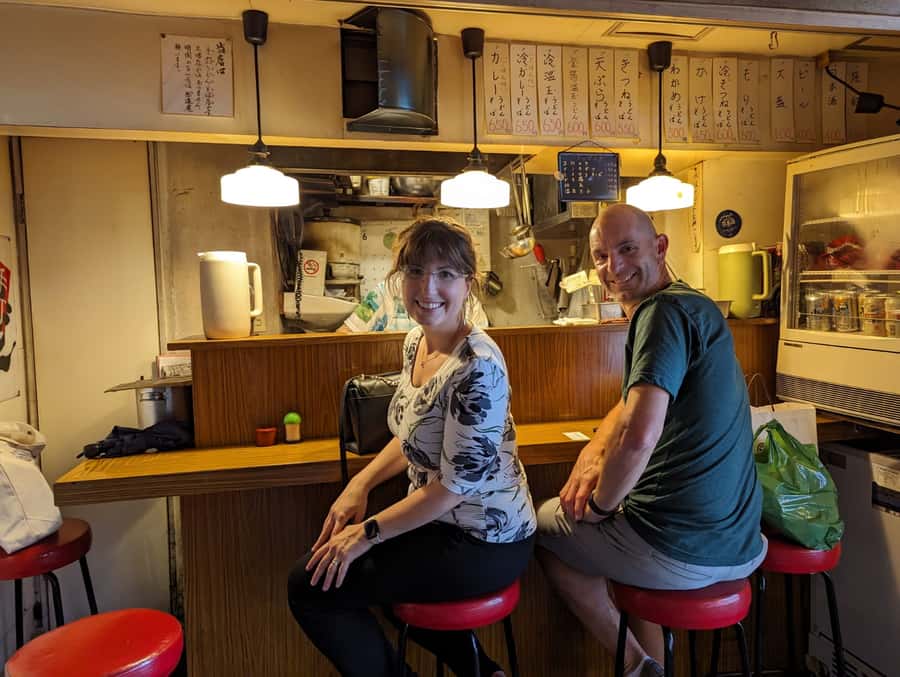
Your tour starts where Japanese food culture takes root: Nihonbashi. This is a smart opening because it sets the “why” behind a lot of Tokyo eating. Before you get modern meals, you learn the core ingredients that make many dishes taste the way they do.
Expect to talk about key components such as dashi (the flavorful base in many soups and dishes), plus essentials like katsuobushi (bonito flakes) and kelp. It’s not just ingredient trivia. When you taste sauces, drinks, or sweets later, you’ll understand what’s doing the flavor work.
You’ll also eat classic Nihonbashi-style treats, including:
- Kombu tsukudani (simmered kelp)
- Amazake (a sweet, healthy fermented rice drink)
- Imo kenpi (sweet potato chips)
- Daifuku mochi (glutinous rice cake with sweet filling)
Some of the shops here have been around for more than a century. That matters because the point of this tour isn’t trend-chasing. It’s seeing how certain flavors and snack habits stuck around, then evolved.
One practical note: since the tour is not suitable for vegetarians or vegans, you should expect animal-based ingredients in parts of the food stops.
Tokyo Station: fruit sando and the etiquette of giving
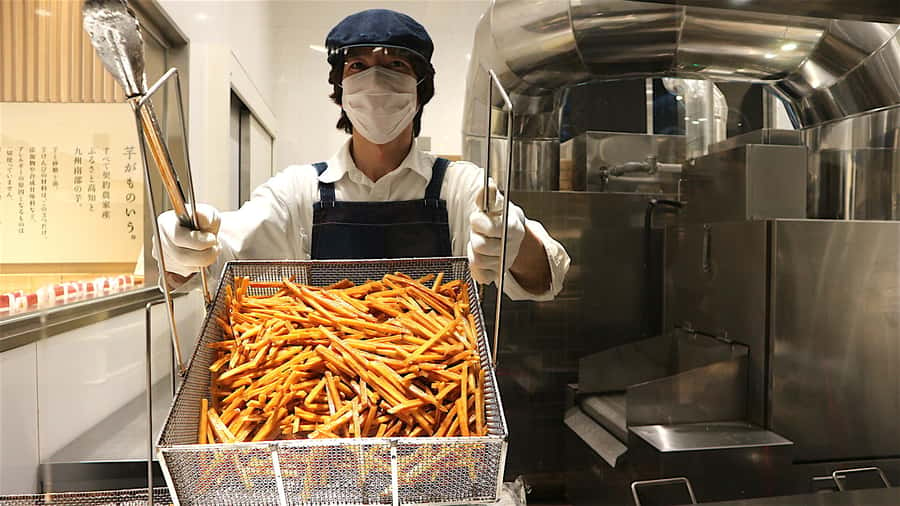
Next comes Tokyo Station, which is basically the city’s high-speed showroom. This stop adds a different flavor of meaning: food as a gift, and food as something built for people moving fast.
You’ll get a look at how Japanese gift-giving culture connects to what’s sold and how it’s presented at major stations. Food at Tokyo Station often feels designed for occasions: easy to carry, pretty to open, and made to share.
A highlight here is the Fruits Sando, a Japanese milk bread sandwich filled with fresh fruit and whipped cream. It’s the kind of sweet that feels modern, but it fits the larger idea: Tokyo’s ability to package everyday life into small, portable treats.
You’ll also connect the station food to Japan’s iconic bullet trains. Even if you’re not riding them, it’s useful context. Tokyo Station isn’t just transportation. It’s where convenience becomes culture.
Yurakucho and under the tracks: eating like salarymen
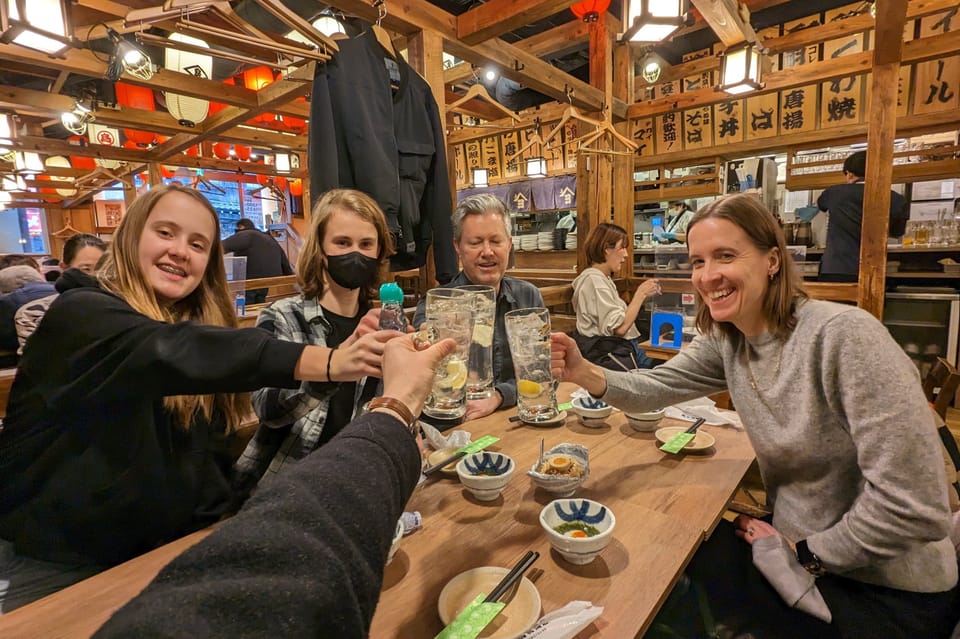
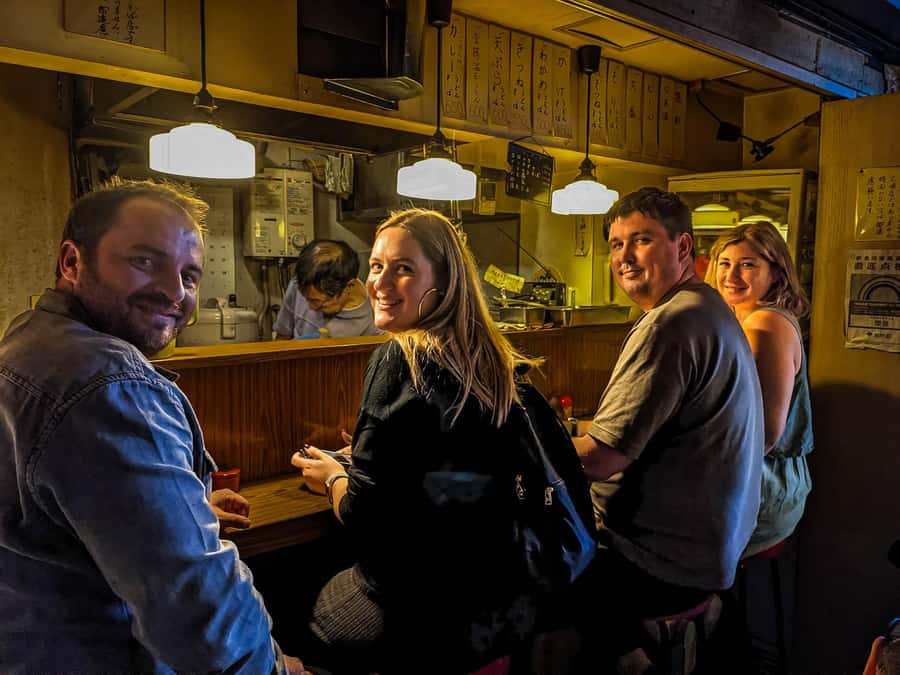
After Tokyo Station, the tour shifts into the everyday Tokyo mode that locals know well: izakaya meals and noodle-stall comfort. This portion is a big reason the tour feels fun instead of academic.
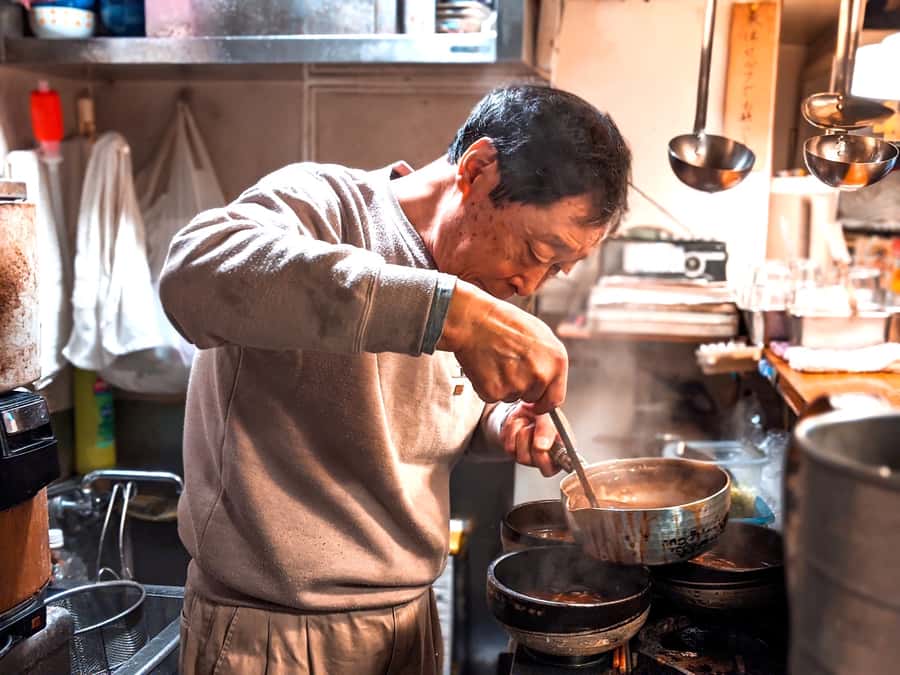
The “salaryman” theme is a good guide to what you’re eating: common chicken dishes, an alcoholic sour drink (a Japanese-style mixed drink), and curry udon. Curry udon is one of those post-war food icons that shows up in Japan like it’s always been there. The tour’s focus helps you understand why it’s so familiar.
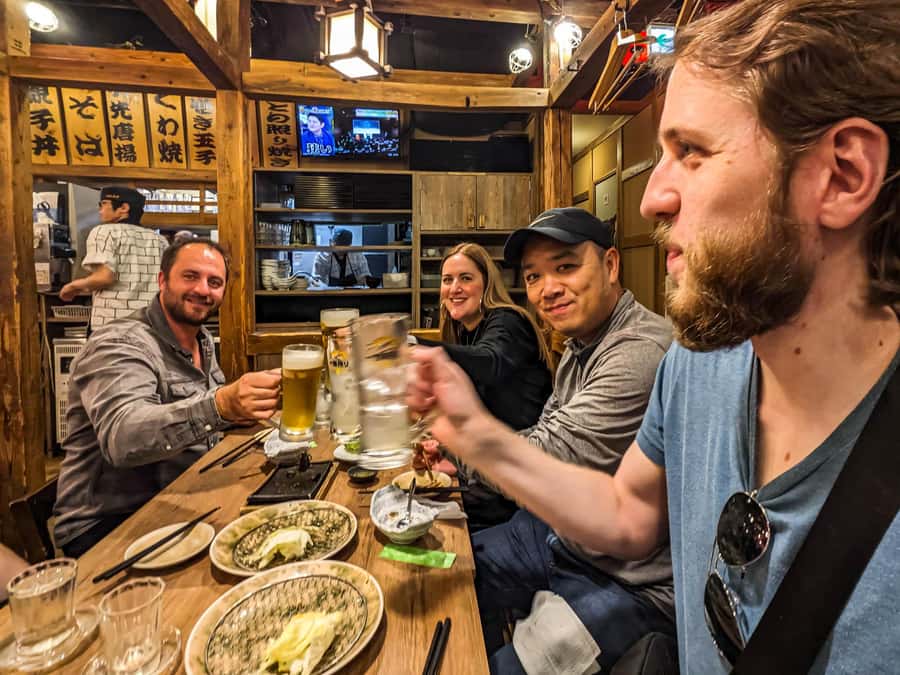
This segment also includes beer and lunch/street food at Yurakucho, plus guided context as you go. Eating here under railway areas gives you a real slice of how Tokyo food fits into the workday rhythm—quick, flavorful, and built for people who eat standing up or in small spaces.
What I like most is the balance. You’re not stuck eating only heavy classics. You get a mix of comfort foods and alcohol, so it feels like a meal out, not a forced tasting parade.
You can also read our reviews of more tours and experiences in Tokyo


Akihabara: how marketing turns snacks into culture
Then you take a short subway hop into Akihabara, where electronics and anime culture meet consumer food habits. This stop is where the tour’s theme of past/present/future becomes obvious.
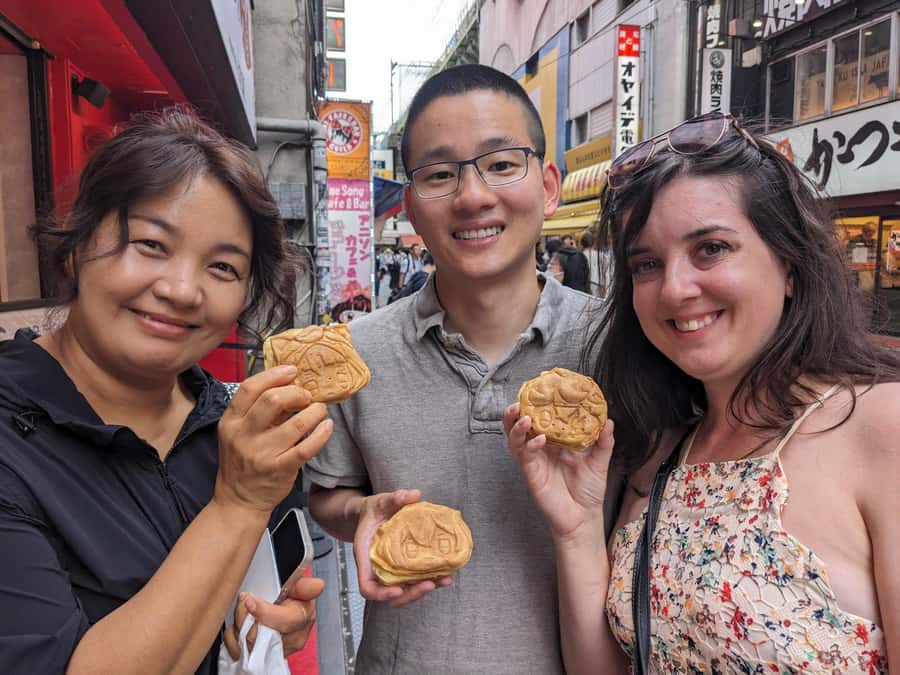
Akihabara is known for tech and subcultures, and the tour uses that backdrop to explain something practical: companies learn how to sell tradition to the next generation. You’ll taste dessert and other traditional snack types, but the focus here is on how they’re presented and promoted.
You’ll also talk about Akihabara’s role in introducing new ideas and subcultures to Japan—then you’ll see how food marketing follows the same rule. Snacks aren’t just snacks. In Tokyo, they’re often part of the identity package.
If you’re even mildly curious about why some foods blow up with younger audiences, this part of the tour can be surprisingly satisfying. It explains the “why” behind what you’re seeing in stores.
Price and value: is $164 fair for what you get?
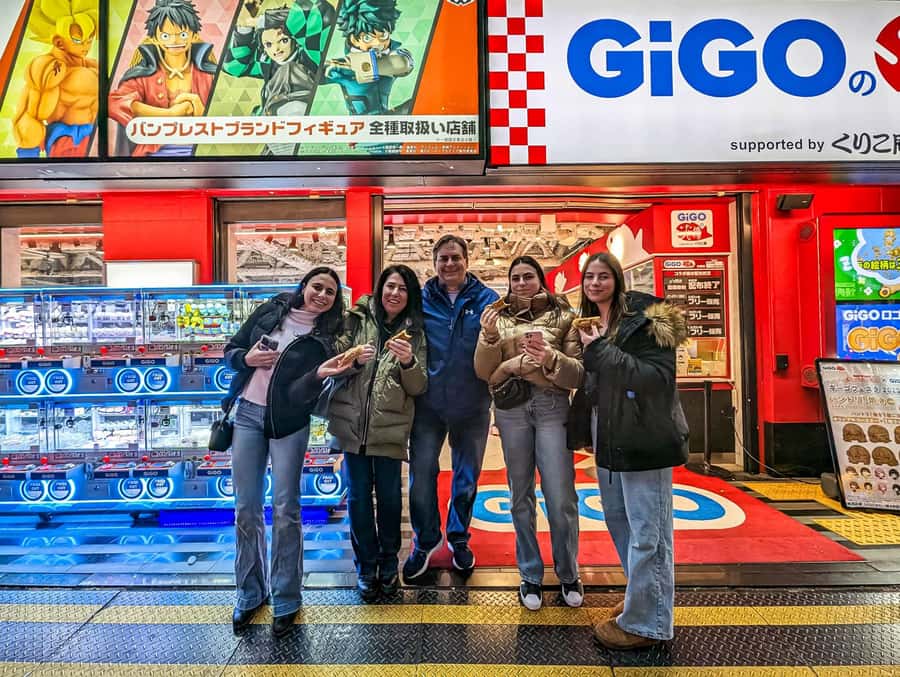
The price is $164 per person, and the value comes from three things: volume, variety, and guided time.
You get 11+ tastings plus one alcoholic drink included. That’s not just small nibbles; you’re eating across multiple neighborhoods and categories: classics (Nihonbashi), station food and sweets (Tokyo Station), and comfort meals with beer and a broader lunch feel (Yurakucho). Add the guided storytelling and you’re paying for a structured “food map” rather than winging it.
Also, the group size is capped at 8, or you can book privately. Smaller groups usually mean less time waiting around and more actual conversation.
Two small things to keep in mind for budgeting: you’ll pay for subway tickets during the tour, and it’s not a vegetarian/vegan-friendly itinerary. If you fit the target audience, it’s priced like a real food outing with planning behind it.
The guides: what makes this tour feel smooth
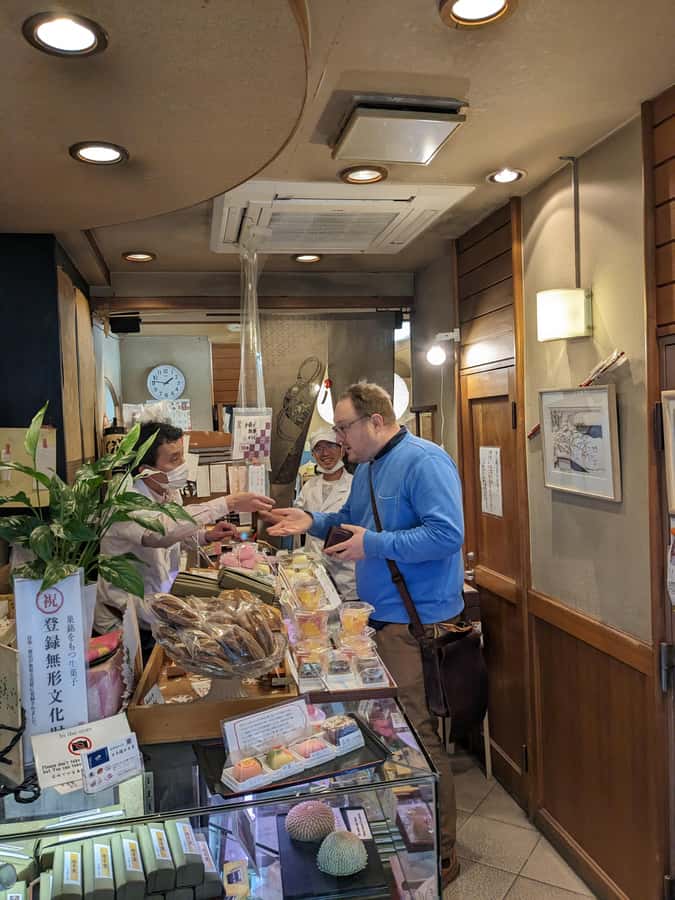
Organization shows up fast on food tours, and this one earns praise for that. Guides like Paiva and Miko were specifically mentioned for being pleasant, knowledgeable about Japan and culture, and good at keeping the pace enjoyable.
What that usually means in practice: you spend less time figuring out where to go, and you get explanations while you’re actually eating. The tour also offers guides in English, Japanese, and Portuguese, which helps if you want clearer context even when a stop gets busy.
Where to meet: avoiding the common Nihonbashi confusion
Meeting point matters here because the start is inside a building. You’ll meet at Nihonbashi Subway Station Exit B12, and you should stay on the basement level. When you come out of Exit B12, you’ll be in a shopping mall. The meeting point is the bench on the right—and you should not go up to street level.
If you’re taking a taxi, ask for Coredo Nihonbashi (1 Chome-4-1 Nihonbashi). There’s an elevator on the right of the entrance. Take it down to the basement area where you’ll find a bench waiting for the guide.
A small tip: arrive a few minutes early. It reduces stress, especially when subways and malls get crowded.
Who this Tokyo food tour is best for
This tour makes the most sense if you:
- Want a structured food crawl across multiple districts
- Like learning the meaning behind what you eat, not just eating it
- Enjoy a mix of classics and modern convenience foods
- Don’t mind walking about 6.5 km and handling stairs in stations
It’s also a strong choice if you enjoy Tokyo pop culture. Akihabara isn’t treated as a separate “electronics day.” It’s used as the future-marketing lens for snacks you can actually taste.
It’s probably not your best match if you:
- Need wheelchair access (the route isn’t wheelchair friendly)
- Need a fully vegetarian or vegan menu (the tour is not suitable for either)
Should you book this Tokyo Food Tour: Past, Present and Future?
I’d book it if you want Tokyo food with a storyline. The past/present/future structure keeps you from getting bored after the first few bites, and the stops cover real Tokyo “systems”: classic ingredient culture, working-people comfort food, station gifting, and snack marketing.
Skip it if you hate walking, can’t handle subway stairs, or need a veg-only diet. For everyone else—especially omnivores who want 11+ tastings plus real local context—this is one of the more practical ways to eat and learn in Tokyo without spending your entire day map-reading.
FAQ
How many tastings are included?
You’ll have 11+ food tastings during the tour, plus one alcoholic drink.
How long is the Tokyo Food Tour?
The tour runs 5.5 to 6.5 hours. Starting times depend on availability.
Is there alcohol on the tour?
Yes. The tour includes 1 alcoholic drink, and beer is part of the Yurakucho segment.
Does the tour run in bad weather?
Yes. The walking tour takes place rain or shine.
Is it suitable for vegetarians or vegans?
No. This tour is not suitable for vegans or vegetarians.
Where do I meet the guide?
Meet at Nihonbashi Subway Station Exit B12 in the shopping mall basement level, at the bench on the right. Do not exit to street level.