REVIEW · TOKYO
REAL, All-Inclusive Tokyo Food and Drink Adventure (leave the tourists behind)
Book on Viator →Operated by Pinpoint Traveler, Inc · Bookable on Viator
Tokyo nights have a real pulse. This small-group tachinomi crawl takes you into Oimachi and Kamata, far from the big-name districts, with cold drinks, good bites, and street-level nightlife tips.
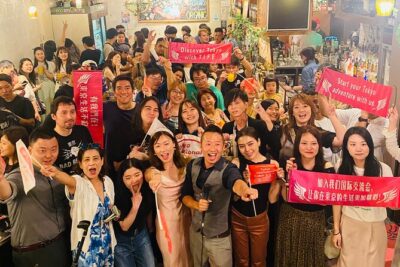
I love the tight group size (limited to five people, with a stated maximum of six), because it keeps the night personal and easy to ask questions. I also love the 3-drink-and-dinner format, which means you actually eat like a local instead of doing the usual snack-and-scramble.
One consideration: this is built around standing bars and walking, and some of the menu choices can be more challenging if you’re very picky or worried about unfamiliar Japanese foods.
In This Review
- Key Points Worth Knowing
- Oimachi and Kamata: Tokyo Nights Without the Usual Noise
- Price and What $125 Really Buys You
- Stop One in Oimachi: Backstreets, Beer, and Tachinomi Snacks
- Stop Two in Kamata: Shotengai Streets and Two More Drink Stops
- The Guides: Why This Tour Feels Personal
- What You’ll Eat and Drink (And How to Order Like You Mean It)
- How to Prepare: Shoes, Hunger Level, and Food Comfort
- Should You Book This Tokyo Tachinomi Tour?
- FAQ
- How long is the Tokyo food and drink adventure?
- What is included in the $125 price?
- Do I need hotel pickup or drop-off?
- Is there a vegetarian option?
- What are the age requirements, especially for drinking?
- Where do we meet, and how does train help work?
- What is the cancellation window for a refund?
Key Points Worth Knowing
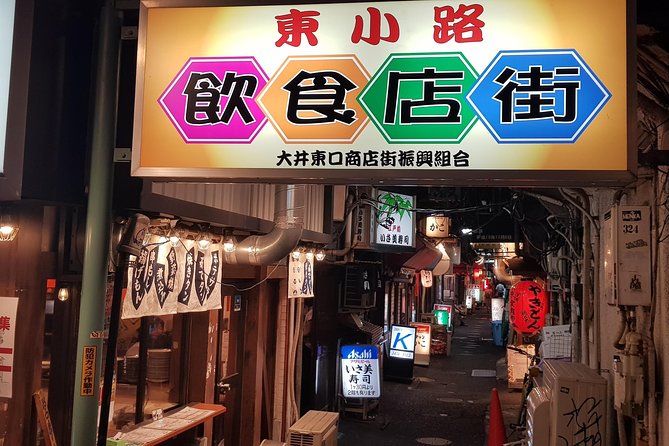
- Oimachi is a quick hop from Shinagawa (about two minutes from the Yamanote Line), then you’re in narrow backstreets fast
- Tachinomi-first pacing keeps the night moving: cold drinks, pub-style snacks, then more spots in Kamata
- Kamata adds the shotengai mood plus bubble-era architecture from the 1980s to early 1990s
- Your dinner is built in: enough food across stops to feel like a full meal
- Guides can go beyond the basics, with examples like Andrew sharing history or Mini helping with Suica basics and souvenirs
- Age rules matter: everyone must be 18+, and the minimum drinking age is 20
Oimachi and Kamata: Tokyo Nights Without the Usual Noise
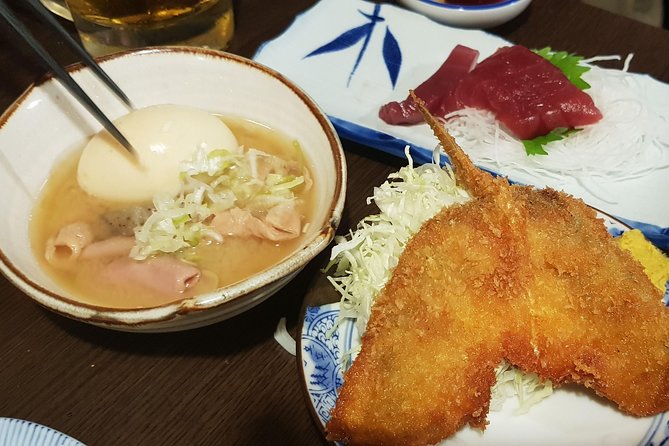
This tour is aimed at the Tokyo you feel more than you photograph. Oimachi and Kamata sit near major train lines, but the vibe is different from the hype zones. You get to see how people actually spend time after work: quick drinks, short meals, loud laughter, and the kind of casual street scene that doesn’t need a selfie stick.
Oimachi is especially good for getting your bearings. It’s only about two minutes off the Yamanote Line from Shinagawa, so you can start the night without a complex commute. Once you’re there, the backstreets feel like Tokyo’s side chapters: smaller entrances, narrower lanes, and the kind of local rhythm you can’t get from a big, planned entertainment district.
Then you roll to Kamata for a totally different flavor. You’re not just switching neighborhoods; you’re switching eras. Kamata has that classic old-school shotengai feel, mixed with architecture from the bubble period (roughly the 1980s into the early 1990s), with newer sprucing in places.
You can also read our reviews of more food & drink experiences in Tokyo



Price and What $125 Really Buys You
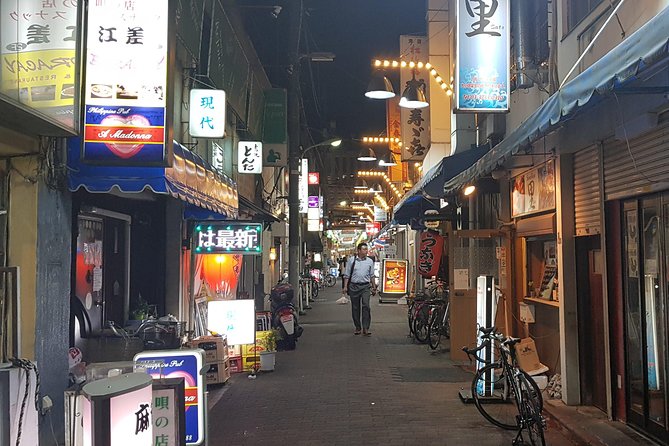
At $125 per person for about 3 hours, the value comes from what’s included—not just what you get to see. You’re paying for a guided night out that covers:
- Dinner (not just a token bite)
- 3 total beverages across the stops, alcoholic or non-alcoholic
- On-tour transportation between neighborhoods
- Alcoholic beverages are included (as long as you’re within the rules)
If you’ve ever done Tokyo food nights on your own, you know how quickly it adds up: one drink becomes two, and then you’re paying full price for meals that don’t feel like local routines. Here, the meals and drinks are part of the plan, and the pacing helps you sample without spending your whole evening figuring things out.
The group size also changes the value. With a maximum of six people (and the experience often described as a group of five), the guide can slow down for questions and adjust for comfort levels—like offering Western palate-friendly choices when helpful, or handling food topics you might be cautious about.
Stop One in Oimachi: Backstreets, Beer, and Tachinomi Snacks
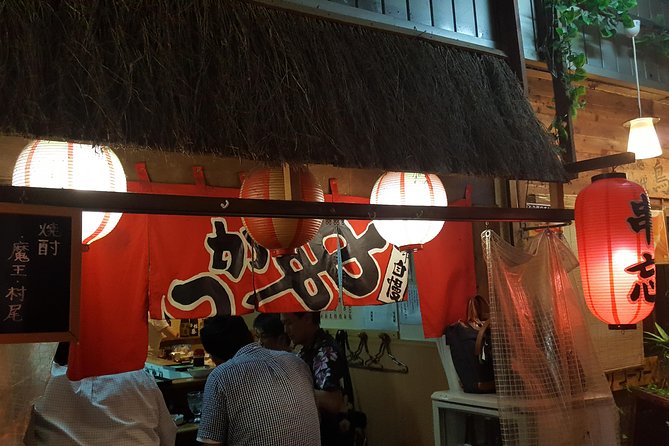
Oimachi is where the night turns real. You start at Ōimachi Station and quickly move into those narrow streets that give the neighborhood its character. The timing is tight in a good way: about 90 minutes at this first stop, so you get enough time to settle in, eat, and learn what you’re looking at.
The first move is a tachinomi experience—standing bars built for casual hanging out. You’ll have your first cold drink and local pub-style food right away, which is smart. It lowers the stress of ordering early in the evening, and it puts you in the right mindset: this is about small plates and conversation, not a formal dining event.
Drink options aren’t limited to beer. And if you’re a little wary of certain foods that tend to be considered more adventurous in Japan, this is where you’ll appreciate the guide’s ability to steer you toward safer alternatives. That matters, because ordering in a standing bar can feel intimidating if you’re staring at a menu that doesn’t match your comfort level.
After you get fed, you shift into an educational walk. This is where the guide’s role really pays off: you’re not just moving between places, you’re learning how the neighborhood works—what to notice on streets like these and how local nightlife is structured around quick stops.
What to watch for: because the setting is standing-bar style, you’ll want to be ready for a night that’s active. Comfortable shoes beat anything trendy here.
Stop Two in Kamata: Shotengai Streets and Two More Drink Stops
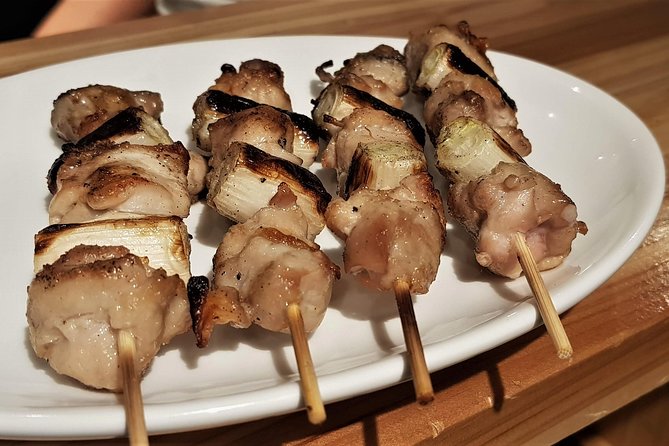
After Oimachi, you hop to Kamata by train—about a six-minute ride. This short transfer keeps the night from dragging, and it helps you build momentum instead of switching gears too often.
In Kamata, you’ll get about 75 minutes, including two restaurants and two drinks after you’ve already had your initial tastings in Oimachi. The guide keeps it simple: eat, drink, then move. You’re getting a fuller picture of the area without the usual problem of ending up at one place that doesn’t match your taste.
The neighborhood details are part of why this works. Kamata is known for a classic shotengai shopping street atmosphere—old-school and walkable—plus bubble-era architecture that shows up in the built form of the area. You also see signs of modernization, which gives you a balanced sense of what Tokyo looks like when it’s not frozen in a postcard.
The food keeps coming, and the vibe here is described as chill, with friendly regulars. That’s the kind of atmosphere that makes a food-and-drink tour feel like a cultural shortcut: you don’t just eat; you learn how the space shapes behavior.
If you want Tokyo nightlife tips, this is where the guide tends to earn their pay. You’ll get guidance focused on the streets around Oimachi and Kamata—practical suggestions for how people actually plan their evenings.
The Guides: Why This Tour Feels Personal
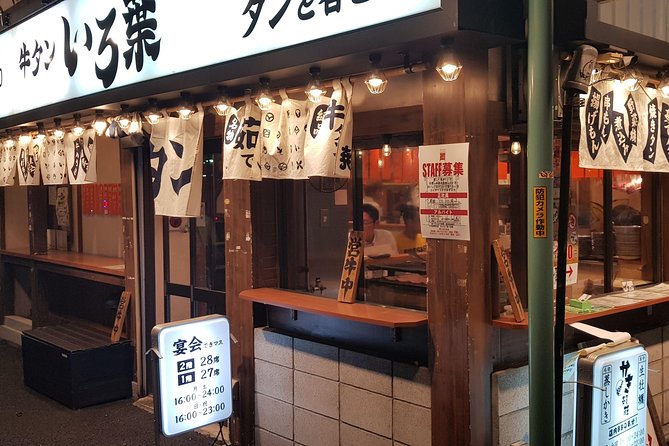
One reason the rating stays high is the guiding. The experience isn’t just about pointing at eateries; it’s about giving context and making you feel like you’re in the right place at the right time.
Examples from recent nights include guides such as Andrew, who’s praised for adding lots of local knowledge and history, and for sharing personal stories that make Japan’s past feel tied to the streets you’re standing in now. Other guides like Mini get mentioned for being friendly and helpful with real-world basics, including Suica card support, plus fun souvenir ideas like flavored Kit Kats.
You might also meet guides like Ryuhki, described as a friend-like companion who mixes neighborhood know-how with history lessons while keeping the pace fun. Another guide named Lukas comes up with a focus on taking people into places they likely wouldn’t choose on their own, with culture explained in a way that feels easy to follow.
There’s also a recurring theme: these guides often talk about things beyond food. Love hotels, for example, show up as a topic that helps you understand Tokyo’s quirky side without turning it into a shock-fest. And more than one guide has helped people with the practical side of travel too—like showing how to purchase a train ticket back.
You can also read our reviews of more tours and experiences in Tokyo



What You’ll Eat and Drink (And How to Order Like You Mean It)
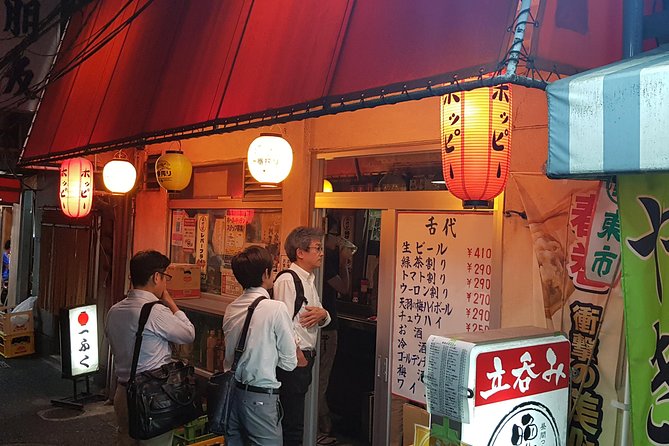
You’re getting enough food for dinner, spread across multiple tastinomi/restaurants. Expect a mix of Japanese-style pub grub and drink-forward moments, usually starting with a cold beer and then moving through other beverage options.
Here’s how to make the food part work for you:
- If you drink alcohol, plan to go with the flow. You’ll have a total of three beverages across the evening, and alcohol is included.
- If you don’t drink, you still get three beverages, just non-alcoholic options. The tour’s built to keep you included either way.
- If you’re cautious about certain foods, tell the guide early. One review notes that there are Western palate-friendly options available, which is exactly what you want if you’re adventurous but not fearless.
- If you want to learn, ask what you’re eating and why it’s served in that kind of place. Tachinomi culture is about routine, not spectacle.
Also remember the rules: everyone in the group must be 18+, and the minimum drinking age is 20. That’s not nitpicky. It affects how the guide can serve drinks and how the night is paced for everyone.
How to Prepare: Shoes, Hunger Level, and Food Comfort
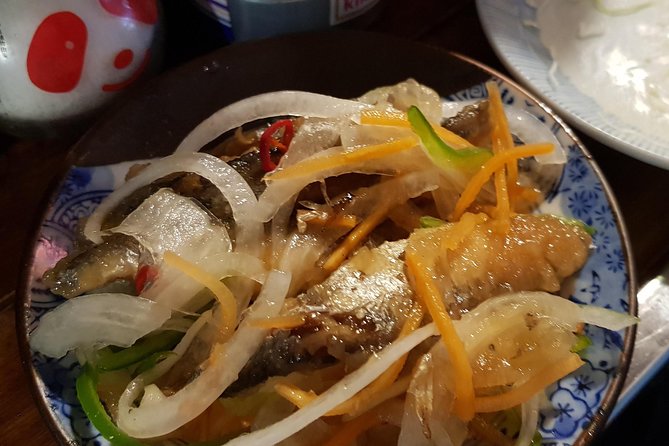
This isn’t a sit-in-a-café-and-chat tour. It’s a night out that includes walking and standing. Even with short transfers, you’ll want:
- Comfortable walking shoes (seriously)
- A hunger level that matches the meal plan (you will eat, but the first stop starts fast)
- An attitude of trying what feels reasonable
If you’re bringing someone vegetarian, there is a vegetarian option available—but you need to advise at booking. The easiest way to have a smooth evening is to flag dietary needs early so the guide isn’t scrambling.
Timing helps too. Starting at 6:30 pm puts you right in the sweet spot where places are open and the streets feel alive. If you show up late, you’ll feel it.
And if you’re worried about ordering in Japanese, don’t. The guide is there for the ordering side and the explanation side. Still, you can help by being clear about what you do and don’t want to try. A simple approach works: ask for a safe choice first, then loosen up as the night goes.
Should You Book This Tokyo Tachinomi Tour?
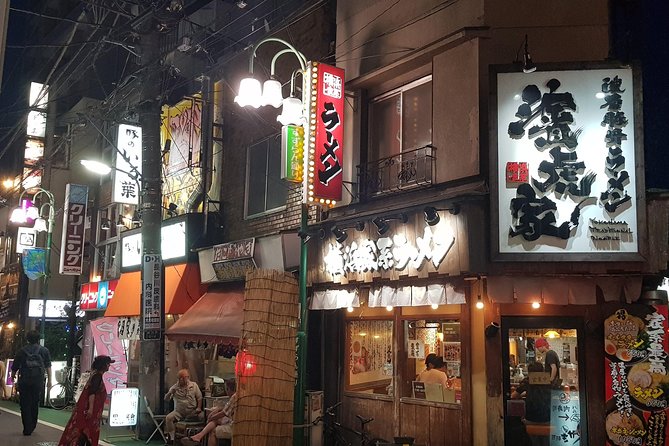
Book it if you want Tokyo food that feels like daily life, not a performance. This is ideal for your first Tokyo night or for anyone who’s already done the big sights and wants a calmer, more local route. The small group size, the built-in meal and drinks, and the Oimachi-to-Kamata pairing are a strong combo.
Skip it (or at least think hard) if you hate standing environments, need fully seated dining, or you’re extremely picky about food. Also keep the age rules in mind: everyone 18+, but 20+ for drinking, and the tour includes alcohol as part of the experience.
If you’re the type who likes neighborhood texture—shotengai streets, bubble-era architecture, and the hum of everyday nightlife—this one is made for you.
FAQ
How long is the Tokyo food and drink adventure?
It runs for about 3 hours (approximately), with stops timed around 1 hour 30 minutes in Oimachi and 1 hour 15 minutes in Kamata.
What is included in the $125 price?
The price includes dinner, a total of 3 beverages (alcoholic or non-alcoholic), and on-tour transportation. Alcoholic beverages are included.
Do I need hotel pickup or drop-off?
No. Hotel pickup and drop-off are not included.
Is there a vegetarian option?
Yes. A vegetarian option is available, but you need to advise at the time of booking.
What are the age requirements, especially for drinking?
All participants must be 18+. The minimum drinking age is 20.
Where do we meet, and how does train help work?
You meet at Ōimachi Station. The guide can help you get on the right train. The tour ends at Kamata Station.
What is the cancellation window for a refund?
You can cancel up to 6 days in advance for a full refund. For a 50% refund, cancel 2–6 days before the experience. If you cancel less than 2 days before, you won’t receive a refund.