REVIEW · TOKYO
Private tour – Scenic Fuji Escape: Hakone, Peace Park & More
Book on Viator →Operated by Mogambo Tours · Bookable on Viator
Fuji views all day, with zero stress. This private trip strings together Hakone’s volcanic stops, two classic Fuji-lake areas, and Mt Fuji viewpoints, all with door-to-door pickup from Tokyo. You also get a guide who helps you make sense of what you’re seeing, instead of just getting shuttled between photo spots.
I like two things a lot: the private group pace (you won’t feel herded) and the mix of big scenery plus calm, cultural stops. That blend matters, because Fuji days can swing from stunning to gray fast, and you still have rewarding places to slow down—shrines, gardens, and lakes.
The main drawback is simple: you need workable weather for the best Mt Fuji views, and some parts of the day involve walking and stairs. Chureito Pagoda, for example, is reached via 398 steps, so bring decent shoes and plan for a moderate effort.
In This Review
- Key highlights
- A Door-to-Door Private Day From Tokyo
- Hakone-Machi: Torii Views, Onsen Country, and Owakudani’s Sulfur Edge
- Lakes Yamanaka and Kawaguchiko: Two Ways to See Mount Fuji
- Lake Yamanaka: Quiet water and easy nature time
- Fujikawaguchiko and Lake Kawaguchiko: The postcard lake
- Oshino Hakkai: Spring-Fed Ponds and Thatch-Roof Nostalgia
- Kitaguchi Hongu Fuji Sengen Jinja: A UNESCO-Linked Shrine in a Cedar Forest
- Mt Fuji 5th Station and Chureito Pagoda: Icons, Altitude, and the Stairs
- Mt Fuji 5th Station: The pilgrimage viewpoint
- Chureito Pagoda: Classic Peace-Memorial Fuji Frame
- Fuji Bussharito Heiwa Park Peace Park in Gotemba: A Quiet Stupa With Real Meaning
- Ramen, a Lake Cruise, and the Stuff That Makes the Day Feel Human
- Price and Value: Is $465 per Group Worth It?
- Practical Tips: Making the Most of Your Fuji Day
- Weather is the big variable
- Bring footwear that handles steps and uneven ground
- Plan for a full day, not a quick hop
- Use the mobile ticket and confirm what you’ll pay
- Who This Tour Fits Best (and Who Might Want Something Else)
- Should You Book Scenic Fuji Escape?
- FAQ
- How long is the Scenic Fuji Escape tour?
- Is this tour private, and how many people can join?
- What’s included in the tour price?
- Are entrance fees included?
- Does the tour include pickup from Tokyo?
- Is there free cancellation?
Key highlights
- Hakone volcanic sights at Owakudani: sulfur views and that classic crater-town vibe
- Lakes for different moods: Lake Yamanaka for calm and Lake Kawaguchiko for postcard views
- Oshino Hakkai ponds: clear spring-fed water with traditional thatched houses
- UNESCO-area shrine forest at Kitaguchi Hongu Fuji Sengen Jinja: long, atmospheric approach under cedar shade
- Mt Fuji icons without guesswork: 5th Station viewpoint and Chureito Pagoda’s steps
- Gotemba Peace Park: a quiet memorial with a chalky stupa and Buddha imagery
A Door-to-Door Private Day From Tokyo
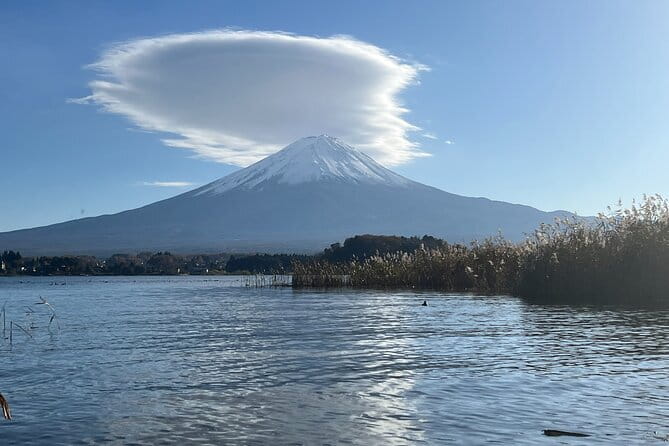
This is built as a private day trip for up to 6 people, with pickup and drop-off in Tokyo. That “no logistics” feeling is real value here. You spend your energy on the sights, not on trains, transfers, or trying to coordinate timing across multiple regions.
You also travel in an air-conditioned vehicle with an English-speaking guide, plus highway charges are included. The tour runs about 9 hours (and the experience is described as roughly 8 hours, with extra time beyond that costing more), so it’s a full-day plan—good for people who want their day to count.
And because it’s private, the pace is more flexible. If you want a few extra minutes for photos at a lake, or you need to slow down near a shrine path, it’s easier to work with than on a crowded group bus.
You can also read our reviews of more private tours in Tokyo

Hakone-Machi: Torii Views, Onsen Country, and Owakudani’s Sulfur Edge
Hakone is the classic bridge between Tokyo and Mt Fuji—mountain roads, hot spring culture, and volcanic terrain. In this itinerary, you start in Hakone-machi within Fuji-Hakone-Izu National Park, a mountainous town known for onsen and big views of Fuji.
One stop you’ll likely enjoy is Hakone Shrine, famous for its red torii gate over Lake Ashi. Even if you don’t take the boat ride, the shrine area sets the tone: this is still Japan, not a theme park. The torii-and-lake combination is one of those “of course it’s famous” moments.
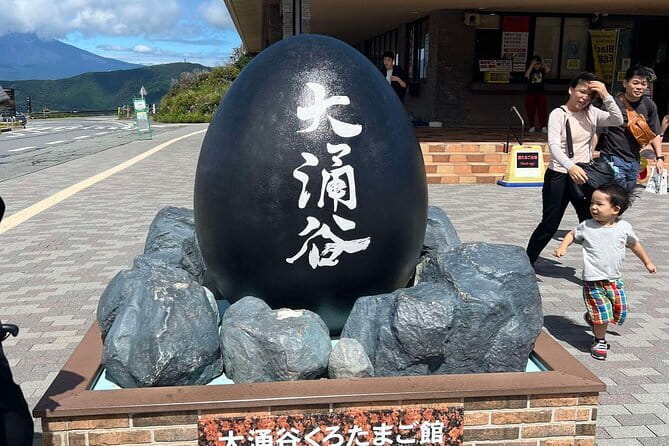
Then there’s Owakudani Valley, known for boiling sulfur springs. This is the volcanic part of the day, and it helps you understand Hakone beyond postcards. The smells and visuals remind you this area sits in an active volcanic system—so later, when you’re in the Fuji lakes and shrine grounds, you’re seeing the same region’s story from different angles.
Hakone-machi is also where you get a feeling for why people come back to this area. It’s not only about one view—it’s about the blend of nature and culture.
Watch for: Hakone roads and walking can add up. Even though this stop is described as about an hour, you’re still moving between viewpoints, shrine spaces, and the volcanic area.
Lakes Yamanaka and Kawaguchiko: Two Ways to See Mount Fuji
Fuji-lake sightseeing can be magical—or frustrating—depending on the day. The tour handles that by giving you two different lake experiences, each with its own rhythm.
Lake Yamanaka: Quiet water and easy nature time
Lake Yamanaka is known for tranquil waters and scenic walking trails around the lake. It’s a good counterpoint to Hakone’s volcanic intensity. You’ll get a calmer setting where Fuji can appear over the water, or you can simply enjoy the lake atmosphere if the sky isn’t cooperating.
This stop is short—about 30 minutes—so don’t expect a long hike. Think of it as a “reset” stop to stretch your legs and catch your Fuji moment.
Fujikawaguchiko and Lake Kawaguchiko: The postcard lake
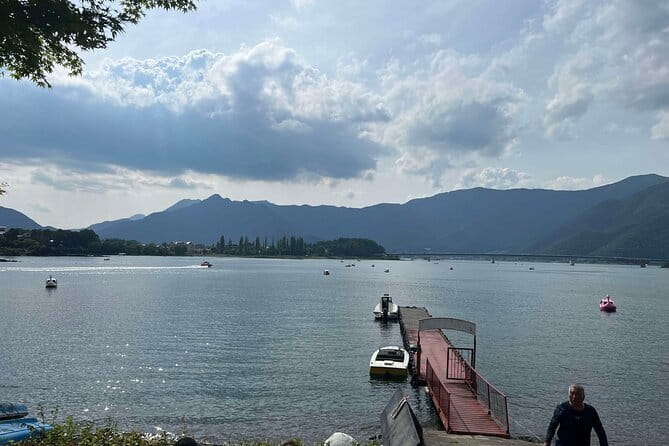
Next you move to Fujikawaguchiko, home to Lake Kawaguchiko, the second-largest of the Fuji Five Lakes by surface area (and noted as one of the lowest elevations). This is one of the most dependable places on the Fuji circuit for iconic views.
You’ll spend time at Oishi Park on the north shore, where you can see Mt Fuji and the lake together. This is a serious photo zone, especially on sunny mornings, when the promenade flowers are in play. You’ll likely find it’s the kind of place where people slow down. The view is the reason, but the pacing is the treat.
Watch for: Oishi Park’s charm changes with the season. If you’re going when flowers are less dramatic, you’ll still enjoy the water-and-mountain perspective, but the “flower postcard” look may be subtler.






Oshino Hakkai: Spring-Fed Ponds and Thatch-Roof Nostalgia
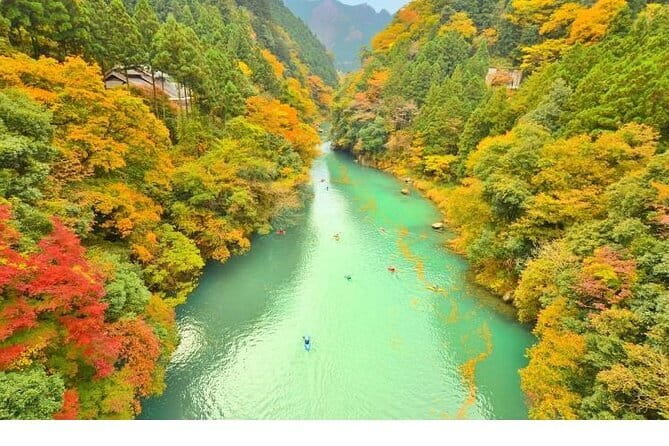
Oshino Hakkai is one of those stops that feels instantly “Japan-country.” You’ll see eight clear, spring-fed ponds fed by Mount Fuji snowmelt. That detail matters: the water clarity and the way the ponds sit in a rural setting is what makes this place more than just a scenic rest stop.
The area is also known for traditional thatched-roof houses, which gives you visual context for how people lived near the Fuji region. It’s a chance to slow the day’s tempo and appreciate the landscape as a living system, not just a view behind glass.
This is about an hour, which is enough time to walk the area, take photos, and learn what you’re looking at without feeling rushed.
Watch for: Entrance fees aren’t included for this stop. So if you’re budgeting tightly, keep a little cash or card space reserved for fees.
Kitaguchi Hongu Fuji Sengen Jinja: A UNESCO-Linked Shrine in a Cedar Forest
Next up is Kitaguchi Hongu Fuji Sengen Jinja, part of the Mt Fuji UNESCO World Cultural Heritage area (designated in 2013). This shrine matters because it’s tied to the deity of volcanoes in general and Mount Fuji in particular.
One of the best parts here is the approach: the shrine precinct is spread across 99,000 square meters, and it’s set in old-growth forest. You move along a long pathway lined with mossy stone lanterns under tall cedar trees, which makes the space feel old in the best way—quiet, shaded, and a little dramatic.
The grounds also include four trees believed to be around 1,000 years old, with a huge girth. Details like that turn the shrine from “a place you saw” into a place with deep time.
This stop is about 45 minutes, and it’s not just walking. You’ll likely spend part of the time focusing on what the guide explains—why the shrine is where it is and how it relates to Mount Fuji’s spiritual meaning.
Watch for: Entrance fees aren’t included. Also, plan for forest shade and uneven ground—comfortable shoes help.
Mt Fuji 5th Station and Chureito Pagoda: Icons, Altitude, and the Stairs
This portion is where many people come to “check the boxes” for Mt Fuji. The trick is doing it without stressing yourself out.
Mt Fuji 5th Station: The pilgrimage viewpoint
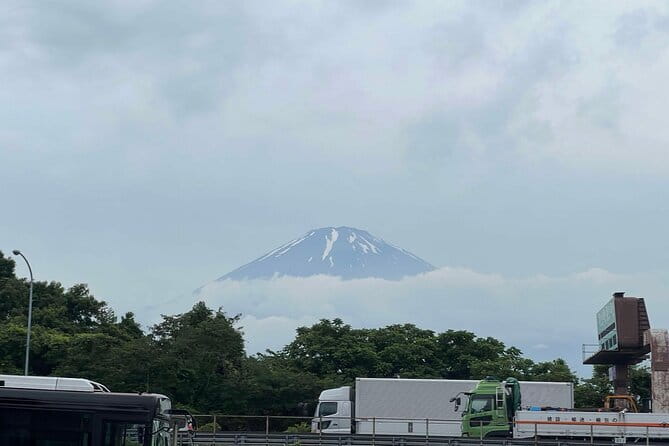
You’ll visit Mt Fuji 5th Station, described as a pilgrimage site for centuries. It’s a popular staging point for summit hikes, and it’s also where the mountain’s iconic profile shows up in art and prints.
This stop is about an hour, and entrance fees aren’t included. Even if you don’t climb further, you get the feeling of being closer to the volcano system than you were in Tokyo or even Hakone.
Chureito Pagoda: Classic Peace-Memorial Fuji Frame
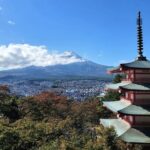
Then you head to Chureito Pagoda, the five-story pagoda in Arakurayama Sengen Park. It’s associated with the Arakura Fuji Sengen Shrine and is described as a peace memorial added in 1963.
This is famous for a reason: on a clear day, you get that clean Fuji-and-pagoda composition. But don’t ignore the workout part of the experience. The pagoda is reached via 398 steps, so it’s not a “flat and easy” stop.
Watch for: Weather again. When visibility improves, the payoff is huge. When clouds hang low, you still enjoy the pagoda and the park viewpoint, but the iconic Fuji alignment may be less crisp.
Fuji Bussharito Heiwa Park Peace Park in Gotemba: A Quiet Stupa With Real Meaning
After the big sightseeing icons, you get a more reflective stop: Fuji Bussharito Heiwa Park in Gotemba City. The park is built for a wide view of Mt Fuji and includes a distinctive chalky stupa.
Here’s a detail that makes it feel specific, not generic: the stupa is said to keep Buddha’s ashes presented by late Indian Prime Minister Nehru, and it also houses four golden images of Buddha. In front of the stupa, there are guardian dogs of respective Asian countries lined up.
You’ll also see a pond circuit-style Japanese garden, which is a nice change of pace after stair climbs and viewpoint stops. In about 45 minutes, it’s long enough to reset, read the symbolism, and let the day breathe.
Entrance is marked as free here, which is a nice budget win.
Ramen, a Lake Cruise, and the Stuff That Makes the Day Feel Human
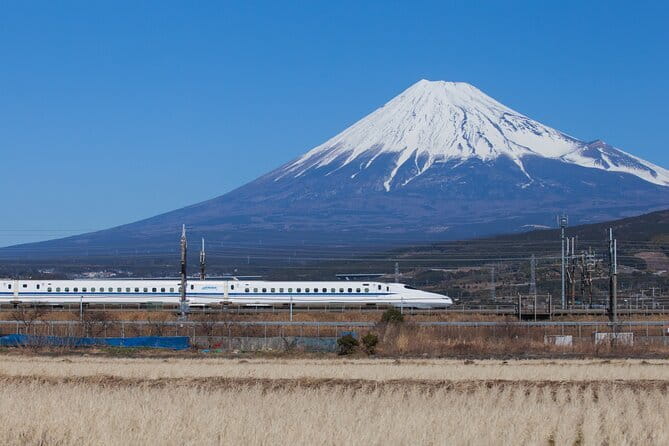
Not everything on this type of trip is about the view. The itinerary is built around the idea that Fuji day trips should feel like a full day in the region, not a checklist.
You’ll also have time for ramen and a cruise on Lake Kawaguchiko. Lunch isn’t included in the package, but ramen fits the “authentic and fast enough” rhythm for a busy day like this. If you like your food simple and local, this is the kind of add-on that can turn a good day into a great one.
Practical tip: Because lunch isn’t included, eat before you get too hungry. On a long day with multiple stops, being hungry at the wrong time makes walking and stairs feel harder.
Price and Value: Is $465 per Group Worth It?
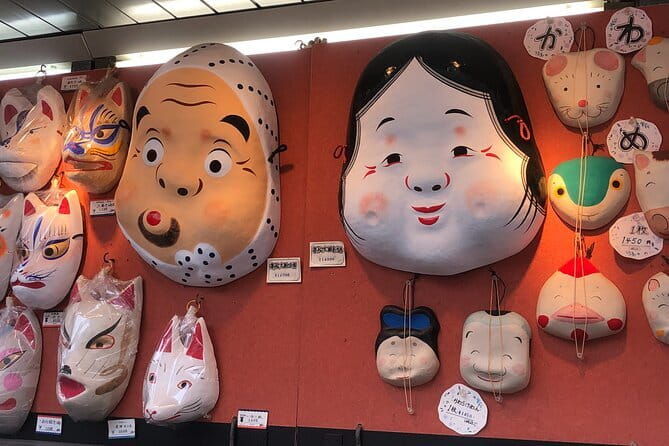
The price is $465.00 per group for up to 6 people. For a private, door-to-door day trip from Tokyo with highway tolls included, that can be strong value if you’re traveling with friends or family.
Here’s where the math usually makes sense:
- You avoid train transfers and waiting time between scattered stops.
- You get an English-speaking guide who helps you understand each site fast.
- You’re not sharing your day with strangers, so you can move at a comfortable pace.
What’s not included matters, too. Entrance fees are not included, and lunch is not included. That means your final cost can rise depending on which sites you pay into. Still, several stops are listed as free admission, and the biggest budgeting unknown is entrance fees at the stops marked not included.
For couples or solo travelers, private day trips often cost more per person. For groups of 4–6, the per-person cost typically becomes more reasonable.
Practical Tips: Making the Most of Your Fuji Day
Weather is the big variable
Mt Fuji viewing depends heavily on visibility. You can do everything right and still face cloud. The best strategy is to enjoy each stop on its own terms, not only as a Fuji photo opportunity—Hakone’s volcanic character and Oshino Hakkai’s spring ponds still deliver, even when Fuji is partly hidden.
Bring footwear that handles steps and uneven ground
Chureito Pagoda’s 398 steps is the clearest example. Also expect to walk on shrine paths and through parks. If you choose shoes that are comfortable for stairs and a bit of uneven ground, your energy stays where it should: on the views.
Plan for a full day, not a quick hop
This runs about 9 hours. You’re stacking multiple regions: Hakone, the Fuji lakes area, Oshino Hakkai, shrine grounds, and then the Gotemba Peace Park. It’s exciting, but it’s still a full itinerary.
Use the mobile ticket and confirm what you’ll pay
The tour includes a mobile ticket, which helps reduce hassle. Entrance fees are not included, so keep an eye on what each stop costs before you commit.
Who This Tour Fits Best (and Who Might Want Something Else)
This private Fuji escape is best if you want:
- a single guided day that hits the big icons without transit stress
- cultural stops alongside scenery (shrines, gardens, and the Peace Park)
- a group setup of up to 6 people where you can share the cost
It also suits people who prefer moderate, steady walking rather than intense hiking. Your fitness should be “moderate,” and you should be fine with stairs at Chureito Pagoda.
If you’re the kind of traveler who wants a super slow day with long hikes, you might feel this is packed. But if you want a well-paced, high-value sampler of Fuji region highlights, this format is made for you.
Should You Book Scenic Fuji Escape?
I’d book this tour if you’re trying to maximize your time from Tokyo and you care about more than just a single Fuji viewpoint. The blend of Hakone volcanic character, Fuji lakes, Oshino Hakkai ponds, a UNESCO-linked shrine forest, and the Gotemba Peace Park gives you variety that holds up even when the weather isn’t perfect.
I’d hesitate if stairs and walking create problems for you, or if your whole day’s happiness depends on one perfectly clear Mt Fuji panorama. In that case, you might prefer a slower plan with fewer moving parts.
If you’re traveling in a small group and you want a guide to handle timing and connections while you enjoy the sights, this is a strong, practical pick.
FAQ
How long is the Scenic Fuji Escape tour?
The tour is listed as approximately 9 hours.
Is this tour private, and how many people can join?
Yes, it’s private. Only your group participates, with pricing for up to 6 people.
What’s included in the tour price?
Included items are an air-conditioned vehicle, an English-speaking guide, pickup and drop-off, private transportation, and highway charges. You also receive a mobile ticket.
Are entrance fees included?
Entrance fees are not included. Some stops are noted as free admission, but others are not included.
Does the tour include pickup from Tokyo?
Pickup is offered, and the tour ends back at the meeting point in Tokyo.
Is there free cancellation?
Yes. Free cancellation is available up to 24 hours in advance for a full refund.