REVIEW · TOKYO
Tokyo: Learn about Japanese Traditional art KABUKI in Ginza
Book on GetYourGuide →Operated by gotcha Corporation · Bookable on GetYourGuide
Kabuki, but make it fast. This Ginza experience centers on the Kabukiza theater area, where you get a guided look at Japanese traditional performing arts without needing a full evening plan. It’s a practical way to connect the dots between Kabuki culture and the shops that orbit the theater in central Tokyo.
I especially like two parts: the English live guide format (small group, so questions are doable), and the chance to shop for Kabukiza-only souvenirs you won’t easily find elsewhere. It’s the kind of stop that feels efficient, not rushed.
One thing to watch: this is not a Kabuki performance tour. Kabuki viewing isn’t included, and if you’re expecting even a short show, you may feel shortchanged.
In This Review
- Key things to know before you go
- Kabuki in Ginza, why this 90-minute plan works
- Finding Nissan Crossing and keeping the meeting simple
- Kabukiza building gallery tour: what you’ll actually learn
- Souvenir time around Kabukiza: shop with a plan
- Mitsukoshi Ginza branch after Kabukiza: an old Tokyo pivot
- Price and value: is $51 worth 90 minutes?
- Who should book this Kabuki culture stop
- A quick heads-up on expectations: the biggest tripwire
- Should you book this tour?
- FAQ
- Where do I meet for the tour?
- How long is the tour?
- Is Kabuki viewing included?
- What is included in the tour price?
- What language is the guide speaking?
- How large is the group?
- Is shopping included?
- Can I cancel for a full refund?
- Can I reserve and pay later?
- What do we do after visiting Kabukiza?
Key things to know before you go
- Kabuki viewing is not included, so plan other arrangements if you want seats
- Small group (up to 9) helps keep the pace manageable during the 90 minutes
- Kabukiza gallery time is the core learning moment with a live guide
- Kabukiza-only shopping is a big draw, but you’ll pay for what you buy
- Mitsukoshi Ginza branch adds a classic Tokyo department store stop after Kabukiza
Kabuki in Ginza, why this 90-minute plan works
If you only have a slice of Tokyo and you still want more than a photo at a theater, this kind of short Kabuki culture tour makes sense. Ginza is not just shopping; it’s also one of the places where Japan’s traditional entertainment still leaves a clear footprint. The Kabukiza area is a concentrated zone, so you can learn and shop without playing transportation chess for hours.
The best part is the focus on a quick cultural orientation. In 90 minutes, you’re not trying to master Kabuki history in one go. You’re getting the key ideas you can carry with you later—so when you see Kabuki posters, costumes, or references around Tokyo, you’ll actually know what you’re looking at.
You can also read our reviews of more tours and experiences in Tokyo.



Finding Nissan Crossing and keeping the meeting simple
Your meetup is in front of NISSAN CROSSING. That’s useful because it gives you a clear, public landmark rather than a vague address in a side street. In a city as big as Tokyo, a clean meeting point lowers stress, especially for a short tour where timing matters.
Since the whole experience runs about 90 minutes, arrive a little early, do a quick orientation check, and then let the guide lead the way. This is also the kind of tour where you’ll want both hands free—because once you start shopping around Kabukiza, you’ll burn time quickly if you’re not ready.
Kabukiza building gallery tour: what you’ll actually learn
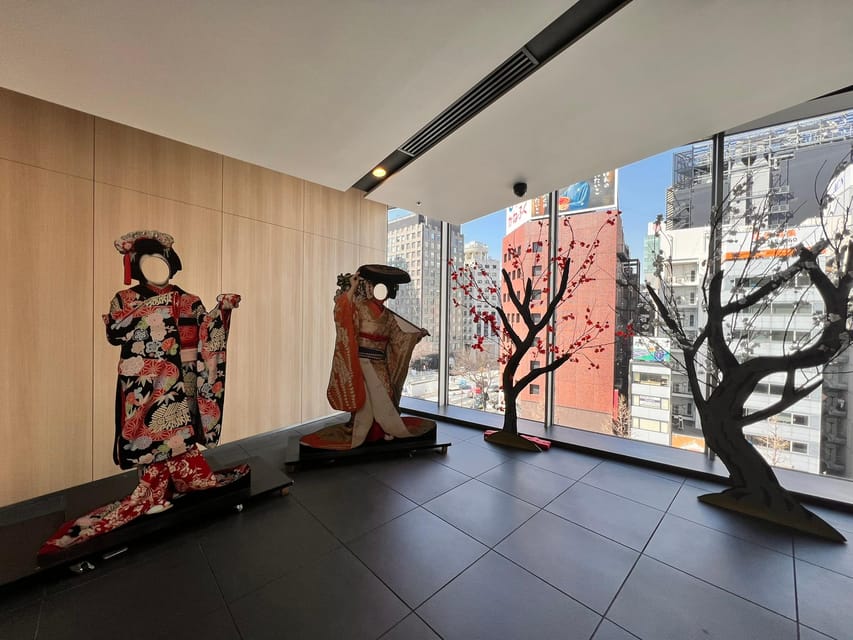
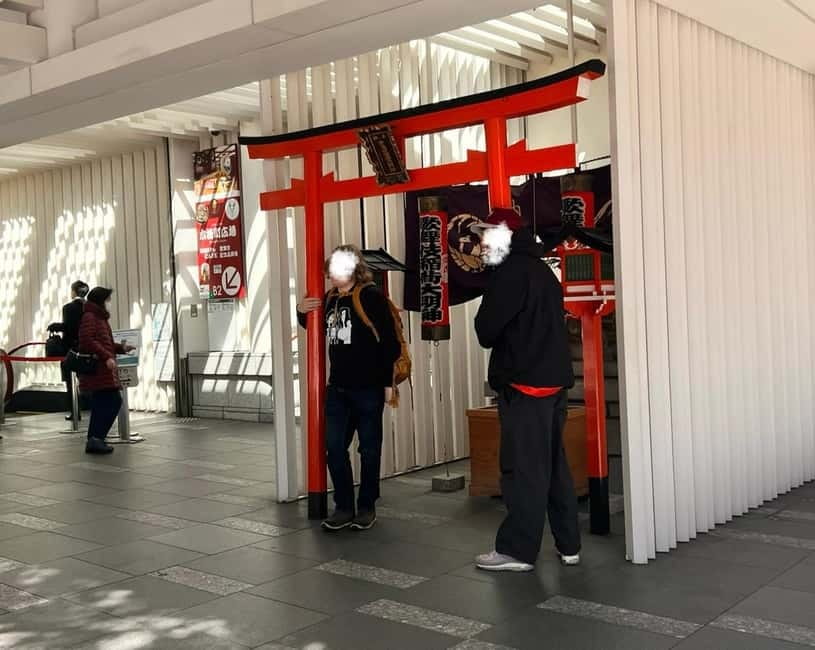
The core learning stop is the Kabukiza building itself. You’ll spend time in the Kabukiza exhibit/gallery area with a guide who explains Kabuki as a traditional Japanese performing art. The goal isn’t to sell you a show ticket. It’s to give you the background that makes Kabuki feel more specific than just a word on a sign.
Here’s what that means for you on the ground:
- You get guided context before you look at things like theater design, performance traditions, and related cultural elements.
- You can ask questions in English, which helps if you’re not already familiar with Kabuki terms.
A couple of balance points from the reality of short tours:
- Some people found the history introduction basic. If you want a deep, academic-style Kabuki lesson, you might need a longer tour or a performance night.
- If English phrasing gets tricky for any reason, you may feel like you’re catching the highlights rather than every detail.
Still, as a first taste of Kabuki culture in a compact timeframe, the gallery stop is the right centerpiece.
Souvenir time around Kabukiza: shop with a plan
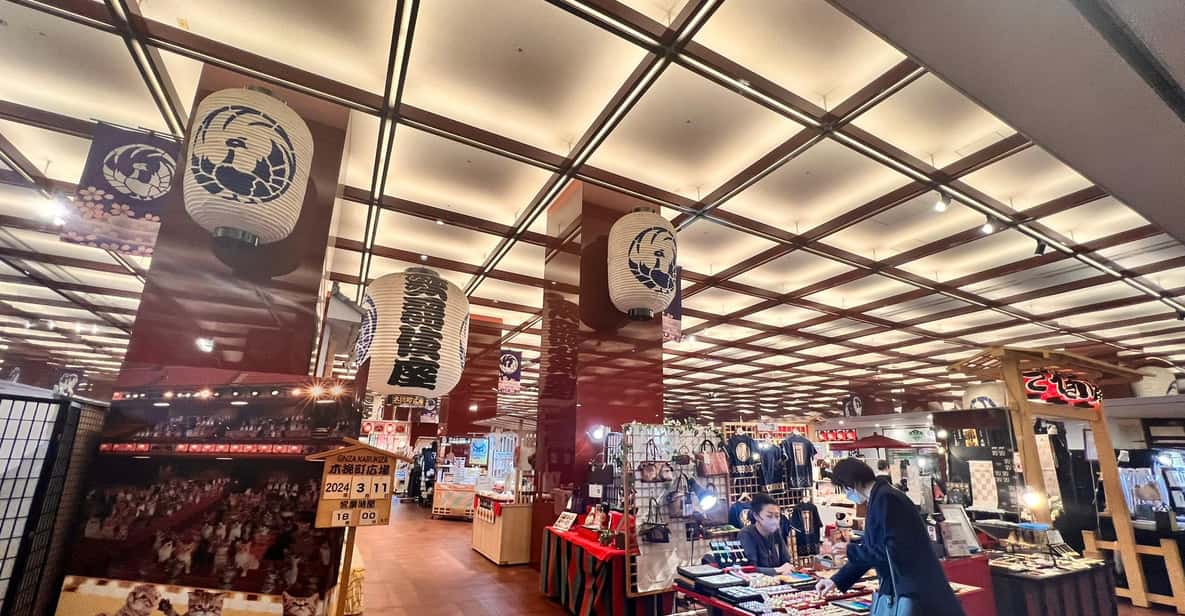
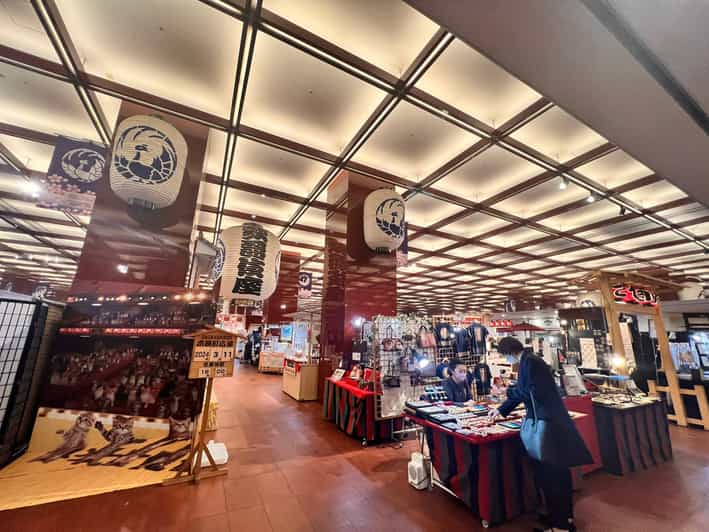
One of the biggest attractions here is straightforward: you can buy souvenirs only available at Kabukiza. That’s a quality bar, because it means you’re not just paying for novelty—you’re buying something tied to the theater area and its culture.
What you might find while browsing includes Kabuki goods and a mix of Japanese accessories and sweets. The tour is set up to give you time for this, so you’re not stuck hunting for a shop on your own while you’re trying to remember what you wanted.
My practical advice: decide in your head what category you want to buy before you reach the counters. For example, pick one lane like:
- small gifts (easy to pack)
- themed snacks
- a single show-related item
Otherwise, the Kabukiza area can quietly turn into a time sink, especially if you’re the type who compares packaging like it’s an Olympic event.
Also, the tour price covers the guide, not your purchases. Budget shopping money, because that’s where your real costs will go.
Mitsukoshi Ginza branch after Kabukiza: an old Tokyo pivot
After Kabukiza, you head to Mitsukoshi Ginza, described as Japan’s oldest department store, with over 350 years of history. This stop shifts the mood from theater culture to classic Tokyo retail culture, but it keeps the same theme: you get to experience Japanese traditions in a modern, walk-in way.
Why this pairing works:
- You learn about Kabuki, then you see what “high-quality traditional crafts and goods” look like in a famous department store setting.
- It’s a smooth way to spend the remaining time without losing the cultural thread.
It also helps you if you’re traveling with different tastes in your group. One person wants Kabuki. Another wants shopping that feels more heritage than souvenir chaos. Mitsukoshi often satisfies both.






Price and value: is $51 worth 90 minutes?
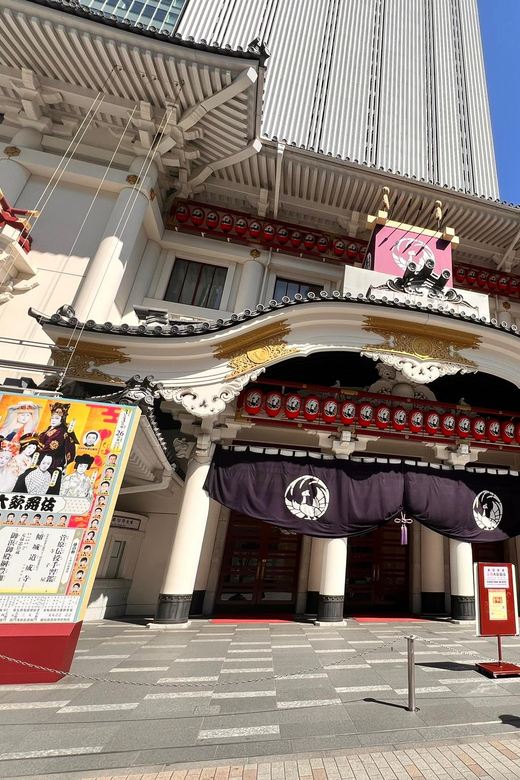
At $51 per person for about 90 minutes, you’re paying primarily for two things: a live English guide and an efficient route through the Kabukiza area plus the Mitsukoshi stop. You’re not paying for ticketed theater seating because Kabuki viewing is not included.
So the value question depends on what you want:
- If you want a quick Kabuki introduction and a chance to shop for theater-specific items, the price can feel fair. You’re basically buying time, guidance, and access to a structured way to understand the area.
- If you want the experience of watching Kabuki onstage as the main event, this price won’t hit the mark, because a performance isn’t part of the deal.
Small group size (limited to 9 participants) is another value factor. Short tours get crowded fast; this one avoids that.
Who should book this Kabuki culture stop
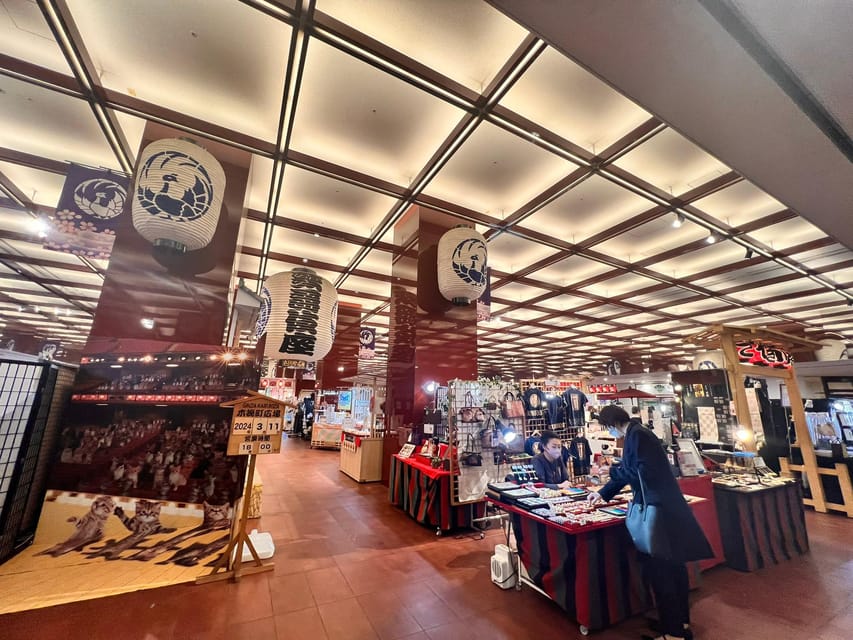
I’d point you toward this tour if:
- you have limited time in Tokyo and you still want Kabuki context
- you like museums and exhibit-style learning more than long lectures
- you want Kabukiza-only shopping and you don’t want to figure out the logistics alone
- you want a calm, guided plan in central Ginza
I’d be cautious if:
- you came specifically for Kabuki viewing or a performance segment
- you expect an in-depth deep-history class in 90 minutes
- you need very detailed explanations to feel satisfied (short tours can skim the surface)
Also, if your trip already includes a Kabuki ticket elsewhere, this tour can still be a smart warm-up. It helps you connect the dots before you sit in the theater.
A quick heads-up on expectations: the biggest tripwire
The biggest mismatch people can run into is the idea of a show. Since Kabuki viewing isn’t included, you’re there for exhibits and cultural context, plus shopping and a department store stop.
If you want both learning and a performance, consider using this tour as your daytime plan and then securing Kabuki seats separately for the evening. That way you get the full loop: context first, then the stage.
Should you book this tour?
Yes, you should book it if you want a straightforward Kabuki culture taste in Ginza—with a guide, a Kabukiza gallery component, and access to Kabukiza-only souvenirs—all wrapped into a compact 90-minute format.
Skip it or pair it carefully if your main goal is actually watching Kabuki. You can still enjoy the tour, but it won’t replace a theater performance.
If you’re trying to make the most of one busy day in Tokyo, this is the kind of plan that gives you “I understand this now” energy, without eating your whole schedule.
FAQ
Where do I meet for the tour?
You meet in front of NISSAN CROSSING.
How long is the tour?
The tour lasts 90 minutes.
Is Kabuki viewing included?
No. Kabuki viewing is not included.
What is included in the tour price?
A tour guide is included.
What language is the guide speaking?
The tour offers a live English guide.
How large is the group?
It’s a small group, limited to 9 participants.
Is shopping included?
Shopping costs at each store are not included. It depends on what you buy.
Can I cancel for a full refund?
Yes. You can cancel up to 24 hours in advance for a full refund.
Can I reserve and pay later?
Yes. You can reserve your spot and pay later.
What do we do after visiting Kabukiza?
After the Kabukiza stop, you visit the Mitsukoshi Ginza branch department store.