REVIEW · TOKYO
Private Outstanding Nikko Tour with English Speaking Driver
Book on Viator →Operated by Sluzeb Tours · Bookable on Viator
Nikko works surprisingly well as a day trip. You get a private ride out of Tokyo plus photo assistance from your English-speaking driver, so you’re not stuck guessing logistics. The plan also stacks major sights—shrines, bridges, falls, and lakes—into one 10-hour outing designed for busy schedules.
What I like most is how clearly the day is structured (with short, focused stops) and that it’s only your group. One more practical plus: you get a mobile ticket, and pickup is offered, which makes the morning run smoother.
The main thing to consider is that it’s still a full day with commuting time, and some stops require separate admission tickets (not included). Also, the itinerary can shift for traffic or crowding, so you’ll want a flexible mindset.
In This Review
- Key Things to Know Before You Go
- Nikko in One Day Without the Tokyo Stress
- Private Transport and the Real Meaning of 10 Hours
- Toshogu Shrine Complex: Where the Day Starts and Why It Takes 2 Hours
- Shinkyo Bridge, Narabi Jizo, and Tamozawa Imperial Villa: Quick Stops With Meaning
- Shinkyo Bridge (about 1 hour)
- Narabi Jizo (about 30 minutes, free)
- Nikko Tamozawa Imperial Villa Memorial Park (about 30 minutes)
- Akechidaira to Kegon Falls to Lake Chuzenji: A Scenic Flow You Can Actually Enjoy
- Akechidaira Observation Area (about 30 minutes)
- Kegon Falls (about 30 minutes)
- Lake Chuzenji (about 30 minutes, free)
- Price and Value: $580 for Up to 5, and When It Really Makes Sense
- Driver Quality, English Support, and a Caution You Should Take Seriously
- Practical Tips to Keep the Day Feeling Calm
- Who This Nikko Private Day Trip Is For (and Who Might Skip It)
- Final Call: Should You Book This One?
- FAQ
- How long is the Nikko private day trip from Tokyo?
- What time does the tour start?
- How much does it cost and how many people can be in the group?
- Is pickup included?
- Is this tour guided?
- Is the driver English speaking?
- Are admission tickets included?
- What stops are included in the day?
- Can the itinerary change if traffic is bad?
- What happens if the weather is poor?
Key Things to Know Before You Go
- Private group only (up to 5): You won’t share the car with strangers.
- Photo help from your driver: Useful for quick shots when you’re between stops.
- Short, sight-focused blocks: Most stops are 30–120 minutes.
- Separate admission fees: Toshogu Shrine and several other stops are not included.
- Nature sequence by design: Viewpoints, then falls, then Lake Chuzenji.
- Route flexibility: Stops can be changed or skipped due to congestion.
Nikko in One Day Without the Tokyo Stress
Nikko is the kind of place that can steal time from even a well-planned trip. The good news is this itinerary is built to help you see the core highlights without turning the whole day into a transportation puzzle. You’re leaving Tokyo early (8:00am), then switching from city pace to shrine-and-forest pace in a single trip.
This is also one of those days where having someone coordinate the ride matters. You’re not just moving between landmarks; you’re moving between different “moods” of Nikko—bright carvings at Toshogu, calm sacred space at Shinkyo Bridge, and scenic views at Kegon Falls and Lake Chuzenji. With a private car, you spend more time at the sights and less time figuring out transit timing.
You can also read our reviews of more private tours in Tokyo

Private Transport and the Real Meaning of 10 Hours
This is a private tour/activity, so only your group rides together. The day runs about 10 hours including commuting time, which is long, but manageable if you’re not trying to squeeze in extras before or after.
Pickup is offered, and the meeting point is near public transportation. Translation: you should be able to connect easily if you’re coming from a hotel area that’s well-served, but you’re still relying on a specific morning pickup plan.
A big practical benefit is that this is not a guided tour in the strict sense. Instead, you get an English-speaking driver who can share local insight and help with photos. That often works well if you want freedom to move at your own speed at each stop, while still having someone who can point you to the easiest photo angle or the quickest path to what you came for.
One more detail that helps on a long ride: in at least one past outing, the car was air-conditioned, which can matter on hot or humid days.
Toshogu Shrine Complex: Where the Day Starts and Why It Takes 2 Hours
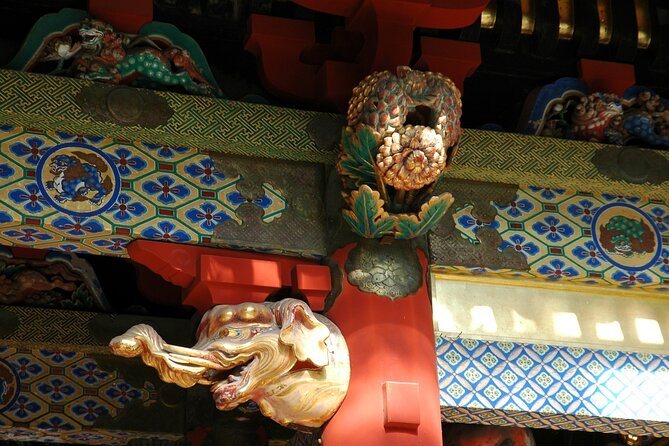
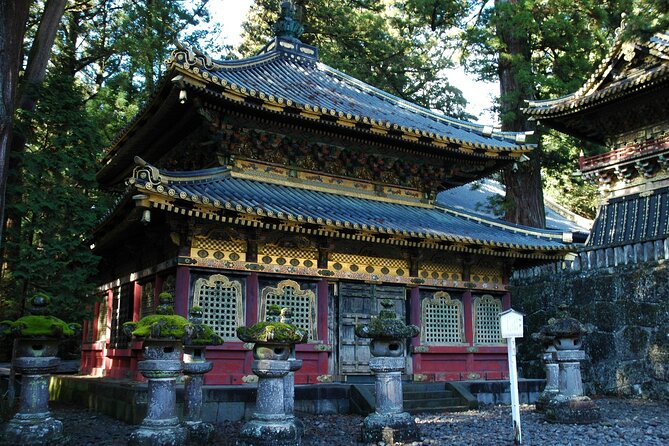
Toshogu Shrine Complex is the centerpiece of Nikko sightseeing. Expect lots of ornate buildings with vivid decorative work and carved details. This is the place most people picture when they imagine Nikko, and the itinerary gives you a solid 2 hours there.
Plan for this time to be your “slow walk” stop. You don’t need to rush to see the main structures, but you also shouldn’t plan to do every nook and cranny unless you’re the type who loves lingering. Two hours is a sweet spot: enough time to admire the standout areas and still have energy for the rest of the day.
Admission is not included here, so budget separately for the shrine entry fee. If you’re traveling with a group, it can help to know you’ll need to handle ticketing before you start exploring.
Shinkyo Bridge, Narabi Jizo, and Tamozawa Imperial Villa: Quick Stops With Meaning
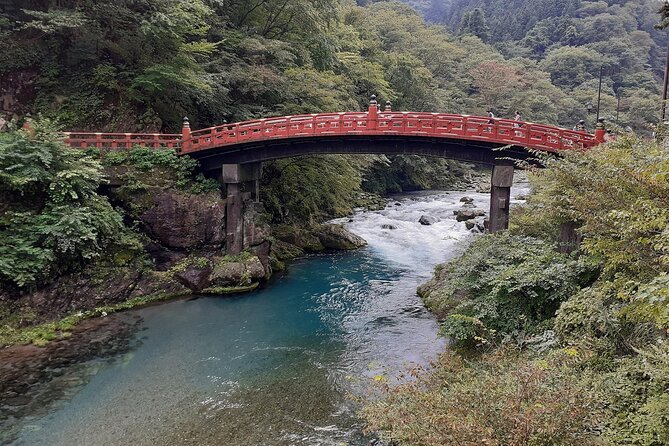
After Toshogu, the schedule shifts to shorter blocks—more like “drop in, see, absorb, move on.”
Shinkyo Bridge (about 1 hour)
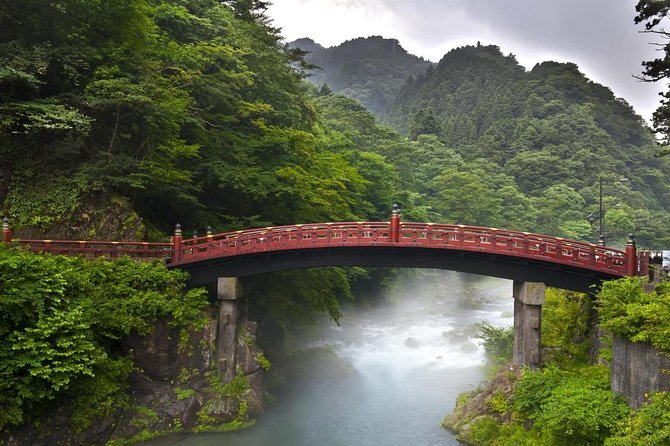
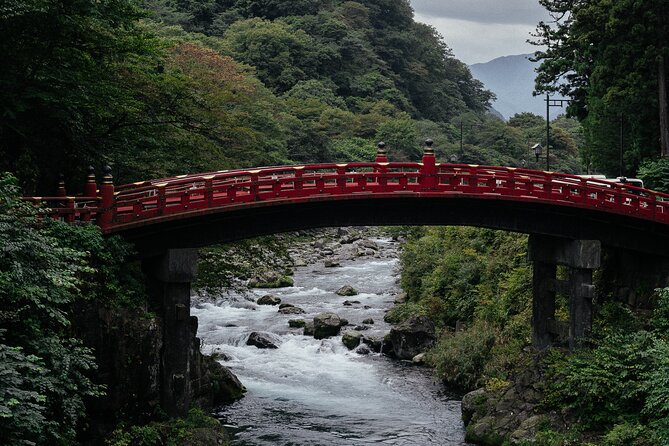
Shinkyo Bridge is a sacred river crossing associated with the nearby Futarasan Jinja Shrine. It’s famous for its elegant arc over the Daiya-gawa River. One hour is enough to see the bridge from the main viewpoints, take photos, and enjoy the atmosphere without feeling dragged through a long detour.
Admission is not included here, so your main cost is whatever local charges apply at the time you arrive (the tour itself doesn’t bundle this stop).
You can also read our reviews of more tours and experiences in Tokyo

Narabi Jizo (about 30 minutes, free)
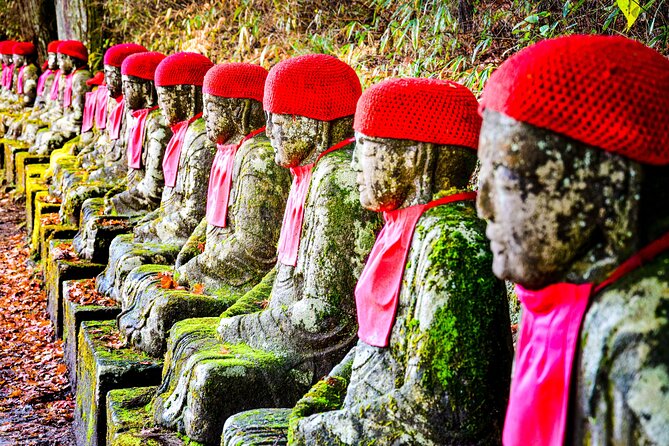
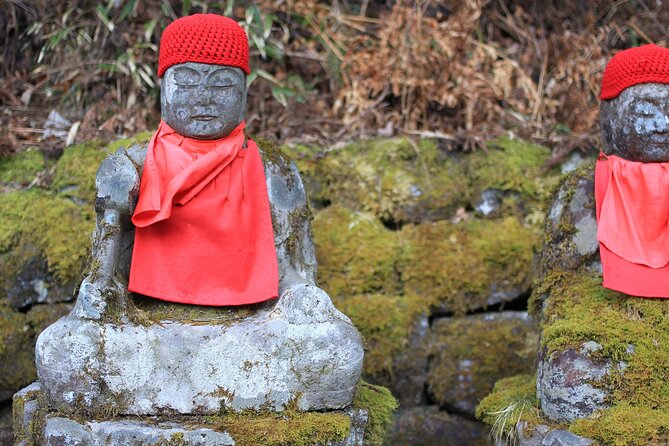
Narabi Jizo features Jizo statues—made in stone and connected to the idea of guardian protection for children and travelers. This is the kind of stop that works well as a reset. Thirty minutes is short, but it’s long enough to read what’s around you, notice patterns in the statues, and take a breather before the next scenic viewpoint.
This stop is free, which is a nice cost saver on a day-trip where other entries add up.
Nikko Tamozawa Imperial Villa Memorial Park (about 30 minutes)
This is a different flavor from the shrine-and-bridge rhythm. The villa served as a retreat for Emperor Taisho, and the park reflects architectural styles from late Edo, Meiji, and Taisho periods. Because your time is limited here, treat it as an orientation stop: you’re getting the sense of “what this place was for” more than trying to master every detail.
Admission is not included for this stop either.
Akechidaira to Kegon Falls to Lake Chuzenji: A Scenic Flow You Can Actually Enjoy
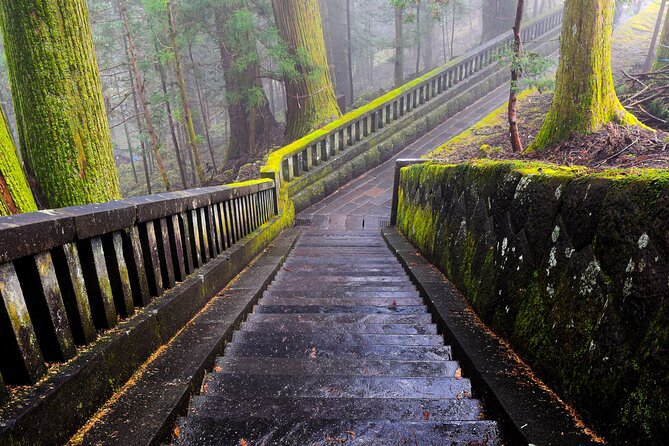
From Akechidaira onward, the day leans hard into views. The sequence makes sense: a high-deck viewpoint first, then the falls, then Lake Chuzenji.
Akechidaira Observation Area (about 30 minutes)
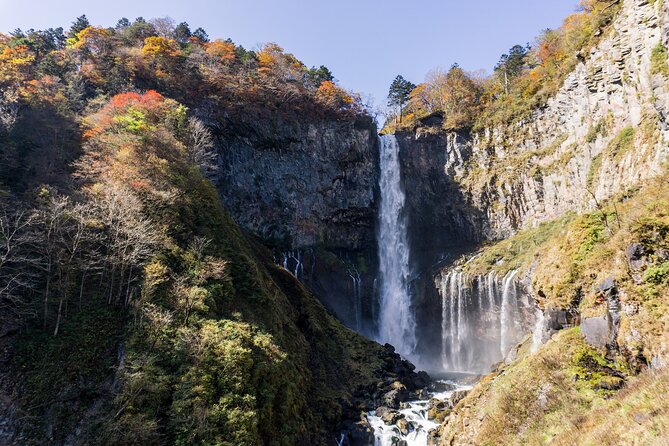
Akechidaira Observation Area is famous for views over Kegon Falls, Lake Chuzenji, and Mt. Nantai. Even if you’re not visiting during autumn peak, you’ll still benefit from seeing the layout—how the falls sit in the broader landscape.
Admission is not included here, but your main investment is time and your willingness to walk a bit for the best angles. Thirty minutes is enough if you go with a clear goal: get the skyline/falls photo, then move on.
Kegon Falls (about 30 minutes)
Kegon Falls is located at Lake Chuzenji in Nikko National Park, and the formation is tied to lava flows rerouting the Daiya River. Your time here is brief, which is okay because the falls are the star. You’ll want to arrive ready to look up and take photos quickly, then step back when the viewing spot gets crowded.
Admission is not included at this stop.
Lake Chuzenji (about 30 minutes, free)
Lake Chuzenji is often called the Sea of Happiness. It was created about 20,000 years ago when Mount Nantai erupted and blocked the river. This is a good final nature stop because you can slow down after the falls.
Lake Chuzenji is free, which is a helpful payoff near the end of the day. Even if your time is short, you’ll leave with the kind of image Nikko is known for: water, hills, and that calm “away from Tokyo” feeling.
Price and Value: $580 for Up to 5, and When It Really Makes Sense
At $580 per group (up to 5), the price is less about saving money and more about saving time and friction. This kind of day trip is usually best if you’re traveling as a small group (family, friends, or two couples) and you want control over pacing and photo stops.
Here’s how to think about value:
- If you’re solo, you may feel the cost more strongly because you’re paying for the whole car.
- If you have 3–5 people, the per-person math becomes more reasonable, and the private car feels like a smart trade.
- Admission is not included for several key sites, so your total trip cost will be higher once you add entry fees. The upside is you’re seeing multiple major places in one go.
Also note there’s an additional cost if your group is larger than 5. If you’re right at that edge, confirm the capacity plan before you commit so you don’t get stuck deciding last minute.
And about planning: this is typically booked around 39 days in advance on average. That’s a clue that prime dates can fill, so if you’re set on specific timing, it’s worth booking early.
Driver Quality, English Support, and a Caution You Should Take Seriously
The headline promise is an English-speaking driver, plus photo assistance and local insight. That can be a huge help in Nikko, where you want the “where do I stand” answers fast and accurate.
There’s also a flexibility clause: the itinerary can be changed or stops skipped due to traffic congestion or to avoid long waits in overcrowded situations. That’s not a weakness—it’s a sign the day can be managed to protect your time.
One more important reality: not every driver experience is perfect. One past booking described serious concerns about driving competence and said they chose not to complete the tour. That’s a red-flag story, and it matters.
So here’s what you should do:
- Confirm expectations at pickup: route basics, your priority stops, and how you want photo stops handled.
- If the driving feels unsafe or off, say so right away and don’t push through. A day trip should not be riskier than normal commuting.
On the bright side, another past outing highlighted a driver named David for being friendly and keen to help, along with the comfort of an air-conditioned car. That’s the kind of support you’ll hope for: calm, helpful, and tuned in to what you need.
Practical Tips to Keep the Day Feeling Calm
This is a long day, so your success plan is simple: pack light, pace yourself, and know where you’re spending time.
- Wear shoes that work for uneven outdoor paths. Even “short” stops can involve walking and standing for photos.
- Treat Toshogu as your main exploration time and plan the rest as “see it well, then move.” This helps you enjoy the scenic sequence instead of feeling behind.
- Bring a photo plan. With photo assistance from your driver, you’ll still want to know what you want to capture at each stop so you’re not scrambling.
- Expect separate entry costs at some places, and plan for it mentally so it doesn’t distract you mid-day.
- If you’re sensitive to time shifts, remember the schedule can change due to congestion. Give yourself mental flexibility, especially on busier days.
Who This Nikko Private Day Trip Is For (and Who Might Skip It)
This tour makes a lot of sense if you want:
- A private day trip from Tokyo with minimal logistics stress
- Key Nikko highlights in one outing, including Toshogu Shrine, Shinkyo Bridge, Kegon Falls, and Lake Chuzenji
- An English-speaking driver who can help with photos and local context
- A schedule that’s flexible enough to adjust for crowds and traffic
You might look at other options if:
- You hate long days and would rather split Nikko into two slower days
- You’re traveling very light on budget for separate admissions
- You expect a full professional guided tour with deep, stop-by-stop narration (this experience is described as not guided, with a guide only available on request at additional cost)
Final Call: Should You Book This One?
I’d book it if you’re aiming for high value in time. The private car, the English-speaking driver, and the concentrated route are exactly what turns Nikko into a manageable day from Tokyo. The strongest “yes” signal is the way the stops are balanced: big shrine time first, then shorter stops, then views and nature by design.
But I’d also be honest with myself about the main downside: it’s a long day, and ticket costs are separate for multiple stops. And because one past booking flagged serious driving concerns, you should set safety as a non-negotiable expectation from the start.
If you can travel flexibly and you’re going as a small group, this is a very practical way to see Nikko without turning your trip into a transport marathon.
FAQ
How long is the Nikko private day trip from Tokyo?
The duration is approximately 10 hours, including commuting time.
What time does the tour start?
The start time is 8:00am.
How much does it cost and how many people can be in the group?
It costs $580.00 per group, for up to 5 people. A group larger than 5 can be facilitated at an additional cost.
Is pickup included?
Pickup is offered.
Is this tour guided?
It is not a guided tour, but an additional guide can be arranged on request at an extra cost.
Is the driver English speaking?
Yes, the tour includes an English speaking driver.
Are admission tickets included?
Admission ticket inclusion depends on the stop. Some stops are not included, and at least Narabi Jizo and Lake Chuzenji are listed as free.
What stops are included in the day?
The stops listed are Nikko Tosho-gu, Shinkyo Bridge, Narabi Jizo, Nikko Tamozawa Imperial Villa Memorial Park, Akechidaira Observation Area, Kegon Falls, and Lake Chuzenji.
Can the itinerary change if traffic is bad?
Yes. The itinerary may be changed, and stops may be skipped due to traffic congestion or to avoid long waiting time in overcrowded situations.
What happens if the weather is poor?
This experience requires good weather. If it’s canceled due to poor weather, you’ll be offered a different date or a full refund.