REVIEW · TOKYO
Private Customizable Car and Mini Van Tour in Tokyo
Book on Viator →Operated by Hello! Tokyo Tours · Bookable on Viator
Tokyo without the long walks works.
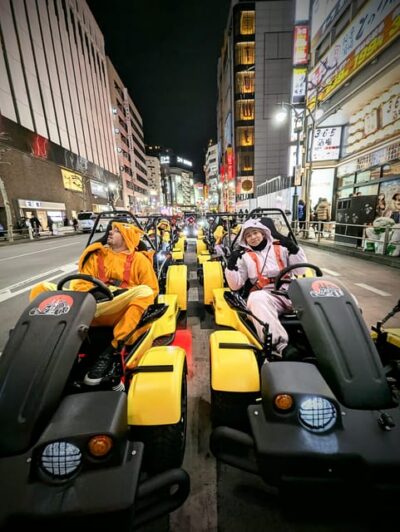
This private, customizable car and mini van tour is built for you to cover major Tokyo neighborhoods with less stress, hopping in and out as you like. You can have a guide plan your route around your interests, so your day doesn’t feel like a cookie-cutter checklist.
I love the flexibility: you can tailor the stops and spend more time where you actually want to linger. I also like the human factor—guides such as Keiko, Miko, and Yasu come through in the reviews as warm, easy to work with, and strong in English.
The main consideration is price: at $513.00 per person, it’s a splurge compared to hopping on trains yourself. If you only want one or two neighborhoods, you might feel the cost faster than you expect.
In This Review
- Key things that make this tour worth your time
- Why a private car tour is a smart way to do Tokyo
- Picking the right vehicle: Alphard vs HiAce and luggage reality
- Your guide matters: what you can expect from Keiko, Miko, and Yasu
- Building your day: how long you really need (4 to 8 hours)
- Shibuya crossing and Hachiko: modern Tokyo at full volume
- Harajuku next to Meiji Shrine: trend streets and a big reset
- Shinjuku and Marunouchi: viewpoints, neon, and architecture time
- Asakusa and Senso-ji: old Tokyo that you can actually feel
- Akihabara: anime, manga, electronics, and sensory overload
- Tsukiji Fish Market: old market energy, even after the move
- Imperial East Gardens, Edo Castle remnants, and Nihonbashi trade history
- Yanaka: temples, sweets, and a softer side of Tokyo
- Skyline choices: Skytree, Tokyo Tower, or Shibuya Sky tickets
- Price and value: what $513 per person really buys
- Who should book this tour
- Should you book this private Tokyo car and mini van tour?
- FAQ
- How long is the private car and mini van tour in Tokyo?
- Is hotel pickup and drop-off included?
- Is this a private tour?
- Can the itinerary be customized to my interests?
- Are entrance fees included?
- Are service animals and children accommodated?
Key things that make this tour worth your time
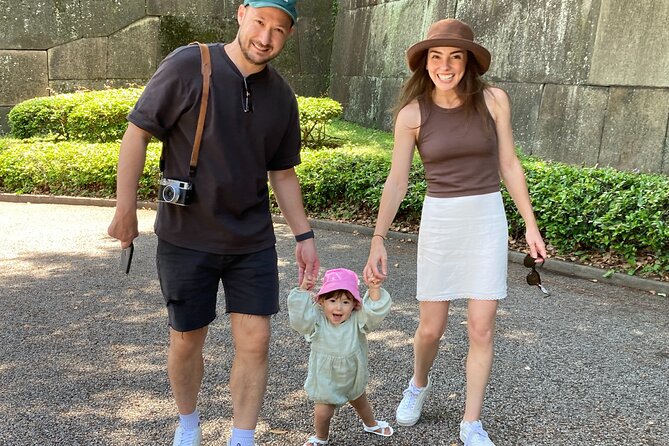
- Hotel pickup and drop-off reduce Tokyo friction, especially after a long flight or with kids.
- Private by your group only means fewer slowdowns and no waiting on strangers.
- Car/mini-van flexibility helps you see more without long, exhausting walks.
- Guide-led route planning lets you choose your themes: shopping, history, religion, pop culture, viewpoints.
- Most major sights are quick stops so you can sample a lot in a single half or full day.
- Optional skyline tickets (Skytree, Tokyo Tower, Shibuya Sky) let you decide how high you want to go.
Why a private car tour is a smart way to do Tokyo
Tokyo is fantastic, but it can be a workout. This tour is built for real-world limits: long staircases, crowded platforms, and nonstop walking add up quickly. With a professional driver doing the routing and you staying comfortable in the vehicle between stops, you get Tokyo’s variety without arriving at each place drained.
I also like the rhythm. Each stop is short enough that you stay on schedule, but still long enough to actually enjoy a crossing, a shrine moment, a snack street, or a quick photo set. That matters because Tokyo rewards curiosity more than ticking boxes.
The other big win is control. You decide how much time you want at each neighborhood. If you want street life at Harajuku, you can spend more time there. If a temple area feels like it deserves a slow walk, the guide can adjust.
You can also read our reviews of more private tours in Tokyo


Picking the right vehicle: Alphard vs HiAce and luggage reality
The tour offers two main vehicle styles, and the luggage info is worth paying attention to. The Alphard fits up to 3 people and up to 4 suitcases. The HiAce can handle up to 8 suitcases.
That sounds like a small detail until you’re staring at taxi trunk space in a hurry. If you’re traveling as a family, with multiple bags, or with shopping plans, choosing the right vehicle keeps things calm and prevents last-minute reshuffling.
Also remember: this tour is private. That means you’re not negotiating space with other people’s luggage or stroller setups. It’s just your group moving through the city.
Your guide matters: what you can expect from Keiko, Miko, and Yasu
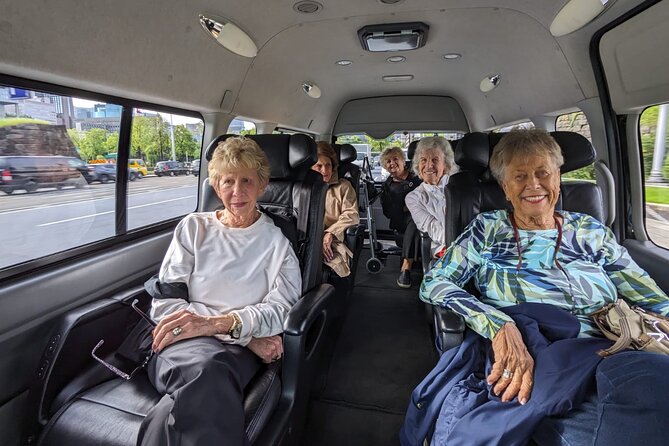
The reviews consistently point to one thing: the guide makes the day feel smooth. Keiko is described as exceptionally knowledgeable, kind, and with English that’s easy to follow. Miko gets high praise as great with families and good at adjusting her style for kids. Yasu stands out for friendly explanations and the ability to keep things moving even in rain.
That’s important because Tokyo can be confusing fast. A guide helps you understand what you’re seeing, what to notice first, and how to move through the area without getting stuck in the wrong crowd. Even if you’re not the type to read every sign, you’ll still walk away with better context and smarter photo stops.
Building your day: how long you really need (4 to 8 hours)
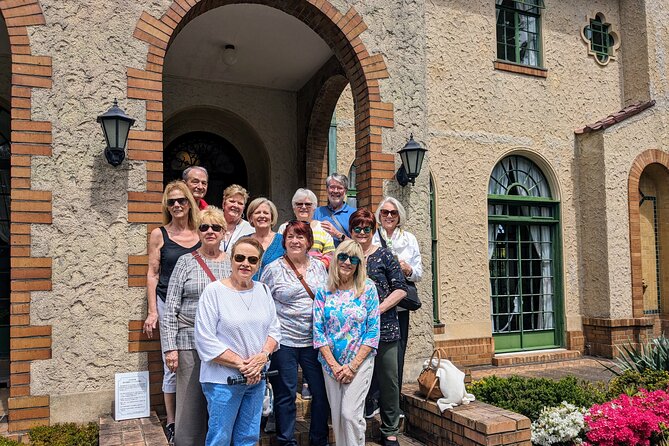
The tour runs about 4 to 8 hours. In that time, you can cover several districts, but it’s still a “highlights with breathing room” style day, not a one-place-at-a-time slow stroll.
Here’s how to choose your length:
- 4 hours works best if you want a tight loop of major hits with fewer neighborhoods.
- 6 hours is the sweet spot for a balanced day with one or two “deeper” stops.
- 8 hours is ideal if you want multiple areas plus a viewpoint choice like Tokyo Skytree or Shibuya Sky.
Also, many stops in the plan are listed as free or don’t require special tickets. That helps you spend more time walking and less time budgeting for entrance fees. The observation decks are where you’ll decide whether to add tickets.
Planning tip: this tour is often booked about 62 days in advance on average. If you want a specific driver-day rhythm and easy pickup timing, earlier planning helps.
Shibuya crossing and Hachiko: modern Tokyo at full volume
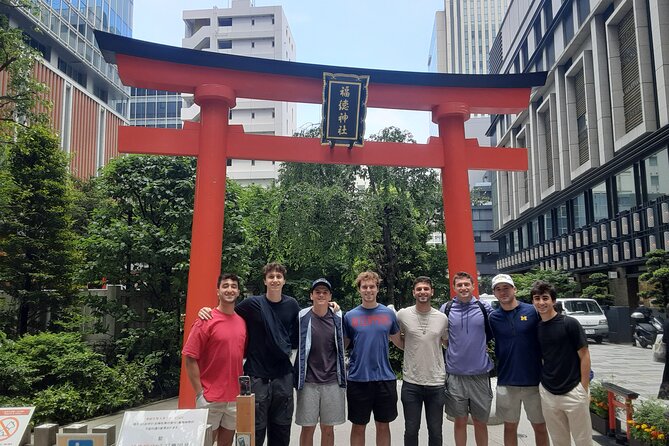
Most Tokyo days start with Shibuya, and this plan does too. Shibuya is where modern fashion and youth culture collide with one of the city’s most dramatic pedestrian moments.
You’ll go to Shibuya Crossing, the famously busy crossing that’s basically a real-life photo set. Then you can meet the bronze statue of Hachiko, a landmark that adds an emotional, human story to all the flashing storefront energy.
Why it’s worth it: Shibuya gives you your first Tokyo anchor fast. You see crowds, bold signage, and the way the city moves in real time.
Watch-outs: It’s busy. If crowds drain you, plan your camera pause and step into the quieter side streets sooner rather than later.






Harajuku next to Meiji Shrine: trend streets and a big reset
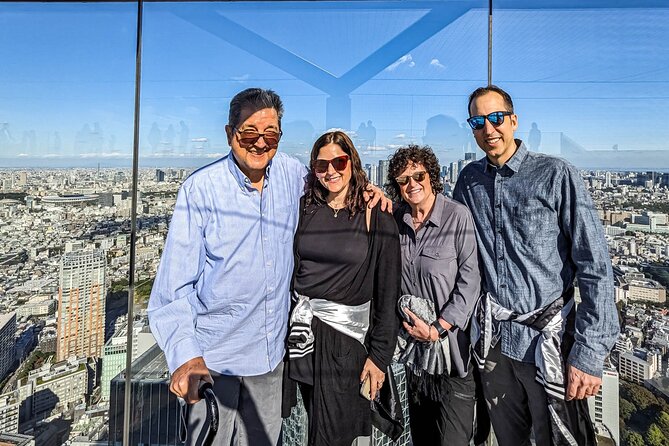
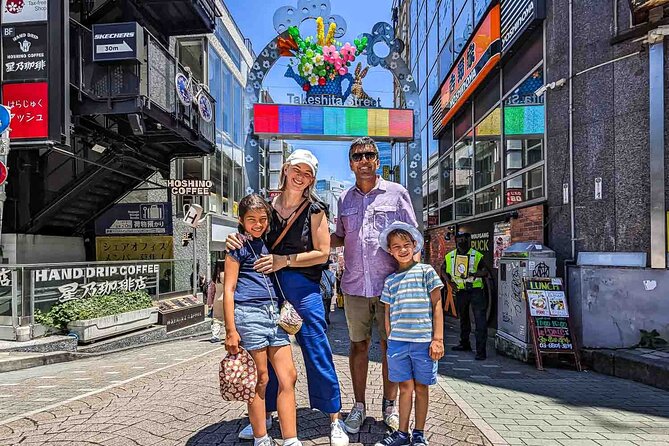
Harajuku sits right next to Meiji Shrine, so it’s a natural pairing. You’ll get the youth fashion center vibe, with street art, playful food, and plenty of quirky shops.
From there, the route moves toward Meiji Jingu Shrine, set inside a huge forest space. This is Shintoism in a place that feels like it has its own weather. The contrast with Harajuku is the point.
Why it’s worth it: You’re not just shopping or sightseeing—you’re bouncing between Tokyo’s loud style world and a calmer spiritual setting.
Potential drawback: If you’re short on time, don’t spread your effort too thin. Pick whether you want more energy on Harajuku streets or a longer shrine pause.
Shinjuku and Marunouchi: viewpoints, neon, and architecture time
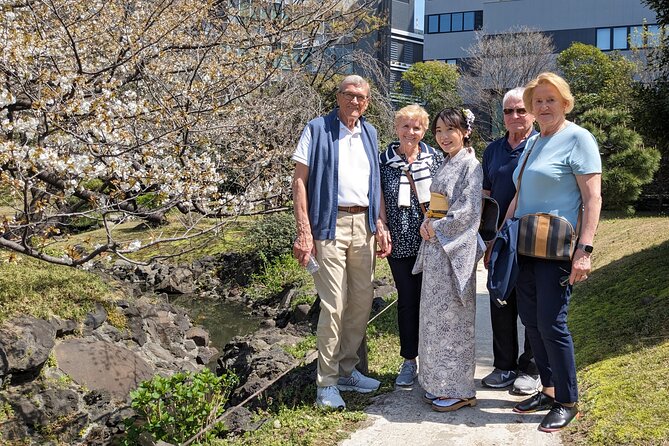
Shinjuku is Tokyo’s entertainment district, with tall buildings and neon lights that make the city feel like a movie set. In this plan, you also get a viewpoint chance from an observatory on the 45th floor of the Tokyo Metropolitan Government building.
Then the route shifts to Marunouchi, the business-and-Imperial-adjacent area. It’s a calmer kind of impressive—cleaner lines, big-city architecture, and a sense of Tokyo’s formal side. You’ll pass by major landmarks in the area, including Tokyo Station and the Tokyo International Forum area.
Why it’s worth it: You get two different Tokyo moods. Shinjuku is the lights and noise. Marunouchi is the refined skyline and grand buildings.
Practical note: Viewpoint time is where timing matters. If you care about views, you’ll want to plan around weather and daylight. Your guide can help you make the call.
Asakusa and Senso-ji: old Tokyo that you can actually feel
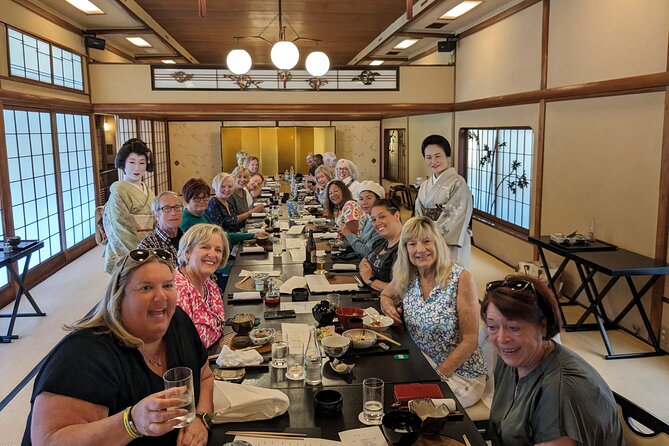
Asakusa is where you slow down. It’s the historic heart of Tokyo and a great place for people who like crafts, souvenirs, and temple neighborhoods.
This route includes both Asakusa’s approach street shopping and a visit to Senso-ji Temple, which dates back to 628. On the walk in, Nakamise Shopping Street is known for its stretch of stalls—great for quick snack stops and souvenirs without needing a separate plan.
Why it’s worth it: Asakusa gives Tokyo tradition in a way that’s easy to understand. You can see the religion, the street life, and the shopping energy all in one area.
Watch-outs: It can get crowded. If you want photos without shoulder-to-shoulder pressure, aim for a time when you can step aside and breathe for a minute.
Akihabara: anime, manga, electronics, and sensory overload
If your group includes pop culture fans, Akihabara is the loudest “yes” stop on the list. You’ll stroll through the district known for anime, manga, video games, and electronics.
Why it’s worth it: Even if you’re not a hardcore collector, Akihabara is where you feel Tokyo’s tech obsession and creative fandom culture at the same time.
Practical note: The best Akihabara time is usually a focused shopping mission. Go in with a loose idea—figures, gadgets, or themed street browsing—so the endless options don’t swallow your whole day.
Tsukiji Fish Market: old market energy, even after the move
Tsukiji can feel different than you might picture if your memory is from older years. The major auction has moved to Toyosu, but the outer market area still keeps the classic fish-market energy.
This stop is built for the fun part: wandering among fresh foods and seeing what people are buying on the spot. You’ll get a taste of Tokyo’s food culture beyond sushi restaurants.
Why it’s worth it: Tsukiji is one of the easiest places to connect food to daily life. You see seafood culture close up.
Watch-outs: Expect crowds around popular stalls. If you’re traveling with kids, it helps to keep expectations realistic about quick bites and fast choices.
Imperial East Gardens, Edo Castle remnants, and Nihonbashi trade history
The Imperial Palace East Gardens add a calmer, greenery-and-stone pace to the day. You’ll also see remnants related to the Edo Castle, including moat walls. It’s the kind of stop that works even if you’re not a full-on history buff because it’s visually legible.
Then comes Nihonbashi, the original center of trade and commerce from the Edo period. It’s a great place to notice how Tokyo’s city identity links back to old market geography.
You’ll also get a “food foundation” angle here—an explanation tied to Japanese cooking traditions, paired with shops and what people buy.
Why it’s worth it: This portion helps you understand Tokyo beyond neighborhoods. You see why certain areas grew into the cities they are now.
Potential drawback: If you prefer street markets over formal gardens, you might want to keep these stops shorter and put the time into food streets like Asakusa or Tsukiji.
Yanaka: temples, sweets, and a softer side of Tokyo
Yanaka is a more nostalgic downtown district. It’s known for temples and a slower pace that feels different from the big-name districts. You can also find sweets and a traditional tea ceremony experience through a tea house in the area.
Why it’s worth it: Yanaka gives you relief from constant crowd energy. It’s good for groups who want texture: old streets, calmer corners, and a chance to photograph daily life.
Skyline choices: Skytree, Tokyo Tower, or Shibuya Sky tickets
This tour doesn’t force you into one view. It lists multiple skyline options, and the observation deck tickets are described as add-ons, not included.
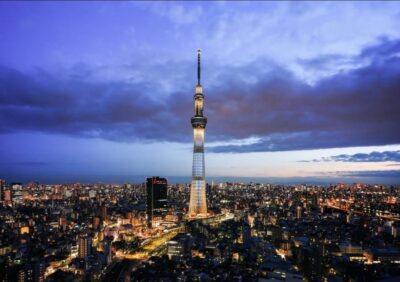
- Tokyo Skytree: world’s tallest tower at 634 meters, with observation deck tickets available as an add-on.
- Tokyo Tower: symbol of Japan’s post-war rebirth, completed in 1958, with observation tickets available as an add-on.
- Shibuya Sky: a 360-degree observatory with tickets available as an add-on.
How to choose:
If your heart is in Shibuya’s youth vibe, Shibuya Sky fits. If you want the biggest “wow” height number, Skytree is the obvious choice. If you like classic Tokyo icon imagery, Tokyo Tower makes sense.
Practical note: Add-on tickets are not included, so decide based on your budget and what you actually want to photograph.
Price and value: what $513 per person really buys
At $513.00 per person, this isn’t a bargain-basement Tokyo option. But it can be good value for the right kind of day.
You’re paying for:
- Private vehicle + professional driver
- Professional guide
- Hotel pickup and drop-off
- Options to fit multiple major areas in a single schedule
- A day that can be easier on your feet and time
This is especially strong if you’re traveling with kids (children 11 and under are free), or if you don’t want to manage transfers, station navigation, and time loss. It’s also helpful for groups who want to move around the city flexibly without feeling tied to train timetables.
If you want only one area, trains might be cheaper. If you want many areas with less walking, less hassle, and a guide shaping the day, this can make sense.
Who should book this tour
This works best if you:
- want to cover a lot of Tokyo without long walks
- prefer a guide who helps you focus your time
- are traveling as a family, or with mixed mobility needs
- like customizing your day around your interests instead of a fixed group plan
It may not be the best match if you’re comfortable navigating Tokyo solo, and you want the lowest cost possible.
Should you book this private Tokyo car and mini van tour?
Book it if your priority is a smoother Tokyo day: hotel pickup, private transport, a guide adjusting the route, and the ability to spend time where it matters. The high rating and the repeated praise for guides like Keiko and Miko are a good signal that you’re not just buying car seats and stop photos.
Skip or reconsider if you’re only targeting one or two districts and you’re comfortable using public transit at your own pace. Then the tour cost may feel heavy.
If you’re deciding between a DIY day and a guided private one, think about this: how much is your energy worth in Tokyo? This tour buys you time, comfort, and focus.
FAQ
How long is the private car and mini van tour in Tokyo?
It runs for about 4 to 8 hours.
Is hotel pickup and drop-off included?
Yes, hotel meet-up and drop-off are included.
Is this a private tour?
Yes. Only your group participates.
Can the itinerary be customized to my interests?
Yes. Your exact itinerary is designed according to your interests.
Are entrance fees included?
Food and drinks are not included, and entrance fees for any paid attraction you request are not included. Observation deck tickets for places like Tokyo Skytree, Tokyo Tower, and Shibuya Sky are described as add-ons.
Are service animals and children accommodated?
Service animals are allowed. Children aged 11 and under are free of charge (tell the provider when booking).