REVIEW · TOKYO
NO DIET CLUB – Unique local food tour in Tokyo !
Book on GetYourGuide →Operated by NO DIET CLUB · Bookable on GetYourGuide
Sangenjaya gives you Tokyo comfort food without the circus. I like the focus on quality and quantity (you get full tastings, not tiny bites), and I also like the small-group format with English and French guides like Valentin and Marie. One thing to consider: drinks other than water are not included, so you may want to keep that in mind if you’re planning to buy extra beverages.
What makes this tour interesting is the route choice. You’re one station from Shibuya, yet you’re touring the calmer streets of Sangenjaya, where nostalgic shops and local eateries still feel like they’re serving regulars. If you’re chasing tourist-trap snacks, this is not that vibe. You’ll walk, eat, and learn enough context to understand why dishes like takoyaki and omurice belong in everyday Japanese life.
In This Review
- Key Highlights at a Glance
- Sangenjaya Instead of Shibuya: Why This Neighborhood Matters
- The 3-Hour Structure: 5+ Tastings That Feel Like a Real Meal
- The Star Dishes: Takoyaki, Omurice, and Curry Pan
- Takoyaki
- Omurice
- Curry Pan
- How the Walking Tour Adds Context, Not Just Calories
- Price Breakdown: Does $68 Actually Make Sense?
- Tour Guides: English-French Support That Doesn’t Feel Like a Lecture
- Who Should Book No Diet Club (And Who Might Want to Skip It)
- Should You Book It?
- FAQ
- FAQ
- How long is the tour?
- Is food included in the price?
- What drinks are included?
- What languages are the tours offered in?
- Is the group size small?
- Are pescatarians welcome?
- Is there free cancellation?
Key Highlights at a Glance
- Sangenjaya over tourist streets: a quieter neighborhood feel just near Shibuya
- All food included: at least 5 tastings, savory and sweet
- English and French guides: small group, limited to 10 people
- Classic comfort food mix: dishes you actually want to order again
- Pescatarians welcome: options may shift with the seasons
Sangenjaya Instead of Shibuya: Why This Neighborhood Matters
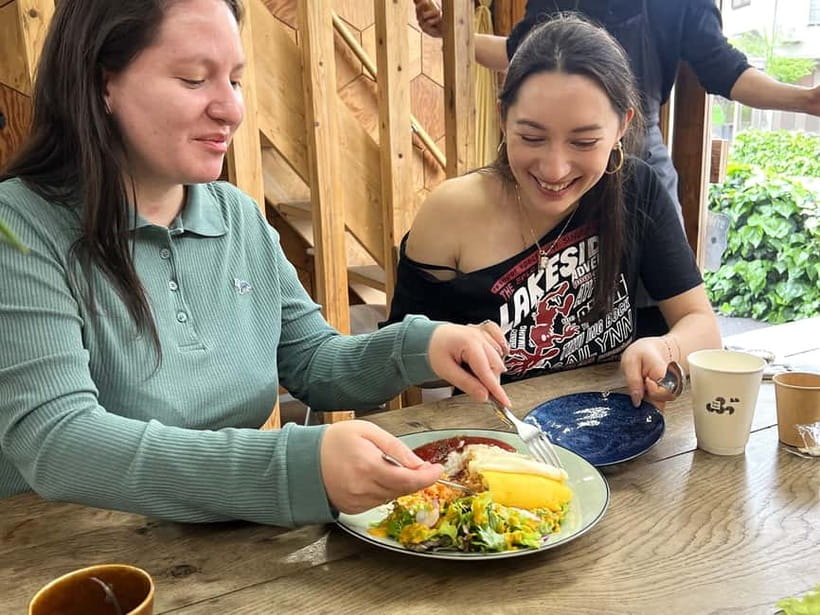
Tokyo can be loud, fast, and a bit scripted. This is why I like this tour’s base: Sangenjaya. You get the convenience of being close to major areas, but your meals unfold in a local pocket where the atmosphere feels more lived-in than staged.
Sangenjaya is known for soul food style eating: quick, warm, and designed for real hunger, not Instagram posing. That matters because the tastings you’ll have aren’t just random “try this” items. They fit the rhythm of the neighborhood—grab a snack, step aside, keep walking, then settle into the next stop. The tour leans into hidden alleys, nostalgic storefronts, and small eateries that have been around long enough to feel part of the street itself.
You also get a bit of breathing room in between bites. One review notes that walking through the neighborhood gives time to let food digest between stops, which is smart. In three hours, that pacing keeps things comfortable instead of turning into a sugar-and-salt sprint.
Possible drawback to plan around: because this is a walking food tour, it’s not a good fit if you want lots of sitting or guaranteed chair stops. If your travel style is more “minimal walking, maximum sights,” you might find the pace a little more active than you’d prefer.
You can also read our reviews of more food & drink experiences in Tokyo



The 3-Hour Structure: 5+ Tastings That Feel Like a Real Meal
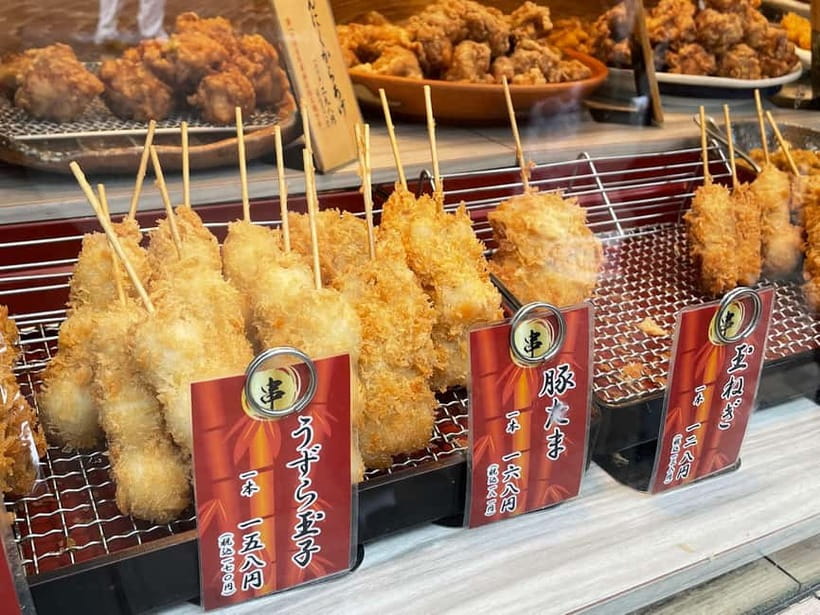
The biggest value signal here is simple: all food included with at least 5 tastings. For $68, you’re not paying just for a guide and a walk—you’re paying for multiple bites across several spots, both savory and sweet.
In practice, this kind of structure helps you in two ways:
- You don’t have to make decisions at each restaurant. The guide handles the what and where.
- You get variety in a short time without needing to eat a full dinner on your own.
The tour runs for 3 hours, which is the sweet spot for food that’s meant to be eaten warm and fresh. You’re also in the right time window for comfort-food cravings: think late-afternoon hunger through early evening, when snacks and casual meals start feeling extra appealing.
Another practical point: drinks aren’t included except water. That’s not unusual, but it changes the real budget. If you prefer tea, soda, or beer with snacks, plan for that separately so you don’t get surprised at the counter.
Group size is limited to 10. In tours, small-group usually means you ask more questions, get quicker help if you’re unsure about what you’re eating, and don’t feel like you’re stuck behind someone holding up the pace. Reviews repeatedly praise guides for paying attention to expectations, which fits this smaller format.
The Star Dishes: Takoyaki, Omurice, and Curry Pan

If you want Japanese comfort food you can actually recognize, this tour’s selection hits key favorites. You’ll encounter dishes like takoyaki, omurice, and curry pan, plus additional bites as the guide brings you through local spots.
Here’s why that trio works so well on a walking tour:
Takoyaki
Takoyaki is fun because it’s street-food friendly and easy to share. It’s also a dish where the texture is part of the experience—crispy outside, soft inside, usually served warm and sauced. On a tour, this is a great first savory anchor because it’s filling without taking forever.
Omurice
Omurice brings comfort food energy. You get egg and ketchup-style richness, usually paired with savory filling. This is the kind of item that makes you understand why Japanese comfort dishes are so satisfying: it’s not just flavor, it’s warmth and softness working together.
You can also read our reviews of more tours and experiences in Tokyo



Curry Pan
Curry pan is portable, comforting, and perfect for a neighborhood stroll. It also tends to make food tours feel more “local” because it’s something you’d spot people buying as an everyday snack. It’s also a good mid-tour reset: savory, hearty, and not overly complicated to eat while walking.
From the information you have, tastings may vary with seasons, and pescatarians are welcome with options that may shift. So while you can expect those recognizable comfort flavors, you should treat the exact line-up as flexible. That flexibility can actually be a good thing: you’re more likely to get what’s at its best right now, rather than the same menu on every date.
How the Walking Tour Adds Context, Not Just Calories
Food tours can get repetitive: point, eat, move on. This one tries to give you a little more context as you go, which makes the tastings more meaningful.
You’ll stroll through older Tokyo streets where the charm isn’t just visual. It’s practical for your understanding. Hidden alleys and nostalgic shops help explain how these foods fit daily life. When you see the setting, it’s easier to understand why these items are popular: quick meals, snack culture, and places built for regulars.
Two reviews highlight that guides provide explanations and context around dishes people already know. That matters because you’ll often learn small details that change how you taste. Even a short bit of guidance like what makes a dish comforting, what to look for, or how to read the shop vibe can make the bite feel less random.
One more smart detail is pacing. Walking between stops gives you time to reset. You’re still eating constantly, but it doesn’t feel like you’re being shoved from one chaos station to another. That helps you enjoy each tasting rather than just surviving the quantity.
And because it’s a small group, the guide can respond if you want to slow down, ask what something is, or share dietary needs. The tour is described as listening to expectations, which is exactly what you want when you’re spending three hours focused on food.
Price Breakdown: Does $68 Actually Make Sense?
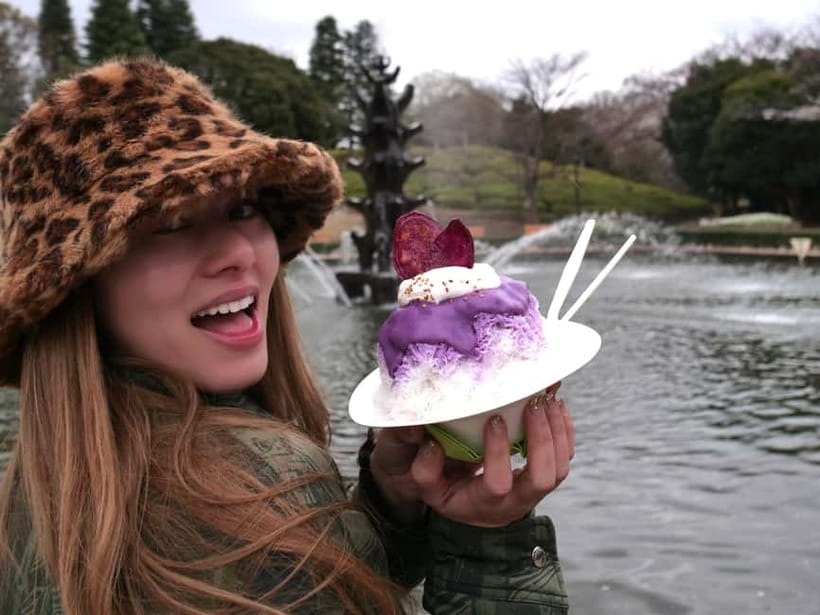
Let’s talk value in real terms. At $68 per person for 3 hours, you’re paying for:
- A live guide in English or French
- Small group touring (up to 10 people)
- All food included with 5 tastings minimum
- A focused route through Sangenjaya rather than random stops
Where this can feel like a great deal is when you’d otherwise have to order multiple dishes on your own. If you tried the same range of items by yourself, you’d still be paying for each snack, plus drinks, plus the time and decision-making.
Here’s the catch: drinks except water are not included. So the real “budget” is $68 plus whatever you choose to drink. If you’re someone who likes tea or coffee with dessert, you’ll want a little extra spending room. If you’re fine with water during the tour, the price feels straightforward.
Also, the “quantity and quality” theme shows up again and again in feedback. That’s important because a tour can claim tastings but deliver tiny portions. Here, the tone suggests you should expect enough food to feel satisfied by the end, not just slightly curious.
Tour Guides: English-French Support That Doesn’t Feel Like a Lecture
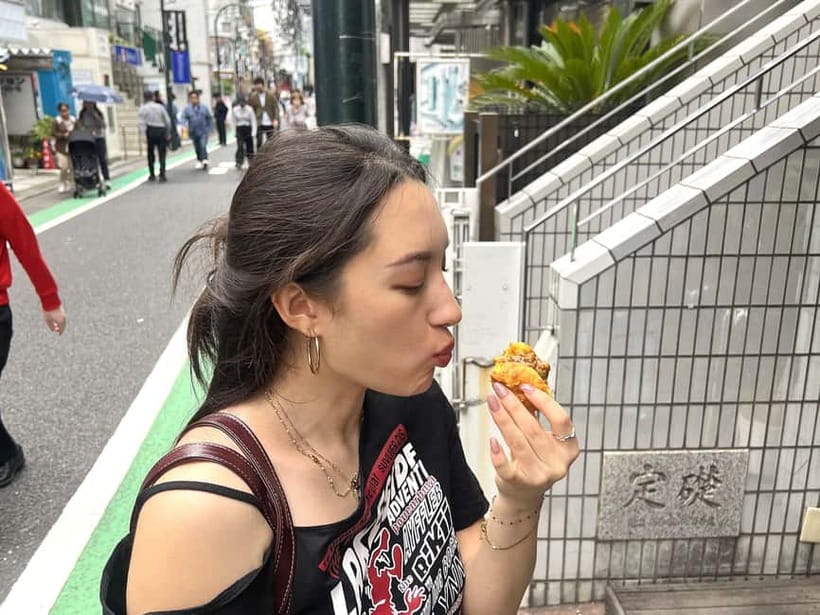
Guides are a huge part of whether a food tour feels fun or stressful. With NO DIET CLUB, feedback centers on guides like Valentin and Marie being attentive, friendly, and willing to tailor the experience a bit.
This matters in several ways:
- If you’re unsure what you’re eating, you’ll want someone who explains clearly.
- If you have dietary needs, you want a guide who pays attention and adapts within what’s available.
- If you care about learning context, you want conversation, not just a scripted run.
You also get English and French tour options, which is a real help if you don’t want to rely on your own restaurant-level Japanese. Even if you do know a few phrases, having explanations in your language lets you enjoy the food instead of translating the moment.
Small group size also supports better flow. Less crowd pressure means it’s easier to taste, pause, and ask. It also helps the guide keep the pacing smooth across the neighborhood.
Who Should Book No Diet Club (And Who Might Want to Skip It)

This tour is a strong fit if you:
- Want a calmer neighborhood experience near Shibuya without the tourist chaos
- Love comfort foods like takoyaki, omurice, and curry pan
- Like food tours that include enough tastings to feel like an actual meal plan
- Prefer a guide-led route so you don’t have to hunt for places yourself
- Travel with pescatarian needs and want a tour that welcomes you (options can vary by season)
It might be less ideal if you:
- Want a mostly seated experience
- Plan to spend heavily on drinks, since only water is included
- Have very limited mobility for walking-based plans
One practical tip: since tastings include both savory and sweet, go easy on breakfast or your own lunch before this. Not because you can’t eat, but because you’ll enjoy each stop more when you’re hungry in a good way.
Should You Book It?
In my view, you should book this tour if you want the best kind of Tokyo food experience: guided, local, and actually filling. The combination of Sangenjaya focus, a 3-hour walking format, and all food included with 5+ tastings is a solid value equation, especially compared to piecing together multiple snack stops on your own.
If you’re on the fence, make your decision based on one thing: are you excited to walk through older neighborhood streets while eating a sequence of comfort foods? If yes, this is the kind of plan that gives you more than a list of restaurants. It gives you the feeling of how Tokyo people actually eat—warm, fast, and delicious.
FAQ
FAQ
How long is the tour?
The tour lasts 3 hours.
Is food included in the price?
Yes. All food is included, with 5 tastings minimum in many spots (savory and sweet).
What drinks are included?
Drinks are not included except water.
What languages are the tours offered in?
The tour guide is available in English and French.
Is the group size small?
Yes. The group is limited to 10 participants.
Are pescatarians welcome?
Yes. Pescatarians are welcome, and tastings may vary with the seasons.
Is there free cancellation?
Yes. You can cancel up to 24 hours in advance for a full refund.