REVIEW · TOKYO
Mt. Fuji Tours to Lake Kawaguchi and Yamanaka Onsen English Guide
Book on Viator →Operated by Scenic Bend · Bookable on Viator
Fuji, hot springs, and seasonal color in one day. I like the seasonal plan around Lake Kawaguchiko and the chance to soak at Lake Yamanaka while keeping Mt. Fuji in view; the trade-off is that time is tight and hot spring fees are extra.
This is a mostly fixed, carpool-style day built for strong views and simple planning: daily departures, an English guide, and a route that swaps stops depending on the season and date. The main consideration is you will be following set stay times, so you cannot slow-walk your way through every photo spot.
You’ll typically move through 3 to 4 viewpoints plus at least one Mt. Fuji-focused photo stop. If the weather plays along and you show up ready, it’s a very efficient way to get that Mt. Fuji “wow” without building a complicated day from scratch.
In This Review
- Key things I’d plan around
- Price and value for a full Tokyo-to-Fuji day
- The real “plan” behind this tour: dates decide your Mt. Fuji stops
- Lake Kawaguchiko: where the seasonal color game happens
- Lake Yamanaka hot springs: optional, extra cost, and timing matters
- Bath costs you should know
- The lake detail that locals actually like
- Arakurayama Sengen Park: the steps, the pagoda, and the wide Fuji view
- Mt. Fuji 5th Station: high altitude views and the “cloud mood” factor
- The final Mt. Fuji stop: one hour for the classic photo moment
- What the guide does for you (and why the language support matters)
- Logistics that affect your comfort: fixed timing, luggage limits, and keeping up
- Fixed stays mean you should move with the plan
- Luggage: keep it light
- Weather and road conditions still win
- Who this tour suits best
- Should you book this Mt. Fuji day tour?
- FAQ
- FAQ
- How long is the Mt. Fuji Tours to Lake Kawaguchi and Yamanaka Onsen English Guide?
- What is included in the price?
- Is a hot spring bath included?
- How much do hot springs cost at Lake Yamanaka?
- Which stop do I visit: Arakurayama Sengen Park or Mt. Fuji 5th Station?
- How long do I spend at each major stop?
- Is lunch included?
- Can I bring luggage?
- Do I need to carry my passport during the trip?
- My quick verdict
Key things I’d plan around
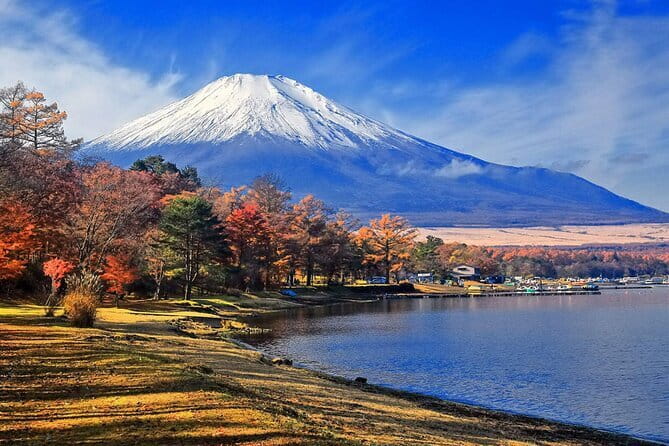
- Seasonal swapping of viewpoints: Arakurayama Sengen Park runs Oct 1–Apr 25, while Mt. Fuji 5th Station runs Apr 26–Sep 30
- Lake Kawaguchiko focus: you get timed access to seasonal sights like Oishi Park, shibazakura, music museum, or a maple corridor
- Optional hot spring time: Lake Yamanaka gives you a set window, but baths cost extra
- Tight schedule by design: short visits mean you should prioritize your must-see photos first
- English guide support: the experience leans on a certified guide who can help you time your stops well
- Up to 45 people: big enough for variety, small enough to keep things moving
Price and value for a full Tokyo-to-Fuji day
At about $61.06 per person for roughly 8 hours, this tour lands in the “good value if you want the structure” category. The price covers the vehicle service fees, fuel, tolls, driver service, and a certified English guide. What you must budget extra for is also pretty clear: meals are not included, and hot spring bathing fees are on you.
For many people, the real value is not just the sights—it’s the planning. Mt. Fuji day trips can turn into a web of train changes and bus transfers. Here, you trade flexibility for simplicity: you get a carpool-style route with planned stops and set viewing windows, and you spend your energy on getting photos and walking the viewpoints instead of mapping transportation.
You can also read our reviews of more guided tours in Tokyo
The real “plan” behind this tour: dates decide your Mt. Fuji stops
One thing I like about this tour is that it doesn’t pretend the same Mt. Fuji viewpoints work equally well year-round. The route changes based on the date:
- Oct 1 to Apr 25: you go to Arakurayama Sengen Park (instead of Mt. Fuji 5th Station)
- Apr 26 to Sep 30: you go to Mt. Fuji 5th Station (instead of Arakurayama Sengen Park)
That matters because Arakurayama Sengen Park is famous for the dramatic wide-angle view and the layered views around Mt. Fuji and Fujiyoshida. Mt. Fuji 5th Station, on the other hand, is more about being higher up and feeling the mountain closer—at about 2,305 meters, with a different mood when clouds or visibility shift.
Weather can still mess with your plans, but this date-based design helps you catch the best version of the area you’re visiting.
Lake Kawaguchiko: where the seasonal color game happens
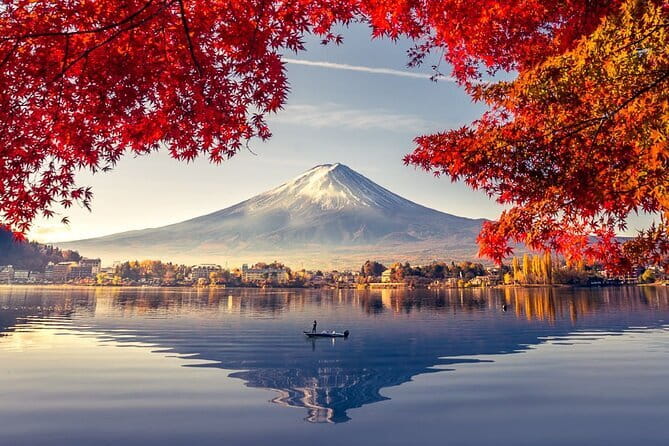
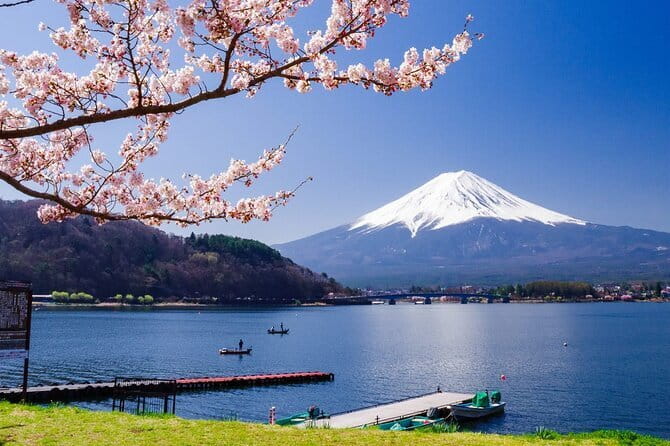
Lake Kawaguchiko is your first big hit, with a free-viewing window (about 30 minutes) to look for Mt. Fuji. This is where you decide fast: do you want a wide panoramic shot, a lower shoreline perspective, or a quick viewpoint scan before you move on?
After that, the tour switches into a seasonal limited itinerary. You’ll spend about 60 minutes at the chosen stop, and which stop you get depends on your travel date:
- Oishi Park (Nov 24–Apr 14, and May 29–Jul 10)
You get time for classic Fuji sightlines and the seasonal flower/foliage look that area is known for.
- Lake Motosu Fuji Shibazakura Festival (Apr 15–May 28)
If your timing is right, this is the “carpet of flowers” style scene. It’s very photo-forward, but you’ll want to be ready for crowds during peak festival periods.
- Lake Kawaguchiko Music Museum (Jul 11–Oct 19)
This is a different flavor than pure flowers or leaves. If you like a more relaxed stop that still fits the Fuji theme, it’s a nice break from constant viewpoint climbing.
- Kawaguchiko Maple Leaf Corridor (Oct 20–Nov 23)
Great if you’re chasing autumn color. You get a set time slot, so don’t plan to slowly wander forever—hit your must-see angles early.
- Lunch timing note
There is time carved in for lunch during the Kawaguchiko segment, but food and drinks are not included, so plan on paying for your own meal.
One small practical tip: because Kawaguchiko’s seasonal stop is timed, it helps to pick your main target before you arrive. If you try to cover everything at full speed, you’ll end up rushing your best photos.
Lake Yamanaka hot springs: optional, extra cost, and timing matters
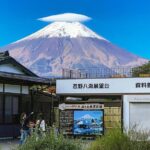
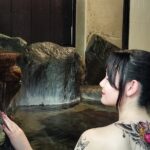
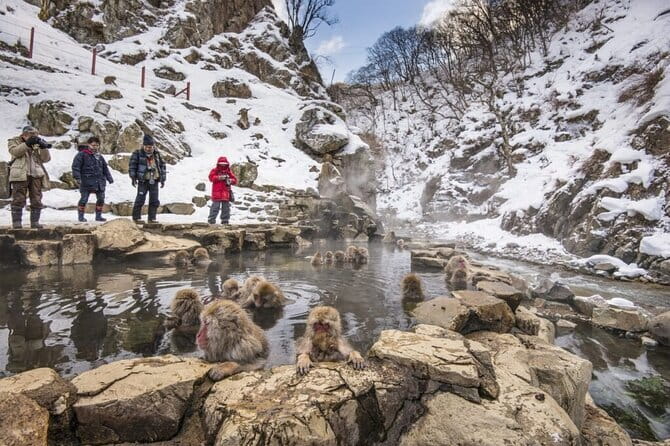
Stop 2 is Lake Yamanaka, with about 70 minutes. This is your chance to see Mt. Fuji again, then add one of Japan’s most enjoyable “tired feet solution” options: a hot spring bath.
Here’s the key catch: the tour can pick you up and drop you off in the same car if you choose a hot spring, but bath fees are not covered.
Bath costs you should know
- Yamanakako Hot Spring Red Fuji no Yu: 1,120 yen for adults (plus towel fee), 920 yen for middle/high school, 570 yen for elementary school
- There’s also Mt. Fuji Hot Spring (where you can see Mt. Fuji from the lounge), and the cost listed is 1,600 yen on weekdays
- You might want to consider the Mt. Fuji Hot Spring option especially when Red Fuji no Yu is closed every Tuesday
This matters because a lot of people sign up specifically for the hot spring part. If you’re going on a Tuesday and you only plan around one bath, you could end up scrambling. If you care most about bathing, I’d plan your must-do bath first and then let the other sights be the bonus.
You can also read our reviews of more tours and experiences in Tokyo
The lake detail that locals actually like
Lake Yamanaka is noted as the only one of the Fuji Five Lakes with a natural river outlet. It’s not a huge “tourist fact,” but it’s a neat detail if you like understanding why each lake feels slightly different even when the mountain view is similar.
Arakurayama Sengen Park: the steps, the pagoda, and the wide Fuji view
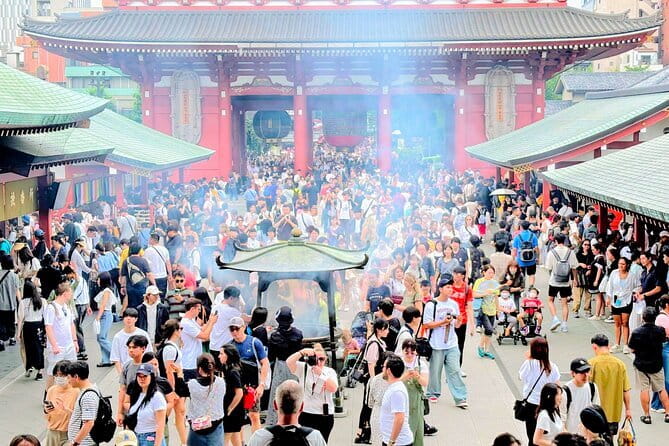
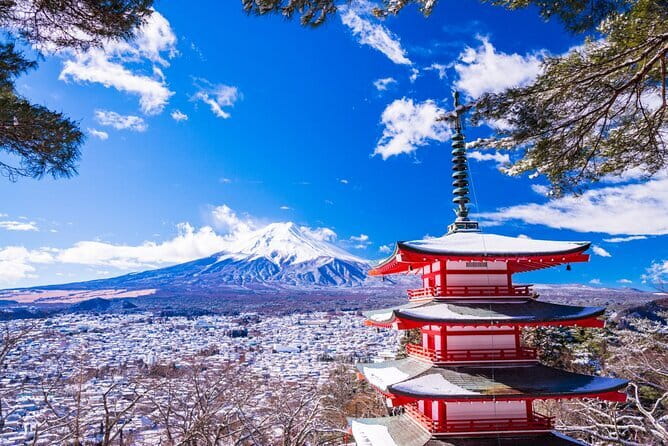
If your date falls Oct 1–Apr 25, Stop 3 is Arakurayama Sengen Park. You get about 1 hour, and admission is free.
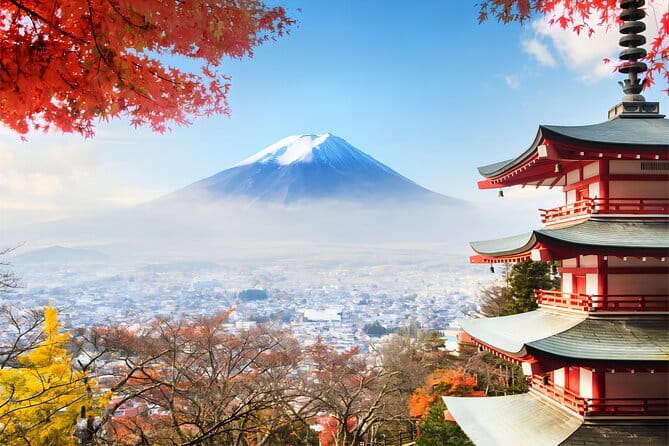
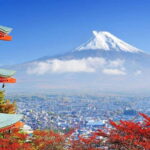
This is the one stop on the route where you should expect some footwork. The area includes a climb of 397 steps near the main shrine, and the payoff is the classic view setup: you can frame photos that include the five-story pagoda, Mt. Fuji, and the street view below in the same shot.
It also gives you variety. Besides Mt. Fuji views, you can spot Fujiyoshida city from the vantage points around the park. And the seasonal rhythm is built in: cherry blossoms in spring, greenery in summer, red leaves in autumn, snowy scenery in winter.
Practical drawback: if you’re not comfortable with steps or you want a low-effort stop, this one might feel like the most physically demanding segment.
Mt. Fuji 5th Station: high altitude views and the “cloud mood” factor
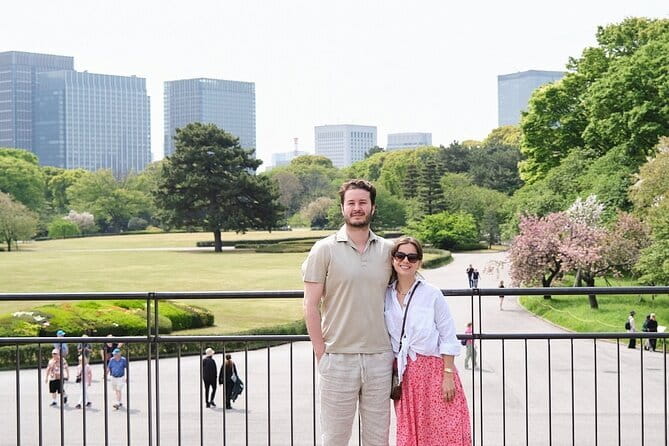
If your date falls Apr 26–Sep 30, Stop 3 becomes Mt. Fuji 5th Station instead of Arakurayama Sengen Park. You’ll get about 40 minutes, and admission is free.
At 2,305 meters, this is where Mt. Fuji changes from distant icon to something closer and more physical. The tour description is spot-on about how the mood shifts:
- On clear days, you can look out over the surrounding scenery
- When clouds roll in, you can end up staring at a sea of clouds
That’s why shorter time here can still be worth it. If visibility is good, you’ll want to take your time with a few angles. If clouds cut visibility, you can still get that dramatic atmospheric look—just don’t expect every moment to be perfectly clear.
The final Mt. Fuji stop: one hour for the classic photo moment
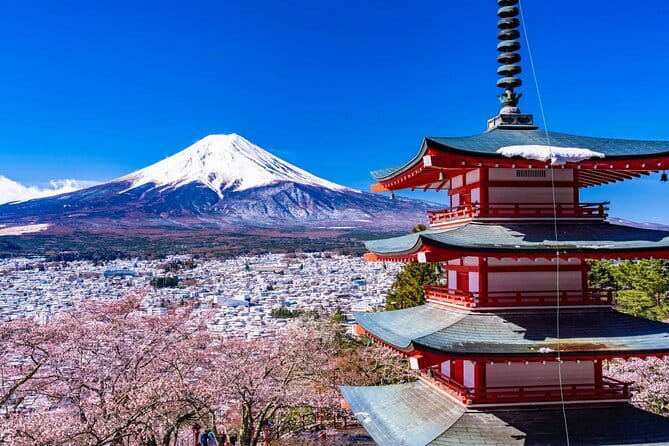
Stop 5 is simply listed as Mount Fuji with about 1 hour. That hour is likely your buffer time for a key photo moment and general sightseeing around the broader Mt. Fuji area.
I like this kind of “flex time” in a fixed tour day because it gives the guide room to adjust to what the day actually looks like. If visibility is excellent, you’ll likely spend more of that hour on viewpoints and photos. If clouds are rolling in, you’re at least not rushed from one stop to the next with nowhere to breathe.
What the guide does for you (and why the language support matters)
This tour runs with a certified guide and includes the guide’s service fee. In real life, that matters more than people expect. You’re on a schedule with timed stays, and you need help understanding where to stand, how long to spend, and what to prioritize if Mt. Fuji is partially hidden.
The tour experiences I saw here highlight that the guides can handle multiple languages in a friendly, practical way—names like Christy, Sandy, Damon, and Mario come up, and the pattern is clear: you get direction that helps you get the best photos instead of guessing.
One small thing to keep in mind: audio on the bus can be imperfect, so don’t assume you’ll hear every detail from your seat. If you’re the type who likes to catch every explanation, aim a little closer to where the guide talks.
Logistics that affect your comfort: fixed timing, luggage limits, and keeping up
This is a fixed itinerary for carpooling. That comes with benefits and limits.
Fixed stays mean you should move with the plan
You must follow the driver’s arrangement and respect the stay time at each attraction. If you step off and go wandering on your own, the tour treats that as leaving the group. You also can’t count on the schedule being elastic.
Luggage: keep it light
It’s a one-day trip and you’re not recommended to carry luggage. If you need luggage, only 1 luggage per person is allowed. If you don’t note it while booking, or if more than 1 piece is detected per guest, there’s an extra 100 yuan per extra piece.
If you travel with a camera bag, that’s usually fine—but for anything bulky, plan to travel light.
Weather and road conditions still win
The itinerary schedule may adjust due to weather and road conditions. Mt. Fuji is famous for changing its mood fast, so I always treat a day like this as a best-effort plan: go for your best photos quickly, then enjoy the rest of the time even if visibility changes.
Who this tour suits best
I think this one fits best if you’re:
- Planning a single day from Tokyo and want Mt. Fuji viewpoints without building your own route
- Into seasonal scenery (especially around Lake Kawaguchiko)
- Interested in hot springs but okay paying extra for the bath itself
- The type who likes structure: you’ll enjoy timed stops and a guide managing the flow
It may be less ideal if you:
- Want lots of free wandering time at each stop
- Need totally flexible pacing (this is fixed stay time)
- Are traveling with heavy luggage
- Have very specific hot spring plans on a specific weekday (bath closures can affect your choice)
Should you book this Mt. Fuji day tour?
Book it if you want a simple, scenic day with strong planning baked in: Lake Kawaguchiko seasonal highlights, a second Fuji-view moment at Lake Yamanaka, and then either Arakurayama Sengen Park or Mt. Fuji 5th Station based on the date. At around $61, the value is real once you factor in transport, tolls, and a certified English guide.
Skip or choose a more flexible option if you’re the kind of person who needs long unstructured time at each stop, or if hot spring timing is your top priority and you cannot shift at all. This tour can get you the goods fast, but it doesn’t slow down for personal pacing.
FAQ
FAQ
How long is the Mt. Fuji Tours to Lake Kawaguchi and Yamanaka Onsen English Guide?
The tour runs for about 8 hours (approx.).
What is included in the price?
The price includes vehicle service fees, fuel, tolls/highway tolls, driver service fee, and a certified tour guide. Food and drinks are not included.
Is a hot spring bath included?
No. If you choose to bathe, you pay the hot spring fees yourself.
How much do hot springs cost at Lake Yamanaka?
For Yamanakako Hot Spring Red Fuji no Yu, the adult bath fee is listed as 1,120 yen (including towel fee). There are also listed reduced fees for middle/high school, elementary students, and an alternative option at Mt. Fuji Hot Spring is listed as 1,600 yen on weekdays.
Which stop do I visit: Arakurayama Sengen Park or Mt. Fuji 5th Station?
It depends on the date. Oct 1–Apr 25 visits Arakurayama Sengen Park (and not the 5th station). Apr 26–Sep 30 visits Mt. Fuji 5th Station (and not Arakurayama Sengen Park).
How long do I spend at each major stop?
You get about 30 minutes of free time at Lake Kawaguchiko for Fuji views, about 60 minutes at the seasonal Lake Kawaguchiko attraction, about 70 minutes at Lake Yamanaka, about 1 hour at Arakurayama Sengen Park (seasonal dates), or 40 minutes at Mt. Fuji 5th Station (seasonal dates), plus about 1 hour at the Mount Fuji stop.
Is lunch included?
Food and drinks are listed as not included, even though there is lunch time built into the day. You should plan to pay for your own meal.
Can I bring luggage?
It’s not recommended. If you must bring luggage, 1 luggage per person is allowed. If you didn’t note it when booking, or if there is more than 1 piece per guest, there is an extra 100 yuan per piece.
Do I need to carry my passport during the trip?
The guidance says you should carry your passport and valuables with you and keep them safe during the trip.
My quick verdict
If you want an efficient, season-aware Mt. Fuji day from Tokyo—two lake areas plus either Arakurayama or the 5th station—you’ll likely enjoy this format. Just go in knowing the schedule is fixed, the hot spring is optional and extra, and Mt. Fuji visibility depends on the day.