REVIEW · TOKYO
Tokyo: Exquisite Wagyu Beef Experience at Yakiniku Nikunone
Book on GetYourGuide →Operated by TakeMe Co.,Ltd. · Bookable on GetYourGuide
A5 Wagyu in a Tokyo private room sounds perfect. At Yakiniku Nikunone, the appeal is big: you get top-grade A5 Wagyu in a calm, private setting, plus rare touches like Dragon Eggs and algae-salt rice. The tradeoff is simple: this is a reservation-only, fixed-duration meal, so you’ll want your plans locked in.
What I like is how the experience feels designed, not improvised. You choose one of three full course menus (12 to 14 dishes) with welcome drinks, and the rooms follow Japan’s four seasons theme, so the mood changes as the meal progresses.
One thing to consider: it’s very focused on meat and pairings, so if you want a casual, wandering dinner night with lots of variety beyond beef, this may feel too structured for your style.
In This Review
- Key Things to Know Before You Book Nikunone
- A5 Wagyu, Private Rooms, and the Four-Season Dinner Feeling
- Choosing Between Nikunone, Kirameki, and Kinzakura Courses
- Nikunone Course (12 dishes)
- Kirameki Course (14 dishes)
- Kinzakura Course (14 dishes)
- The Ingredients That Make This Menu Feel Carefully Designed
- Dragon Eggs and Algae Salt Rice (the signature ingredient angle)
- Caviar and Wagyu sushi moments
- Tongue, shabu-shabu, and the cuts you might not expect
- How the Meal Works Over Two Hours (and Why That Tempo Matters)
- Wine and Drink Pairing: What You’ll Actually Get
- Price and Value: Is $113 a Good Deal for A5 Wagyu?
- Practical Logistics: Where to Go and What to Expect at Check-In
- Who Should Book This Wagyu Dinner and Who Should Skip It?
- Should You Book This Exquisite Wagyu Experience in Tokyo?
- FAQ
- How long is the Yakiniku Nikunone Wagyu dinner?
- What courses can I choose from?
- Does the price include drinks?
- Is caviar included?
- Where do I meet the restaurant?
- Will I have a guide with me?
- Is this reservation suitable if I have dietary restrictions?
Key Things to Know Before You Book Nikunone
- A5 Wagyu specialist: This place is centered on Wagyu, not a mixed menu concept.
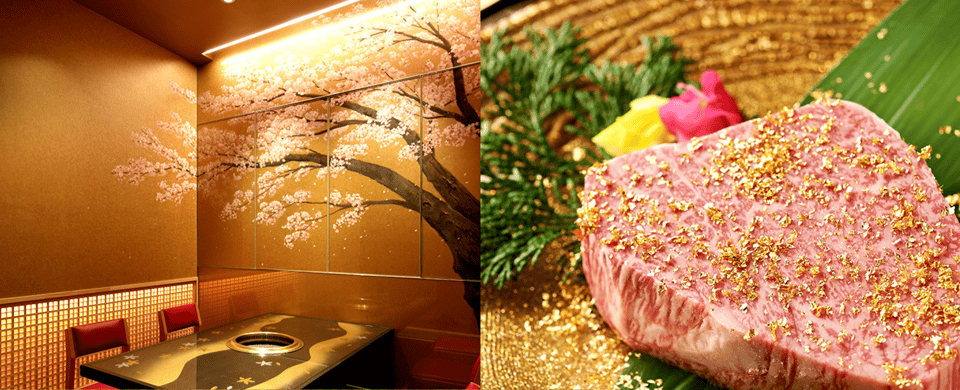
- Four-season private rooms: Each course happens in a room inspired by Japan’s seasons.
- Rare ingredient spotlight: Expect menu items tied to specific regions like Oita and the Oki Islands.
- Caviar shows up in the course: Some highlights include seared Wagyu sushi with caviar.
- Three set menus, different “signature” moments: Each menu swaps in its own featured items.
- Wine-forward pairing vibe: Welcome drinks are included, and the restaurant leans into drink-and-beef matching.
A5 Wagyu, Private Rooms, and the Four-Season Dinner Feeling
Yakiniku Nikunone is for the nights when you want your food to feel like an event. You’re not sharing tables or blending into a loud dining room. Instead, you sit in a private dining room inspired by Japan’s four seasons, which matters more than it sounds. The room design turns a meal into a sequence, almost like a short seasonal play where the menu changes with the atmosphere.
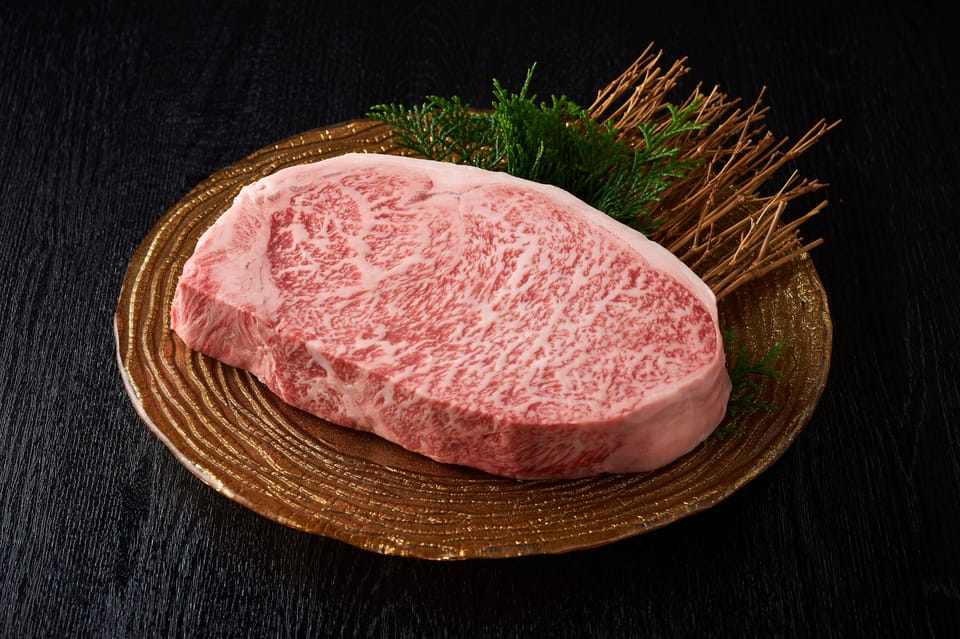
The focus stays relentlessly on Wagyu quality. The restaurant is described as a Wagyu-only specialty, and the courses are built around A5-grade beef that’s been hand-selected for exceptional quality. If you’ve ever ordered “wagyu” elsewhere and wondered whether it’s real or just branding, this kind of specialization is exactly what you’re trying to avoid.
Now, the catch. This isn’t a flexible “drop in and see” dinner. Your seat is reserved for up to two hours, and specific seat types can’t be guaranteed. If you’re the type who hates timeboxes, plan a calm evening around it.
You can also read our reviews of more tours and experiences in Tokyo.



Choosing Between Nikunone, Kirameki, and Kinzakura Courses
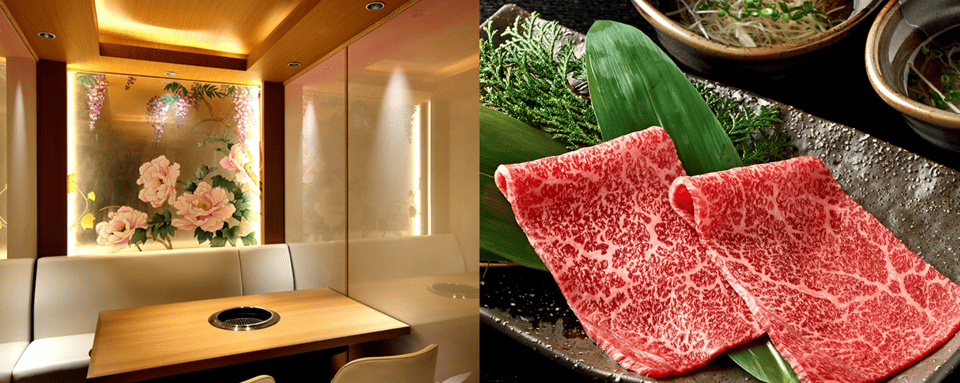
You book a full course, and that’s the whole point. Three different menus let you pick your level of extravagance and the kind of highlights you care about most. All menus include welcome drinks, but the drink and caviar details change.
Nikunone Course (12 dishes)
This menu is a tight, focused showcase. You’ll get one drink plus a special extra: one piece of seared Wagyu sushi with caviar, offered exclusively in this course.
From there, you move through a mix that keeps things interesting without drifting away from Wagyu:
- Kimchi and namul (two kinds)
- WAGYU sinew stew
- Salad
- Tongue grilled shabu-shabu (a “special tongue” style)
- The day’s exclusive salted items: 3 special parts
- Chesnuts grilled shabu-shabu
- Selected two kinds of lean meat, marinated
- Grilled Wagyu sushi (two pieces)
- Dessert: citrus yuzu sorbet
If you want a balanced course that still feels premium but not overloaded, Nikunone is a strong first choice.
Kirameki Course (14 dishes)
Kirameki adds more steps and a few different spotlight flavors. Like Nikunone, it includes one drink and the same exclusive-style starter concept: one piece of seared Wagyu sushi with caviar.
Key differences in highlights:
- Miyazaki beef sashimi with sea urchins
- Grilled Wagyu sushi with caviar (one piece)
- Special tongue grilled shabu-shabu
- Special skirt steak served with fresh wasabi
- Today’s exclusive salted items: 2 special parts
- Selected three kinds of lean meat, marinated
- Sirloin steak or rump steak (your option)
- Meal choice: cold noodles or WAGYU Ochazuke
- Dessert of your choice
This is the menu for people who want variety: sashimi plus beef course highlights plus a clear meal finale (noodles or ochazuke).
Kinzakura Course (14 dishes)
This is the “go all in” option. It includes two drinks, including fruit champagne, plus one jar of caviar (and there’s even more caviar available to use as you like).
What you’ll remember here:
- Two kinds of kimchi and namul
- Hand-roll sea urchin tartar sushi with caviar
- Salad
- Special tongue grilled shabu-shabu
- Chateaubriand with truffle salt
- Today’s exclusive salted items: 2 special parts
- Selected two kinds of lean meat, marinated
- Chuck flap grilled sukiyaki
- Selected Wagyu steak sandwich
- Meal choice: cold noodles or grilled Wagyu sushi with sea urchins (two pieces)
- Dessert of your choice
- Plus: a small bottle of caviar you can use on the tartar and more
If you like food that feels playful and rich—sea urchin, truffle salt, extra caviar, and even a sandwich moment—Kinzakura is built for that.






The Ingredients That Make This Menu Feel Carefully Designed
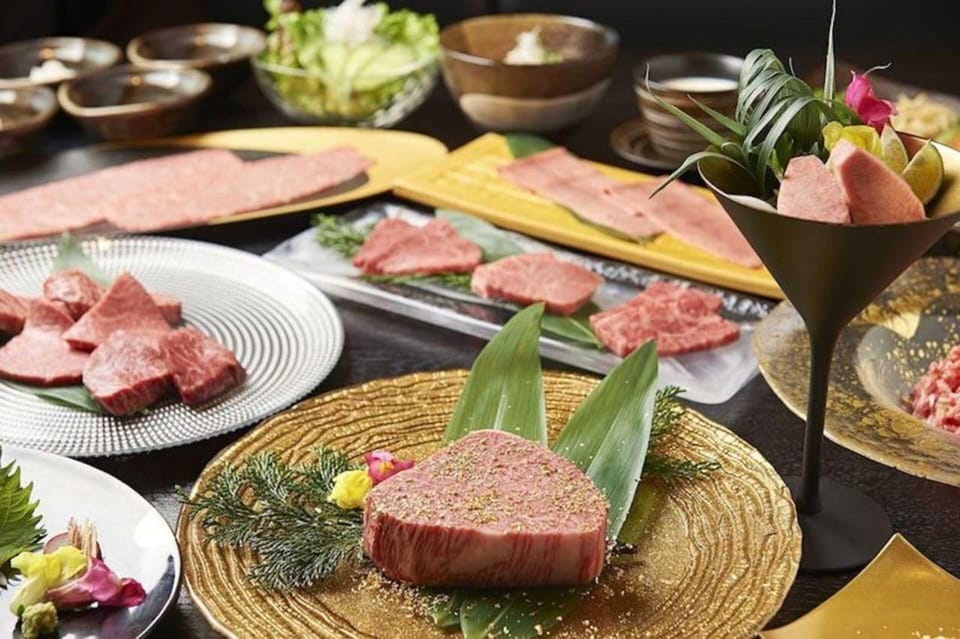
Even if you only care about the steak, the sides and “supporting cast” matter here. The restaurant’s description leans into rare ingredients tied to specific regions, and the course structure backs that up with multiple non-standard touches.
Dragon Eggs and Algae Salt Rice (the signature ingredient angle)
From the restaurant description, you’ll see standout items like Dragon Eggs from Oita and Algae Salt Rice from the Oki Islands. That’s not just trivia. Region-specific ingredients help explain why the meal doesn’t taste like generic yakiniku.
If you’re picky about flavors, look for courses that give you more chances to taste these regional components, since they’re part of the restaurant’s identity, not an afterthought.
Caviar and Wagyu sushi moments
Each of the three course menus includes at least one major Wagyu sushi moment with caviar, but the exact format changes by course:
- Nikunone: one piece of seared Wagyu sushi with caviar (exclusive to this course), plus grilled Wagyu sushi later
- Kirameki: grilled Wagyu sushi with caviar (plus a special wasabi-served steak highlight)
- Kinzakura: hand-roll sea urchin tartar sushi with caviar, plus extra caviar you can use
Caviar is usually a “special occasion” ingredient, and here it’s paired directly with Wagyu’s rich fat. That’s where the wine-and-beef pairing pitch makes sense: you want something bracing or lightly sparkling alongside deep, savory richness.
Tongue, shabu-shabu, and the cuts you might not expect
A big pattern across all menus is tongue in a grilled shabu-shabu style. You also get multiple lean-meat options and a mix of textures: soups/stews, grilled pieces, sashimi (in Kirameki), and even salted “exclusive parts” in each menu.
This matters because A5 Wagyu isn’t just about softness. It’s also about how different cuts express themselves. If tongue is your thing, you’re in luck: it shows up repeatedly as a standout direction for the meal.
One extra detail to keep in mind from dish descriptions: you might even see wagyu presented with gold leaf on top in this restaurant’s offerings. Since that detail isn’t guaranteed in the menu list, treat it as a possible bonus rather than a promise.
How the Meal Works Over Two Hours (and Why That Tempo Matters)
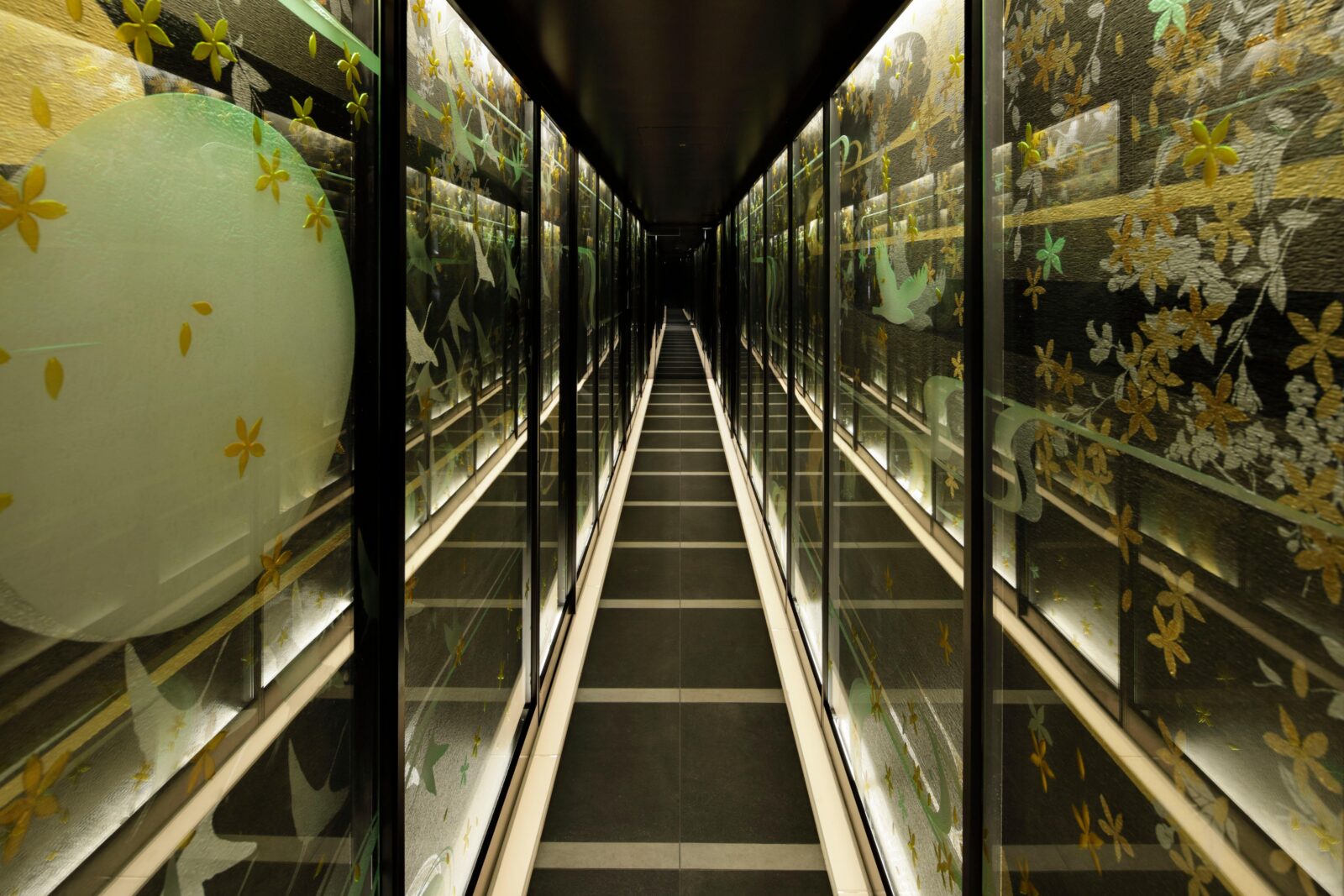
This experience is built as a reservation dinner, not a multi-stop tour. That means you’re not walking around, you’re not waiting in lines, and you’re not trying to read a schedule while hungry. Your time goes into the meal itself.
Seats are reserved for a maximum of two hours, and your room timing is designed around progressing through a full course set. In practical terms, that means:
- Expect multiple small-to-medium portions across many dishes, not one giant plate at a time.
- You’ll likely get a steady rhythm: appetizer-like items, then stew/salad, then grilled and sushi moments, then your meal finale (noodles or ochazuke), then dessert.
Because the schedule is tight, I recommend you treat it like a “one-night commitment.” Eat lightly beforehand. If you arrive already stuffed, the later dishes (especially the caviar and sushi notes) may feel less magical.
Service here is described as professional and polite, with details handled carefully. That’s important for a set course dinner where you’re tasting unfamiliar items. You don’t just need food—you need explanations and smooth pacing.
Wine and Drink Pairing: What You’ll Actually Get
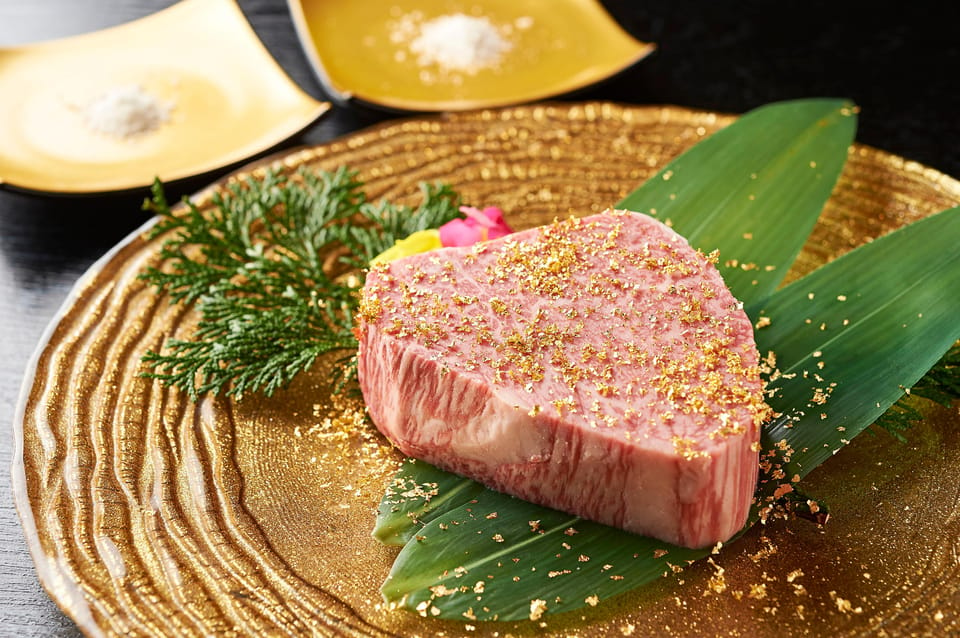
The restaurant pitches the pairing idea—wine with Wagyu—and your booking includes welcome drinks. The drink list isn’t fully spelled out in the menu text, but the course menus clearly state drink quantity and what’s included at each level.
- Nikunone course: one drink included
- Kirameki course: one drink included
- Kinzakura course: two drinks included, including fruit champagne, plus caviar
How to use this: if you’re serious about pairing, Kinzakura gives you the most “pairing energy” because it includes more drinks and a fruit champagne element. If you want to focus more tightly on the beef textures rather than drink experiments, Nikunone stays simpler.
Also, Japan’s legal drinking age is 20, so if your group includes younger diners, plan around non-alcohol options when you check out and add any dietary notes.
Price and Value: Is $113 a Good Deal for A5 Wagyu?
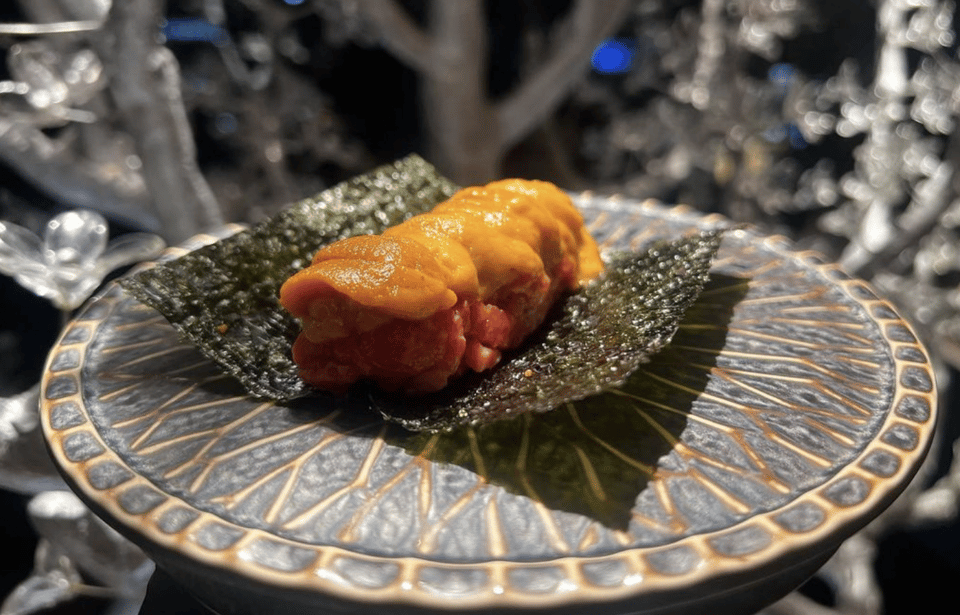
At $113 per person, you’re paying for a package: a full course menu, sales tax included, plus the reservation. It’s not a cheap “sample plate” situation. You’re buying into quality control, private-room pacing, and a menu built around premium ingredients and set-course structure.
Here’s how I’d judge value:
- If your goal is a true A5 Wagyu meal with privacy and multiple curated dish moments, the price starts to make sense. You’re not just paying for the steak; you’re paying for the entire service choreography.
- If you’re the type who wants to graze freely across a busy street of multiple restaurants, this may feel like you’re paying a premium for structure you won’t use.
What helps the value is the number of dishes and the inclusion of welcome drinks in every course. The Kinzakura menu also includes fruit champagne and a jar of caviar, which can quickly inflate costs elsewhere.
So the best way to decide is simple: if you’re booking for a special occasion or you genuinely want a high-end yakiniku night, I’d call it good value. If you just want a taste and don’t care about the room, timing, or curated sequence, there are likely cheaper ways to enjoy wagyu in Tokyo.
Practical Logistics: Where to Go and What to Expect at Check-In
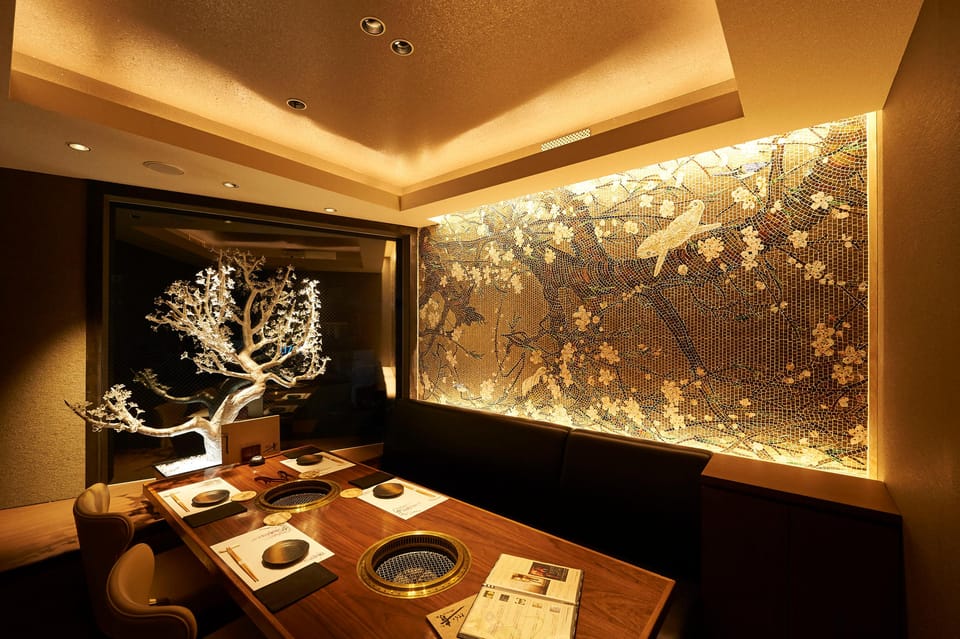
This is a restaurant reservation only. When it’s time for your reservation, you go straight to the restaurant. There’s no guide accompanying you on-site.
The meeting point listed is across from Lawson Gran Customa. That’s handy if you’re navigating by landmarks rather than station exits.
A few more practical notes that affect your experience:
- Your seat reservation is for up to two hours.
- Specific seat types can’t be guaranteed.
- If you have dietary restrictions, you need to leave a comment during checkout so the staff can prepare accordingly.
Also, photos are listed as reference only. So don’t make your decision based on a picture. The decision should be based on what kind of Wagyu-and-pairing night you want.
Who Should Book This Wagyu Dinner and Who Should Skip It?
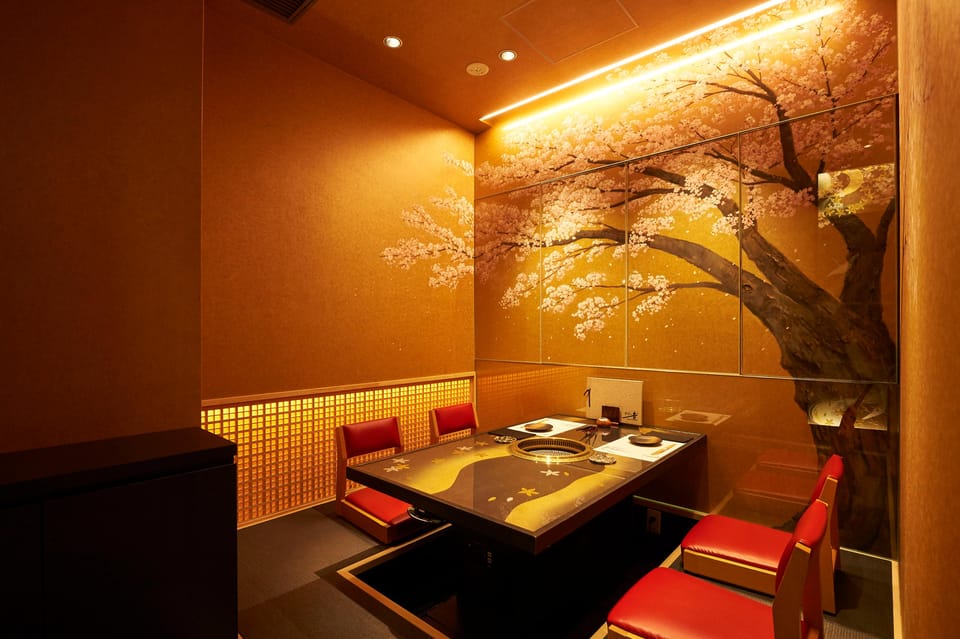
You should book Yakiniku Nikunone if you:
- Want private dining in Tokyo and don’t want the stress of a walk-in meal
- Care about A5 Wagyu quality and how different cuts are served
- Want a set-course experience built around caviar, tongue, and a clean finish (noodles or ochazuke)
- Are celebrating something and want the dinner to feel deliberate
You might skip it if you:
- Prefer casual, flexible dining where you choose à la carte on the fly
- Don’t want a meat-forward menu with a structured pace
- Are sensitive to time limits, since your room seating is capped at two hours
- Need lots of guaranteed options for complex dietary restrictions (you can request, but the menu is still set-course)
Should You Book This Exquisite Wagyu Experience in Tokyo?
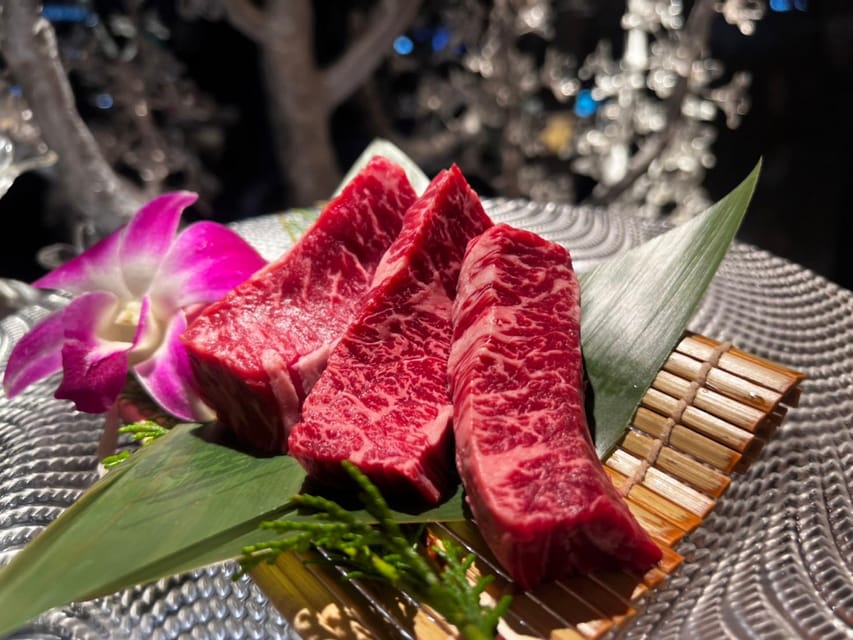
If your trip includes one splurge meal, this is the kind of reservation that makes that splurge feel like it was worth it. The combination of A5 Wagyu, private four-season rooms, and curated course moments like tongue shabu-shabu and caviar Wagyu sushi is exactly what you’re paying for.
Book Nikunone if you want a premium, well-paced sampler of the restaurant style. Pick Kirameki if you like more variety, including sashimi and a wasabi-forward steak moment. Choose Kinzakura if you want the most celebratory, drink-and-caviar-rich ride.
Just be honest with yourself about your dining style. If you want a controlled, high-end dinner where everything comes to you in sequence, this works. If you want a spontaneous food crawl, keep looking.
FAQ
How long is the Yakiniku Nikunone Wagyu dinner?
The experience lasts 2 hours.
What courses can I choose from?
You can choose among three full course menus: Nikunone Course (12 dishes), Kirameki Course (14 dishes), and Kinzakura Course (14 dishes).
Does the price include drinks?
Yes. Each course includes welcome drinks: one drink for Nikunone and Kirameki, and two drinks (including fruit champagne) for Kinzakura.
Is caviar included?
Caviar is included in all three course menus in different ways. Kinzakura also includes a jar of caviar and a small bottle of caviar you can use as you like.
Where do I meet the restaurant?
The meeting point is across from Lawson Gran Customa. You enter the restaurant directly at your reservation time.
Will I have a guide with me?
No guide is provided. It’s a restaurant reservation only.
Is this reservation suitable if I have dietary restrictions?
You can leave a comment during checkout if you have dietary restrictions.