REVIEW · TOKYO
Mount Fuji and Hakone Tour with Personal Driver & Transport
Book on GetYourGuide →Operated by Travel Japan · Bookable on GetYourGuide
Fuji days can feel rushed, unless they’re planned well. I especially like the Arakura Fuji Sengen Shrine photo stop and the Oshino Hakkai ponds, both timed for great viewing. The only real downside is that meals and snacks are on you, and the day moves with lots of short stops.
This tour is built around a private van and an English-speaking driver who helps you get the right views without the stress of crowd logistics. With flexible timing and free time at each stop, you can slow down for photos when the sky cooperates. You’ll also want to note it isn’t set up for people over 95 years.
If you want a one-day way to tick off the most classic Mount Fuji sights plus time in Hakone, this format works. Based on what I’d want from a day like this—pacing, photo opportunities, and practical transport—you’re in good hands.
In This Review
- Key highlights worth planning around
- How this private Mount Fuji and Hakone format actually helps you
- Pickup in Tokyo (plus Kamakura and Hakone) without the chaos
- Arakura Fuji Sengen Shrine: the iconic Fuji viewpoint with breathing room
- Oshino Hakkai: ponds and traditional houses in a short, sweet window
- Lake Kawaguchi and Oishi Park: the Fuji-photo double feature
- Saiko Iyashi-no-Sato Nenba: reconstructed village time travel
- Mt. Fuji 5th Station: highest by vehicle, with 45 minutes to savor
- Hakone in the afternoon: more time to enjoy the region
- English-speaking driver and small adjustments that matter
- Price and value: $346 per group up to 6
- What to expect from the schedule (and how to make it smoother)
- Who should book, and who should skip
- Should you book this Mount Fuji and Hakone private tour?
- FAQ
- FAQ
- How long is the Mount Fuji and Hakone tour?
- How much does it cost?
- Is this tour private?
- What pickup options are available?
- Where will the tour end for drop-off?
- Which stops are included for sightseeing?
- Are meals included?
- Are entrance fees included?
- What languages will the driver speak?
- Who is this tour not suitable for?
Key highlights worth planning around
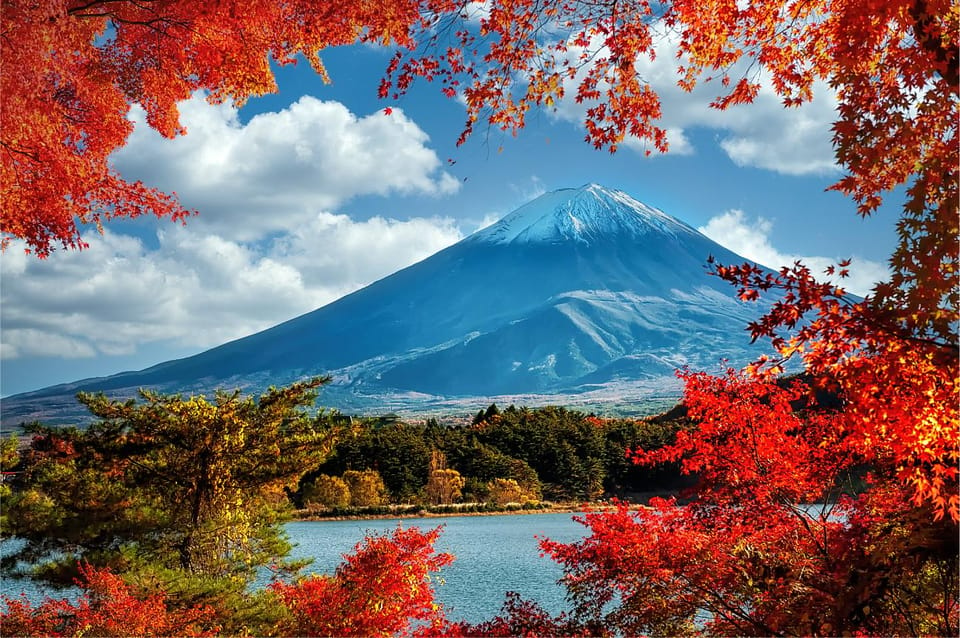
- Arakura Fuji Sengen Shrine photo break with a full 45 minutes to look and shoot
- Oshino Hakkai ponds + traditional houses in a calm 30-minute stroll
- Lake Kawaguchi timing with 1.5 hours for scenery and photos
- Oishi Park flowers with clean Fuji views during a focused 30-minute stop
- Saiko Iyashi-no-Sato Nenba village visit for a reconstructed-homes feel in 45 minutes
- Mount Fuji 5th Station at the highest vehicle-accessible point, with 45 minutes up top
How this private Mount Fuji and Hakone format actually helps you
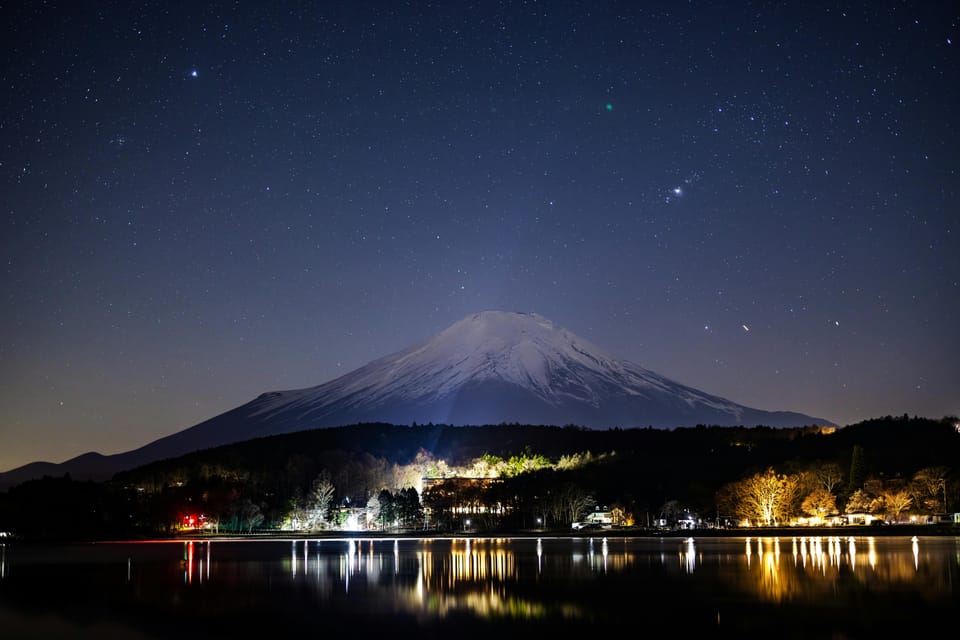
A private day tour sounds nice, but the value shows up in the details. You’re in a comfy van the whole day, with all tolls, parking fees, and fuel covered, so you’re not juggling transit tickets, transfers, or complicated routing.
You also get a driver who’s there to solve small problems in real time—like finding the best angles for photos on the way to Mount Fuji and Hakone. One driver-guide combo specifically stood out for being prompt, pointing out the key scenery, and adjusting to what the group could handle.
The pacing is another big win. You’ll have free time at each stop, which matters because some of your best views can happen at a specific moment, not at a scheduled crowd-minute.
You can also read our reviews of more tours and experiences in Tokyo

Pickup in Tokyo (plus Kamakura and Hakone) without the chaos
The day starts with hotel or local-area pickup from multiple Tokyo options, and you can also choose from the listed pickup regions (Kamakura, Tokyo, Hakone). Drop-off is equally flexible, including Tokyo, Kamakura, and Hakone, with example Tokyo areas like Chiyoda, Edogawa, and Adachi.
Real talk: pickup timing can make or break a day. You’re instructed to be ready in the hotel lobby about 10 minutes before the scheduled time, and the driver should contact you roughly 10–20 minutes before arriving. That small heads-up helps you avoid wandering around waiting.
After pickup, you’ll spend about 1.5 hours in the van before you reach the first major Fuji stop. That’s long enough to settle in, but short enough that the day doesn’t feel like endless commuting.
Arakura Fuji Sengen Shrine: the iconic Fuji viewpoint with breathing room
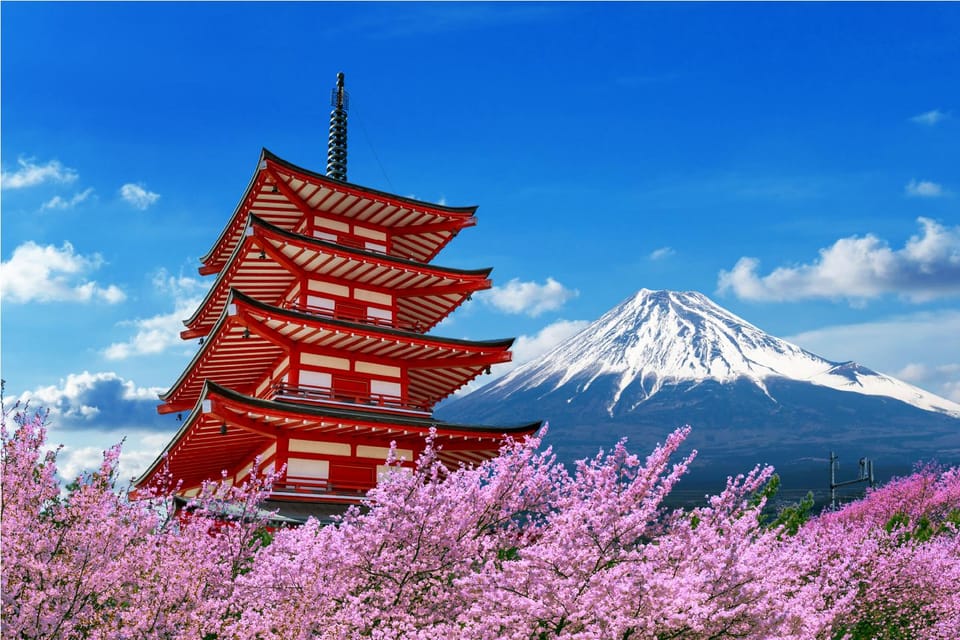
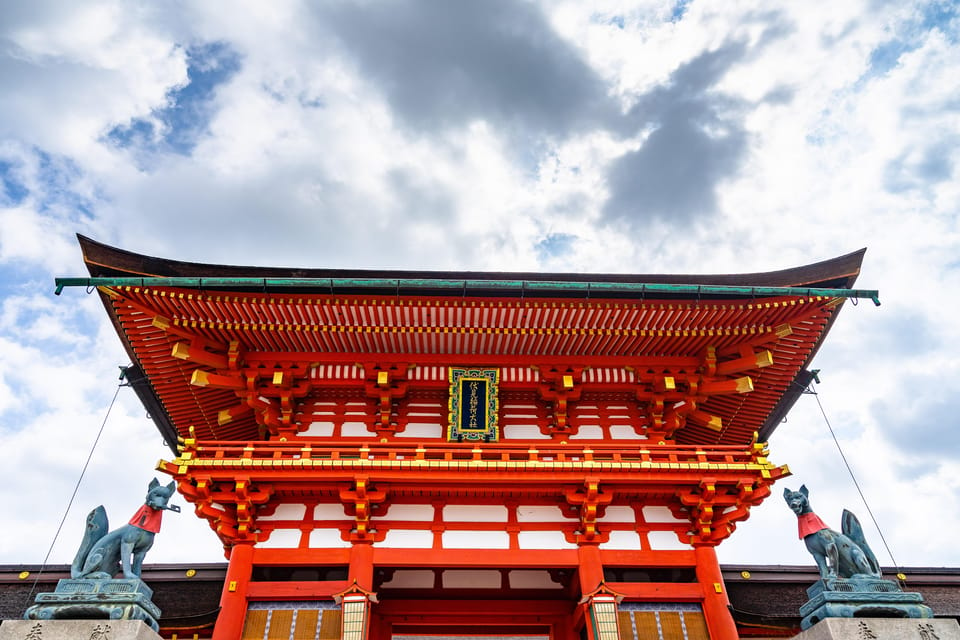
Your first big stop is Arakura Fuji Sengen Shrine, known for its classic Mount Fuji views. You get a 45-minute break here, which is exactly the kind of time window that lets you do more than just take one photo.
What you’ll likely enjoy most is the combination of shrine atmosphere plus a view that pulls your attention outward. This is one of the best places in the route to slow down, frame shots, and check how the light changes as you move.
Practical consideration: 45 minutes goes quickly if you’re chasing the perfect angle. If you want variety, pick two or three spots you like early, then use the remaining time to refine your shots rather than constantly walking back and forth.
Oshino Hakkai: ponds and traditional houses in a short, sweet window
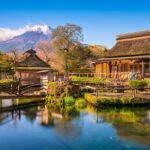
Next you head to Oshino Hakkai, a peaceful village built around crystal-clear ponds and traditional houses. You’ll spend about 30 minutes here, which is a good length for seeing the core sights without feeling trapped in a long schedule.
This stop stands out because it’s calmer than the more viewpoint-heavy places. Instead of hunting for a single dramatic frame, you’re looking for stillness—water, reflections, and the character of the village streets.
The downside is that 30 minutes is just enough for a focused look, not enough for wandering far off-route. If you’re the type who loves side alleys and slow browsing, use your time intentionally: get your photos first, then do a relaxed second pass.
Lake Kawaguchi and Oishi Park: the Fuji-photo double feature
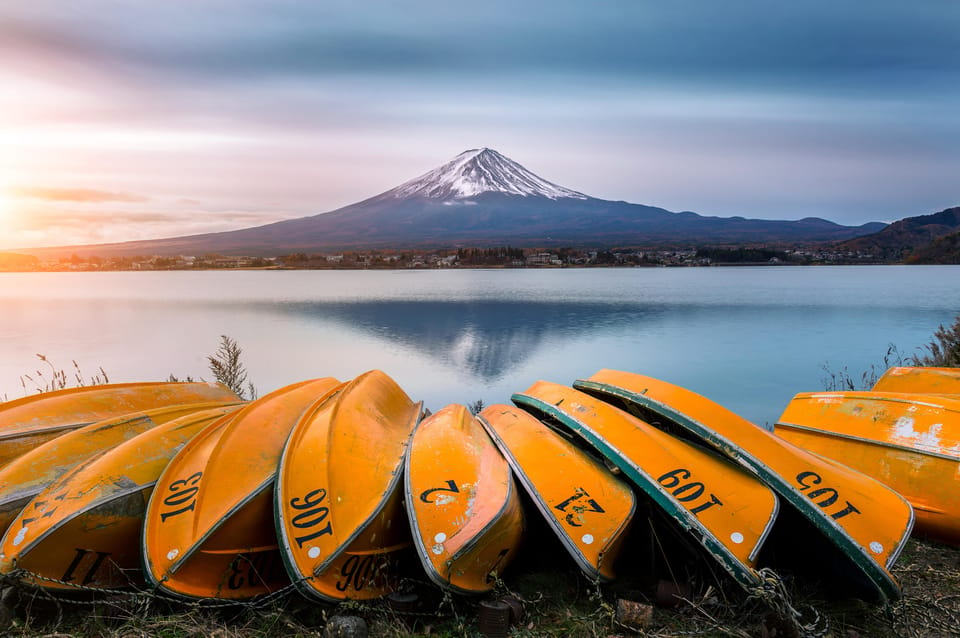
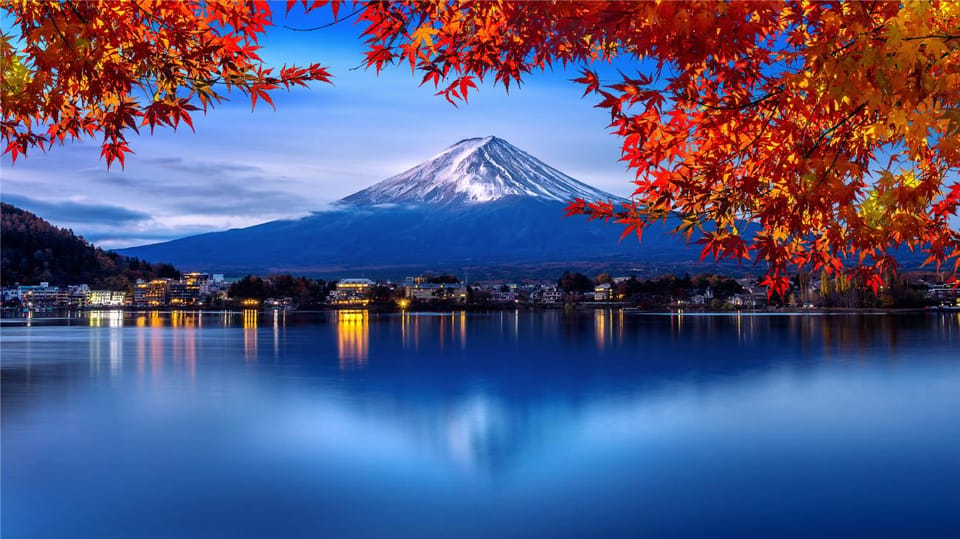
After Oshino Hakkai, the route moves to Lake Kawaguchi, where you get about 1.5 hours. This is one of the most generous blocks on the day, and it matters. With that extra time, you can watch the view and adjust your photo plans as conditions change.
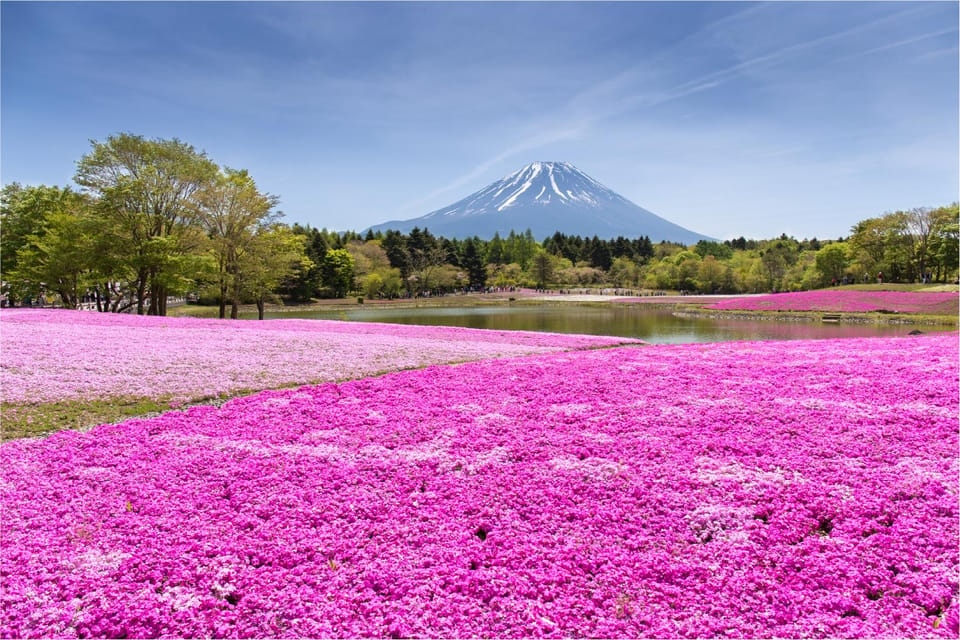
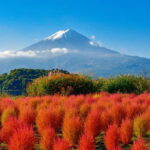
Then you continue to Oishi Park for about 30 minutes. This is your flower-and-view stop, designed for those clean, unobstructed Mount Fuji moments. Even if flowers aren’t the main reason you came, the park setting gives you a foreground that makes photos more interesting than a plain view alone.
The tradeoff across these two stops is simple: you’ll be splitting your attention between water scenery and park viewpoints. The way to make it work is to decide what you want your photos to look like—lake reflections or Mount Fuji with a colorful foreground—and allocate your camera energy accordingly.




Saiko Iyashi-no-Sato Nenba: reconstructed village time travel
You’ll spend about 45 minutes at Saiko Iyashi-no-Sato Nenba, a meticulously reconstructed traditional Japanese village. Think of this as the day’s “time travel” moment: after viewpoint after viewpoint, the focus shifts to people’s everyday architecture and street-like space.
This stop is especially valuable if you’re tired of only seeing Mount Fuji from distance. It gives context to the region beyond the iconic cone-shaped photo, showing how communities were designed and lived in.
If you love quiet photo moments, this is one place to slow your pace. You’ll still get a time limit, but 45 minutes is long enough to take in the details and not just rush through.
Mt. Fuji 5th Station: highest by vehicle, with 45 minutes to savor
Now for the big finish: Mount Fuji 5th Station. You get about 45 minutes here, described as the highest point accessible by vehicle with panoramic views.
This is the stop that changes how you feel about the day. At earlier viewpoints, Mount Fuji looks like a distant landmark. At 5th Station, it becomes something more immediate—and that’s when your photos tend to look more dramatic because you’re changing your perspective.
Consideration: 45 minutes is enough to explore and take photos, but it’s not enough to treat this like a long hike day. Keep your plans simple: pick a viewpoint area, take your shots, then use the rest of the time to soak in the air and panoramic scope.
Hakone in the afternoon: more time to enjoy the region
After the Fuji highlights, you’ll spend around 3 hours in Hakone. That extra time is helpful because it turns the day from a “checklist rush” into an actual experience in a second region.
From the way the route is described and how drivers typically handle the day, you should expect the driver to point out key scenic moments and help with photo stops as you go. One driver-guide mentioned attention to important scenery and a scenic stretch referred to as a whistling road, which suggests the trip isn’t only about fixed stops.
Keep expectations realistic: the itinerary gives you time in Hakone, but you may still need to prioritize what you care about most. If your primary goal is Mount Fuji photography, treat Hakone as the relaxing bonus that balances the schedule.
English-speaking driver and small adjustments that matter
The driver is included, and languages listed are English and Hindi. In a day this schedule-heavy, language support is more than comfort. It helps you understand what you’re seeing, where the best views are, and how to move efficiently.
A key detail from the experience feedback: the driver-guide pairs are described as helpful and prompt, pointing out important scenery and allowing time for photos on the way to Mount Fuji and Hakone. One review even highlighted how the guide adapted to the group’s constraints, which is exactly the kind of flexibility you want on a private outing.
This is one reason I like this format over a strict tour bus model. When you have a personal driver, you can often fix small timing issues—like spending a little more time where the view is best.
Price and value: $346 per group up to 6
The price listed is $346 per group up to 6, which is a big deal if you’re traveling as a small family, two couples, or a trio of friends. In plain terms, you’re paying for a private van day with a driver plus multiple major stops—without worrying about tolls, parking, and fuel.
The included items reduce hidden costs:
- private vehicle for the whole day
- English-speaking driver
- hotel pickup and drop-off across many locations
- all tolls, parking, and fuel
- bottled water
What’s not included is the biggest budget hit people forget: meals and snacks. That’s not a tour “fail,” it’s just the tradeoff for a structured sightseeing day that keeps the transportation package all-in.
If you’re comparing costs, think per person. A private van can feel pricey if you’re solo, but once you split it among a full group, it often becomes one of the more sensible ways to get multiple Fuji and Hakone stops in one day.
What to expect from the schedule (and how to make it smoother)
The total duration is 10 hours, with about 1.5 hours of van time early and again later. That adds up to a full day, but it’s not random driving. The stops are arranged like a “Fuji view ladder,” moving from iconic shrine views to lake and park viewpoints, then up to 5th Station, and finally Hakone.
At each sightseeing stop, you get free time for photos. That matters because people vary: some want short photo bursts, some want to linger. Since this is private, the driver can help your timing match your pace, at least within the overall day structure.
Two practical tips to keep the day comfortable:
- Wear layers or plan for changing conditions, especially when you go higher up at 5th Station.
- Have cash or a payment method ready for snacks and meals, since those aren’t included.
Who should book, and who should skip
This tour makes the most sense for people who want a lot of Mount Fuji scenery without planning a complicated route themselves. It’s also a strong match for travelers who like structured stops but still want breathing room for photos.
It’s not suitable for people over 95 years, based on the tour’s stated limitation. If anyone in your group has mobility concerns, make sure you’re comfortable with walking and time spent at each location, especially at the shrine and 5th Station stop.
If you’re the type who hates being rushed, pay attention to the time windows. Most stops are reasonable, but they’re still sightseeing windows, not long free days.
Should you book this Mount Fuji and Hakone private tour?
Book it if you want a single-day plan that hits the major Mount Fuji highlights, gives you time to take photos at multiple viewpoints, and then still leaves room to enjoy Hakone. The private van plus English/Hindi driver, bottled water, and all transportation costs bundled in makes the day easier to manage than DIY.
Skip it (or consider another option) if you’re hoping for a relaxed, slow travel pace or if you need meals included. Also skip if you fall under the age limitation.
If your group is up to 6 and you want classic Fuji views with practical logistics, this is the kind of tour that tends to work—because the route is designed around time at the best-known places, not just moving through them.
FAQ
FAQ
How long is the Mount Fuji and Hakone tour?
The tour lasts about 10 hours.
How much does it cost?
It’s listed at $346 per group for up to 6 people.
Is this tour private?
Yes, it’s a private group tour with a private vehicle for the whole day.
What pickup options are available?
You can choose from pickup options including Kamakura, Tokyo, and Hakone, with hotel pickup and drop-off available from many Tokyo locations.
Where will the tour end for drop-off?
Drop-off is available at Tokyo, Kamakura, and Hakone, including areas such as Chiyoda, Edogawa, and Adachi.
Which stops are included for sightseeing?
Key stops include Arakura Fuji Sengen Shrine, Oshino Hakkai, Lake Kawaguchi, Oishi Park, Saiko Iyashi-no-Sato Nenba, Mount Fuji 5th Station, and a visit in Hakone.
Are meals included?
No. Meals and snacks are not included.
Are entrance fees included?
Optional attraction entrance fees are not covered.
What languages will the driver speak?
The driver is listed as English and Hindi.
Who is this tour not suitable for?
It’s not suitable for people over 95 years.
—
If you tell me your travel dates and whether you’re picking up from Tokyo, Kamakura, or Hakone, I can help you plan what photo stop to prioritize first.
![Tokyo: Enjoy Sumo match and know about it! [Ticket included] - Getting Started: Handprints to Tickets, Without the Stress](https://e.thetokyoexplorer.com/wp-content/uploads/tokyo-enjoy-sumo-match-and-know-about-it-ticket-included-400x267.jpg)