REVIEW · TOKYO
Exclusive Ramen Kitchen Experience
Book on Viator →Operated by Tokyo Ramen Tours · Bookable on Viator
The smell of ramen hits fast and hard. This experience gives you rare access to an award-winning Tokyo ramen kitchen, where you learn to prep, massage, and shake noodles like the pros. I especially like the hands-on focus on temomi (noodle massage) and tebo (shaking water from noodles), because it turns ramen from a meal into a skill you can actually feel.
I also like that the chef-style instruction doesn’t float in theory. You get a guided walk through ingredients and their roles, then you put that knowledge into practice by building and eating your own bowl. My one caution: this is a shortened, practical session, so you’re not making every component from scratch.
You’ll meet at a set location in Tokyo (and the activity ends back there), and the whole flow stays tight at about an hour. It’s designed for small groups too, which helps you get real attention while your bowl comes together.
In This Review
- Key Things That Make This Experience Special
- Why an Award-Winning Ramen Kitchen Is Worth Your Hour
- The Skill Part: Temomi and Tebo, in Plain English
- What You Actually Do During the Experience (And What You Don’t)
- Stop 1 at Nakameguro Koukashita: Getting Set Up Like a Kitchen Regular
- From Prep to Noodles: How the Session Builds Momentum
- Building Your Own Bowl: Toppings and the Final Assembly
- The Taste Test: What Makes the Meal Feel Like More Than a Snack
- Price and Value: Is $78.38 for 1 Hour Reasonable?
- Group Size, Timing, and How to Book Smart
- Who This Ramen Kitchen Experience Fits Best
- Should You Book This Ramen Kitchen Experience?
- FAQ
- Where does the ramen kitchen experience start?
- How long does the experience last?
- What will I learn during the session?
- Do I make everything from scratch?
- What kind of ramen is served?
- How many people are in the group?
- Is a mobile ticket provided?
- Is the location near public transportation?
- Does this experience include exclusive access to a ramen shop?
- Can I cancel for a full refund?
Key Things That Make This Experience Special
- Exclusive kitchen access: You’re inside an award-winning ramen shop environment, not watching from the sidelines.
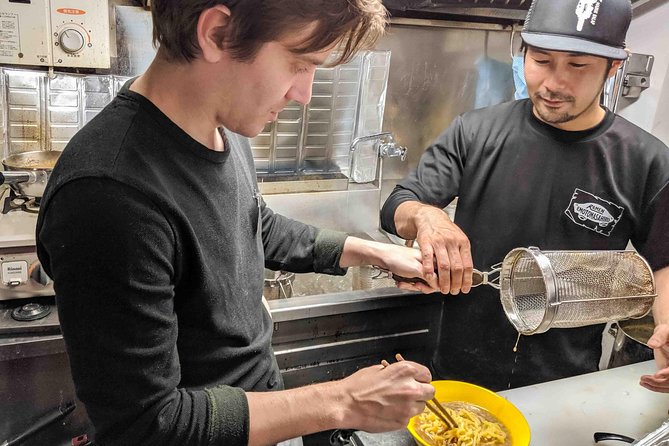
- Noodle technique training: You’ll practice temomi and tebo, two core skills that change how the noodles perform.
- Ingredient purpose, not just ingredients: You learn why items are used, not only what they are.
- You build your bowl: The experience ends with you eating the result, not just tasting a sample.
- Small-group feel: Limited to 6 travelers, so questions don’t get lost.
- Friendly, responsive instruction: A kind, helpful guide/chef focus shows up clearly in past feedback, along with answers about recipes and history.
Why an Award-Winning Ramen Kitchen Is Worth Your Hour
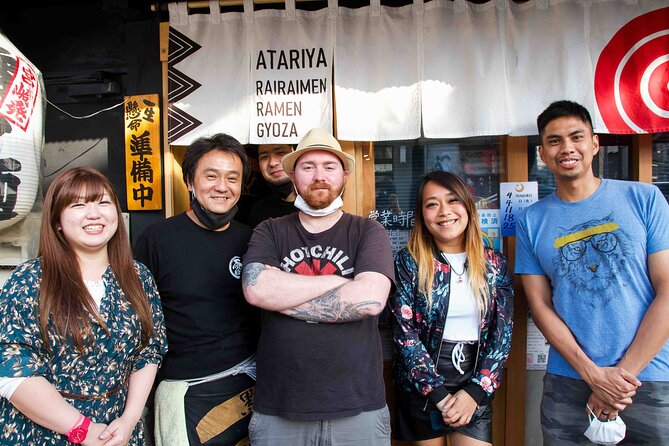
Tokyo has plenty of ramen. The tricky part is finding ramen knowledge that doesn’t turn into a quick photo stop. This is one reason I like the format: it’s short, but it’s placed in the real place where ramen work actually happens.
The promise here isn’t that you’ll master ramen in one sitting. It’s that you’ll learn what matters and why, then experience how technique affects the end result. That’s a valuable trade for your time.
Also, ramen is detail-heavy. Even simple-sounding steps like noodle massage and shaking water off are the kind of small moves that make a bowl feel right. When you learn those motions in a professional setting, you stop guessing and start understanding.
You can also read our reviews of more tours and experiences in Tokyo.



The Skill Part: Temomi and Tebo, in Plain English
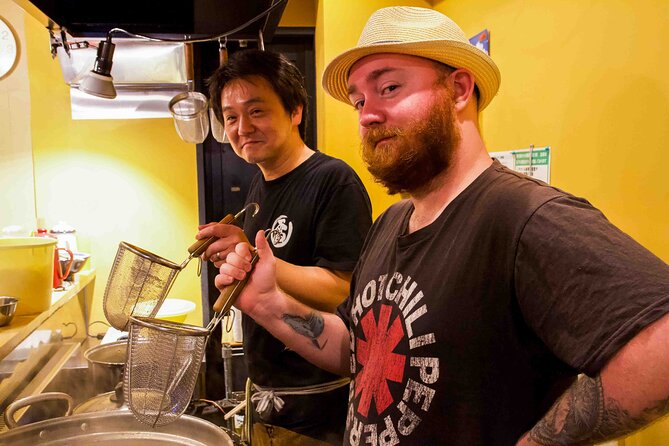
Ramen noodles aren’t just noodles. They’re a texture system. The noodles need to be handled so they cook with the right bounce and don’t end up clumpy or uneven.
You’ll learn temomi, the noodle massage technique. In practice, this means learning how to work noodles gently but deliberately before they go into the cook flow. Done well, it helps improve the way the noodles behave so they stay smoother and more consistent.
Then comes tebo, shaking water from the noodles. This step may sound minor, but it directly affects how the noodles finish. Less excess water can mean better sauce and broth contact when you finally build your bowl.
Together, these two techniques teach you something useful even after the experience: ramen quality often comes down to process control, not just flavor.
What You Actually Do During the Experience (And What You Don’t)
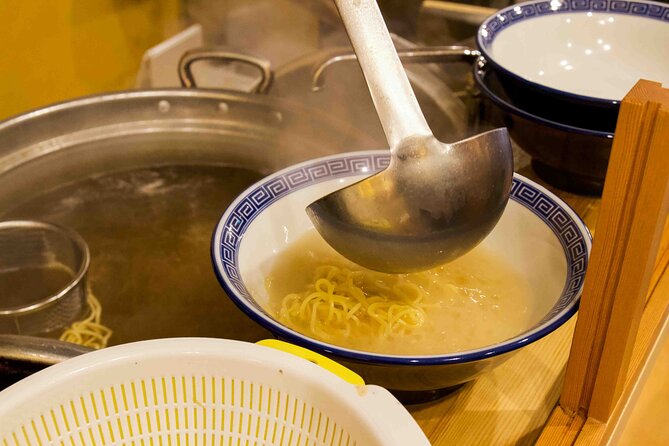
This isn’t a full cooking class where you start from raw ingredients and build everything from the ground up. The session is designed to keep you cooking and eating, while skipping the long waits.
Here’s what you should expect:
- You’ll learn ramen prep and the ingredients used, including their purpose and where they come from (as explained by the shop team).
- You’ll practice the noodle techniques temomi and tebo.
- You’ll add your preferred toppings.
- You’ll eat your own creation.
The experience also notes that broth is a long project on its own (it takes hours), and the process is shortened so you’re not stuck waiting. That’s great if you want a hands-on outcome, but it does change the expectation: you’re learning the ramen workflow and techniques, not becoming the person who made the broth pot from scratch.
Stop 1 at Nakameguro Koukashita: Getting Set Up Like a Kitchen Regular
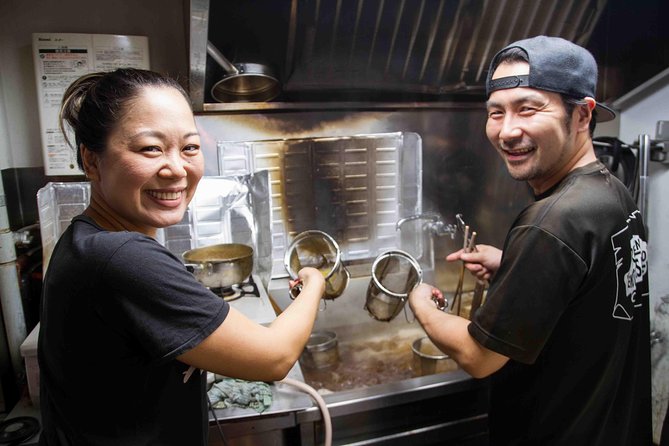
Your experience starts at 2-chōme-12-6 Nezu, Bunkyo City, Tokyo 113-0031, Japan, and the tour ends back at the meeting point. Along the way, you’ll be guided through what to do and what to watch for as the kitchen work moves forward.
This “real shop” setup matters. When you’re standing near the prep flow and learning from the shop staff, you pick up the rhythm of ramen service—timing, cleanliness, and why steps happen in a specific order.
There’s also something practical here: the experience runs for about an hour, with multiple guides involved. That helps because you’re less likely to be stuck waiting for one person to finish a single step before you can learn your turn.
From Prep to Noodles: How the Session Builds Momentum
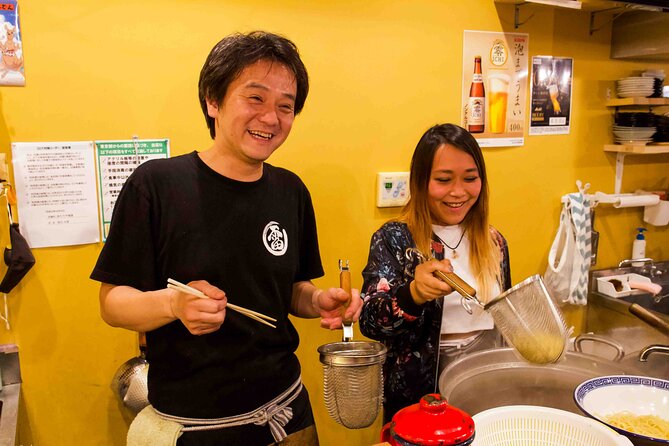
Once you’re in the ramen-kitchen workflow, the experience focuses on the parts that benefit from you being hands-on. You’ll learn about ramen prep and the ingredients’ roles, not just how to assemble a bowl.
This is where the value sits for me. It’s easy to eat ramen and enjoy it. It’s harder to understand why one bowl tastes deeper or feels different. When your guide explains purpose—why that ingredient is there and what it’s supposed to do—you’re gaining a framework you can use later, even at other shops.
Then you move into noodle handling:
- You learn the noodle massage method (temomi).
- You learn and practice shaking off extra water (tebo).
These actions aren’t “random chef tricks.” They train you to treat noodles correctly so they cook and finish the way the shop expects. If you’ve never paid attention to noodle texture before, this section is a lightbulb moment.






Building Your Own Bowl: Toppings and the Final Assembly

After the noodle and prep steps, it’s time to build. This is the moment the experience turns from technique training into payoff: your bowl is yours.
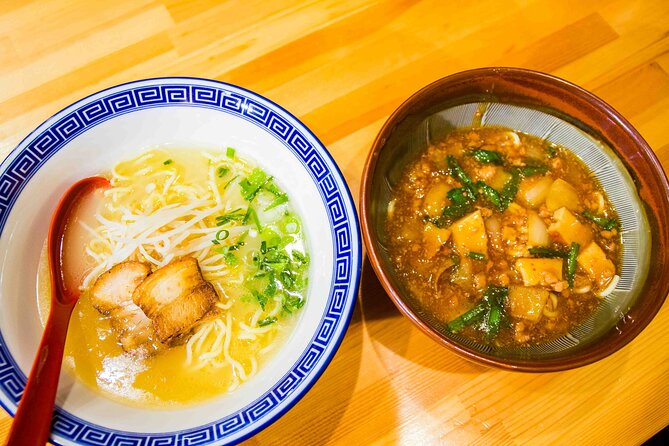
You’ll add your chosen toppings, then you eat the ramen you created. That matters because it ties learning to taste quickly. You can connect what your hands just did with what you’re eating right now, rather than wondering later.
One important note you need to take seriously: the ramen served contains chicken, pork, and fish. If you avoid any of those for religious, health, or preference reasons, this experience won’t be a fit as described.
The Taste Test: What Makes the Meal Feel Like More Than a Snack
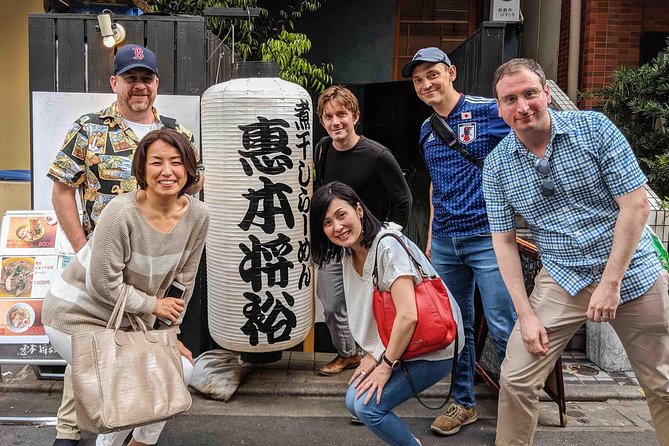
Based on feedback quality and themes, the standout part is how good the ramen is after all the instruction. Past guests highlight the food as absolutely delicious and filling, which matches what you’d hope for in a shop setting where you’re working with real ramen flow.
Another big praise point is the guide/chef approach. Guests describe the chef as incredibly kind and helpful, with direct answers about recipes and the history behind them. That kind of interaction is worth more than you might think, because it turns the experience into conversation, not just a one-way lecture.
So when you eat your bowl, it doesn’t feel like you’re “earning” a basic meal. It feels like you’re getting served something that the shop team is proud of.
Price and Value: Is $78.38 for 1 Hour Reasonable?
At $78.38 per person for about 1 hour, this isn’t a budget activity. You’re paying for two things at once: instruction and access.
First, you’re paying for shop-level know-how. The session focuses on technical steps like temomi and tebo, plus ingredient purpose and prep workflow. That’s not the kind of detail you get from a casual tasting.
Second, you’re paying for the access itself. Exclusive entry into an award-winning ramen kitchen is the kind of perk you don’t get with most food tours. The small group size (maximum 6) also adds to the value because the instruction isn’t stretched across a crowd.
If your goal is mainly to eat great ramen quickly, you’ll find cheaper options. But if your goal is ramen understanding plus a hands-on bowl you build and eat, this price starts to make more sense.
Group Size, Timing, and How to Book Smart
This experience is capped at 6 travelers, which is ideal for getting help when you’re learning noodle techniques. In a group that small, it’s easier to ask questions and correct your motion before it becomes a sloppy habit.
On timing, it’s commonly booked around 16 days in advance on average. That’s a sign it’s not a “show up and decide” activity. If you’re serious about doing it, booking earlier usually reduces stress.
You’ll also have a mobile ticket, and it’s near public transportation, which helps keep the day from turning into transit math.
Who This Ramen Kitchen Experience Fits Best
This is a great match if you:
- Love ramen and want to understand the mechanics behind what you taste.
- Enjoy hands-on food experiences more than passive tastings.
- Want a small-group activity with real coaching in a real shop setting.
- Like asking questions and learning the story behind ingredients and recipes.
It might not fit if you:
- Need vegetarian or strict dietary accommodation beyond the stated menu (the ramen includes chicken, pork, and fish).
- Want a long, full-course cooking workshop where you make everything from scratch.
Should You Book This Ramen Kitchen Experience?
I think you should book it if you’re the type of person who looks at ramen as a craft. The technique focus (temomi and tebo), the exclusive kitchen access, and the chance to eat a bowl you assembled right after learning the steps make this more satisfying than most food stops.
I’d also lean yes if you care about the “why” behind Japanese food. The strongest feedback points are about a kind, helpful chef who answers questions about recipes and history. That’s the difference between a fun activity and a meaningful one.
One last check: read the menu note carefully. If chicken, pork, or fish don’t work for you, skip it and look for a different ramen option.
FAQ
Where does the ramen kitchen experience start?
It starts at 2-chōme-12-6 Nezu, Bunkyo City, Tokyo 113-0031, Japan, and it ends back at the meeting point.
How long does the experience last?
The duration is about 1 hour.
What will I learn during the session?
You’ll learn ramen prep and ingredient roles, and practice noodle techniques including temomi (massaging noodles) and tebo (shaking water from noodles).
Do I make everything from scratch?
No. The process is shortened, so you’re not making every component from scratch. The experience focuses on the key prep and noodle techniques and then assembling your bowl.
What kind of ramen is served?
The ramen served contains chicken, pork, and fish.
How many people are in the group?
The maximum group size is 6 travelers.
Is a mobile ticket provided?
Yes, it uses a mobile ticket.
Is the location near public transportation?
Yes, it is near public transportation.
Does this experience include exclusive access to a ramen shop?
Yes. You get exclusive access to an award-winning ramen kitchen in Tokyo.
Can I cancel for a full refund?
Yes. You can cancel up to 24 hours in advance for a full refund.