REVIEW · TOKYO
Kamakura Walking Tour with Local Guide Including Hokokuji Temple
Book on Viator →Operated by Nippon PLUS · Bookable on Viator
Shrines and bamboo, neatly organized. This Kamakura tour is a smart way to see Hokokuji’s bamboo grove and a small group limited to five without getting lost in train transfers. The one watch-out is that temple entrances and lunch aren’t included, so you’ll budget extra yen for sites like Kotoku-in and Hase-dera.
What you’re really buying is a guide-led route plus hotel pickup and drop-off, which matters on a full day that runs about nine hours. You also get a mobile ticket, and the guide helps you move through the day at a human pace, with time built in for travel between stops.
In This Review
- Key Highlights You’ll Actually Feel
- Kamakura: The Day Trip That’s Worth Leaving Tokyo For
- Start Smart at 9:00 With Pickup and a Route You Don’t Have to Invent
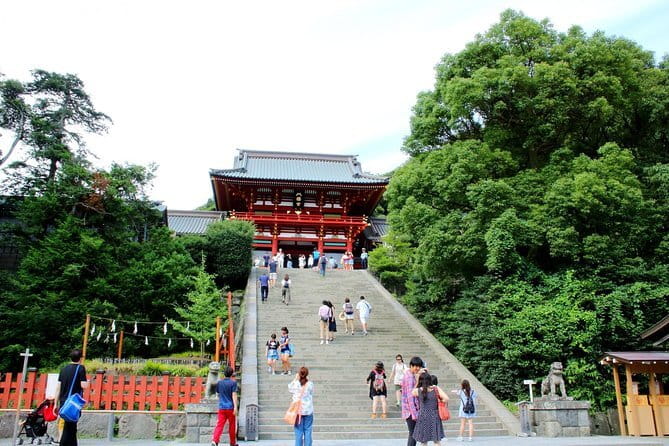
- Tsurugaoka Hachimangu Shrine: Kamakura’s Heartbeat in 30 Minutes
- Hokoku-ji Bamboo Grove: The Calm Stop Where Time Slows Down
- Komachi Street: The Break That Keeps the Day From Feeling Like a March
- Kotoku-in Great Buddha: A 14-Meter Statue You Can’t Fake
- Hase-dera Temple and the Eleven-Faces Kannon: More Than One Viewpoint
- Price and Value: What You’re Paying For at $146.59
- How the 9 Hours Usually Feel on the Ground
- Who This Tour Is Best For (And Who Might Prefer Something Else)
- A Note on Guides: The Context Makes the Sites Click
- Should You Book This Kamakura Walking Tour?
- FAQ
- How long is the Kamakura walking tour?
- Is hotel pickup and drop-off included?
- What time does the tour start?
- Are entrance fees included for the temples?
- Is transportation included in the price?
- Can I get a full refund if I cancel?
Key Highlights You’ll Actually Feel
- Small group pacing (up to five): less waiting, more time at each landmark.
- Hotel pickup and drop-off: you start and end without Tokyo navigation stress.
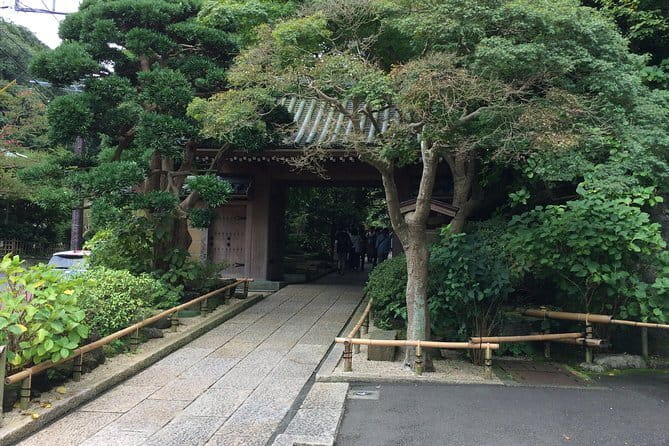
- Hokokuji bamboo grove: your Zen reset in the middle of a sightseeing day.
- Kotoku-in Great Buddha: a famous 14-meter bronze statue, not a quick photo stop.
- Komachi Street time: room for snacks, shopping, and breaks from temples.
- Guides who explain what you’re seeing: you’ll get context that makes the shrines click, not just checked off.
Kamakura: The Day Trip That’s Worth Leaving Tokyo For
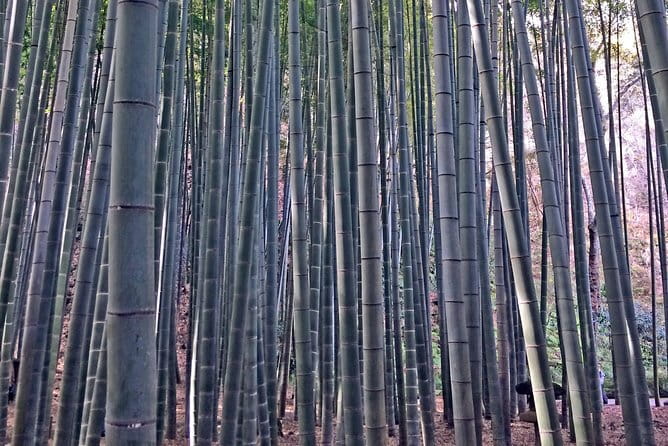
Kamakura is one of those places where the streets feel layered: Shinto shrines, Buddhist temples, and whole neighborhoods built around those sacred spots. That’s why it works so well as a day trip. You get a “real place” feeling instead of a museum-and-back routine.
This tour focuses on the big spiritual anchors and the classic Kamakura walking stops in one loop. Instead of spending your energy figuring out logistics, you can spend it noticing details: carving styles, the mood inside temple grounds, and how the city’s main street connects back to the shrine.
You can also read our reviews of more walking tours in Tokyo


Start Smart at 9:00 With Pickup and a Route You Don’t Have to Invent
The day starts at 9:00 am, with pickup available and then an organized plan for the day. For most people, the best part of a guided Kamakura day is that you skip the trial-and-error phase of public transportation. You’ll still be using trains and buses during the trip, but the guide helps you stay oriented.
The tour is labeled as private, and the group size stays small. That combination is ideal when you want to ask questions or take a short pause without holding up a big crowd. You also get a mobile ticket, which makes check-in smoother.
A practical note: the day is about nine hours total, with extra time allocated for travel. That means it’s not a “light stroll and done” plan. It’s still very doable for most moderate-fitness travelers, but you should expect walking between stops.
Tsurugaoka Hachimangu Shrine: Kamakura’s Heartbeat in 30 Minutes
Your first stop is Tsurugaoka Hachimangu Shrine, and the timing is tight in the best way. You’ll spend about 30 minutes, and that’s enough to take in the shrine atmosphere, then transition into the main street feel of Kamakura.
This shrine matters because Kamakura’s development centered around it. You’ll understand faster why the town looks the way it does when you see how the shrine anchors the area. Admission here is free, so you’re not starting the day feeling like you have to “pay to begin.”
What I like about starting here: it gives you a reference point before you jump into bamboo and Buddhas. Once you have that anchor, the rest of the day feels connected.
Hokoku-ji Bamboo Grove: The Calm Stop Where Time Slows Down
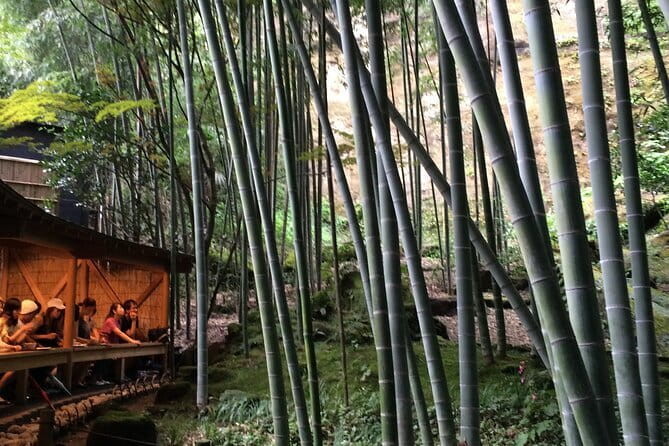
Next comes Hokoku-ji Temple’s Bamboo Grove for about one hour. This is a Zen sect temple, and the bamboo garden is famous for a reason: it changes the soundscape and the pace of your own feet.
Admission isn’t included, so you should plan on an entrance fee (listed as ¥400). Even with that extra cost, it’s a high-value stop because you’re paying for atmosphere, not just a sight. You’ll want a few minutes to stand still and look up, not only to photograph the walkway.
One downside to mention: bamboo-grove photography can attract everyone’s phones at once, especially during peak hours. If you prefer quieter photos, aim for early timing at the start of your hour rather than waiting until later.
Komachi Street: The Break That Keeps the Day From Feeling Like a March

After temples, the tour shifts gears to Komachi Street for around two hours. This is the classic Kamakura shopping street, and the key value is the breathing room. You get time for snacks, small purchases, and an easy reset without a ticket line.
This stop is listed as free (so no extra entrance fee), and it’s a helpful contrast to sacred spaces. It also lets you taste the day: if you want something casual to eat, this is usually where you can pick it up.
A quick strategy: use Komachi Street not just for shopping, but for logistics. Check where you are, plan your next move mentally, and refill water. A day like this has enough structured stops that you’ll feel better if you add a little freedom here.
You can also read our reviews of more guided tours in Tokyo

Kotoku-in Great Buddha: A 14-Meter Statue You Can’t Fake
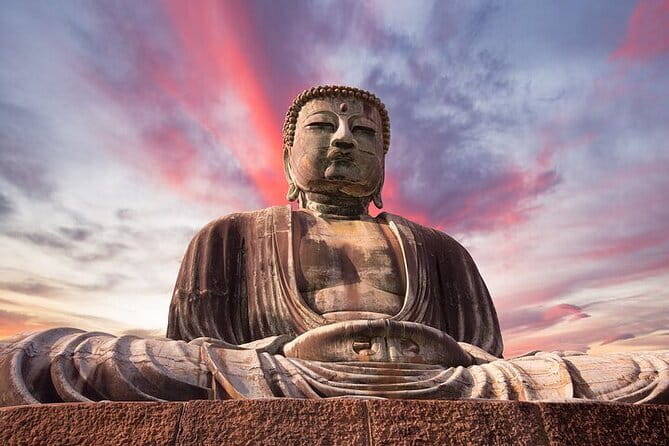
Then you hit one of Kamakura’s biggest icons: Kotoku-in (Great Buddha of Kamakura). You’ll spend about 30 minutes, and it’s one of those sights where “worth it” isn’t marketing; it’s scale.
The bronze Buddha is listed at 47 feet (14 meters) tall. That’s not subtle, and it’s the kind of landmark that changes how you stand and look. The entrance fee isn’t included (listed as ¥300), so again, budget a bit extra.
What I find helpful on a guided visit: the guide can explain what you’re looking at and what it symbolizes, so the stop doesn’t become only a background to photos. You get more out of the time when you know why the Great Buddha is such a big deal in Japan’s Buddhist landscape.
Hase-dera Temple and the Eleven-Faces Kannon: More Than One Viewpoint
Your final main temple stop is Hase-dera Temple, with a focus on Eleven-faces Kannon. You’ll have about 30 minutes here, and the entrance fee is listed as ¥400, not included.
Hase-dera’s value for you is that it rewards attention. With a guide, you’re more likely to notice how the temple setting frames the devotional art. Kannon imagery is central in many Buddhist traditions, and having context helps you see the difference between “I’ve seen a statue” and “I understand why people come here.”
A small consideration: since the day is already packed, 30 minutes can feel short if you’re the type who loves to wander slowly. The guided format keeps things organized, so if you want extra time, plan to use your Komachi Street window for a slower pace meal and then be ready to focus at Hase-dera.
Price and Value: What You’re Paying For at $146.59
At $146.59 per person, this tour doesn’t aim to be the cheapest way to see Kamakura. It’s priced like a guided full-day experience, and that makes sense because you’re getting several high-value pieces:
- Hotel pickup and drop-off
- Professional guide fee
- Mobile ticket
- A small group setup (limited to five)
What’s not included is important for your budgeting. Transportation to/from attractions for you and the guide is listed as around ¥2000 per person, and lunch and drinks aren’t included. On top of that, specific temple entrances aren’t included: Hokoku-ji bamboo grove (¥400), Kotoku-in (¥300), and Hase-dera (¥400).
So the real value equation is this: if you’d otherwise spend a chunk of time figuring out trains, walking routes, and which entrances are worth your money, the guide saves time and reduces friction. If you’re a hardcore DIY planner who already knows Kamakura well, you might skip a guided tour. But most first-timers benefit from the structure, especially when the day is tight.
A nice bonus from the tour details: group discounts are available, which can make this more reasonable if you’re traveling with friends or family.
How the 9 Hours Usually Feel on the Ground
The schedule is built with a smart reality: travel time takes longer than you want, especially when you’re moving between shrine areas and temple clusters.
The itinerary assigns time to each major stop (30 minutes, 1 hour, 2 hours, then 30 minutes and 30 minutes), and the remainder is for travel. That means you won’t be stuck racing from one site to another with no margin.
One of the best things you’ll likely feel is the guide’s ability to keep the day moving. In real terms, that means fewer moments of confusion and fewer “wait, what stop is this again” problems. It’s also the kind of day where you’ll appreciate flexibility if you tire out; some guides are known for being friendly and adjusting when needed.
Who This Tour Is Best For (And Who Might Prefer Something Else)
This tour fits well if you:
- Want a first visit to Kamakura with the major sights covered
- Prefer a guide-led route over heavy map work
- Like learning context, not only landmarks
- Are traveling with family and want an organized day without stress
It might be less ideal if you:
- Want to spend long hours wandering without structure
- Expect every entrance fee to be included in the price
- Don’t want to pay extra for transit and meals
If you’re traveling with kids or teens, the format is still a good match because it gives a clear sequence. You’re not asking young people to maintain interest during endless meandering; you’re rotating between temples, bamboo quiet, and Komachi Street freedom.
A Note on Guides: The Context Makes the Sites Click
One pattern shows up clearly in the guide experience: people pick this tour because the guide doesn’t just walk you around. Guides such as Take, Hiroyuki Iwai, Steve, and Kobata san are described as friendly, organized, and strong at explaining what you’re seeing in Japanese history and religious life.
That matters because Kamakura’s religious sites can feel similar at a glance if you don’t know what to look for. With context, you start to notice the differences between Shinto shrine traditions and Buddhist temple art, and why the architecture and iconography have specific meanings.
Some guides also show up with prepared material, like an educational folder with background on Buddhism and Kamakura. If that happens in your group, take it seriously. A few minutes of explanation can change the way you experience the rest of the tour.
Should You Book This Kamakura Walking Tour?
If this is your first trip to Kamakura, I think it’s a solid choice. The combination of hotel pickup, a small group, and focused stops at Tsurugaoka Hachimangu, Hokoku-ji bamboo, Kotoku-in Great Buddha, and Hase-dera hits the best balance between convenience and meaningful sightseeing.
Book it if you want structure plus understanding, and you’re okay with the reality that entrance fees and lunch are extra. Don’t book it if you already know Kamakura well and plan to move at your own pace for a longer day with fewer stops.
If you’re trying to see a lot in one trip from Tokyo, this tour is a practical way to do it without turning your day into a transportation puzzle.
FAQ
How long is the Kamakura walking tour?
The tour runs for about 9 hours (approx.), with extra time included for travel between stops.
Is hotel pickup and drop-off included?
Yes. Hotel pickup and drop-off are included in the tour.
What time does the tour start?
The start time is 9:00 am.
Are entrance fees included for the temples?
No. Entrance fees are not included for Hokoku-ji Temple bamboo grove (¥400), Kotoku-in (Great Buddha) (¥300), and Hase-dera Temple (¥400). Admission is free for Tsurugaoka Hachimangu, and Komachi Street doesn’t list an admission fee.
Is transportation included in the price?
Transportation to/from attractions for customers and guide is not included. It’s listed as around ¥2000 per person.
Can I get a full refund if I cancel?
Yes. Cancellation is free, and you can cancel up to 24 hours in advance for a full refund.