REVIEW · TOKYO
Tokyo: Ghost Tour with Scary Japanese Stories and Folklore
Book on GetYourGuide →Operated by Maji Super Tours · Bookable on GetYourGuide
Night in Tokyo gets a little scarier. This small-group walk focuses on ghost stories in real places, starting right at Tokyo Station and ending in Asakusa, with guides tying together folklore and local legends. You’ll also hear about a vengeful spirit said to haunt the area for more than 1000 years.
I love two things here: the super-clear meetup inside Tokyo Station’s Marunouchi North Exit, and the story flow that keeps moving through Asakusa’s older Shitamachi lanes with a human-sized group. Guides like Matthias and Maikel are called out in past tours for mixing ghost talk with real-world local details.
One consideration: this tour involves walking at night. It’s not suitable for kids under 10 or people with heart problems, and comfortable shoes are not optional.
In This Review
- Key Things I’d Bet You’ll Enjoy
- Ghost Stories Feel Real When They’re Pointed at a Shrine
- Finding Your Guide: Tokyo Station’s Marunouchi North Exit
- The Start of the Walk: Guided Time in Tokyo Station Area
- Yoshiwara-jinja Shrine: The 1000-Year Directional Rule
- Asakusa Shitamachi After Dark: Walking Through Older Tokyo
- What the Guide Brings: Folklore, Missing Persons, and True-Crime Energy
- The Snack Moment: Small Included Treat, Smart Timing
- Price and Value: Why $90 Can Make Sense for a 1-Day Night Tour
- Practical Tips So Night Walking Stays Fun
- Who This Tour Fits Best (and Who Might Skip It)
- Should You Book This Tokyo Ghost Tour?
- FAQ
- Where is the meeting point for the tour?
- How long is the Tokyo ghost tour?
- How much does the tour cost?
- What’s included in the tour price?
- What languages are available for the guided tour?
- Are flash photos allowed during the tour?
- Is the tour suitable for kids and can you cancel?
Key Things I’d Bet You’ll Enjoy
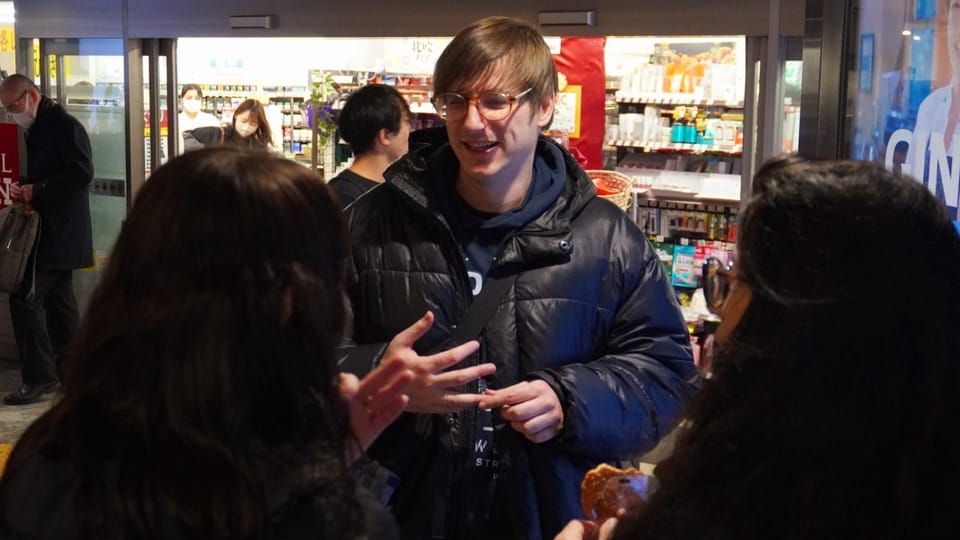
- Easy meeting point inside Tokyo Station at the Marunouchi North Exit, with a guide holding a sign
- A shrine stop tied to a 1000-year haunting legend and office workers who still follow the custom
- Asakusa Shitamachi at night, when the side streets feel different than daytime
- Story variety that can include folklore plus true-crime style details and missing-person themes
- A Japanese traditional snack included to keep energy up during the walk
- Clear photo rule: no flash photography, but bring your camera for non-flash shots
Ghost Stories Feel Real When They’re Pointed at a Shrine
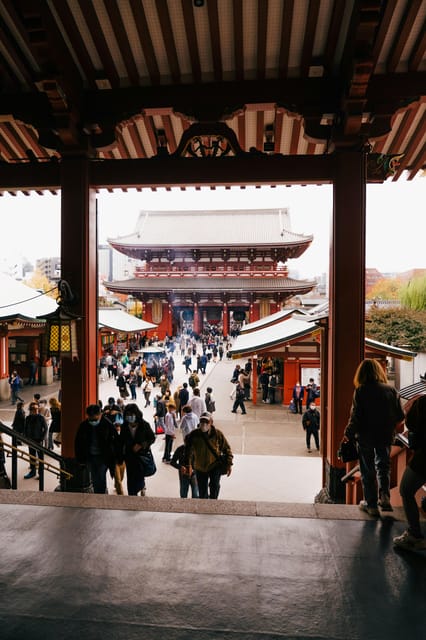
Tokyo ghost tours work best when they do not treat folklore like a theme park. This one is built around a specific shrine connection and the kind of lingering fear that shows up in everyday behavior. When you hear about the vengeful spirit linked to the area for over 1000 years, it gives the stories weight beyond jump scares.
I also like that the tour balances legend with place. You’re not just hearing about the supernatural in the abstract. You’re being guided to locations where people still treat certain directions and movements with caution.
You can also read our reviews of more tours and experiences in Tokyo.



Finding Your Guide: Tokyo Station’s Marunouchi North Exit
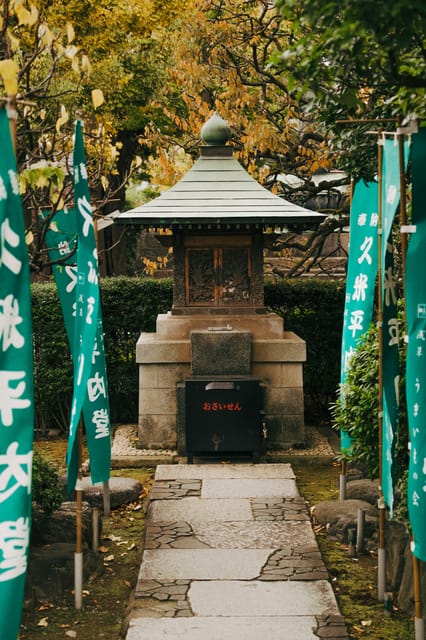
This is where the tour gets practical fast. You meet your guide inside Tokyo Station at the Marunouchi North Exit, specifically at the north wing. The guide picks you up with a sign showing your name, which saves time when Tokyo Station is doing what Tokyo Station does.
If you’re arriving from another part of the city, the inside-station meetup is a gift. You avoid hunting for a random street corner while your patience quietly evaporates. Bring a calm, navigational mindset and you’ll start the evening on steady footing.
The Start of the Walk: Guided Time in Tokyo Station Area
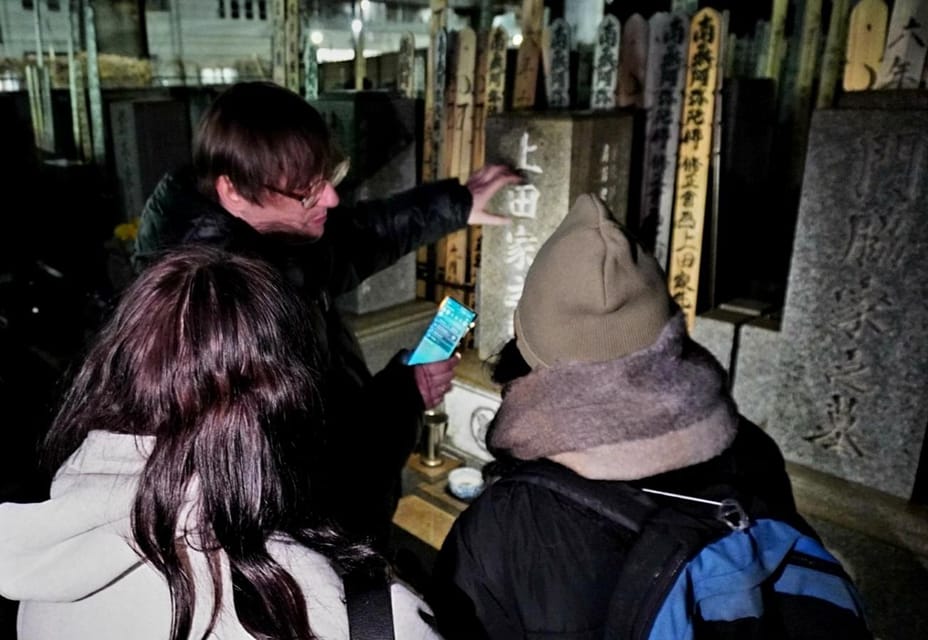
The tour begins with guided time around Tokyo Station, before the shrine visit and the Asakusa leg. That early chunk matters because it helps you get oriented. You’re learning how the stories connect to the neighborhoods and landmarks around where people commute every day.
I like tours that don’t assume you already know the geography. Tokyo Station is huge, and the guide’s job here is to stitch together a route you can actually follow on foot. Expect the talk to set tone early, mixing ghost stories with local context so it feels like you’re walking through meaning, not just moving between stops.
A small note: flash photography is not allowed on the tour. So if you’re thinking of dramatic photos, plan for regular camera settings and lighting instead. If you’ve never shot at night in Japan, this rule is your heads-up to prepare.
Yoshiwara-jinja Shrine: The 1000-Year Directional Rule
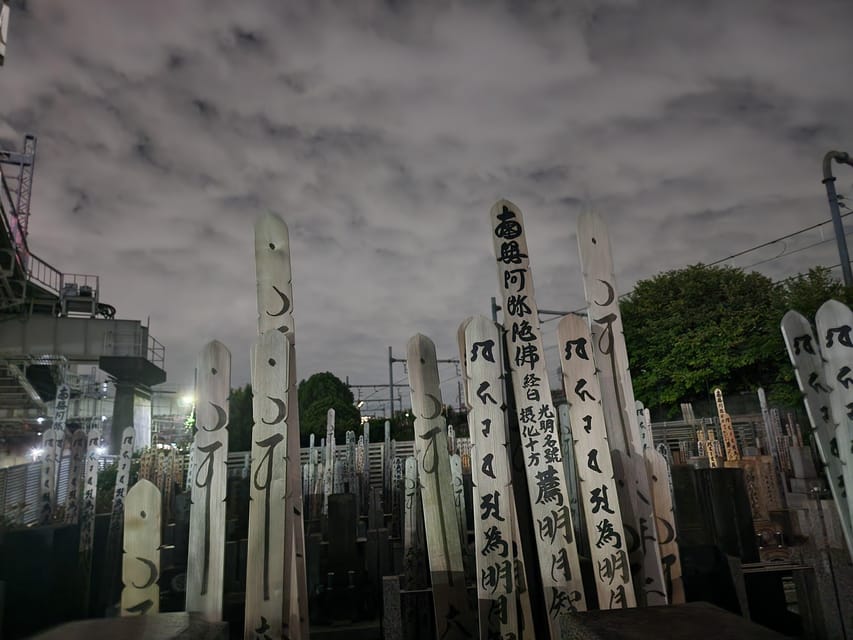
The center of the experience is the shrine visit at Yoshiwara-jinja Shrine. Here’s the key detail: people working around the area still don’t dare to turn their backs toward the shrine location. That kind of ongoing behavior is one of the clearest ways folklore becomes part of daily life.
The guide shares the story behind why the spirit is described as vengeful and why the haunting is tied to such a long time span. Whether you believe every part or not, the custom is the real hook. It shows you how fear and respect can survive in routines, even in a modern office area.
Also, standing near a shrine at night is different from standing in daytime. Shadows shift, sounds carry differently, and the atmosphere gets quieter in a way that makes the guide’s story pacing feel natural. You’re not just hearing a scary tale. You’re experiencing why a tale like this could stick.
Asakusa Shitamachi After Dark: Walking Through Older Tokyo
After the shrine, the tour moves into Asakusa and specifically the Shitamachi district feel. This is the part I’d describe as character-driven. Shitamachi is about old-school neighborhood life, and doing it at night changes your perspective.
A key benefit is the walking pace with a small-group vibe. It’s enough people to keep things lively, but not so many that you lose the guide’s attention. That matters because ghost tours live or die on timing—when the guide pauses, points, and gives the next piece of the legend.
If you like Tokyo for more than neon and shopping centers, this stop is a solid taste. You get to see how everyday streets can hold stories. Even if you don’t go full spooky-mode, you’ll probably enjoy noticing the contrast: modern city life right alongside traditions that still influence behavior.




What the Guide Brings: Folklore, Missing Persons, and True-Crime Energy
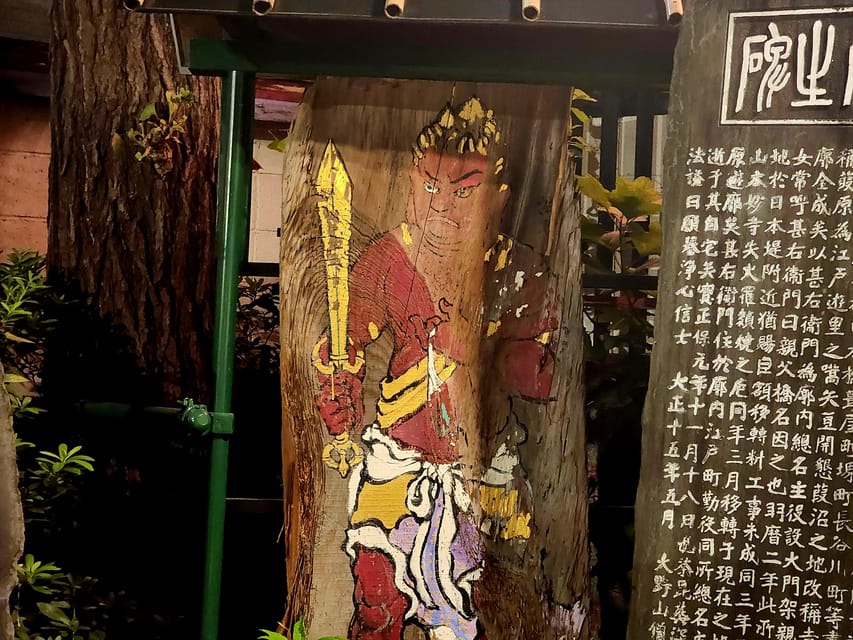
The best part of this tour, based on what’s been shared by past participants, is the way the guide handles variety. Stories aren’t only supernatural. You can also expect local legends that brush up against themes like true crime and missing persons.
That mix may sound like a lot, but it works when the guide keeps the narrative anchored to place. A good route helps. You move from Tokyo Station context to a shrine connection, and then into Asakusa streets. As the locations change, the story focus can shift too without feeling random.
If you want a guide who talks like a person (not a script reader), you’re in luck. Past guides named in these tours—Matthias and Maikel—are praised for information range and for delivering the stories in a way that stays engaging.
The Snack Moment: Small Included Treat, Smart Timing
This tour includes a Japanese traditional snack, and that’s more useful than it sounds. Night walking takes energy, and Asakusa evenings can run longer than you expect if your group keeps stopping for photos and questions.
The snack inclusion also means you’re not scrambling mid-walk for something convenient. Drinks aren’t included, so if you know you tend to get thirsty, plan to have water beforehand or bring something within local rules you’ve been given.
Price and Value: Why $90 Can Make Sense for a 1-Day Night Tour
At $90 per person, this is not a budget “walk and listen” activity. You’re paying for three things that can be hard to recreate on your own: a guided route, storytelling craft, and access to specific location context.
If you tried to build this as a DIY evening, you’d quickly run into two problems. First, you might find the places, but you might miss the traditions and directional details that make the legends feel real. Second, you’d still be figuring out how to string it together at night without turning the route into a stressful scavenger hunt.
So the value is not just the word ghost. The value is a guide who connects folklore to locations you can actually stand in, plus a route through Asakusa’s Shitamachi area while you’re under someone else’s pacing.
You’ll get the most value if you’re the type of traveler who enjoys stories as a way of learning how a city thinks.
Practical Tips So Night Walking Stays Fun
This tour gives basic guidance, and I’ll echo what matters most.
Wear comfortable shoes. You’ll be walking at night, and you want your feet to be calm enough to focus on the guide’s story beats. Dress for the weather too, since Tokyo nights can feel cooler depending on the season.
Bring a camera for photos, but remember the rule: no flash photography. That keeps the atmosphere respectful and also prevents glare in darker areas around shrines and streets.
One more practical thought: keep your phone charged. You may want maps for bearings, even with a guide. A ghost tour is a great time to be curious, and curiosity is easier when you can check your position quickly.
Who This Tour Fits Best (and Who Might Skip It)
This experience is well suited for adults and older kids 10+. If you enjoy Japanese folklore, you’ll likely have fun connecting the supernatural themes to real-world customs.
It’s also a good match for first-time visitors who want more than the usual list of landmarks. Tokyo Station and Asakusa are two big anchors, and this tour uses them to tell a darker side of the city.
If you’re traveling with someone who gets nervous with jump-scare style entertainment, this might still work. The emphasis here seems to be on stories and tradition rather than cheap theatrics. Still, note the walking at night and the limitation for people with heart problems.
Should You Book This Tokyo Ghost Tour?
Book it if you want a guided night walk that ties shrines, folklore, and local behavior into one route. If you like learning how stories live in everyday habits—like the shrine-direction rule—you’ll probably love the payoff.
Skip it if your idea of fun is mostly quiet sightseeing with minimal walking. This is designed for movement, story listening, and nighttime atmosphere, not a long sit-down tour.
If you’re on the fence, think about this: the included snack and the guide’s story range help justify the $90 price for a one-day outing. You’re not just buying entry—you’re buying a narrative route that you can’t easily copy on your own.
FAQ
Where is the meeting point for the tour?
You meet inside Tokyo Station at the Marunouchi North Exit (Marunouchi-Kitaguchi). The meeting point is in the north wing, and your guide picks you up with a sign with your name.
How long is the Tokyo ghost tour?
The experience is listed as 1 day.
How much does the tour cost?
The price is $90 per person.
What’s included in the tour price?
It includes a professional guide, true ghost stories and folklore, a visit to a haunted shrine, and a Japanese traditional snack. Transportation to and from attractions and drinks are not included.
What languages are available for the guided tour?
The live tour guide is available in French, German, Italian, and English.
Are flash photos allowed during the tour?
No, flash photography is not allowed.
Is the tour suitable for kids and can you cancel?
The tour is not suitable for children under 10 years old or for people with heart problems. Free cancellation is available up to 24 hours in advance for a full refund.