REVIEW · TOKYO
Japanese Wine Omakase in Shibuya – Guided Tasting, Not Sake
Book on Viator →Operated by Tokyo's Must-Do Wine Experience · Bookable on Viator
Tokyo has a lot of beer-and-sushi noise. This one is different: a small, wine-first tasting near Meiji Jingu where you get five Japanese wines and the why behind them, guided in English.
Two things I really like about it: the 12-guest limit makes it easy to ask questions without shouting across a room, and the focus stays on wine (not the usual sake detour). One thing to consider: at $97.98 for about 1.5 hours, it’s a great tasting experience, but it’s not a full dinner—so go hungry for flavor, not for big portions.
You’ll meet at Sangū Building in Yoyogi/Shibuya, taste through a set of refined small plates, then have the option to linger in a Japanese wine bar area and shop bottles to take home. Some people even point out standouts like ice wine, and the whole mood feels calm—especially compared with louder, more tourist-heavy areas.
In This Review
- Quick hits before you go
- How the 12-guest format makes Japanese wine easier to love
- Where you meet near Yoyogi/Shibuya (and how to plan your arrival)
- The tasting: 5 Japanese wines, explained in plain English
- The pairing system: small plates built to match the pours
- Why Japanese native grapes are the real selling point
- After the tasting: bar time, bottle shopping, and delivery
- Price and value: $97.98 for five wines (and real guidance)
- Who this is best for (and who should skip it)
- The little details that shape the experience
- Should you book Japanese Wine Omakase in Shibuya?
- FAQ
- How long is the Japanese wine tasting?
- What’s included in the tasting?
- Is this experience focused on sake?
- How many people are in each group?
- Is the experience in English, and who can join?
- Where do I meet for the tour?
- Can I buy wine after the tasting, and is delivery available?
- What if I need to cancel or the weather is bad?
Quick hits before you go
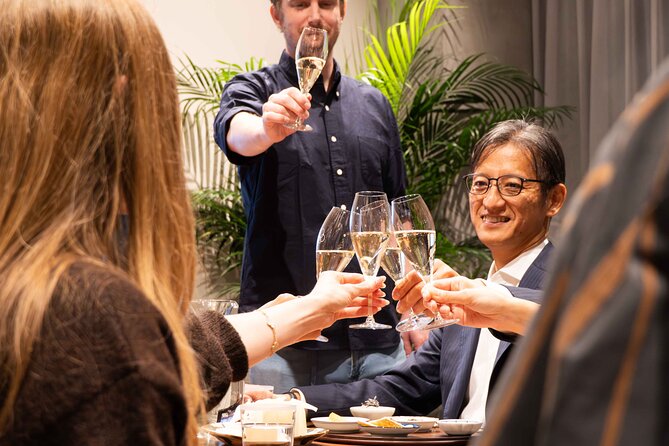
- 12 guests max keeps the tasting personal and question-friendly
- English-guided with wine expert explanations (many guests highlight Alex for clarity and friendliness)
- Five Japanese wines + small plates designed to match each pour
- Native grapes and terroir stories so you taste the place, not just the product
- You might get memorable pours like ice wine, depending on the day
- Optional bar time after the tasting with a chance to buy bottles and arrange hotel/airport delivery
How the 12-guest format makes Japanese wine easier to love
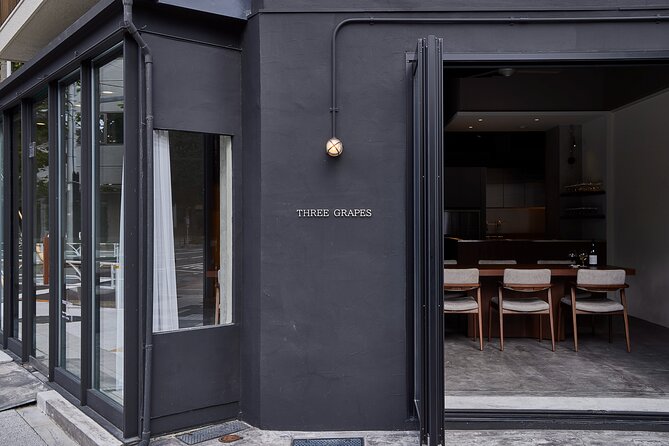
Most wine tastings in Tokyo feel either too formal or too chaotic. This one lands in the sweet spot because the group is capped at 12. That small size matters more than you’d think. When you’re tasting wine, you want time to compare aromas, ask about grapes, and get grounded in what you’re drinking. With a bigger crowd, those moments vanish.
The session runs about 1 hour 30 minutes, which is long enough to feel like a real introduction but short enough to fit into a packed Tokyo day. You’ll also be in an intimate setting steps from Meiji Jingu, which helps the whole experience feel less like a production and more like a local stop you can actually repeat.
The vibe also reads as adult-focused. The experience is open to ages 20+, and it’s explicitly a wine program—so if you’re hoping for a sake tasting evening, this isn’t built for that. On the flip side, if you’re curious about Japanese wine and want to spend money on something that teaches you as it tastes, this fits.
You can also read our reviews of more food & drink experiences in Tokyo



Where you meet near Yoyogi/Shibuya (and how to plan your arrival)
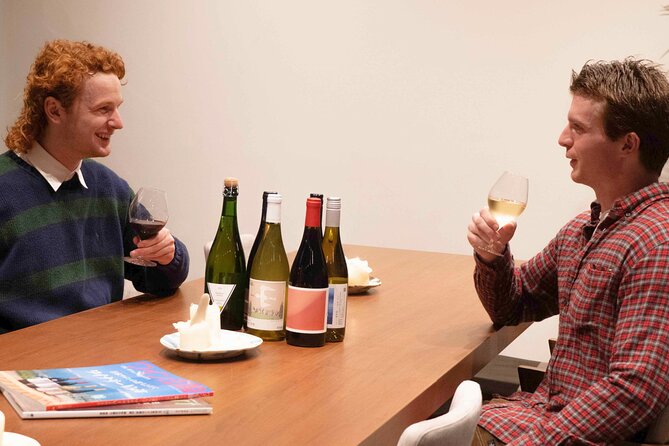
You’ll start at Sangū Building, 3-chōme-38-12 Yoyogi, Shibuya, Tokyo 151-0053. It’s listed as near public transportation, which is exactly what you want in Tokyo: fewer taxi hunts, more time for good walking.
Because the tasting is time-based and relatively short, I’d plan to arrive a few minutes early. Japan is good at timing, and this kind of guided session doesn’t work well when people drift in at the last second.
Also, this experience requires good weather. That matters because the schedule is tight. If weather forces a change, you’ll be offered another date or a full refund—so keep an eye on forecast if you’re booking near rainy season.
The tasting: 5 Japanese wines, explained in plain English
The heart of the experience is simple: five Japanese wines. You’ll be guided through them by a wine expert in English, and the point is to taste wines you can’t easily find abroad—often because they’re built around Japanese native grape varieties and local growing conditions.
What makes this valuable isn’t just that the wines are “rare.” It’s that you learn how to think about them. Japanese wine tends to frustrate people at first—because it doesn’t always behave like the standard European categories you’ve memorized. This tasting helps you reset your expectations and taste with curiosity instead of checking off boxes.
One thing that comes through in guest feedback is how approachable the host is. Guests specifically call out Alex for being friendly, knowledgeable, and easy to follow in English. That’s a big deal if you’re not a hardcore wine nerd. You’ll get explanations that make you feel capable, not stupid.
And yes, you may get unusual standouts. Some reviews mention ice wine as a highlight—so if you like dessert-style intensity or you’re curious about sweeter wine styles, keep your fingers crossed that it shows up on your day’s lineup.
The pairing system: small plates built to match the pours
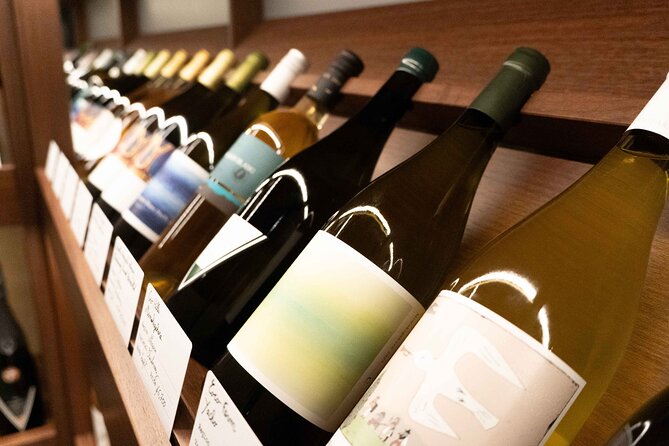
You’re not just drinking wine with a few snacks. The tasting includes refined small plates paired to elevate each glass. In practice, that means the food is working with the wine’s texture and flavor direction—so you taste a fuller picture instead of one element fighting the other.
Small plates also make sense for this format. You’re not waiting 20 minutes between courses. You’re moving through a set of wines in a guided sequence, and the plates arrive in a way that supports that pacing.
A balanced expectation helps here: this isn’t a full meal experience. It’s designed to complement the wine order. If you want to leave satisfied for dinner too, plan a proper meal afterward. If you’re okay with being lightly fed and focused on tasting, you’ll feel right at home.
Why Japanese native grapes are the real selling point
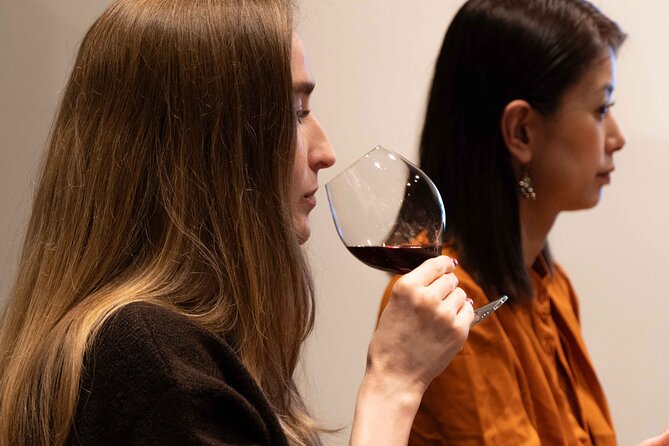
A lot of wine tourism focuses on vineyards or famous regions. This experience focuses on the grapes and how they express place. The overview calls out stories behind native Japanese grapes, and that’s where your understanding starts to click.
Native grapes can behave differently in the glass—aroma intensity, acidity, fruit profile, even how tannins show up. When you’re taught what to notice, you start picking up those differences instead of just saying, This tastes good or This tastes weird.
And that’s where the experience earns its keep as a “Japan wine” introduction rather than just a cute bar stop. You’re not only consuming. You’re learning the logic behind the style so you can shop smarter later.
You can also read our reviews of more guided tours in Tokyo




After the tasting: bar time, bottle shopping, and delivery
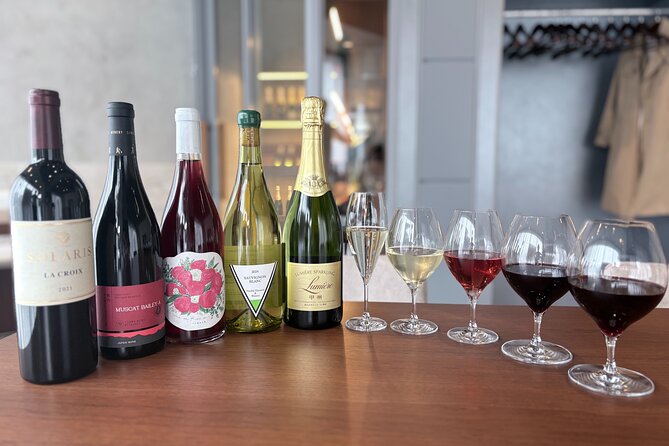
Once the guided tasting ends, you can stick around for optional bar time. This is where the evening gets more flexible. You can compare what you just learned to what’s available on the bar, then pick bottles you actually want to take home.
Some guests mention a “vibe” and note that the area can feel quieter than more crowded shopping-and-food zones. That matters because the tasting is structured, but the optional time should feel like freedom.
If you buy bottles, the experience offers hotel or airport delivery. That’s a practical lifesaver. Tokyo can be great for souvenirs, but wine bottles are heavy and fragile. Delivery lets you enjoy the wine without turning your suitcase into a wine-transport disaster.
Price and value: $97.98 for five wines (and real guidance)
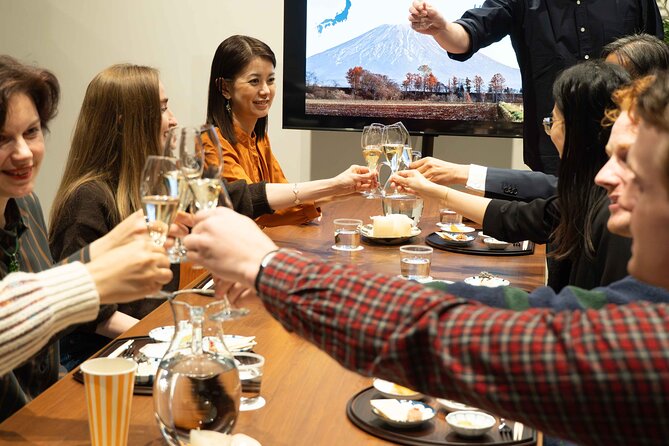
Let’s talk money plainly. At $97.98 per person for about 1.5 hours, this isn’t a budget “sip and snack.” You’re paying for three things:
- Five pours of Japanese wines you may not find easily elsewhere
- Small-plate pairing that’s part of the experience, not an afterthought
- A wine expert in English who helps you taste with purpose
If you already love wine and know Japanese styles are different, it’s a fair value because you’re getting education plus selection. If you mainly drink casually, you’ll still enjoy it—but you might feel the price more strongly. In that case, plan to treat it as a dedicated experience you’ll remember, not a casual add-on.
Also note that sessions are limited to 12 guests and available daily, which usually means you’re paying for access to an intimate, managed tasting rather than a high-volume room.
Who this is best for (and who should skip it)
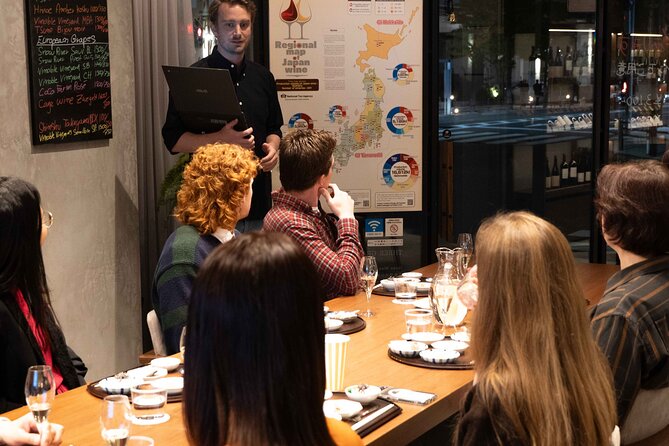
This works especially well if you:
- Want a wine-focused Tokyo evening (not sake-driven)
- Like learning while tasting, but don’t want a lecture
- Appreciate English explanations that actually help you understand what you’re smelling and tasting
- Care about Japanese native grapes and want the story behind the glass
- Plan to buy bottles and want the practical option of delivery
You might skip or consider it differently if:
- You’re hoping for a long, multi-hour food-and-wine crawl
- You only want beer or sake (this is wine omakase style)
- You’re not comfortable spending close to $100 for a tasting session
The little details that shape the experience
A few details pop up in feedback that tell you what kind of evening it will feel like:
- The place is described as cute and in a quieter area with fewer tourists, which helps you actually relax and taste.
- People mention window art, which adds to the visual atmosphere without distracting from the wine.
- Staff are described as stylish and friendly, and the guidance is consistently praised—especially by guests who didn’t come in knowing much about Japanese wine.
These details matter because they change your comfort level. A tasting is more enjoyable when you’re not stuck in a loud crowd or rushed through a script.
Should you book Japanese Wine Omakase in Shibuya?
If you want one strong, wine-first experience in Tokyo that’s not centered on sake, this is a solid choice. The 12-guest cap, the English-guided wine expert explanations, and the pairing format make it feel purposeful. Add in the chance to taste standouts like ice wine, plus optional bottle shopping with hotel/airport delivery, and it becomes more than a quick stop.
Book it if you’re open to learning how Japanese wine works—especially native grapes and terroir-driven flavor. If you only want a super casual drink without guidance, or you expect a full dinner, you may feel it’s pricier than you hoped. For everyone else, it’s the kind of Tokyo evening that gives you something you can’t easily replicate at home.
FAQ
How long is the Japanese wine tasting?
The guided session is about 1 hour 30 minutes.
What’s included in the tasting?
You’ll taste 5 Japanese wines paired with refined small plates, guided by a wine expert.
Is this experience focused on sake?
No. It’s a Japanese wine tasting experience, not a sake tasting.
How many people are in each group?
The group size is capped at a maximum of 12 travelers.
Is the experience in English, and who can join?
It’s an English-guided tasting. The experience is open to ages 20+.
Where do I meet for the tour?
You’ll meet at Sangū Building, 3-chōme-38-12 Yoyogi, Shibuya, Tokyo 151-0053, Japan.
Can I buy wine after the tasting, and is delivery available?
Yes. After the session, you can stay for optional bar time and choose bottles to take home. Hotel or airport delivery is available.
What if I need to cancel or the weather is bad?
You can cancel up to 24 hours in advance for a full refund. The experience requires good weather, and if it’s canceled due to poor weather, you’ll be offered a different date or a full refund.