REVIEW · TOKYO
Shibuya: Tokyo Street Go-Kart Tour by Shibuya Annex
Book on GetYourGuide →Operated by Reservation Center · Bookable on GetYourGuide
Shibuya Crossing from the driver’s seat sounds unreal, and in this street go-kart tour it’s also practical. I love that you get a professionally trained, English-speaking guide plus a briefing video before you roll, so the chaos of Tokyo stays controlled. I also love the payoff: you’ll ride through the crossing multiple times from different directions, and your guide takes lots of photos so you leave with real memories. One drawback to keep in mind: you must handle Japan driving documents ahead of time, and the requirements can be strict.
You’ll start in Shibuya, then head toward Harajuku and Omotesando, Tokyo’s fashion-center streets. I’m a big fan of the small group size (limited to 6), because it makes it easier to follow directions and take photos without feeling herded. If you’re not comfortable driving, or you can’t meet the document rules, this might be a frustrating fit.
In This Review
- Key points worth knowing before you book
- Entering Shibuya Crossing by Kart: what feels special
- The Guide Factor: why trained instruction changes everything
- Costume, attention, and photo data you can actually use
- Rolling from Shibuya to Harajuku and Omotesando: more than one intersection
- How the timing and small group work in your favor
- Price and value: is $67 really fair for this?
- The paperwork reality: IDP and translations you must plan for
- What you wear matters: shoes, no alcohol, and riding comfort
- Where to meet and how check-in tends to work
- Quick itinerary flow: what you’ll do during the hour
- Should you book this Shibuya street go-kart tour?
- FAQ
- Do I need an International Driving Permit to drive in Japan?
- What if my license is from Switzerland, Germany, France, Taiwan, Belgium, or Monaco?
- What documents do I need to carry with me?
- How long is the tour?
- How many people are in the group?
- What do I do at check-in?
- Is the guide available in English?
- What safety and driving instructions are included?
- What photos do I get at the end?
- What is not included if I want extra camera gear?
Key points worth knowing before you book
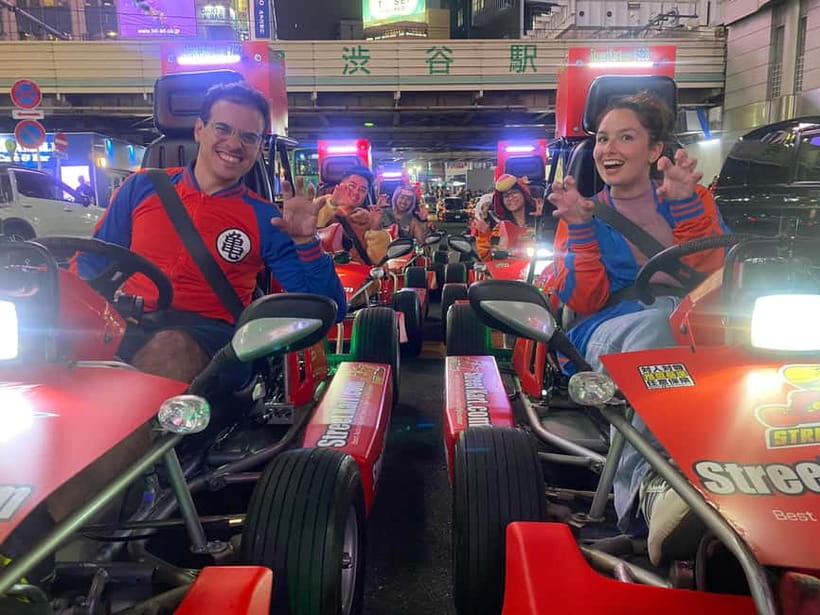
- Drive the world-famous Shibuya Crossing in a legal custom kart, multiple passes and angles.
- Small group setup (up to 6) for smoother pacing and easier safety management.
- Photo support is part of the deal, with guide-taken photos provided as data.
- A real pre-ride briefing includes road regulation guidance and how to operate the kart.
- Costume and accessories are included, which makes it easier to blend in with the fun.
- International driving paperwork is required, and you’ll need physical documents, not just digital copies.
Entering Shibuya Crossing by Kart: what feels special
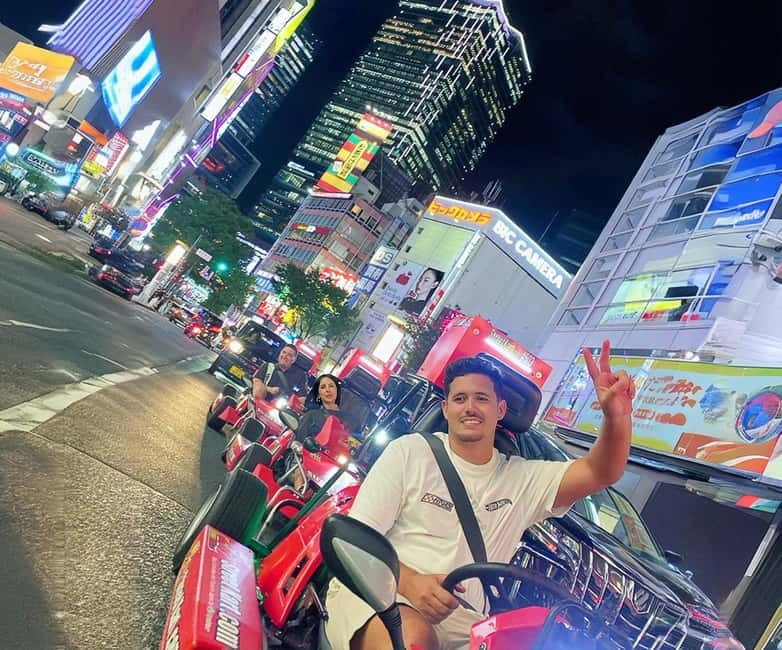
This isn’t a slow sightseeing loop. The core thrill is driving through Shibuya Crossing itself, the giant intersection you’ve seen in movies and ads. The difference is that from a kart, you’re not just watching the lines and crowds move. You’re making the turns and feeling how the space opens and closes around you, with a guide watching so you stay safe.
You’ll drive through the crossing multiple times, including from different directions. That matters because it changes what you notice: signage, flow patterns, and the sense of scale. If you like photography, this also gives you better odds of getting that one perfect angle where the intersection really looks like the big-screen version.
Safety-wise, it’s not “figure it out yourself.” The experience includes road regulation and kart-operation instructions and direct guidance from your guide. That’s a big deal in Shibuya because it’s visually loud: bright storefronts, pedestrians everywhere, and cars moving nearby. You don’t want a tour where the guide says good luck. Here, the setup is built around you understanding what to do.
You can also read our reviews of more tours and experiences in Tokyo.



The Guide Factor: why trained instruction changes everything
One reason this tour earns such strong marks is the people running it. The experience uses professionally trained guides, and the results are obvious: clear explanations, a focus on safety, and someone actively helping you during the ride.
In the feedback you can see patterns around guide quality. Names like Stanley, Tomas, and Cole show up in praised comments for being helpful, explaining clearly, and taking lots of photos. Even if you don’t know which guide you’ll get, the structure is the same: you get private and direct instructions, plus ongoing support during the activity.
For you, the practical takeaway is this: don’t treat this like a casual ride. Pay attention during the briefing video and the initial instruction. That’s where you learn how the kart responds, what to watch for, and how to handle turns in a street environment.
Costume, attention, and photo data you can actually use
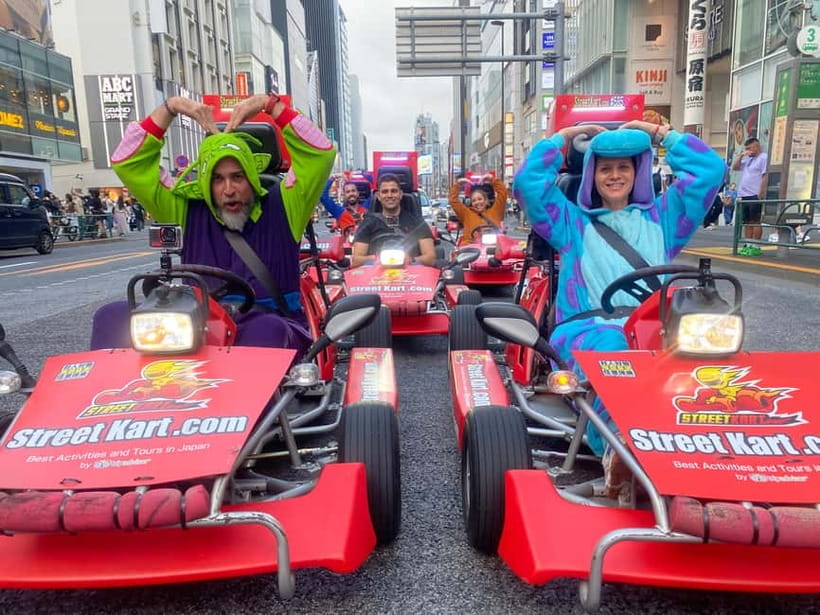
Tokyo has a way of making you feel seen, especially in neighborhoods where fashion is part of the street scene. This tour leans into that. You get free costume/accessory rental, and it’s easy to go from normal tourist mode to full character quickly.
One detail that stands out from rider feedback is that dressing playfully helps. An adult-friendly onesie vibe comes up, and it makes sense: costumes and accessories are part of the fun, and the kart ride turns into your own mini photo shoot whether you plan it or not.
About photos: your guide takes as many pictures as possible and provides the data of all photos at the end of the tour. That’s better than hoping you’ll catch random smartphone shots from passersby. If you care about keeping the evidence of the ride (and you will), this matters more than you might think.
Two small, realistic notes: you’ll want to follow costume guidelines and wear safe footwear. Also, if you plan to film more than the guide does, the tour does not include some camera extras (like action camera rental and mounting).
Rolling from Shibuya to Harajuku and Omotesando: more than one intersection
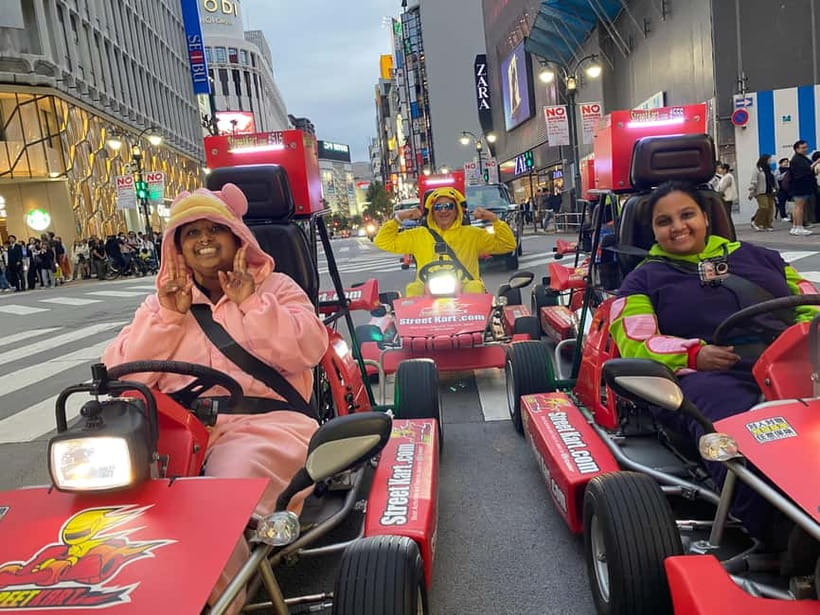
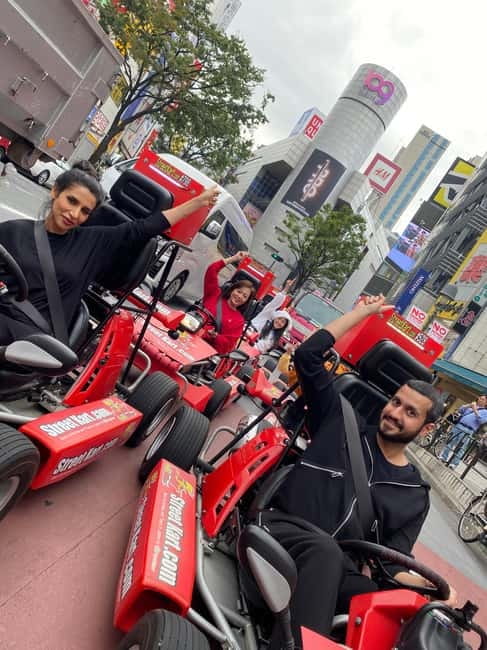
After Shibuya, the tour heads toward Harajuku and Omotesando. This shift is a smart one. Shibuya Crossing is the headline. Harajuku and Omotesando are where you feel Tokyo’s style in motion.
Expect the ride to feel more “street texture” than “giant set piece.” Those areas are packed with visual cues: storefront lighting, fashion-focused windows, and the kind of streets where people are watching what you wear as much as where you’re going.
The guide leads the way and keeps you safe through traffic conditions. That’s the point of having a guide route: you’re experiencing iconic neighborhoods without needing to decode confusing street flow or worry about finding parking and navigation.
How the timing and small group work in your favor
The duration is 1 hour, and that time is tight enough to keep the experience exciting. You’re not stuck for half a day doing check-in, prep, then slowly inching around. Instead, you get a focused burst: briefing, drive time, then photos and wrap-up.
The group is limited to 6 participants, which helps more than people realize. In a group this size, the guide can manage spacing and still take photos. You’ll also get more personal attention during the instruction part, which helps first-timers feel confident faster.
If you’re doing Tokyo in a packed schedule, this is also a nice slot. One hour is usually easier to protect than tours that eat up your whole morning or afternoon.






Price and value: is $67 really fair for this?
The price is $67 per person for about an hour of guided street karting, plus equipment and photo support. On paper, it might sound simple. In practice, the value comes from what’s bundled.
Here’s what you’re paying for beyond the kart itself:
- A custom made go-kart experience (not just renting wheels).
- An English-speaking guide on the kart plus direct instructions.
- A briefing video covering road rules and operating the kart.
- Free costume/accessory rental, which helps the experience feel like an event.
- Gasoline included.
- Photo data taken by the guide, delivered at the end.
- Help with required documents guidance through Street Kart support.
In other words, you’re not only buying driving time. You’re buying safety coaching, a guided route through famous areas, and a memory package.
What’s not included can affect value for some people. If you want to capture extra footage with equipment, there are optional fees (action camera rental, micro-SD purchase, and camera mount rental). Still, for most people, the included photos are what they’ll want.
The paperwork reality: IDP and translations you must plan for
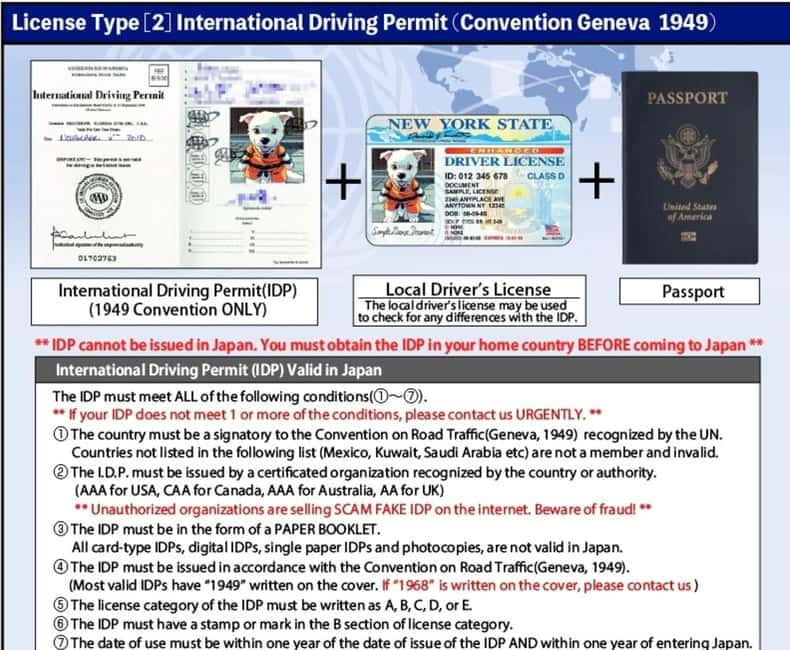
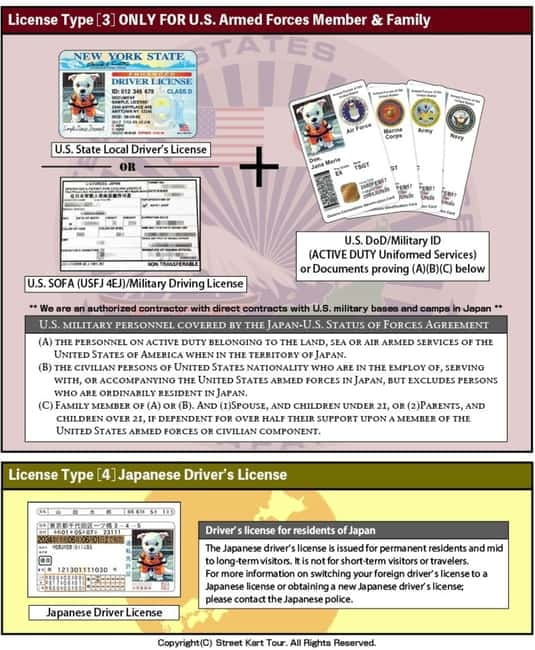
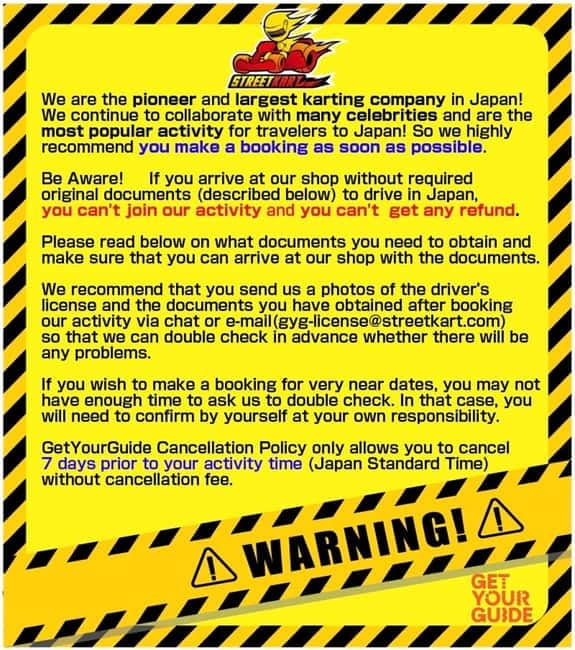
This tour is fun, but it has a serious “do this before you arrive” requirement. All participants need special documents to drive in Japan.
For most countries, you’ll need:
- An International Driving Permit (IDP) in the booklet format compliant to the 1949 Geneva Convention.
- Your physical passport.
- The physical IDP (not an online substitute).
A few extra rules matter:
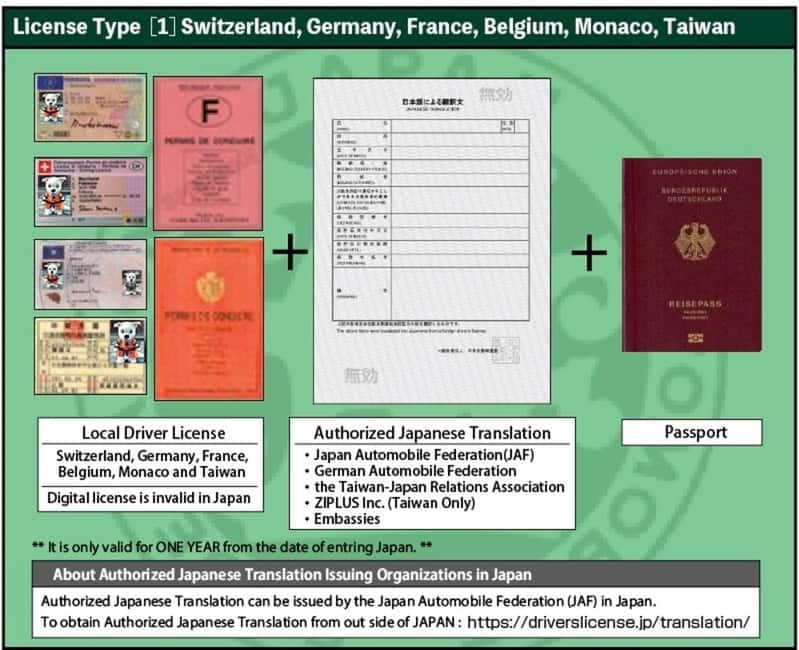
- If your license is from Switzerland, Germany, France, Taiwan, Belgium, or Monaco, you need a Japanese translation from JAF, not an IDP.
- Licenses from countries not covered by the 1949 Geneva Convention are not permitted to drive in Japan.
Here’s the practical advice: don’t wait until you land. The IDP must be issued in your home country, and it cannot be obtained online while traveling. If your country’s rules are unclear, double-check before booking so you don’t end up with a “fun you can’t drive” situation.
The tour also supports guidance of required documents, and Street Kart will email necessary information within 24 hours of booking. That helps, but it doesn’t replace your need to obtain the correct documents yourself.
What you wear matters: shoes, no alcohol, and riding comfort
You can’t show up in just anything. The tour lists specific restrictions:
- Not allowed: high-heeled shoes, sandals or flip flops, and bare feet
- Not allowed: alcohol and drugs
Those footwear rules aren’t picky for fun. They’re about control and safety when you’re operating a kart on city streets.
In addition, the tour isn’t suitable for a range of medical and mobility situations. If you’re pregnant, have back problems, mobility impairments, heart problems, respiratory issues, epilepsy, recent surgeries, low fitness, hearing impairment, visual impairment, or you’re using a wheelchair, you should skip this activity.
Also, children under 18 can’t ride, and you must have a driver’s license to drive.
If you’re on the fence physically, it’s smart to be cautious. City karting isn’t heavy like hiking, but it does require comfort with movement, balance, and attention while driving.
Where to meet and how check-in tends to work
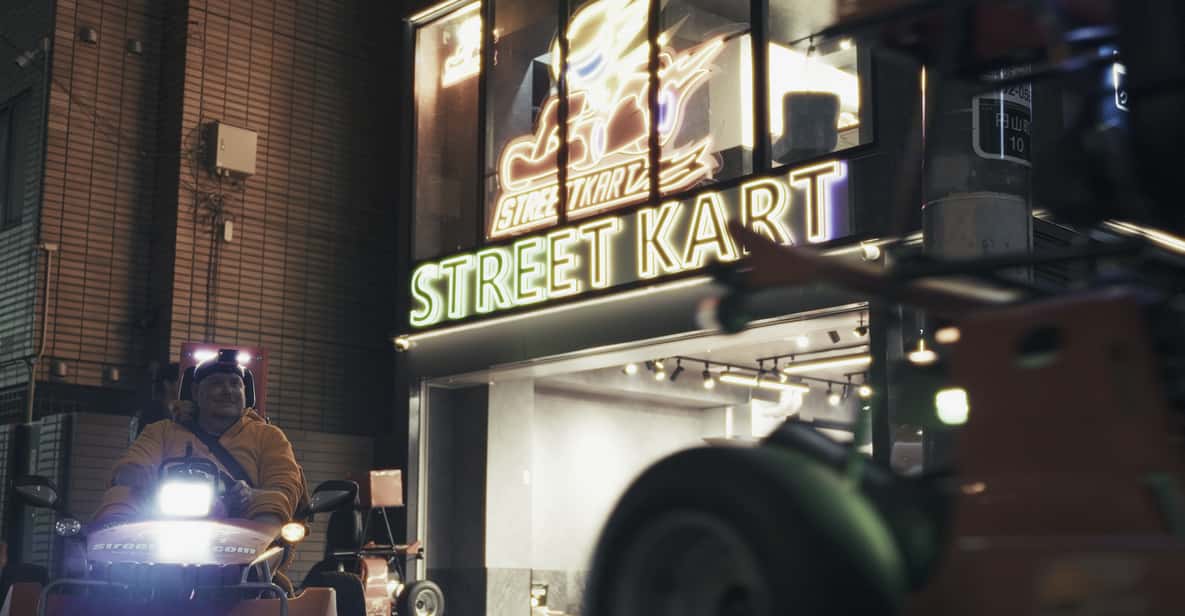
Meet at the second floor of the building. You’ll see a large Street Kart logo in the window, with the brand name right underneath in neon lights. Plan to take the stairs or elevator to the second floor to check in.
This is useful because it’s not at street level. If you’re using maps, still look for the logo window and neon sign so you don’t waste time wandering around.
Quick itinerary flow: what you’ll do during the hour
You can think of the experience as three stages:
1) Prep and rules
You’ll get a briefing video about road regulations and how to operate the kart. Then you’ll receive instructions directly from your guide so you’re not guessing how to drive in traffic conditions.
2) Shibuya Crossing driving passes
The main event: drive through Shibuya Crossing multiple times from different directions. This is the part that feels most like the movies, but with the added reality of street-level motion and pedestrian flow.
3) Harajuku and Omotesando streets
Then you roll out to Harajuku and Omotesando, led by your guide, keeping you on track while you experience these fashion-forward streets at speed.
At the end, you’ll get data of all photos taken by your guide. It’s a nice finish because you don’t have to scramble afterward.
Should you book this Shibuya street go-kart tour?
If you want a Tokyo activity that’s iconic but still organized, this is a strong choice. You’ll get real driving time in a famous location, a trained English-speaking guide, included costume fun, and a photo memory package that’s more reliable than random smartphone snaps.
Book it if:
- You can get the right IDP or translation before your trip
- You want a high-energy, short-duration activity (about 1 hour)
- You enjoy dressing up a bit and letting the guide take photos
- You’re comfortable following safety rules and paying attention while driving
Skip it if:
- You don’t have the correct physical driving documents for Japan
- You can’t meet footwear/safety restrictions
- You fall into any of the “not suitable” categories listed (medical or mobility-related)
One last practical tip: treat the briefing as part of the experience, not a formality. The better you pay attention there, the more confident you’ll feel when you’re actually rolling through Shibuya.
FAQ
Do I need an International Driving Permit to drive in Japan?
Yes. For most countries, you need a physical International Driving Permit (IDP) in the booklet format compliant with the 1949 Geneva Convention, plus your physical passport.
What if my license is from Switzerland, Germany, France, Taiwan, Belgium, or Monaco?
If your license is issued in those countries, you need a Japanese translation of your license from the Japan Automobile Federation (JAF), not an International Driving Permit.
What documents do I need to carry with me?
You must carry your physical IDP (or, for certain countries, your physical domestic license plus official translation) and your physical passport.
How long is the tour?
The duration is 1 hour.
How many people are in the group?
It is a small group limited to 6 participants.
What do I do at check-in?
You check in on the second floor of the building. Look for the large Street Kart logo in the window, with the brand name in neon lights underneath.
Is the guide available in English?
Yes. The tour includes an English-speaking guide.
What safety and driving instructions are included?
You get a briefing video about road regulations and how to operate the karts, plus direct instructions from your guide.
What photos do I get at the end?
Your guide will take photos during the tour and you’ll receive the data of all photos taken.
What is not included if I want extra camera gear?
Action camera rental fee, micro-SD purchase fee, and camera mount rental fee are not included.