REVIEW · TOKYO
Tokio A: Tour de la ciudad en Español – Spanish
Book on GetYourGuide →Operated by NIPONEANDO · Bookable on GetYourGuide
Neon meets tradition in one Spanish walk. This 8-hour tour strings together some of Tokyo’s most recognizable sights and then flips the switch into nightlife, all with Spanish guidance and a warm, close feel. You also get practical advice so the day doesn’t end when the tour does.
I especially love how respect for the environment is built into the experience, not treated like an afterthought. And the guides I saw named here, like Nikita and Camila, come across as genuinely friendly and helpful, with tips that make you faster (and less confused) in each neighborhood.
One thing to plan around: you can’t bring luggage or large bags. This is a walking-and-transit day, so pack light.
In This Review
- Key things to know before you go
- Sensō-ji in Asakusa: the start point that sets the tone
- Ueno Park: a calmer middle that still feels Tokyo
- Lunch and Ameyoko market time: where you feel the city’s edge
- Shinjuku viewpoint: the classic Tokyo skyline stop, with a real-world backup
- Kabukicho and Golden Gai: neon nightlife, guided and respectful
- How the 8 hours really works: walking, metro, and a light-pack rule
- Guides make the difference: Nikita, Camila, and Emi in real use
- Price and value: what $96 covers, and what you’ll pay on your own
- Who should book this tour (and who should skip)
- Should you book Tokio A: Tour de la ciudad en Español?
- FAQ
- Is the tour guided in Spanish?
- How long is the Tokio A tour?
- Where does the tour meet?
- Is pickup available from my hotel?
- What’s the transportation cost?
- Can I skip the line at Sensō-ji?
- What happens if the planned Shinjuku viewpoint is closed?
- Is this tour suitable for people with hearing impairments?
- Are large bags or luggage allowed?
Key things to know before you go
- Guía en español all day: you won’t be left guessing what you’re seeing.
- Skip-the-line style entry: you use a separate entrance for the main temple stop.
- Traditional + local street life: Asakusa temples, Ueno park time, then Ameyoko market energy.
- Shinjuku viewpoint plans with a backup: if the planned mirador is closed, it may switch to Ebisu.
- End at Kabukicho and Golden Gai: nightlife-adjacent areas, explained in a respectful way.
Sensō-ji in Asakusa: the start point that sets the tone
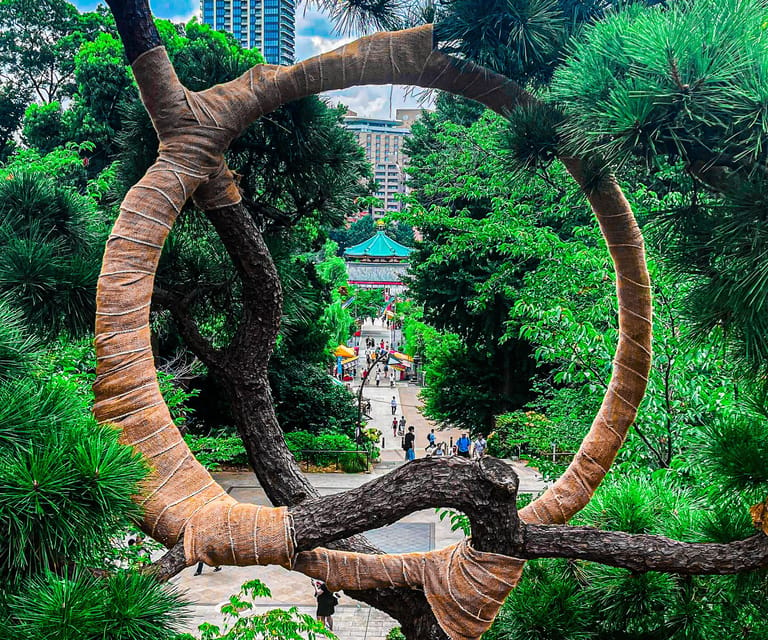
Asakusa is Tokyo at its most legible. The neighborhood feels built for first-time visitors: you walk in, you see the temple, and you quickly understand why this part of the city remains a star. The tour begins here at the Sensō-ji temple, with a guided visit that lasts about 2 hours.
Here’s what I like about this choice of starting point. Sensō-ji is famous, yes, but the real value is the timing and pacing. A good guide helps you not just look, but understand what you’re looking at, so the time doesn’t blur into photos. You’ll also start with a focused temple experience before the day turns more commercial and modern.
Practical note: the tour includes a way to skip the line via a separate entrance. That matters in Asakusa because queues can eat your energy. Use the time you saved to actually slow down and notice details around you, like how people move through the space.
You can also read our reviews of more tours and experiences in Tokyo.



Ueno Park: a calmer middle that still feels Tokyo
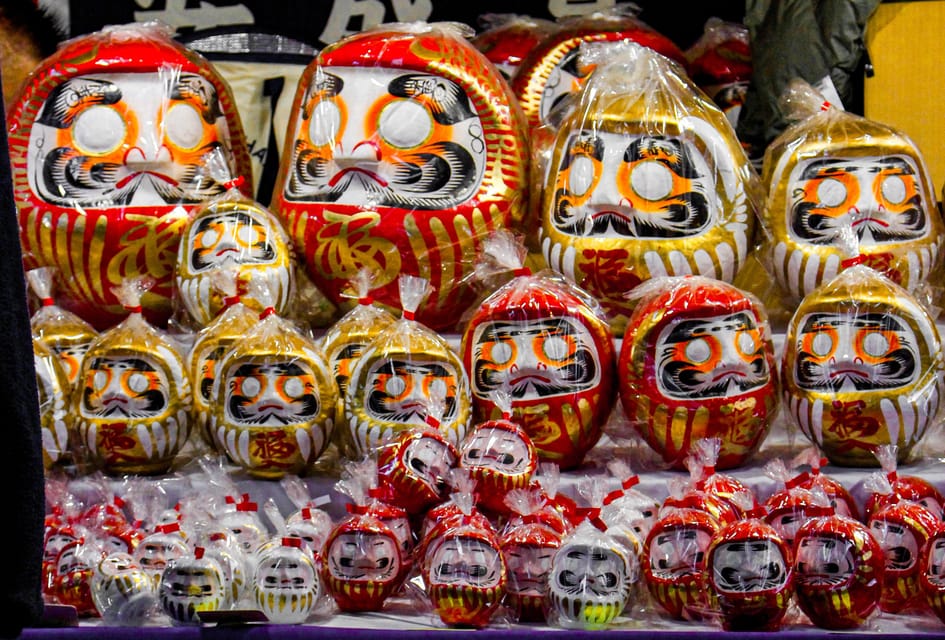
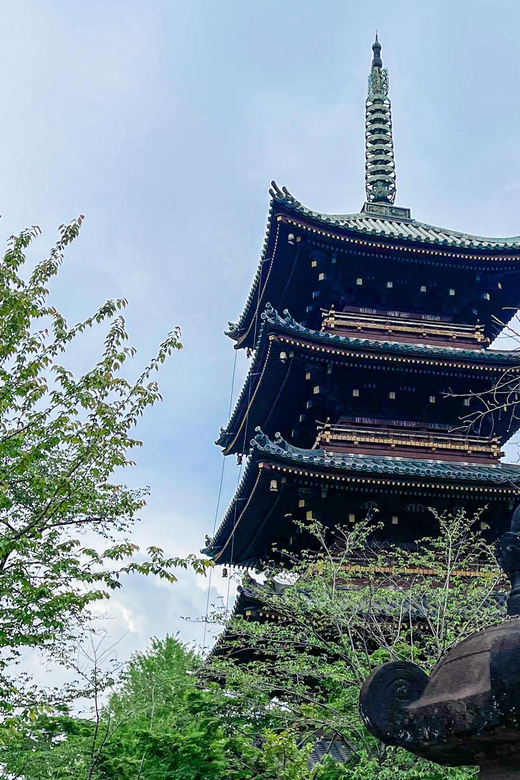
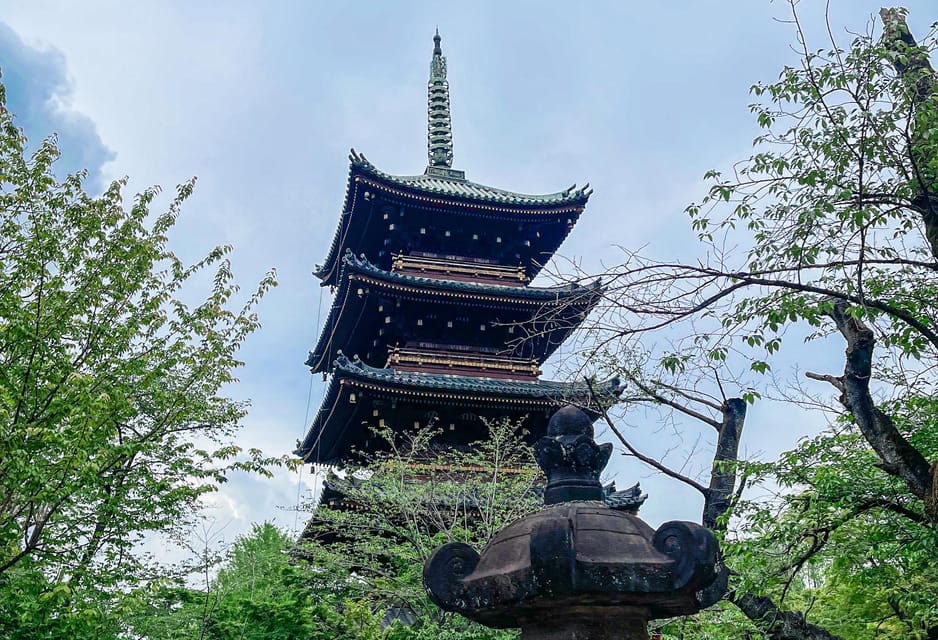
After Asakusa, you shift to Ueno Park for about 1.5 hours with a guide. This is a nice change of pace. Sensō-ji can be intense, even when you’re enjoying it. Ueno gives you room to breathe without leaving the city’s “real life” rhythm behind.
Ueno Park is also where Tokyo starts to feel less like one big landmark and more like a place you can actually wander with purpose. In a guided format, it’s easier to spot what’s worth your attention, instead of spending your time trying to decode a large park on your own.
If you’re the type who likes a mix of big sights and easy breathing space, Ueno hits that sweet spot. You’ll be in a public, everyday Tokyo environment rather than only a curated tourist box.
Lunch and Ameyoko market time: where you feel the city’s edge
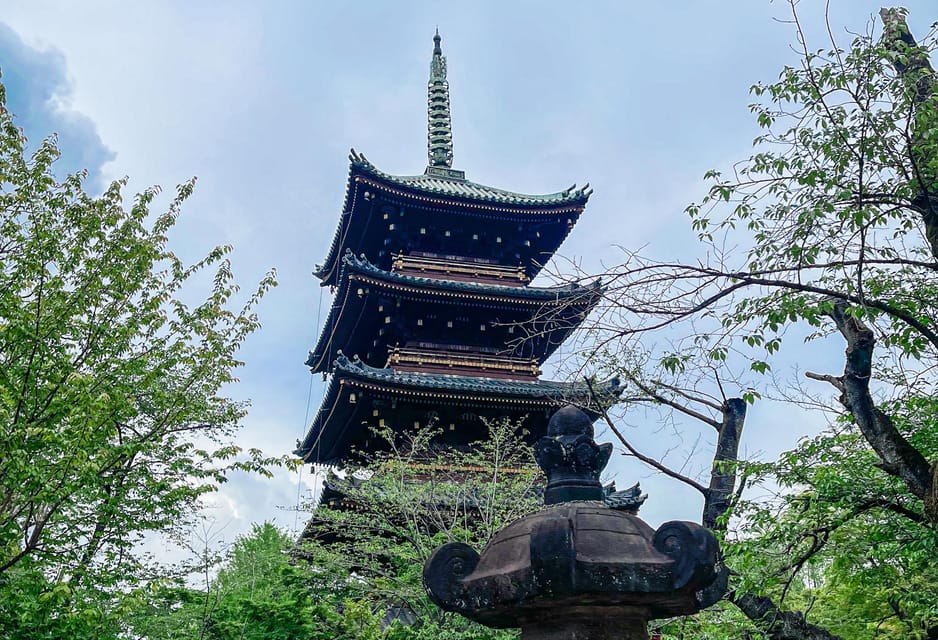
The tour schedules a lunch break of about 80 minutes in the Ueno area, followed by time in the Ameyoko market zone. Ameyoko is often described as atypical, and that’s accurate. It’s the kind of place where Tokyo’s everyday energy shows up: stalls, crowds, and the sensory push that makes you remember the city is not a museum.
This is also where your guide’s Spanish explanations can really help. Even if you don’t speak much Japanese, your guide can point you toward how to order, what to expect, and how to avoid wasting time. The tour is also thoughtful about practical enjoyment beyond the stops. You’ll get recommendations that help you keep exploring after the tour ends.
Food and drinks aren’t included, so consider this a chance to set your own budget. If you want something easy, pick a spot that looks busy with quick turnover. If you want a snack-and-walk style meal, use the market time to nibble as you go. Just remember: you’re walking more after this.
Shinjuku viewpoint: the classic Tokyo skyline stop, with a real-world backup
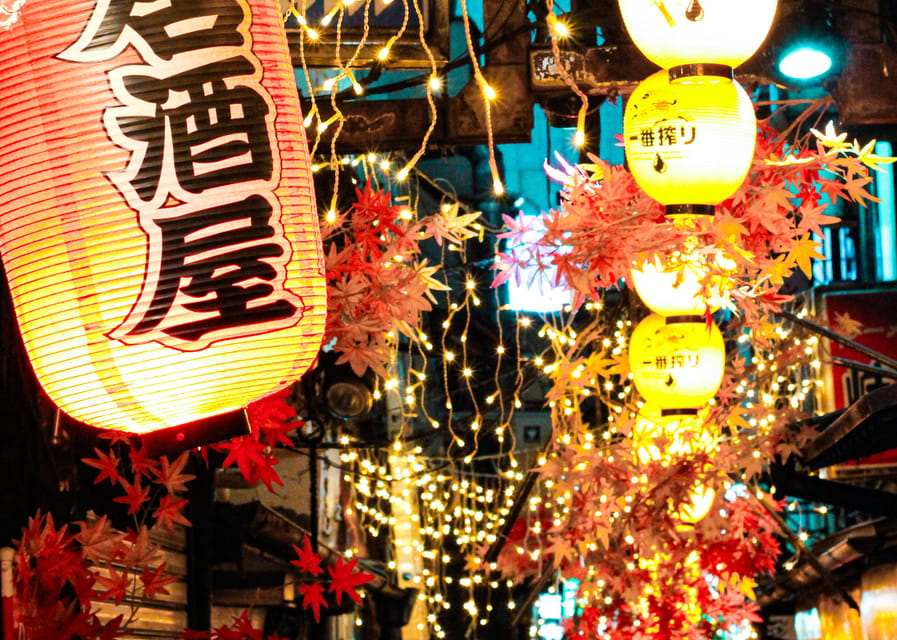
Next comes Shinjuku. The tour includes guided time there, about 1.5 hours, and this is where you get one of Tokyo’s best viewpoint experiences. Shinjuku is famous for modernity, and the skyline from up high gives you a snapshot of how Tokyo layers old and new in the same frame.
One important heads-up: if the planned Shinjuku viewpoint is closed for reasons outside the operator’s control, it may change to the viewpoint in Ebisu. That’s not unusual in Tokyo, where closures and access changes happen. The good part is that you’re not left stranded with no plan. You’ll still get a viewpoint moment.
How to make the most of this segment: arrive ready for the possibility of moving indoors and outdoors, and expect that weather can affect visibility. If the day is hazy, don’t panic. Tokyo still reads well from above even when the far distance is soft.
This is also a strong stop for photos, but don’t treat it like a photo sprint. Look longer. The city structure becomes easier to understand once you study it, not just snap it.
Kabukicho and Golden Gai: neon nightlife, guided and respectful
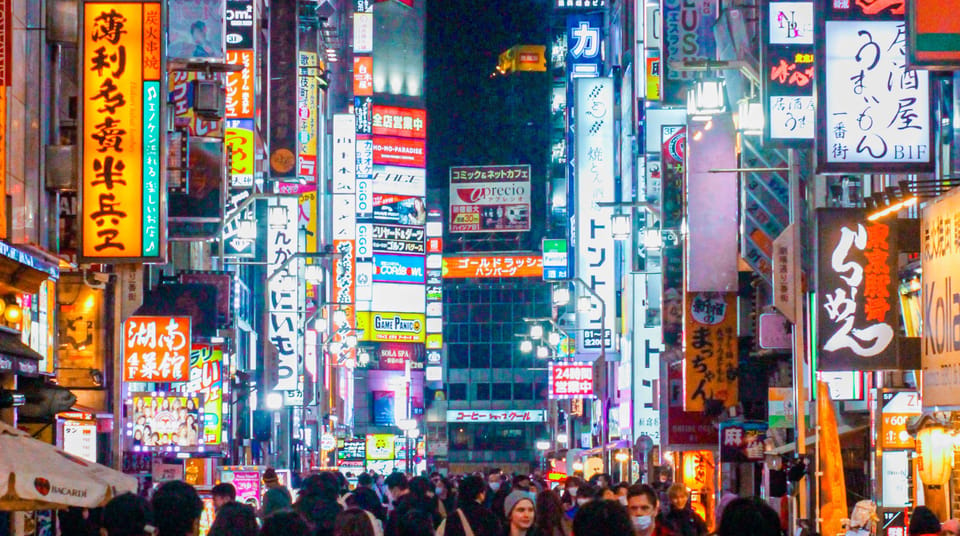
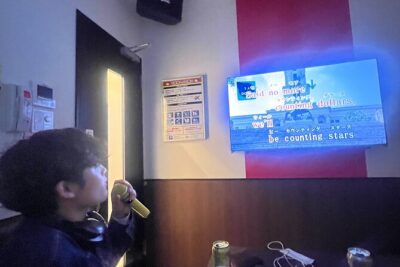
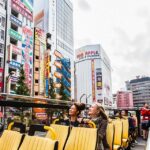
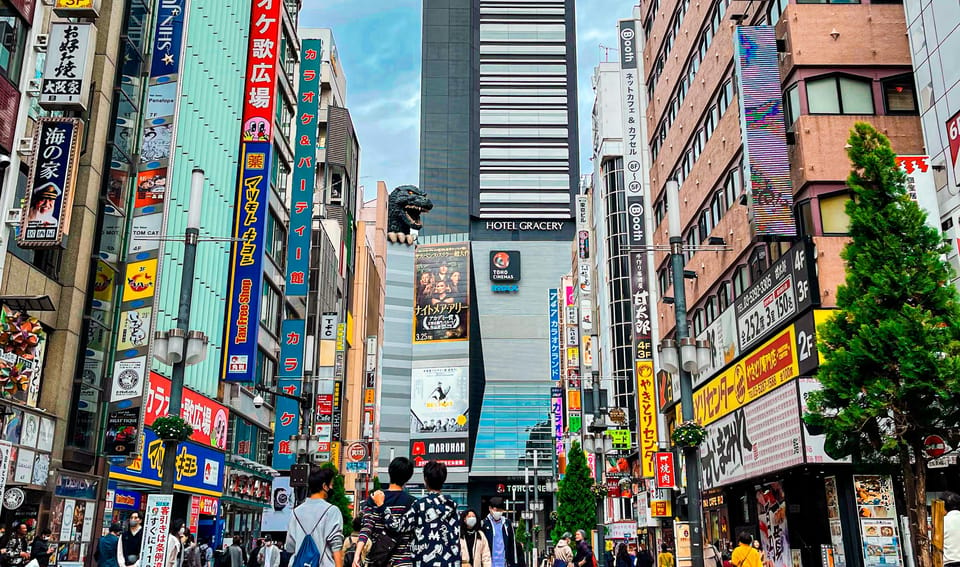
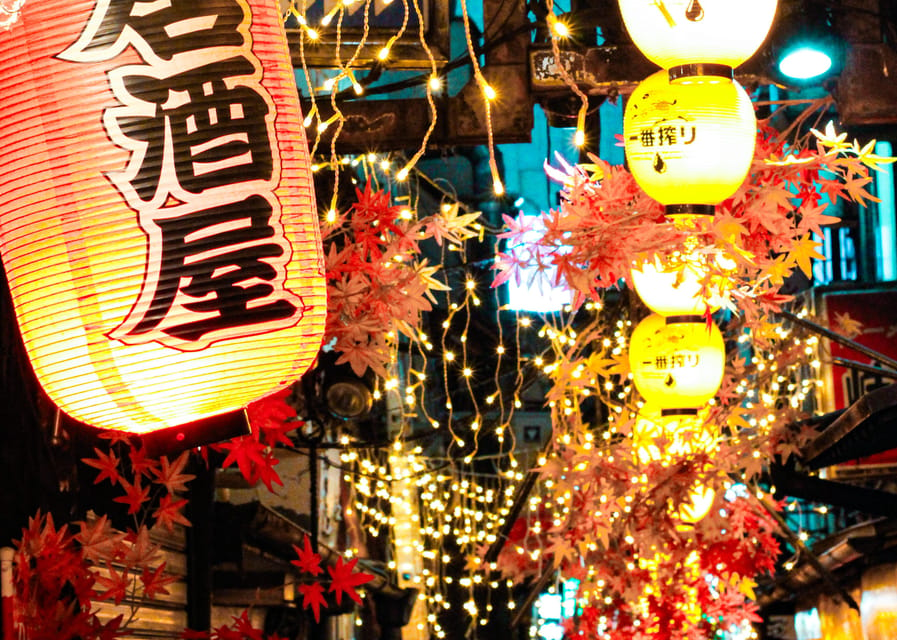
The day ends in Kabukicho, finishing at Kabukicho Theater. This neighborhood is known as Tokyo’s red light district or the Golden Gai area, with nightlife built around karaoke bars, bars, restaurants, and even gaming stores with bright neon façades.
I like ending here because it creates an emotional contrast with earlier stops. You go from temples and park time to something that feels loud, fast, and adult. Done right, it helps you understand Tokyo’s range in one day, without turning it into a wild free-for-all.
The tour includes about 50 minutes for this final exploration with a guide. That’s enough time to get your bearings, notice the street vibe, and understand what Golden Gai is like without feeling lost. Your guide keeps the tone respectful, too. That matters here because this area can be easy to misunderstand if you wander in with no context.
Practical advice: if you’re sensitive to noise or crowds, plan to move slowly and give yourself breaks. Also, if you’re hoping for a specific bar or venue, remember the tour is a guided introduction, not a reservation service.




How the 8 hours really works: walking, metro, and a light-pack rule
This tour runs about 8 hours, moving between neighborhoods by subway/metro and train segments. You should expect some transit time, and you’ll likely see the city’s real commuter rhythm between stops.
Here’s the budget reality: transportation is not included. You should plan for an extra 400¥ for transit. Drinks and food aren’t included either, so your total day cost depends on how you eat.
The tour also has a clear rule: no luggage or large bags. That’s the one big “don’t ignore this” item. With luggage, you’ll get annoyed at every staircase, curb, and crowd crush point. Pack small, use a day bag, and wear shoes you can move in fast.
Wheelchair accessibility is listed, which is good news if you need mobility support. The route does involve public areas and walking, so still plan on some ground-level movement, even with assistance.
Language is Spanish, full stop. You’re not picking bits up and filling gaps yourself. The value here is that you get context while you’re standing in the places, not after you’re back at your hotel.
Guides make the difference: Nikita, Camila, and Emi in real use
The experience stands out because of the human factor. In the feedback tied to this tour, guides like Nikita and Camila are described as attentive, kind, and focused on making the day easy. Another guide named Emi comes up too, with notes about clear communication, hotel pickup coordination, and a route that felt informative with flexibility.
What that usually means for you: less time asking where to go, and more time actually looking. A friendly guide also turns confusing neighborhoods into something manageable. You’re more likely to understand what’s “important,” not just what’s popular.
And because the tour includes advice and recommendations to keep enjoying your trip, you can leave with a mini plan for the rest of your Tokyo days. That’s real value in a city where everything looks appealing and you can easily waste time choosing.
Price and value: what $96 covers, and what you’ll pay on your own
At $96 per person, this tour is priced like a full guided day rather than a short highlights walk. That’s fair given the scope: temple time in Asakusa, park and lunch in Ueno, market time, a Shinjuku viewpoint component, and the Kabukicho nightlife finish, all with Spanish interpretation and guidance.
What’s included:
- The Spanish-guided experience for about 8 hours
- Hotel pickup if you select it (a supplement may apply)
- Skip-the-line via a separate entrance for the main temple stop
What’s not included:
- Transportation (400¥)
- Drinks and food
When a tour like this is good value, it’s because it saves you effort. You don’t need to map every move, figure out transit between neighborhoods, or translate what you see. You’re also protected from common first-day confusion. In Tokyo, those small frictions add up. This tour is basically paying to reduce those frictions and replace them with guided context.
If you’re the kind of traveler who likes structure on day one but still wants to feel free, this pricing can make sense. If you already know Tokyo well and prefer self-guided walking, you might see it as expensive. But for first-timers or anyone who wants Spanish throughout, it’s a strong use of time.
Who should book this tour (and who should skip)
You’ll probably love this if:
- You want a Spanish-speaking day in Tokyo with clear guidance from start to finish
- You like contrast: temples and markets in the day, then a nightlife area at the end
- You prefer a plan that still leaves room for your own food choices
You might want to think twice if:
- You need a hearing-accessible tour, because the tour is listed as not suitable for hearing-impaired people
- You’re traveling with large luggage (it’s not allowed)
For families: unaccompanied minors aren’t allowed. If you’re traveling with kids, you’ll need to plan within that rule.
For mobility: wheelchair accessible is listed, but you should still expect some movement and public-space navigation.
Should you book Tokio A: Tour de la ciudad en Español?
I’d book it if you want an efficient, Spanish-guided way to experience Tokyo’s big layers without feeling overwhelmed. The lineup makes sense: start with Sensō-ji, balance it with Ueno, add the street-market feel of Ameyoko, then finish with a Shinjuku viewpoint and the Kabukicho/Golden Gai atmosphere.
The one thing to get right is logistics: travel light, budget for transit and your meals, and accept that viewpoints can shift if closures happen. If you do that, you’ll leave with a clearer sense of Tokyo and a handful of practical ideas for what to do next.
If your priority is maximum independence and you already have a Tokyo map in your head, you might prefer self-guided walking. But if you want a guided day that actually helps you understand what you’re seeing, this is a strong pick.
FAQ
Is the tour guided in Spanish?
Yes. The tour is in Spanish with a live tour guide.
How long is the Tokio A tour?
It lasts about 8 hours.
Where does the tour meet?
The meeting point is in front of the entrance to the Asakusa Tourist and Cultural Information Center. The guide will have identification showing NIPONEANDO.
Is pickup available from my hotel?
Pickup is optional. If you select the hotel pickup option (including a private option with the supplement), the guide will pick you up at the hotel. Pickups always happen using public transport.
What’s the transportation cost?
Transportation is not included. The additional cost listed is 400¥.
Can I skip the line at Sensō-ji?
Yes. There is skip-the-line access using a separate entrance.
What happens if the planned Shinjuku viewpoint is closed?
For reasons outside the operator’s control, the Shinjuku mirador may be replaced by the viewpoint in Ebisu.
Is this tour suitable for people with hearing impairments?
No, it is listed as not suitable for hearing-impaired people.
Are large bags or luggage allowed?
No. Luggage or large bags are not allowed on this tour.