REVIEW · TOKYO
Full Guided Mt. Fuji & Hakone Attractive Private Day Tour
Book on Viator →Operated by Sato · Bookable on Viator
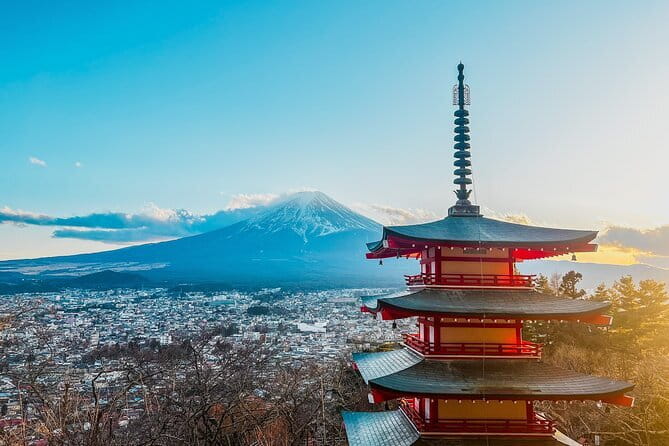
Mt. Fuji feels bigger when you’re not squeezed. This private 10-hour day blends Mt. Fuji 5th Station, Lake Ashi boat views, and Hakone’s volcanic drama, then finishes with an easy shopping stop. I love the less-crowded access idea and the fact that your group (up to 5) rides in an air-conditioned private vehicle with WiFi. I also love the mix of famous sights (Chureito Pagoda area, Oishino Hakkai, and the Fuji viewpoint points) with hands-on moments like Black Eggs. One thing to weigh: lunch and key admissions aren’t included, so your final spend can climb a bit.
If you’re short on time in Tokyo but still want the full Hakone-and-Fuji feel, this is built for that. It’s also flexible: the provider says you can customize, skip a stop, or go where you want, as long as you stay within the day’s schedule.
In This Review
- Key Points to Know Before You Go
- Entering Mt. Fuji and Hakone Without the Stress Spiral
- Price and Value: What $430 Covers (and What It Doesn’t)
- Tokyo Station Pickup: The Easiest Way to Start a Long Day
- Subaru Line Mt. Fuji 5th Station: Views, Altitude, and Real Amenities
- Lake Ashi and the Pirate-Style Boat Ride: Fuji Reflections on Water
- Owaku-dani Valley: The Black Eggs Moment (Fast, Weird, Memorable)
- Moto Hakone Shrine: The Torii of Peace on the Waterline
- Hakone Open-Air Museum: Art Outside, Mountain Air Inside
- Gotemba Premium Outlets: A Practical Last Stop Near Fuji Views
- How Customization Works When You Actually Have a Day to Spare
- What the Private Driver Really Adds (Beyond Comfort)
- Who This Tour Fits Best (And Who Might Prefer Something Else)
- Should You Book This Private Mt. Fuji & Hakone Day Trip?
- FAQ
- How many people are in the private group?
- How long does the tour last?
- Where do we meet, and where does the tour end?
- Is pickup offered?
- What’s included in the tour price?
- Is lunch included?
- What entrance fees should I budget for?
- Is the Mt. Fuji shuttle service required?
Key Points to Know Before You Go
- Private group of up to 5: you’re paying for a car and driver, not a cattle-cart.
- Season-aware routing: cherry blossoms in spring, autumn foliage in fall, and viewpoint timing matters.
- Mt. Fuji 5th Station at about 2,300 meters: altitude views plus easy tourist amenities if you’re not hiking.
- Lake Ashi Pirate Ship ride: a fun way to see the torii gate vibe and mountain silhouettes from the water.
- Owaku-dani volcanic stop (Black Eggs): a fast, memorable geothermal moment.
- Tokyo start/return at Tokyo Station: a simple day plan with less transit stress.
Entering Mt. Fuji and Hakone Without the Stress Spiral
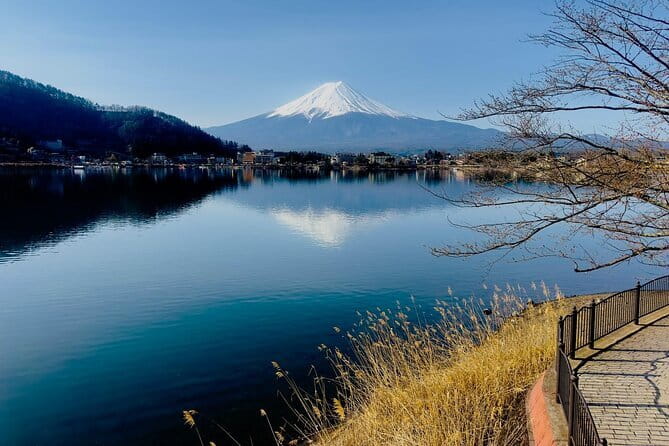
This kind of day works when you want three things at once: major scenery, good timing, and less time fighting transit lines. With this tour, you start and end at Tokyo Station, and you ride in a private, air-conditioned vehicle. That matters, because Mt. Fuji and Hakone are popular for a reason—and popularity creates crowds.
I also like how the “private access” angle is built into the offer, not just sold as a buzzword. They say they’ll bring you to private viewpoints or less crowded areas, and they tailor the plan to the season. Translation: you’re not only going where famous photos happen—you’re trying to reduce the most annoying parts of those photo lines.
Finally, you’re buying the day’s flow, not just stops. This is a long loop through altitude, lake views, a sulfur valley, shrine calm, outdoor art, and then outlets. If that sounds like your style, you’ll be happy; if you prefer slow and local, you might feel the pace.
You can also read our reviews of more guided tours in Tokyo
Price and Value: What $430 Covers (and What It Doesn’t)
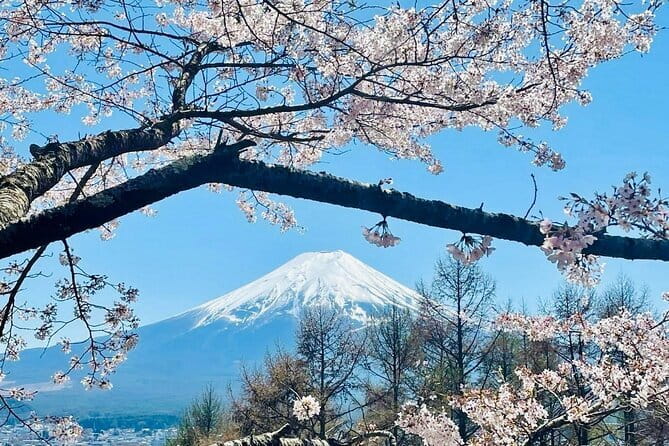
The price is $430 per group up to 5, for about 10 hours. The math is simple: if you fill all five seats, you’re at roughly $86 per person for a private vehicle and driver through multiple regions. If you’re only two people, the cost per person jumps—but you still avoid trains/buses plus the stress of transfers when visibility, timing, or traffic shifts.
What’s included is the hard part: private transportation, WiFi on board, air-conditioned vehicle, and a child seat. What’s not included is where your budget can change:
- Lunch (not included)
- Alcoholic beverages (not included)
- Hakone Open-Air Museum entrance: listed as $15 USD
- Mt. Fuji 5th Station Subaru Line entrance: listed as $15 USD per group
- Optional: Mt. Fuji shuttle fee of ¥2500 during the stated hiking season
So the value question is really this: do you want to pay to skip the planning and the transit friction? If yes, this tour’s format makes sense.
Tokyo Station Pickup: The Easiest Way to Start a Long Day
Your day begins at Tokyo Station (1 Chome-9 Marunouchi, Chiyoda City). Then the tour ends back at that same meeting point. That round-trip structure is practical for a day trip, because you’re not trying to stitch together end-of-day transit after a long drive.
Also, you get mobile ticket delivery. That’s not glamorous, but it’s useful when you’re moving from place to place. And since the tour is private, you’re not waiting around for a giant schedule of multiple groups.
One more small detail I like: they allow service animals and say the tour is for “most travelers.” If you’ve got accessibility needs, it’s still smart to confirm details directly before booking, since the itinerary does include time at higher altitude areas.
Subaru Line Mt. Fuji 5th Station: Views, Altitude, and Real Amenities
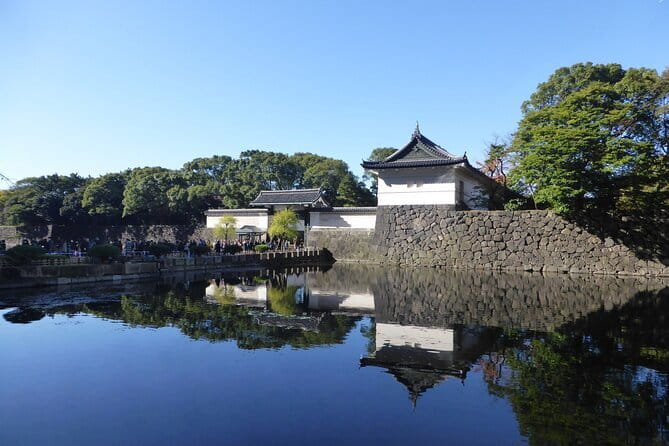
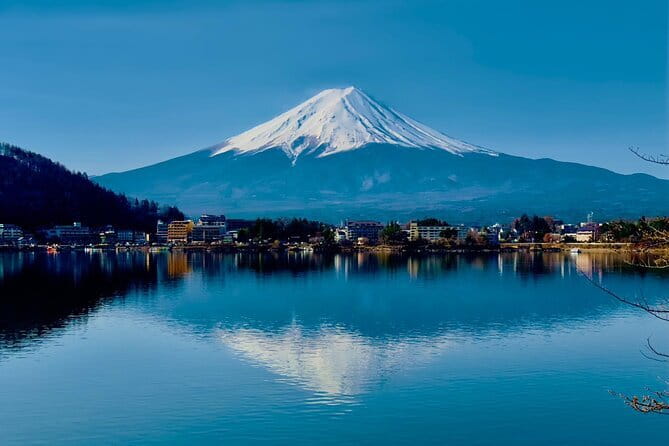
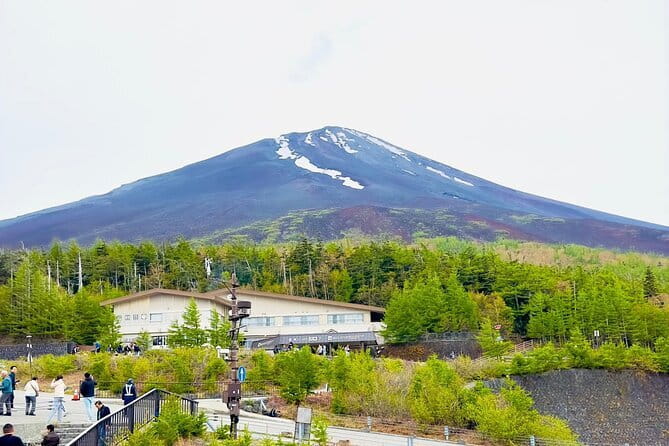
The first major stop is Mt. Fuji Subaru Line 5th Station, about 2,300 meters (7,546 feet) up. This is a smart start even if you’re not planning to climb. At this elevation, you get that proper “Fuji feels close enough to touch” sensation—plus, the area has practical tourist infrastructure.
They note you’ll find restrooms, shops, restaurants, and even lodging options. You can use that time to get comfortable with the altitude, grab water, or simply stand somewhere safe and enjoy the view. From here, the summit climb is typically 5–7 hours, so you’re not locked into climbing—but you are giving yourself a real taste of the mountain.
Timing note: the offer mentions a shuttle service fee of ¥2500 (about $20) as optional, running July 6 to September 10. If you’re traveling outside that window, you’ll want to plan around normal access and driving.
Potential drawback: weather. Mt. Fuji can hide when conditions are foggy or cloudy. A private car helps you chase timing, but it can’t force visibility. If clear views are your top priority, ask your guide about where they’ll aim based on day-of conditions.
Lake Ashi and the Pirate-Style Boat Ride: Fuji Reflections on Water
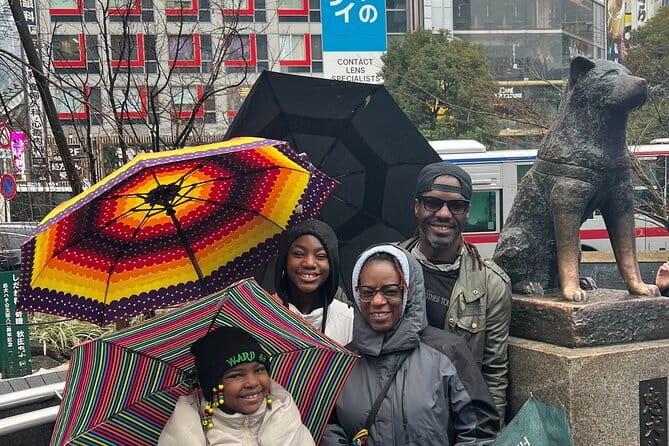
Next is Lake Ashinoko (Lake Ashi). This is where Hakone slows the day down in a good way. Lake Ashi is known for its Mount Fuji views, mountain scenery around the water, and the famous Shinto shrine vibe on the shore.
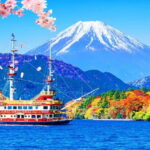
The big “fun factor” here is the boat. The tour highlights sightseeing boats resembling pirate ships running between Souzan and Togendai Stations. Even if you’re not a boat person, this is an efficient way to see multiple angles without worrying about walking long distances between views.
What you’re looking for on the water is the classic image: a red torii gate that appears like it’s floating on the lake. The water reflections depend on weather, but the sight is still worth it.
You’ll have about 2 hours for this part. For me, that’s long enough to take photos, enjoy the lake air, and still avoid feeling rushed.
You can also read our reviews of more private tours in Tokyo

Owaku-dani Valley: The Black Eggs Moment (Fast, Weird, Memorable)
Then comes Owaku-dani Valley, the volcanic section of Hakone. This area is famous for sulfur vents and hot spring activity. The standout detail in the offer is the chance to try local delicacies: black eggs, which are hard-boiled in sulfuric hot springs and end up with black shells.
The itinerary lists only about 1 minute for admission here, but the real value is the stop itself—the sensory reality of the place. You’re standing in a geothermal environment; it smells different, and it looks different. Even a brief stop can be a strong memory trigger because it’s so unlike Tokyo street life.
One practical note: volcanic areas can be rough on comfort if you’re sensitive to strong odors. Bring a mask if you’re bothered by smells, and keep an eye on footing since geothermal areas can be uneven.
Moto Hakone Shrine: The Torii of Peace on the Waterline
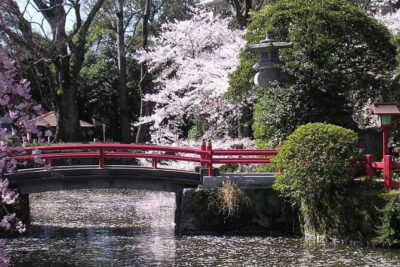
After the geothermal heat, you’ll get a calmer palette at Hakone Moto Tsumiya Shrine (Moto-Hakone Jinja). The highlight is the torii gate in the water—the “Torii of Peace” described in the offer.
It’s also a real Shinto setting, not just a photo spot. The shrine is associated with good fortune for travel and business, so it feels like something people actually come to do—not only where visitors pass through for a picture.
This stop is listed for 30 minutes, with free admission. That timing is about right: enough time to walk around, take photos, and slow down without dragging the day.
If you’re aiming for the most scenic shrine moment, clear weather helps. But even on less-than-perfect days, the setting gives you a break from driving and big-ticket sights.
Hakone Open-Air Museum: Art Outside, Mountain Air Inside
For a different kind of Hakone, the tour includes The Hakone Open-Air Museum. It’s described as Japan’s first open-air art museum, opened in 1969, with outdoor sculptures set across the garden. There’s also a Picasso Pavilion with over 300 works (including ceramics, paintings, and drawings) and a tower with views through colorful stained-glass panels that you can climb.
Admission isn’t included, listed as $15 USD only. If you love art, this stop can be a highlight because it combines sculpture gardens with real open views of Hakone mountains. If art isn’t your thing, you might find it a little slower than the rest of the day.
The time slot is about 1 hour. That’s not enough to “finish” the museum, but it’s enough to get the feel, see a few key pieces, and enjoy the tower view if that’s on your list.
Gotemba Premium Outlets: A Practical Last Stop Near Fuji Views
The day finishes with Gotemba Premium Outlets. This is a shopping detour that also doubles as a viewpoint stop when visibility is good. The offer says it’s one of Japan’s larger outlet malls, with over 400 stores and options from global brands to Japanese labels.
There are also food and cafe choices, and the offer notes tax-free shopping for international visitors at many stores. Since lunch isn’t included, you may want to treat this as your late meal option, not just shopping time.
It’s listed for about 2 hours. That’s the right length for browsing, grabbing a snack, and using the last chunk of the day to reset before heading back to Tokyo.
How Customization Works When You Actually Have a Day to Spare
One of the most valuable parts of this tour is the promise that you can customize—or skip the itinerary stops—and ask to go where you want. That matters because Mt. Fuji and Hakone days often turn on one thing: conditions.
If the Fuji viewpoint is hazy, you can ask to shift your time. If someone in your group wants more lake time or less museum time, you can adjust. The private format is what makes that realistic, since you’re not trying to coordinate with a bus full of strangers.
Just be realistic about timing. This is still a 10-hour schedule. The biggest win is using your guide to protect your priorities while keeping the day moving.
What the Private Driver Really Adds (Beyond Comfort)
A private car is obvious comfort. But the quieter value is decision-making. Your driver and staff can help you:
- Get you to each stop efficiently within the day’s loop
- Keep transitions smooth so you’re not losing time between places
- Handle questions as they come up
The tour description also emphasizes experienced drivers/staff and assistance throughout the day. Past experience with guides is described as very helpful, with people noting both transport quality and how much guidance was offered. One named guide example is Abdul Manan, described as exceptional, courteous, and proactive—showing up early and suggesting activities the family enjoyed.
That early, proactive energy is underrated on a long day. It helps you avoid the “Where do we stand? What do we do next?” moment that can otherwise drain the day’s best parts.
Who This Tour Fits Best (And Who Might Prefer Something Else)
I think this tour is a strong fit for:
- Families who want a structured day but not the hassle of multiple transfers
- Couples or small friend groups who can split the cost across up to 5 people
- Anyone who wants Mt. Fuji + Hakone in one go without building the plan themselves
- People who like photo-heavy sights but also want at least one geothermal and one art moment
It’s less ideal for:
- Travelers who prefer long unplanned wandering with no schedule at all
- Groups that don’t want to pay extra for private transport
- People who need a guaranteed lunch stop (since lunch is not included)
If you’re the type who likes to control the pace and wants someone else to do the driving, you’ll probably enjoy this format.
Should You Book This Private Mt. Fuji & Hakone Day Trip?
Book this tour if your goal is a smooth, high-scenery day where you can hit Mt. Fuji 5th Station, do the Lake Ashi boat experience, see Owaku-dani and the black eggs, then finish with a choice of art and/or shopping. The private setup and up to 5-person group make it easier to manage attention, comfort, and timing.
I’d think twice if you’re traveling in a period where Fuji visibility is uncertain and your whole trip depends on getting perfect views. You can still have a great day—Hakone itself is doing a lot—but weather can change what you see.
My practical takeaway: this is a buy-your-time day. If you want to spend your energy on scenery and memorable stops instead of logistics, the price starts to make sense fast. And if you fill the seats, it turns into a very reasonable private day for the amount you pack in.
FAQ
How many people are in the private group?
It’s a private tour/activity with your group only, and it’s priced per group up to 5.
How long does the tour last?
The duration is approximately 10 hours.
Where do we meet, and where does the tour end?
The meeting point is Tokyo Station (1 Chome-9 Marunouchi, Chiyoda City, Tokyo 100-0005, Japan). The tour ends back at the meeting point.
Is pickup offered?
Yes, pickup is offered.
What’s included in the tour price?
Included are an air-conditioned vehicle, private transportation, WiFi on board, and a child seat.
Is lunch included?
No, lunch is not included.
What entrance fees should I budget for?
Mt. Fuji 5th Station Subaru Line entrance is listed at $15 USD per group. Hakone Open-Air Museum entrance is listed as $15 USD only. Other stops mentioned (like Owaku-dani valley, Lake Ashi-related shrine areas, and Moto Hakone Shrine) are listed with free admission in the itinerary.
Is the Mt. Fuji shuttle service required?
No, it’s optional. The shuttle service fee is ¥2500 (about $20) and it runs from July 6 to September 10 each year during the hiking season.