REVIEW · TOKYO
Create Your Own Party Sushi Platter in Tokyo
Book on Viator →Operated by Patia's Japanese Cooking Class · Bookable on Viator
Making sushi as a party plan? Sounds fun. In this Tokyo class, you’ll learn two showy, celebration-style types of sushi—futomaki and temari-sushi—and you’ll get to eat what you make. It’s hands-on Japanese cooking with English-speaking instructors guiding you step by step.
What I like most is that the skills aren’t random. You’re learning sushi forms that are actually used for gatherings in Japan, plus classic home dishes like miso soup and tamagoyaki (Japanese rolled omelet). One thing to consider: it’s scheduled at a set time and start point in Minato City, and it doesn’t include private transportation—so you’ll want to plan your getting-there before you book.
In This Review
- Key Highlights You Should Know Before You Go
- Build Your Own Party Sushi Platter in Minato City
- Futomaki and Temari-sushi: Two Looks, Two Techniques
- Futomaki: Thick, Layered, Nori-Ready Rolls
- Temari-sushi: Round, Elegant, Party-Friendly
- Why these two together work so well
- Miso Soup and Tamagoyaki: The Home-Cooking Payoff
- Miso soup: Comfort with structure
- Tamagoyaki: Technique you can actually reuse
- How the 2-Hour Class Usually Flows (and What to Watch For)
- What you’ll likely do more than once
- What to watch for in your own technique
- Instructors, English Support, and the Social Part of Cooking
- Lunch Included: Your Reward Is What You Make
- Price and Logistics: Does $100.73 Make Sense?
- Who Should Book This Sushi-Making Class (and Who Might Skip It)
- Should You Book This Tokyo Sushi-Making Class?
- FAQ
- What kinds of sushi will I learn to make?
- Are miso soup and tamagoyaki included in the class?
- Does the price include lunch and ingredients?
- Where does the class start and end?
- How long is the experience?
- Is transportation included?
- How many people are in the group?
- FAQ
- Is the experience refundable?
- Do I get confirmation after booking?
- What ticket format will I receive?
Key Highlights You Should Know Before You Go
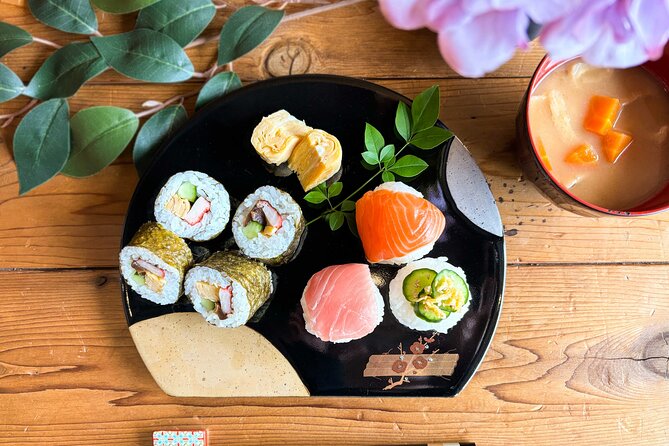
- You’ll make two party-ready sushi styles: futomaki rolls and temari-sushi with a rounded rice base
- You’ll also cook two home favorites: miso soup and tamagoyaki (rolled omelet)
- English-speaking instructors stay close with support and time to chat
- Lunch is included, so the class isn’t just cooking practice—it’s a meal
- Small-group feel for a big city day, with up to 40 travelers per session and a minimum of 4
Build Your Own Party Sushi Platter in Minato City
Tokyo has plenty of places to buy sushi. This experience is different because you’re building your own sushi platter idea in real time, with the structure of a cooking class and the payoff of eating lunch together.
The class runs about 2 hours and starts at 11:30 am. It begins in Minato City, and you end back at the meeting point. That back-to-back rhythm matters: it’s a practical half-day block that fits into an already-packed itinerary without turning into a whole expedition.
The price is $100.73 per person, and the value is best understood by what’s included. You get lunch, the cooking experience, and the ingredients. Private transportation is not included, so your cost planning should focus on getting yourself to the class location (likely by train/taxi/your own arrangements) rather than worrying about anything during the lesson.
There’s also a real “party” angle baked into the sushi types. Futomaki and temari-sushi aren’t just everyday rolls. In Japan, they show up at celebratory moments because they look good and they’re meant to be shared.
You can also read our reviews of more tours and experiences in Tokyo.



Futomaki and Temari-sushi: Two Looks, Two Techniques
Let’s talk sushi style, because that’s the heart of the class.
Futomaki: Thick, Layered, Nori-Ready Rolls
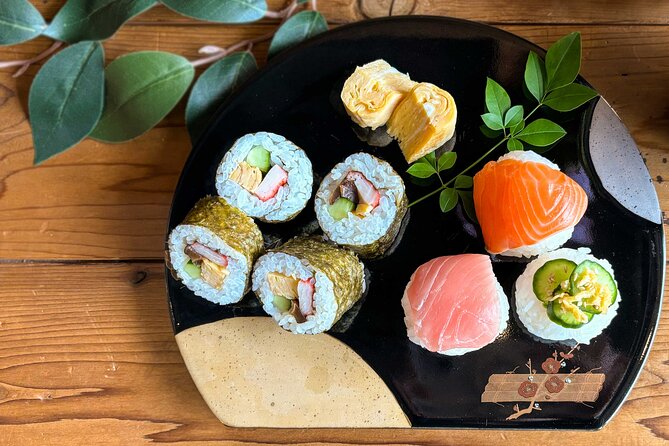
Futomaki is described as a thick roll of sushi. You top it with sushi rice, then layer in multiple ingredients, and wrap it using a sheet of nori. The “thick roll” part is what makes it feel special on a platter. It’s the kind of sushi that looks more like an event centerpiece than a quick bite.
In the class, you learn how to make futomaki from scratch. That means you’re not just assembling something you’ve already seen online—you learn the steps in a guided setting so you can recreate the idea at home later.
Temari-sushi: Round, Elegant, Party-Friendly
Temari-sushi is a different presentation game. Instead of a long roll, you start with a round formed piece of rice. Then you top it with sashimi and vegetables. The result is compact and picture-friendly, which is why it works so well for gatherings.
The class teaches temari-sushi from scratch too, so you’ll learn how the rice base comes together and how the topping style changes the look.
Why these two together work so well
Learning both styles side by side gives you something useful: contrast. Futomaki teaches rolling and layering on nori; temari-sushi teaches shaping and topping. By the end, you’re not stuck with one technique. You’ll have a fuller set of skills for building a platter that looks intentional, not accidental.






Miso Soup and Tamagoyaki: The Home-Cooking Payoff
Sushi classes can sometimes stop at sushi. This one adds two home-style staples: miso soup and tamagoyaki, the Japanese rolled omelet.
Miso soup: Comfort with structure
Miso soup is a cornerstone Japanese home dish. You’ll learn how to make it as part of the class, which is valuable because it gives you a meal component that isn’t just decorative. If you’re trying to recreate this day at home, miso soup is often easier to integrate into a normal menu than, say, a complicated platter of only raw or rolled items.
Tamagoyaki: Technique you can actually reuse
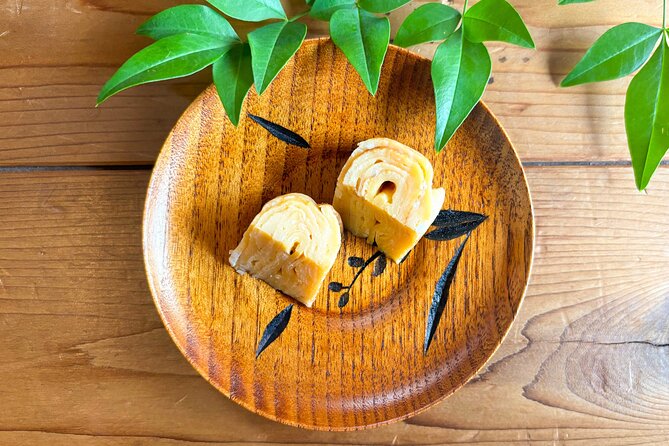
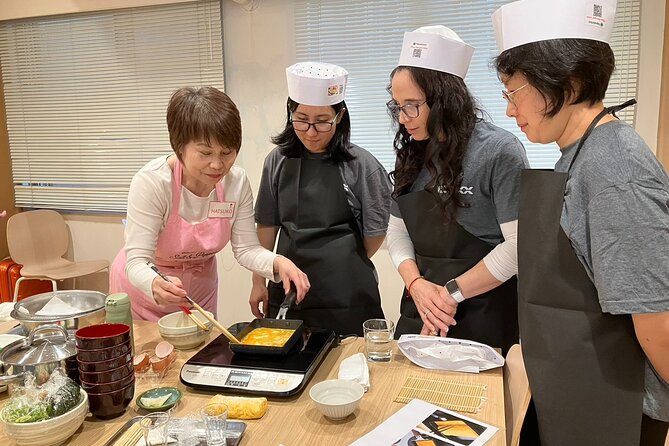
Tamagoyaki can look deceptively simple, but rolled omelet technique matters. Learning it here gives you a second practical skill: you’ll walk away knowing how Japanese home cooks build flavor and texture with a rolled egg approach. It’s also a dish that pairs naturally with sushi for parties, because it rounds out the meal.
Together, these additions make the class feel like more than a sushi workshop. It turns into a small toolkit for Japanese home dining.
How the 2-Hour Class Usually Flows (and What to Watch For)
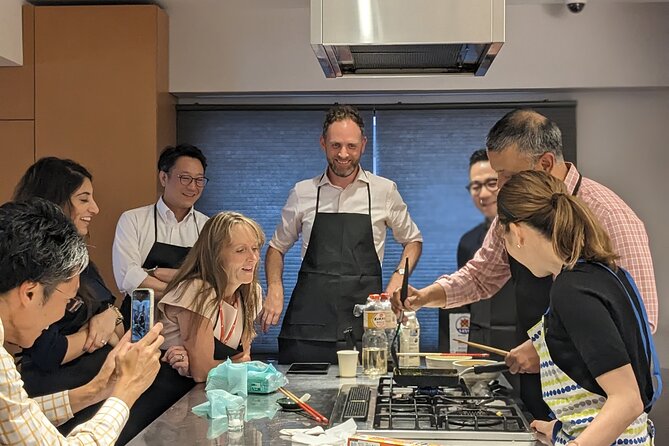
You’re in a teaching setup where you learn the sushi from the ground up and also cook the two home dishes. The class is about hands-on participation, not watching from the sidelines.
Here’s the practical “what to expect” pattern based on what’s included and taught:
- First, you focus on learning the two sushi styles: futomaki and temari-sushi
- Then you add miso soup and tamagoyaki so your lunch becomes a real Japanese meal
- You’ll have English-speaking instructors supporting you side by side, so you can ask questions and get corrections before it goes off track
What you’ll likely do more than once
When you’re learning futomaki and temari-sushi from scratch, you end up repeating the motions—rice handling, ingredient placement, shaping, and assembly. That repetition is a good thing. It’s how you go from I hope I get it right to I can actually make this again.
What to watch for in your own technique
The class emphasizes meticulous Japanese cuisine. You can expect that means more attention to order and finishing details: how you set up ingredients, how you handle rice, and how you build a clean-looking result. If you’re the type who gets stressed by precision, give yourself permission to go slow. This is a cooking class with instructor support, so ask questions when you need them.
Instructors, English Support, and the Social Part of Cooking
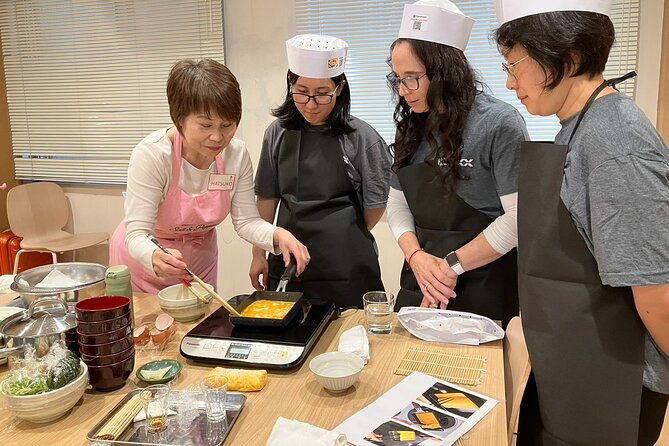
One of the biggest reasons this experience works for groups is that cooking isn’t just food—it’s teamwork.
You’ll learn with English-speaking instructors who guide you “side by side” and keep the mood conversational. That support matters for sushi because there are lots of small steps where language can make the difference between figuring it out yourself and getting a helpful correction.
The social vibe also shows up in the structure: it’s a group class with a shared lunch outcome. If you’re coming with friends, you’ll likely find it’s easier to talk while you work rather than doing a standard sightseeing day where everyone scatters for photos.
In the feedback, people consistently highlight the feeling of combining social time with learning food culture, and the fact that it’s memorable because you eat sushi you made yourself. That’s the exact reason I think this class is such a good use of a Tokyo morning.
Lunch Included: Your Reward Is What You Make
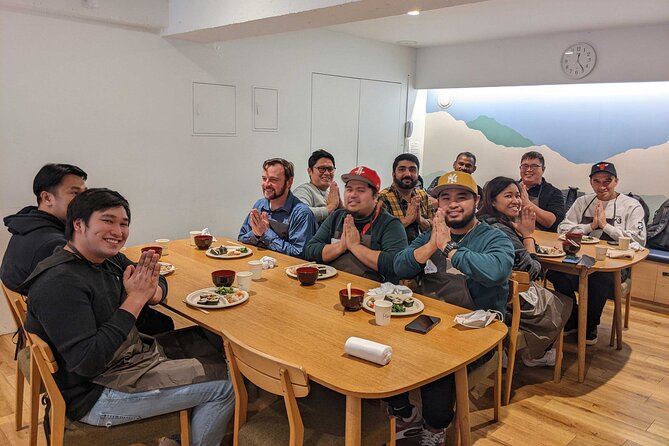
The experience includes lunch, and that’s more valuable than it sounds.
When you’re paying for a class, lunch being included means you’re not doing that awkward post-class scramble to find food while you’re still in cooking mode. You’ll also be eating dishes you understand now—at least enough to explain them to someone at your table, which is a fun travel-party skill.
Also, sushi platters made for sharing work best when everyone can taste and compare. Having both futomaki and temari-sushi on the same lunch menu gives you that compare-and-choose feeling. The miso soup and tamagoyaki round it out so you’re not eating only one style of food.
Price and Logistics: Does $100.73 Make Sense?
The sticker price is $100.73 per person for a roughly 2-hour class with lunch and ingredients included. That’s not “cheap” by budget standards. But for Tokyo, it’s not automatically overpriced either—especially because the class covers more than one dish.
Here’s how I evaluate the value:
- You’re paying for instruction plus ingredients plus a full meal (lunch included)
- You learn multiple dishes: futomaki, temari-sushi, miso soup, and tamagoyaki
- You’re not just eating prepared food—you’re taking home techniques you can actually repeat
The one cost consideration is external to the class: private transportation isn’t included, so you’ll want to get yourself to the Minato City meeting point efficiently. If your hotel is far from Minato, that can be the difference between a smooth morning and an extra-long travel day.
It’s also worth noting there’s a minimum of 4 people per booking, with a maximum of 40 travelers. That generally supports a classroom setting rather than something so large that you feel lost.
Who Should Book This Sushi-Making Class (and Who Might Skip It)
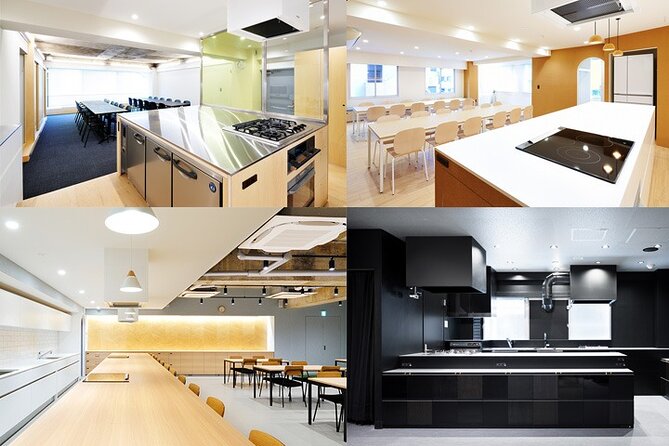
This experience is a strong fit if you:
- want hands-on learning rather than just watching chefs at work
- are traveling with friends and want something that feels like team time, not a solo activity
- like food experiences that end in a meal you can point to and say I made that
It’s also a good fit if your goal is to bring Tokyo home. Sushi at home can be hard if you only know one basic roll. Learning both futomaki and temari-sushi plus supporting dishes gives you more ways to host a small get-together later.
You might want to think twice if:
- you don’t enjoy structured classes or precision cooking steps
- your schedule can’t handle a fixed start time at 11:30 am
- you’re relying on someone else to handle transportation since private transport isn’t included
Should You Book This Tokyo Sushi-Making Class?
Yes, if you want a Tokyo morning that’s practical, social, and delicious—with real skills at the end.
Book it when you value technique you can repeat: futomaki rolling, temari-sushi shaping and topping, plus the comfort of miso soup and the skill of tamagoyaki. It’s also a smart choice for groups because the activity naturally pushes interaction while you work.
Hold off if getting to Minato City is a hassle for your day plan, or if your travel style is mostly “see it, photograph it, eat somewhere else.” This class is about doing, not just observing.
If you’re on the fence, I’d choose it for the combination of skills and lunch. It’s one of those experiences where the payoff is immediate and the memory comes from food you assembled with your own hands.
FAQ
What kinds of sushi will I learn to make?
You’ll learn how to make futomaki and temari-sushi.
Are miso soup and tamagoyaki included in the class?
Yes. The class includes learning recipes for miso soup and tamagoyaki (Japanese rolled omelet).
Does the price include lunch and ingredients?
Yes. Lunch, the cooking experience, and ingredients are included.
Where does the class start and end?
It starts in Minato City, Tokyo, Japan and ends back at the same meeting point.
How long is the experience?
It lasts about 2 hours.
Is transportation included?
No. Private transportation is not included.
How many people are in the group?
There’s a minimum of 4 people per booking and a maximum of 40 travelers for the activity.
FAQ
Is the experience refundable?
No. This experience is non-refundable and cannot be changed for any reason.
Do I get confirmation after booking?
Yes. You’ll receive confirmation at the time of booking.
What ticket format will I receive?
You’ll receive a mobile ticket.