REVIEW · TOKYO
Explore the Local “Non-touristy” Side of Tokyo: Jujo and Akabane Walking Tour
Book on Viator →Operated by Trip Designer Inc. · Bookable on Viator
Trade the crowds for real Tokyo. This small-group Jūjō and Akabane walking tour takes you through classic shotengai streets and local rhythms you usually miss. I like that it keeps you moving at an easy pace while your guide ties the shops, food, and old neighborhood corners into everyday life.
Two things I especially like: the focus on foodie street info and tastes, and the cultural add-ons like tea and a temple lesson on offerings and prayers. You’ll get practical context for what you’re seeing, not just photo stops.
One consideration: this is about 3 hours of walking, and the tour asks for moderate physical fitness. Also, food and drinks aren’t included, so plan a little extra spending if you want to snack your way through the shopping streets.
In This Review
- Key highlights you’ll feel (quick and useful)
- Jujo Ginza Shopping Arcade: 500 shops and zero tourist theater
- Shimizuzaka Park: a quiet breather that feels like the neighborhood’s backyard
- Inatsuke Castle Remains: Ota Dokan’s legacy in a small, stop-and-look way
- Akabane Ichibangai: izakaya lanes where locals linger at noon
- Tea tasting and temple guidance: cultural context you can actually use
- Price and logistics: what you’re paying for (and how to get value)
- Where it starts and where you finish (so you don’t waste time)
- What you should expect from the pace and group size
- Who this tour is best for
- Should you book this Jujo and Akabane walking tour?
- FAQ
- What is the duration of the Jujo and Akabane walking tour?
- How much does the tour cost?
- What time does the tour start?
- Where do you meet the guide?
- Where does the tour end?
- What is the maximum group size?
- What’s included in the price?
- Is food and drink included?
- Is transportation or hotel pickup included?
- Are any admissions fees required?
- What is the cancellation policy?
Key highlights you’ll feel (quick and useful)
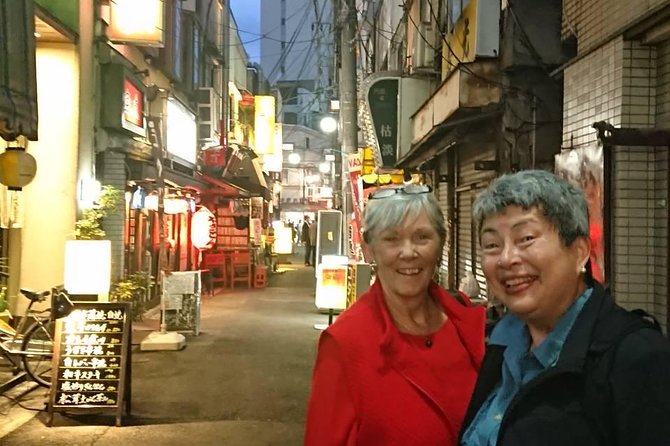
- Max group of eight so you can ask questions and move without a crush
- Jūjō Ginza shopping arcade with hundreds of everyday shops, from prepared foods to clothing
- Shimizuzaka Park as a calm reset, including a longer-than-you’d-expect slide for kids
- Inatsuke Castle ruins with Ota Dokan connections to Edo-era planning
- Akabane Ichibangai: izakaya lanes where mid-afternoon sake is normal life
- Tea tasting and temple guidance focused on how beliefs show up in daily practice
Jujo Ginza Shopping Arcade: 500 shops and zero tourist theater
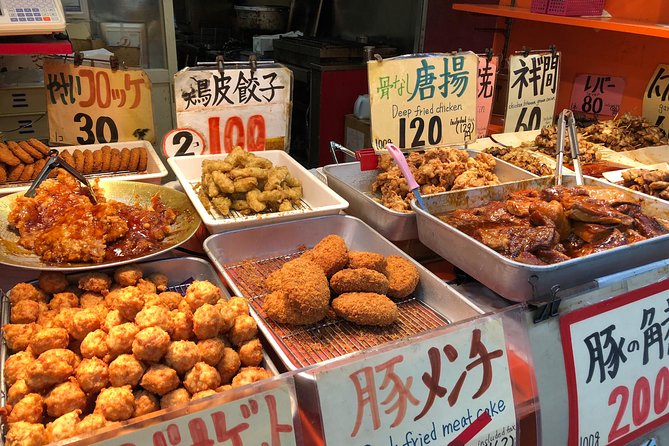
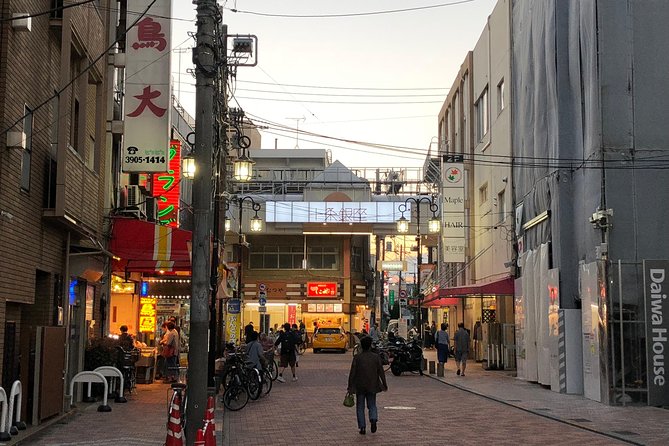
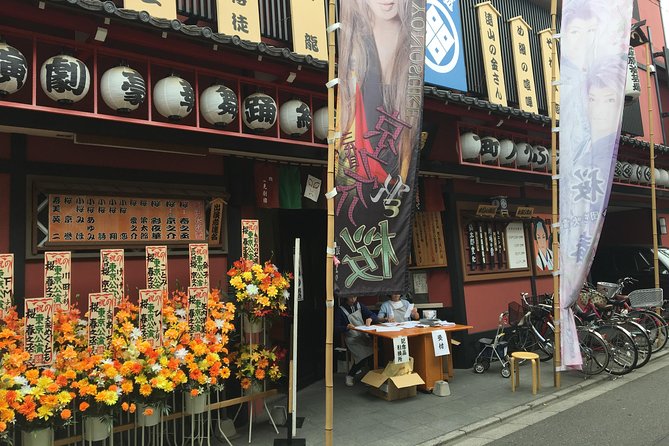
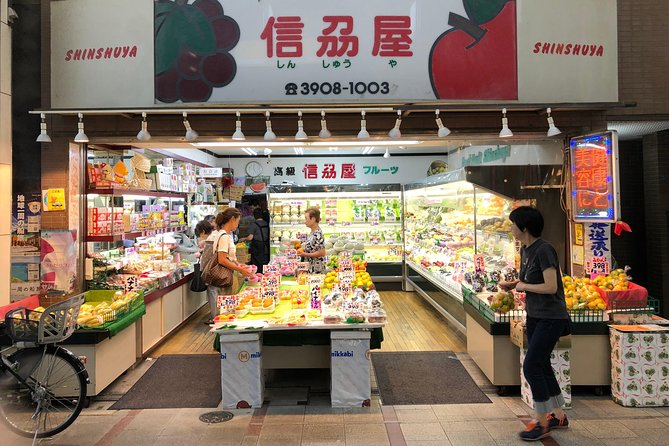
If you want Tokyo without the scripted feeling, Jūjō Ginza is a smart place to start. This old shopping street is known as one of Tokyo’s best three historic shotengai, and the scale is part of the point: you’re looking at around 500 shops packed along a walk that feels lived-in, not staged.
What I love here is how normal everything feels. You’ll see prepared foods, fresh food, and everyday clothing rather than just souvenir racks. Your guide helps you read the street like a local: what shop types suggest about neighborhood needs, how vendors present products, and what people actually stop for in a daily routine. It’s the kind of learning that makes later sightseeing click into place.
A possible drawback is that the same closeness that makes the street fun can feel tight. If you don’t like shoulder-to-shoulder walking, keep your pace steady and let the group flow naturally. This tour caps group size at eight, which helps a lot.
You can also read our reviews of more walking tours in Tokyo


Shimizuzaka Park: a quiet breather that feels like the neighborhood’s backyard

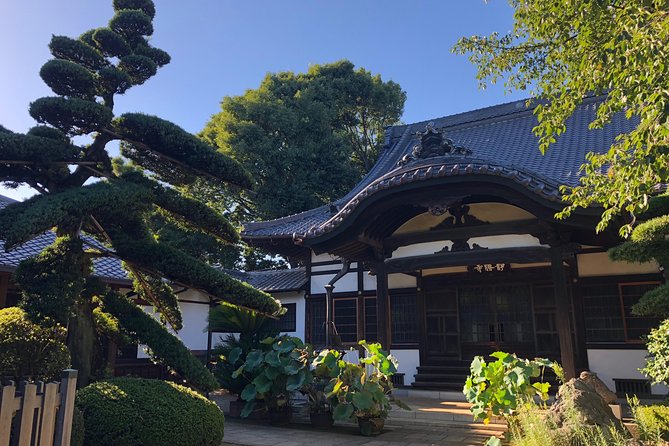
After all that shopping-street energy, Shimizuzaka Park works like a pressure release. It’s described as a quiet oasis surrounded by trees, so you’re not just moving from one busy place to another. In about 20 minutes, you get a small pocket of calm that makes the whole afternoon feel more balanced.
What makes it practical is how local it feels. This isn’t a theme park moment; it’s a place neighborhood residents use as a center of regional life. And if you’re traveling with kids (or you just appreciate simple playground details), there’s a roller-type slide measuring 52 meters in length, plus a square and a pond.
Drawback to keep in mind: it’s short. If you want a long park break, this isn’t built for that. But as a reset between streets, it does the job.
Inatsuke Castle Remains: Ota Dokan’s legacy in a small, stop-and-look way
Then the tour pivots to history, and it’s not the big-museum kind. The Inatsuke Castle remains are a small reminder that Tokyo’s layers go way beyond modern streets. The ruins connect to Ota Dokan, a 15th-century warlord, and the site sits about 21 meters above sea level.
Ota Dokan is known for building Edo Castle, so this stop gives you a thread back to the era when the city’s political center was forming. You’ll also see a statue connected to him, which helps make the name feel real instead of abstract.
One limitation: ruins are ruins. You won’t get a full rebuild or an immersive story wall. The value is in context—your guide turns a modest physical site into something you can place in the broader Edo timeline. If you’re expecting a full castle tour, you’ll be slightly underwhelmed. If you enjoy learning how smaller sites fit the big picture, you’ll probably like it.
Akabane Ichibangai: izakaya lanes where locals linger at noon
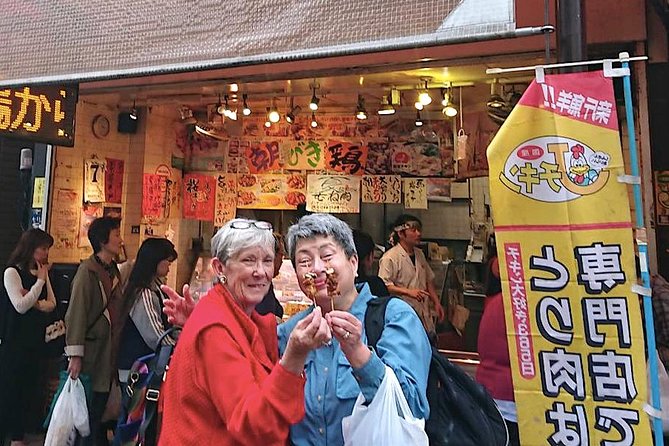
The ending vibe is one of the reasons I think this tour is worth your time. Akabane Ichibangai is a shopping street packed with several dozen pubs and izakayas, and many of them are open at noon. That detail matters because it changes how you experience the street: it feels like everyday adult life, not evening entertainment only.
This is also where the tour earns its non-touristy reputation. You may notice the scene of elderly men enjoying a mid-afternoon cup of sake. It’s not showy, and that’s the point. Your guide helps you understand what kinds of drinks and food cultures show up in these lanes, and how the shotengai format supports local community habits.
Practical consideration: this is a food-and-drink environment, but the tour does not include food and drinks. So if you want tastings beyond whatever the guide offers (like tea), you’ll be spending out of pocket. If you don’t plan for that, it can make the experience feel more expensive than you expected.
Tea tasting and temple guidance: cultural context you can actually use
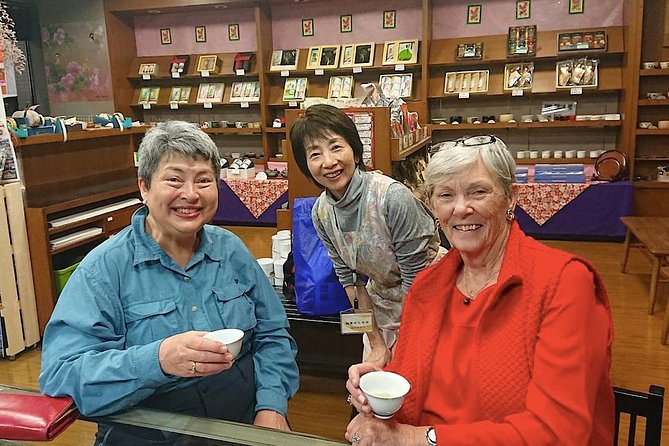
The most praised parts of this experience aren’t only about streets—they’re about meaning. Tea tasting and a temple visit show up in the experience in a hands-on way, including guidance on how offerings and prayers work.
This is the kind of cultural lesson that pays off later. Once you understand what visitors are doing at a temple—how offerings relate to prayer, and what to pay attention to—you stop seeing temples as just beautiful buildings and start reading them like a living practice. It also changes how you behave: you’ll know what’s appropriate, what each moment is for, and why people slow down.
What I like here is the tone. A good temple lesson doesn’t turn faith into a performance. It gives you respectful steps and simple context. And based on the feedback, the guide’s explanations (including guidance from Fumiko in at least one of the tour experiences) make the difference between confusion and understanding.
If you’re sensitive to religious settings, keep this in mind: this is meant to be educational, but it still involves active temple etiquette. You’ll get instruction so you’re not guessing.




Price and logistics: what you’re paying for (and how to get value)
At $71.53 per person for about 3 hours, this isn’t a “cheap lunch walk,” and it’s not a premium private-car day either. The value comes from three places: the small group size, the guide’s cultural context, and the fact that you’re walking through places where vendors and local rhythm are the main attraction.
Also, you’re not just seeing streets—you’re learning how to interpret them. That’s why the food and tea elements matter. Even though food and drinks aren’t included, the guide’s guidance can help you spend wisely rather than randomly grabbing snacks that don’t fit what’s happening in the neighborhood.
A couple of practical notes:
- Mobile ticket makes this easier on arrival.
- Group discounts can help if you’re traveling with friends or family.
- It tends to be booked about 68 days in advance, so if you have fixed plans, don’t wait until the last week.
On timing: it starts at 3:00 pm and runs to Akabane Station. That late-afternoon start is great because many shops and izakayas are still active, and you’re not fighting the morning rush.
Where it starts and where you finish (so you don’t waste time)
Meeting point is Jūjō Station in Kita City, Tokyo (Tokyo address listed as 114-0034 東京都北区上十条11210). The tour ends at Akabane Station, ticket gate area, with the location given as 1 Chome-1 Akabane, Kita City, Tokyo 115-0045.
This matters because your best experience depends on not rushing. When you have a tight 3-hour window, getting to the start point on time keeps the pacing comfortable. Also, since there’s no hotel pickup or drop-off, you’ll want to plan your local transit route in advance and build in a few minutes for station navigation.
What you should expect from the pace and group size
This is a private tour/activity, meaning it’s your group only, and the maximum group size is eight. That small size is not just a comfort perk—it changes how the guide can teach. You’re more likely to get targeted answers, and you can stop for short explanations without blocking everyone.
Your physical fitness requirement is described as moderate physical fitness. Translation: you should be comfortable walking for a few hours on city streets and in shopping arcades. If you have mobility issues or a fragile knee, you’ll want to think carefully. But for most people who can do normal city walking, the pacing sounds realistic.
Who this tour is best for
I’d point this one at travelers who:
- want non-touristy Tokyo that still feels classic and meaningful
- like street-level food culture and local shopping habits
- enjoy history that shows up in everyday places, not only major landmarks
- want a guide-led experience with room for questions
It may be less satisfying if you mainly want famous photo stops, big-ticket museums, or a full-day itinerary. This tour is compact and street-focused, and that’s where its strength is.
Should you book this Jujo and Akabane walking tour?
Book it if you want a Tokyo day that feels like a neighborhood stroll with real context. The combination of historic shopping streets, a calmer park break, a castle-ruins learning moment, and a late-day izakaya-street finish gives you a rounded slice of local life. Add tea tasting and temple guidance, and you get cultural understanding that lasts longer than the walk itself.
I’d skip it (or at least reconsider) if you want food and drinks fully included, or if you’re uncomfortable with moderate walking and dense retail lanes. And if your goal is only headline attractions, this won’t be the best match.
If you’re aiming for the kind of Tokyo you can’t easily reproduce on your own, this is a strong bet—especially because the group stays small and the guide brings the street details into focus.
FAQ
What is the duration of the Jujo and Akabane walking tour?
It lasts about 3 hours.
How much does the tour cost?
The price is $71.53 per person.
What time does the tour start?
The start time listed is 3:00 pm.
Where do you meet the guide?
The meeting point is Jūjō Station, Tokyo (114-0034 東京都北区上十条11210).
Where does the tour end?
The tour ends at Akabane Station, ticket gate (1 Chome-1 Akabane, Kita City, Tokyo 115-0045).
What is the maximum group size?
The tour is small-group with a maximum of eight people, and it’s private for your group only.
What’s included in the price?
Local taxes and a local guide are included.
Is food and drink included?
No. Food and drinks are not included.
Is transportation or hotel pickup included?
No. Hotel pickup/drop-off and transportation to/from attractions are not included.
Are any admissions fees required?
Jujo Ginza shopping arcade and Shimizuzaka Park are ticket free. Inatsuke Castle remains is listed as admission ticket not included.
What is the cancellation policy?
You can cancel for a full refund up to 24 hours before the experience starts. After that, refunds are not available.