REVIEW · TOKYO
English-speaking guided day tour of Nikko with a private vehicle
Book on Viator →Operated by Ohayo Nihon · Bookable on Viator
Nikko hits you fast. One day here can feel like three different trips, from red-lacquered icons to mountain lakes and big falls. I like the private vehicle for getting between stops without hassle, and I like that your guide can pace things so you actually see the details at Nikkō Tōshogū. The main catch is simple: this is a 10-hour day, so you’ll want a solid stamina level and a little patience for traffic and lines.
If you’re the sort of traveler who wants views without spending half the day fighting crowds, this plan is built for that. You start in Tokyo at Tokyo Station, roll into Nikko early enough to make the most of each site, and end back in the same area. One heads-up: there have been mixed experiences tied to the tour operator, so I’d still double-check your day plan and ticket details before you go.
In This Review
- Key points before you go
- A private Nikko day that actually feels doable
- Tokyo Station meeting point and how the day runs
- Shinkyo Bridge: your first UNESCO-style Nikko moment
- Nikkō Tōshogū: 55 buildings, 1 big reason to slow down
- Irohazaka Road: winding views between town and the lakes
- Lake Chuzenji and Chūzenji Temple: views first, then the statue
- Akechidaira Observation Area: the ropeway shortcut to a big panorama
- Ryūzu Waterfall and Yunoko Lake: fall color targets (and photo payoff)
- Kegon Falls: the big finale you’ll feel in your bones
- Price and value: what you’re really paying for
- Managing the day: timing, lines, and what to pack
- Weighing operator reliability before you book
- Who should book this Nikko private tour
- Should you book? My take
- FAQ
- How long is the Nikko day tour?
- Is this a private tour?
- What’s the group size for the private vehicle?
- Where do we meet in Tokyo?
- Does the tour include pickup?
- What admission fees are not included?
- What’s included in the price?
- Is this tour in English?
- Is free cancellation available?
Key points before you go
- Private car + small group (up to 6): calmer pacing than big buses, especially at the temples
- English guide with real local focus: one guide mentioned by name, Taka, is praised for strong English and helpful photo stops
- Top Nikko sights plus mountain scenery: Shinkyo Bridge, Nikkō Tōshogū, Lake Chuzenji, Kegon Falls
- A clear fee split: some major sites cost extra, and you should budget for them upfront
- Traffic can stretch the day: extra hours are built in for lines and moving time
A private Nikko day that actually feels doable
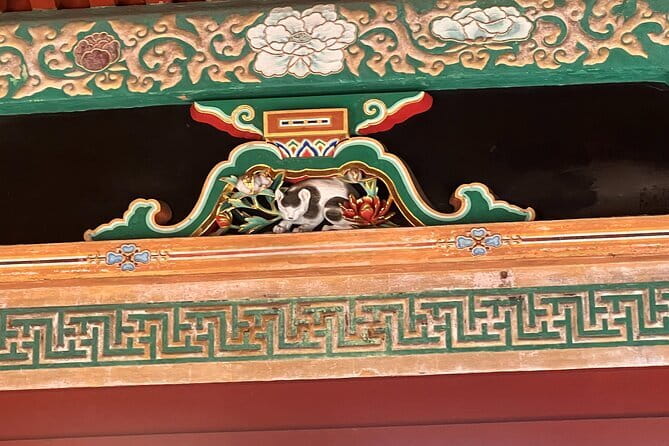
Nikko is famous for a reason. Temples here aren’t just pretty backdrops. They’re packed with symbolism, craftsmanship, and layout choices that make more sense when you have a guide to translate what you’re seeing.
The big practical win is the private transportation. Nikko is spread out. With your own vehicle, you spend less energy “figuring it out,” and more energy looking at bridges, gates, stonework, and waterfall viewpoints at the moments you care about. If you’ve ever done a day trip by public transit and arrived feeling rushed or tired, this setup is the opposite approach.
Another good reason: the tour is set up with a personalized itinerary feel. The time at each stop isn’t just a stopwatch. It’s meant to give you room to take photos, pause for explanations, and move on when it makes sense.
Possible drawback? This isn’t a slow stroll tour. It’s still a full circuit. If you’re traveling with limited walking tolerance, you’ll need to plan for stairways and uneven paths at some sites, especially in the temple and waterfall areas.
You can also read our reviews of more guided tours in Tokyo



Tokyo Station meeting point and how the day runs
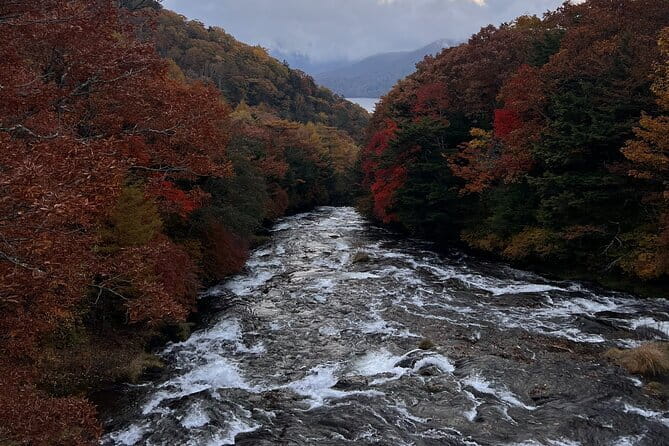
You meet at Tokyo Station (1 Chome-9 Marunouchi, Chiyoda City, Tokyo). The tour notes that pickup is offered, and you’ll also get a mobile ticket. The order of stops is designed like a circuit: start with the Nikko gateway, move into the temple complex, then head up into the Lake Chuzenji area and finish with waterfalls and lake scenery before returning to Tokyo.
Expect about 10 hours total. The operator also flags that extra time is for traffic and lineups. That’s not just legal language. Nikko’s popularity means bottlenecks at certain entrances and viewpoints, and a private guide helps you keep the flow smoother.
Tip: since the day can run long, I’d plan to eat a real breakfast and bring a snack if you’re prone to getting hungry. Bottled water is included, which helps, but you may still want something small for the in-between stretches.
Shinkyo Bridge: your first UNESCO-style Nikko moment
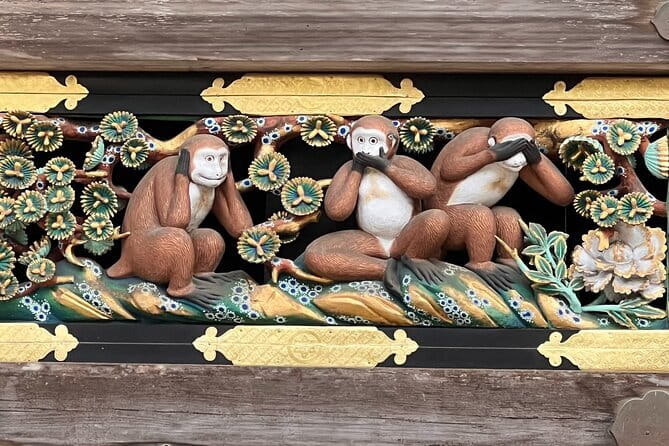
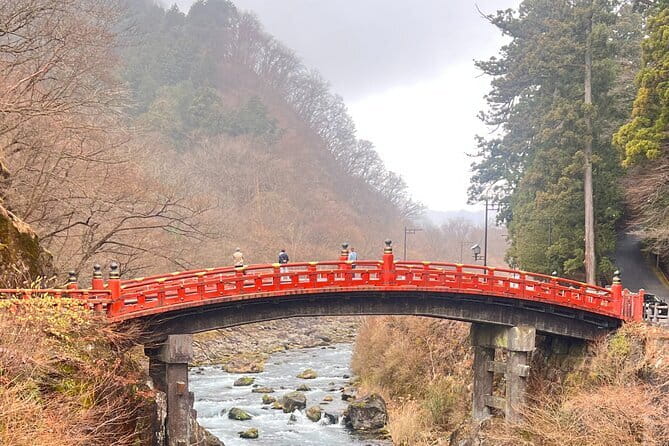
Your first proper sight stop is Shinkyo Bridge. This vermillion-lacquered bridge sits at the entrance to the Nikko mountains and is a UNESCO World Heritage Site. It’s only a short stop, about 10 minutes, and there’s no admission fee for this one.
What I like about starting here: it gives you a visual hook right away. Before you get into the dense temple details, you see the red-lacquered icon that sets the tone for the whole area.
One practical note: because the bridge is iconic, it can draw people even on a structured tour schedule. If you care about photos, take a minute to look for a quiet angle and shoot quickly when the crowd thins.
Nikkō Tōshogū: 55 buildings, 1 big reason to slow down
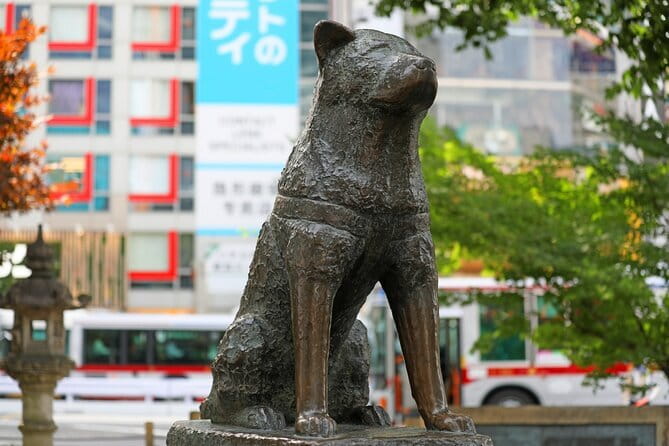
Next is Nikkō Tōshogū, the main temple and shrine complex. The essentials are impressive: most of what you see today was rebuilt in the 17th century, and the site includes 55 buildings, with 8 national treasures and 34 listed buildings.
The time here is about 2 hours, and entry is not included (budget ¥1,600 per person). This is the stop where a good guide matters most. Without context, it’s easy to treat it like a collection of structures. With a guide, you can understand why the layout is the way it is, what you’re looking at, and why certain details were made.
Based on a strong piece of feedback from one named guide (Taka), English clarity and a patient pace can really upgrade the experience. The praise wasn’t only about explanations. It included being flexible and helping with photos, which matters a lot at a place where lighting and angles can make or break your pictures.
Small caution: because it’s a major complex, you’ll still deal with foot traffic. Two hours is solid, but it’s not unlimited time to linger at every corner.
Irohazaka Road: winding views between town and the lakes
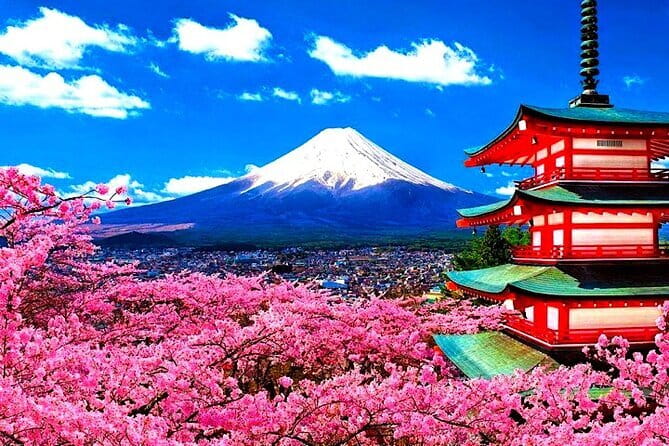
After the main temple area, you travel along Irohazaka—a pair of winding roads that connect Nikko-city with the mountainous Lake Chuzenji area. This stop is about 1 hour, and it doesn’t include an admission fee.
What makes this section worth it is that you go from shrine architecture to mountain scenery fast. It’s also one of the ways Nikko feels like more than a single sightseeing stop. You’re not just walking around indoors or around one monument. You’re traveling through the region.
If you’re prone to motion sickness, take it seriously here. Winding roads can be bumpy for some people. If you need it, sit where you feel most stable in the vehicle.
You can also read our reviews of more private tours in Tokyo

Lake Chuzenji and Chūzenji Temple: views first, then the statue
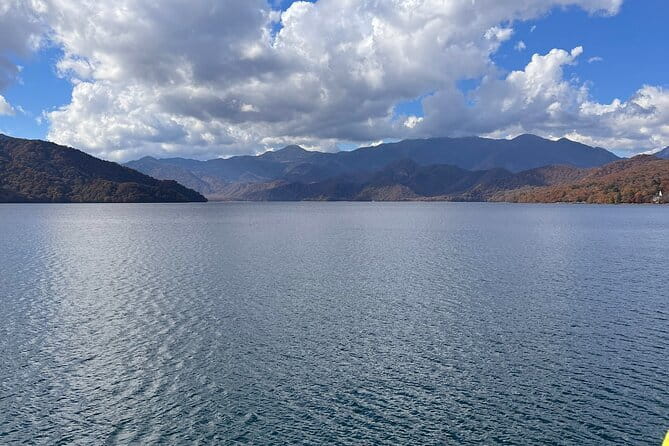
You get Lake Chuzenji next, about 1 hour. Admission is free. The route gives you mountain lake scenery with Mount Nantai in the background. Lake Chuzenji sits at the foot of Nikko’s sacred volcano, Mount Nantai, so the setting already feels like part of the “story” of the area.
Then you have Chūzenji Temple (about 1 hour), also not included (budget ¥500 per person). This temple is on the eastern bank of Lake Chuzenjiko, and the temple’s main object of worship is a six meter tall statue of Kannon, the Buddhist Goddess of Mercy. You’ll also get a view over the lake.
Why this stop is a good use of time: it links religion and landscape. You can see how the lake and the temple connect visually, not just spiritually. It’s also a nice contrast from the earlier dense temple complex—more open, more view-based, and easier to breathe.
Akechidaira Observation Area: the ropeway shortcut to a big panorama
For the next viewpoint stop, you go to Akechidaira Observation Area. There’s a three-minute ropeway ride involved (admission not included; budget ¥600 per person for the ropeway). The lookout is said to offer the best view in Nikko, with sightlines across Lake Chuzenji, toward Kegon Falls, and up to Mount Nantai.
This is one of those places where the time makes sense. It’s short, but it changes how you understand the geography. From up high, you see how the lake, the falls, and the mountain sit in relation to each other.
Practical note: if you’re sensitive to heights or ropeways, take that into account before committing. The tour is designed so you don’t spend forever waiting, but you will still take the ropeway ride.
Ryūzu Waterfall and Yunoko Lake: fall color targets (and photo payoff)
After the main panorama, you head to Ryūzu Waterfall (about 30 minutes; admission free). This is known as one of the early autumn-color spots in Nikko, which means the timing here can be seasonal. Even if you’re not there in peak foliage season, it’s still a classic waterfall stop.
Next is Yunoko Lake (about 10 minutes; admission free). This lake is known for clear water and has a trail around its 1.9-mile shoreline. The stop time here is short, so you’ll mostly be soaking in the look rather than doing the full walk.
My take: Yunoko Lake is a nice “reset” after temples and bigger falls. It’s a quick scenic breather that keeps the day from feeling like one long grind.
Kegon Falls: the big finale you’ll feel in your bones
You end with Kegon Falls (about 30 minutes; admission free). This is one of Nikko’s biggest attractions for a reason. The water flows from Lake Chuzenji, and it drops 97 meters into a plunge pool surrounded by greenery. It’s historically been known as one of Japan’s top three greatest waterfalls, and you’ll see it from different angles depending on where you stand.
This stop is short enough to avoid fatigue, but long enough to appreciate the scale. If you’re someone who likes waterfalls as more than a quick snapshot, you’ll want to take a few minutes to find an angle where you can see the full drop, not just the nearest splash.
One caution: misty conditions can happen near waterfalls. Wear footwear you’re comfortable getting a little damp in.
Price and value: what you’re really paying for
The price is $555.04 per group, up to 6 people. That means the cost per person depends on how many seats you fill. If you use the full group size, it can come out to a very reasonable rate for a full-day, English-guided Nikko circuit with a private car.
So what are you paying for, beyond transport?
- Time leverage: a planned route means less wandering and fewer “what do we do next” moments
- English guidance on complex sites: especially at Nikkō Tōshogū, where you’ll likely appreciate the explanations
- Lower friction: bottled water, parking fees, and a setup that works even if you don’t speak Japanese
- Flexibility at the right moments: at least one guide (Taka) has been described as patient and flexible, and that kind of pacing matters in crowded temple areas
The other thing to think about is the extra admissions. Entry for Nikkō Tōshogū is ¥1,600 per person, Chūzenji Temple is ¥500 per person, and the Akechidaira ropeway is ¥600 per person. Those fees aren’t included, so you’ll want to have cash or a way to pay.
Booking timing is another part of value. The tour is often booked about 87 days in advance, which suggests limited availability around popular dates. If Nikko is a highlight for your trip, booking earlier usually helps.
Managing the day: timing, lines, and what to pack
A 10-hour day trip can feel smooth or exhausting depending on your expectations. The tour specifically notes extra time for traffic and lineups, which is a hint that you should build the rest of your day schedule loosely. Don’t stack another demanding activity right afterward.
What you’ll likely appreciate most is your guide’s pacing. At temple sites and observation areas, you’ll want a plan for photos without running late. If you love photography, one strong review mentioned that the guide was also good at helping with taking pictures. Even if you’re not chasing pro-level shots, that usually means fewer missed moments.
For what to pack:
- comfortable walking shoes for temple and viewpoint paths
- a light layer for mountain air near Lake Chuzenji
- any personal snacks (water is included)
- a charged phone/camera for viewpoints and the falls
Weighing operator reliability before you book
I can’t sugarcoat this part. One very negative comment described what they felt was unethical behavior and fraud, involving a family booking for seven people. That’s serious, even if it may be an outlier.
My practical advice: before you book, make sure the details you expect—pickup location, start time, and the structure of the day—are confirmed clearly. Read the mobile ticket instructions when you get them, and don’t wait until the morning of to sort out mismatches.
On the positive side, there is also praise for at least one guide named Taka, called out for excellent English, knowledge, patience, and flexibility, plus good photo help.
For you, the best strategy is simple: confirm in writing what you’re getting, then show up ready to enjoy the day.
Who should book this Nikko private tour
This tour makes the most sense if:
- you want English guidance for major sites like Nikkō Tōshogū
- you’d rather ride comfortably in a private car than navigate connections
- you care about hitting key Nikko scenery in one day: bridge, temple complex, lake views, ropeway lookout, waterfalls
- you’re traveling in a group of up to 6 and can share the group price
It’s not ideal if:
- you’re hoping for a slow, flexible day with lots of unscheduled wandering
- you have very limited stamina for walking and stairs
- you’re allergic to short ticket add-ons (ropeway and temple entries cost extra)
Should you book? My take
If Nikko is high on your list, this private day trip is a smart way to do it without turning the trip into a logistics puzzle. The mix of iconic sights and mountain viewpoints fits a one-day format well, and the private vehicle is the difference between seeing Nikko and just getting to Nikko.
I’d book this if you’re comfortable with a long day, and if you’re willing to budget the extra temple and ropeway fees. I’d also double-check the booking details and ticket instructions carefully, given the reported negative experience about the operator.
If you want a clean Nikko circuit with English help and fewer headaches, this is a strong contender.
FAQ
How long is the Nikko day tour?
The tour runs for about 10 hours.
Is this a private tour?
Yes. It’s a private tour/activity with only your group participating.
What’s the group size for the private vehicle?
The price is per group for up to 6 people.
Where do we meet in Tokyo?
The start point is Tokyo Station, 1 Chome-9 Marunouchi, Chiyoda City, Tokyo 100-0005, Japan.
Does the tour include pickup?
Pickup is offered.
What admission fees are not included?
Nikkō Tōshogū (¥1,600 per person), Akechidaira Ropeway (¥600 per person), and Chūzen-ji Temple (¥500 per person) are not included.
What’s included in the price?
Included items are bottled water, parking fees, private transportation, and personalized itineraries.
Is this tour in English?
Yes, it’s an English-speaking guided day tour.
Is free cancellation available?
Yes. You can cancel up to 24 hours in advance for a full refund.